What “Door to Door” Really Means, and Where the Truck Actually Stops
Door to door does not mean the truck parks outside your front door. It means the carrier collects and delivers as close to each address as it can legally and safely get, which on a great many streets is not the address itself.
That gap between the phrase and the practice produces more surprise than any other part of vehicle transport. Here is what actually happens, and how to work out in advance where your pickup will really be.
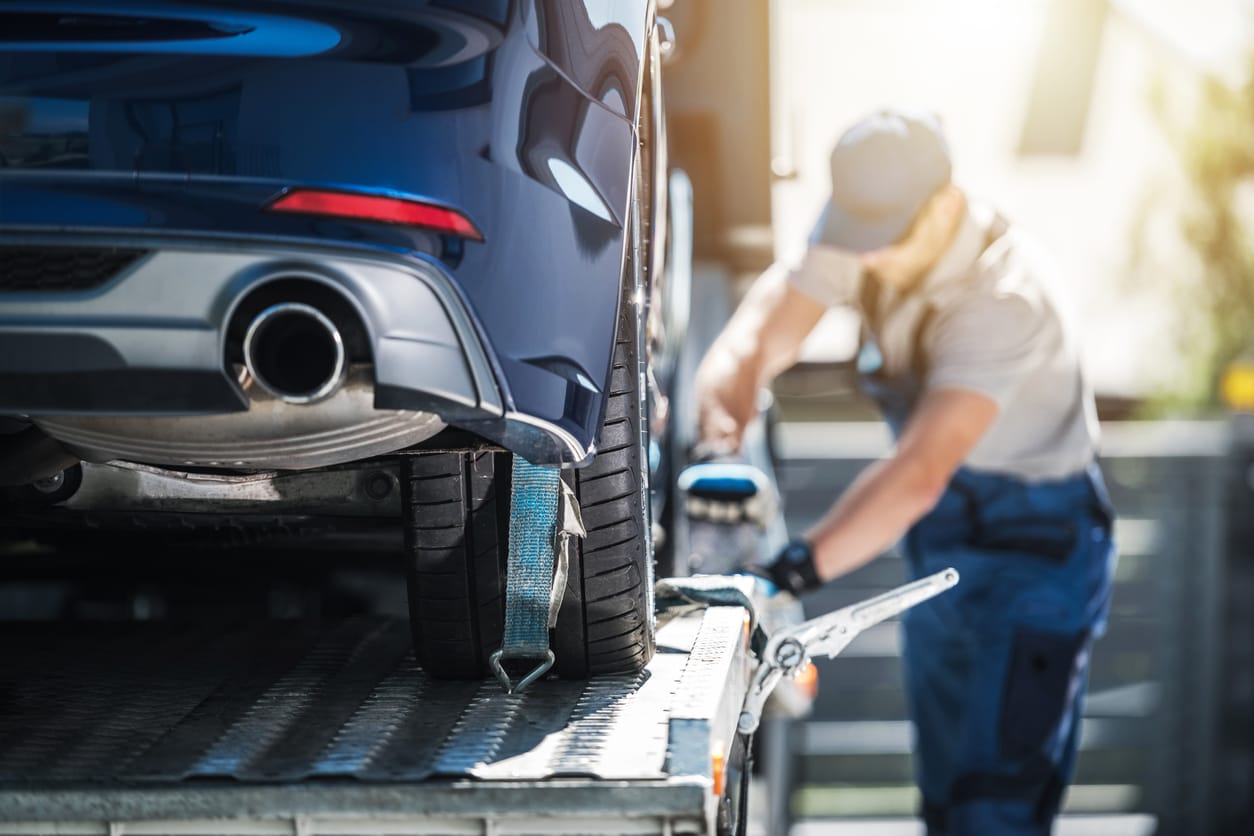
The Truck Is 75 Feet Long
Everything follows from the equipment. A full size car hauler is a tractor plus a multilevel trailer, roughly 75 to 80 feet in combination, 13 and a half feet high, and weighing tens of thousands of pounds loaded.
That vehicle needs a straight run to stop on, room to pull away without reversing more than a few feet, clearance above for the top deck, and ground that will bear the weight. It cannot execute a three point turn. It cannot reverse around a corner. And a driver who commits to a street with no exit has a serious problem.
So when a driver says the truck cannot come to your address, that is a physical constraint rather than a preference.
The Five Things That Block a Street
In rough order of how often they come up.
Low branches. The most common obstacle by a wide margin and the easiest to miss, because a tree that clears a passenger car by ten feet will scrape a top deck. Mature residential streets are the usual culprit.
Narrow streets with parked cars. A street that is comfortable in a sedan can be impassable when the effective width is reduced by parking on both sides.
Cul de sacs and dead ends. No turning circle means no exit.
Steep or short driveways and sharp aprons. A long trailer grounds out on a steep transition, and a driveway is almost never used for loading anyway.
Gated communities and low clearance structures. Height barriers at entrances, weight restricted bridges, and gates that require prior authorization for a commercial vehicle.
The Meeting Point Is Normal Practice
When an address will not work, the standard solution is to meet somewhere nearby that will: a supermarket or shopping center parking lot, a large gas station, a school lot at the weekend, or a wider road a few blocks away.
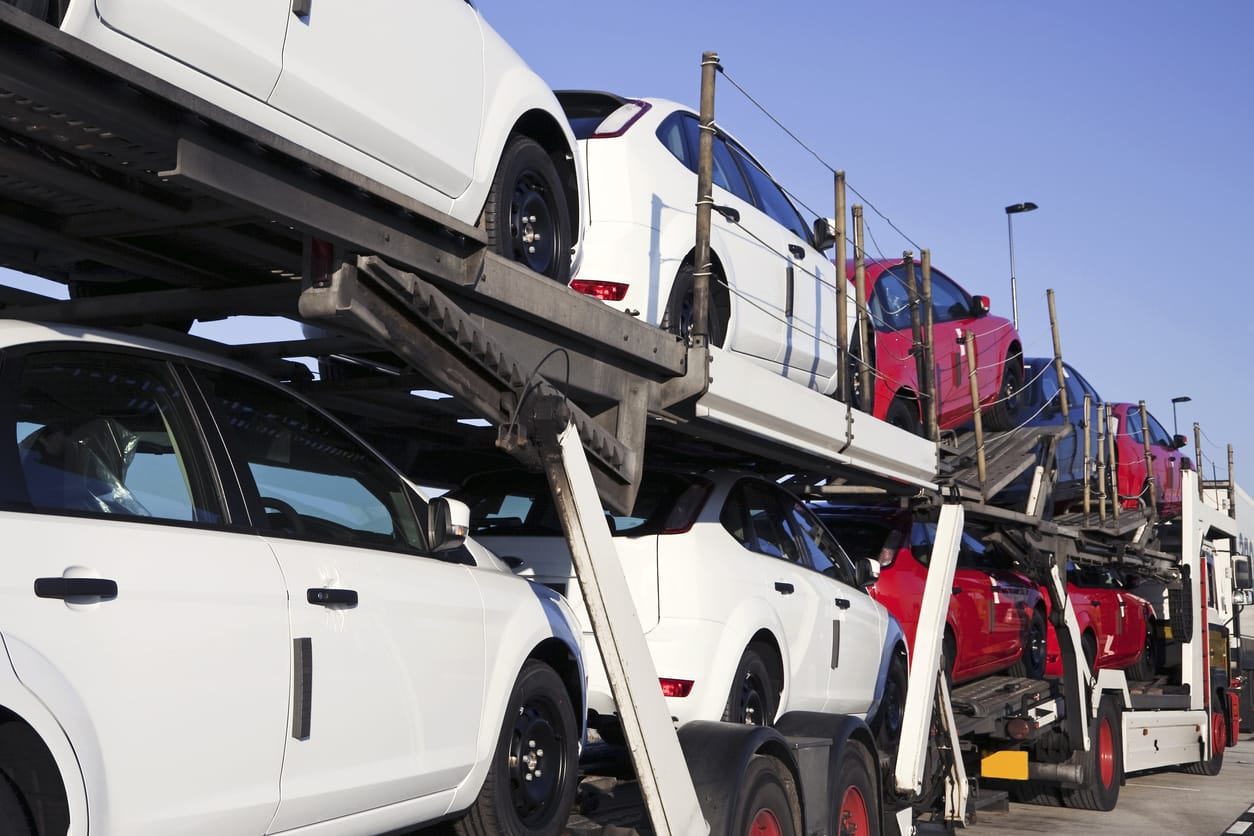
Three things worth knowing about this. It does not cost extra, because it is how the industry works rather than a service downgrade. It is usually faster, since loading in a large open lot is quicker and safer than threading a residential street. And it is normally within a few minutes of the address, not across town.
What matters is agreeing it in advance rather than discovering it when the truck is already circling your neighborhood. That is the entire difference between a smooth pickup and a bad afternoon.
How to Work Out Your Own Situation
You can answer this before you book, in about five minutes.
Look at your street and ask whether a moving van or a fire truck could stop on it and drive away forwards. If yes, a car hauler probably can too. Then check overhead: any branch, wire or sign lower than about 14 feet is a problem.
Check the approach as well as the street. A truck has to reach you, so if the only route in involves a tight turn or a low bridge, the street itself does not matter.
Then tell the carrier honestly what you found. “Narrow street, cars parked both sides, big supermarket lot half a mile away on the main road” is worth more than an address, and it is the single most useful sentence you can supply at booking.
Where Terminal Based Service Differs
Worth naming the distinction briefly, since the two get compared.
Terminal based service has you deliver the vehicle to a storage yard and collect it from another, which suits some situations and adds handling, storage and a trip at each end. Door to door, in the sense described above, brings the truck to your area instead.
Most vehicle transport in the United States is now door to door because it is more convenient and the price difference is small. The comparison in detail is covered in our page on terminal to terminal versus door to door shipping.
Delivery Has the Same Constraints, Plus One
Everything above applies at the far end, with an additional wrinkle: you are less likely to know the destination neighborhood.
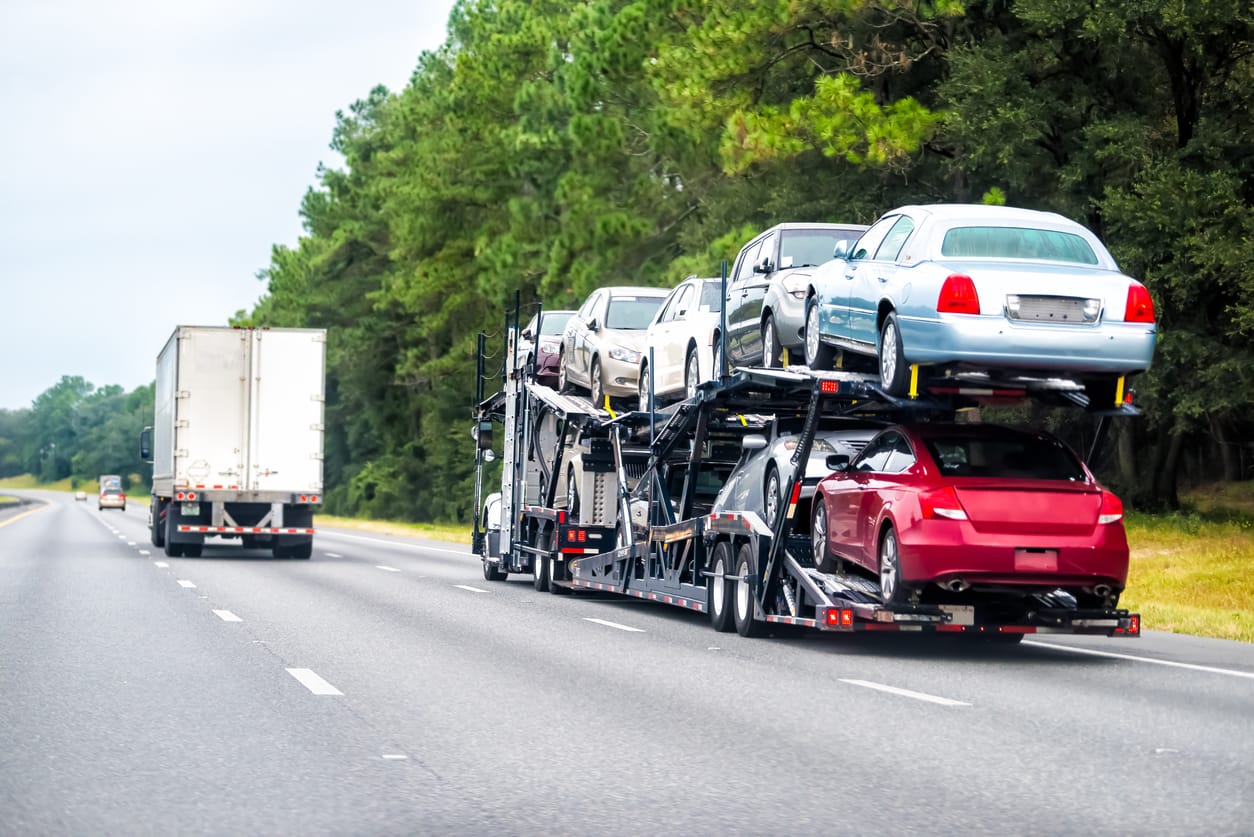
If you are moving to a house you have not seen, or having a purchased vehicle delivered to an address you do not know, look at it on a map before delivery day and flag anything obvious. If you cannot assess it, say so, and agree that the driver will call as they approach to arrange a meeting point.
The other delivery specific point is timing. Car transport runs to windows rather than appointments, so be reachable. A driver who cannot reach anyone at the delivery end is the second most common cause of a delay, after access.
What to Have Ready
Someone present who can hand over or receive keys and sign the bill of lading, or a named alternative the carrier knows about in advance. Photographs of the vehicle taken in daylight before loading. A phone you will answer. And realistic expectations about the window.
Inspect before signing at delivery, in daylight if at all possible, and note anything on the paperwork at the time. That document is what any claim depends on.
Common Questions
Will the truck come to my house? As close as it legally and safely can. On many residential streets that means a nearby lot instead, which is standard practice.
Does a meeting point cost extra? No. It is how the industry operates, and loading in an open lot is usually faster and safer.
What blocks a street most often? Low branches, followed by narrow streets with parked cars on both sides and cul de sacs with no turning room.
How do I know if my street works? Ask whether a fire truck or moving van could stop and drive away forwards, and check for anything overhead below about 14 feet.
What if I do not know the destination area? Say so at booking and agree that the driver will call on approach to arrange a meeting point.
Get a Quote
Call Ship A Car, Inc. at (866) 821-4555 with both zip codes, your date range and a description of access at each end, or price the move with the instant calculator.