
A Nationwide Concern Comes to Light
A larger, extremely worrying national issue has come to light as a result of the recent frightening state of railroad bridges in Binghamton, New York. Numerous railroad bridges in the United States, many of which are over a century old and essential to the smooth flow of freight, are at danger of being neglected. In addition to raising concerns about public safety, the status of these bridges’ disrepair in Binghamton also highlights the city’s long-standing underfunding of vital infrastructure. Mayor Jared Kraham’s proactive approach to bringing attention to this urgent issue embodies a long-running dispute between train companies and municipal governments over who should pay for the upkeep and modernization of these vital buildings.
These train bridges’ disrepair is a clear sign of a national infrastructure disaster rather than only a Binghamton-specific one. The effectiveness of the supply chain, public safety, and economic stability are all seriously threatened by this situation. The results of Mayor Kraham’s investigation in Binghamton provide as a microcosm of the problems that cities all around the nation confront because old and dilapidated railroad bridges are vital components of the country’s transportation system. This hypothetical situation emphasizes how urgently cities, railroads, and federal agencies must work together to prioritize and handle infrastructure maintenance and repair. Cities like Binghamton are promoting their own safety and starting a much-needed national dialogue about the condition of America’s rail infrastructure by bringing these issues to the public’s attention.
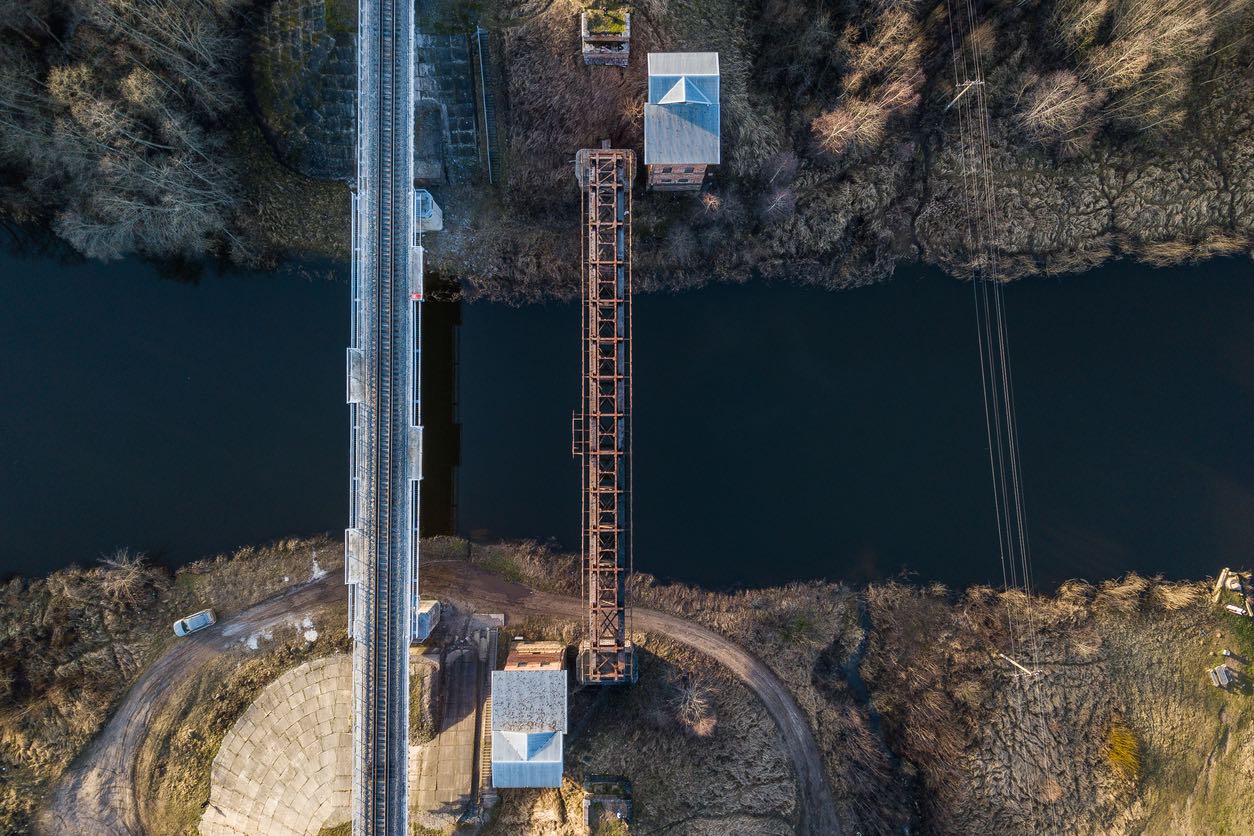
The Eye-Opening Report of Binghamton’s Bridges
Independent Inspection: A Catalyst for Change
The extensive 914-page independent inspection report from Binghamton was more than just a paper; it was a startling discovery that shocked the community to its core. The bulk of the city’s bridges were found to be in bad or severe condition, which was a startling wake-up call for Mayor Jared Kraham and the neighborhood. This research uncovered structural flaws that were deeply ingrained and constituted a major risk to public safety, in addition to highlighting superficial aesthetic problems. The thorough examination of the bridges, many of which are essential to Binghamton’s transportation system, highlighted the pressing need for significant maintenance. It was not only about keeping up the city’s infrastructure; it was also about protecting the everyday commutes of the locals and the general welfare of the community.
This report’s influence extended beyond its immediate call to action, as it sparked a wider discussion about the condition of aging infrastructure in small and medium-sized American cities. The report became a turning point in the history of the city as Mayor Kraham mobilized support for quick corrective action. It called for prompt and decisive action. The results showed that a thorough renovation was required to guarantee the longevity and dependability of Binghamton’s bridge network, rather than merely patching it up. This insight prompted the mobilization of resources and an accountability call, establishing a standard for other communities dealing with comparable issues. Binghamton initiated a much-needed and long-overdue conversation about infrastructure investment, safety regulations, and the order of importance for public works projects in urban planning by drawing attention to the critical status of its bridges.
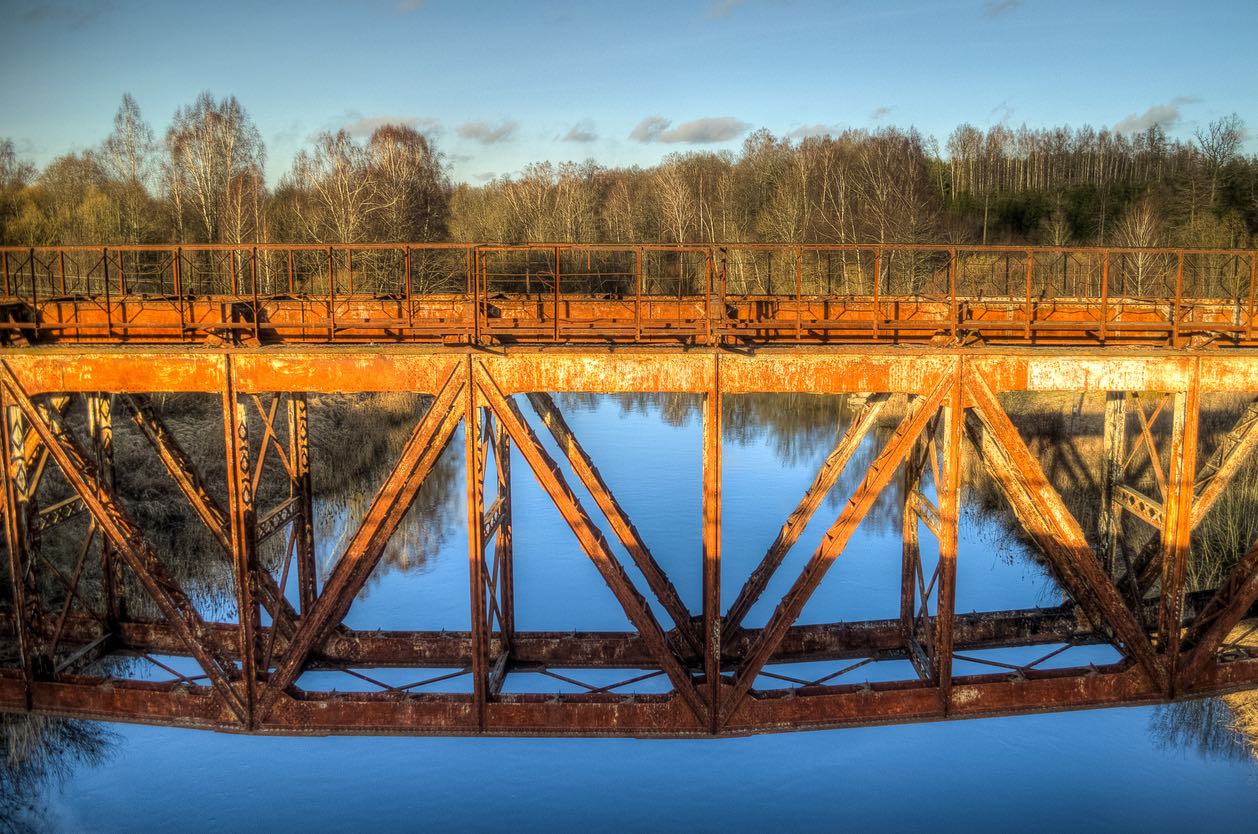
Railroad Companies’ Response to Infrastructure Deterioration
Norfolk Southern’s Role and Reaction
The company that controls the bulk of the aforementioned bridges, Norfolk Southern, has stepped up and promised to carry out the required maintenance and repairs. This looks to be a direct result of the harsh conclusions from the independent inspection report and the subsequent political lobbying, even though it is supposedly a part of their regular maintenance program. Though maybe long overdue, the company’s proactive approach is a noteworthy recognition of the vital role these structures serve in both local community safety and national freight circulation. This action shows awareness of the wider ramifications of neglecting the rail infrastructure in addition to addressing urgent safety problems.
Furthermore, Norfolk Southern is not just paying lip service to this. The corporation has made a noticeable change in its approach to infrastructure management with the announcement of precise plans to renovate these aging structures within a given timeframe. This response highlights the potential of informed advocacy and local leadership in promoting corporate responsibility. It was probably impacted by the increased scrutiny and public pressure that followed the study. By making these renovations, Norfolk Southern is strengthening its public image, reaffirming its commitment to community safety, and promoting sustainable operations in addition to increasing the safety of its rail bridges. This proactive strategy highlights the significance of timely maintenance and responsiveness to public concerns in the railway sector, setting a precedent for other train companies experiencing similar infrastructure difficulties.
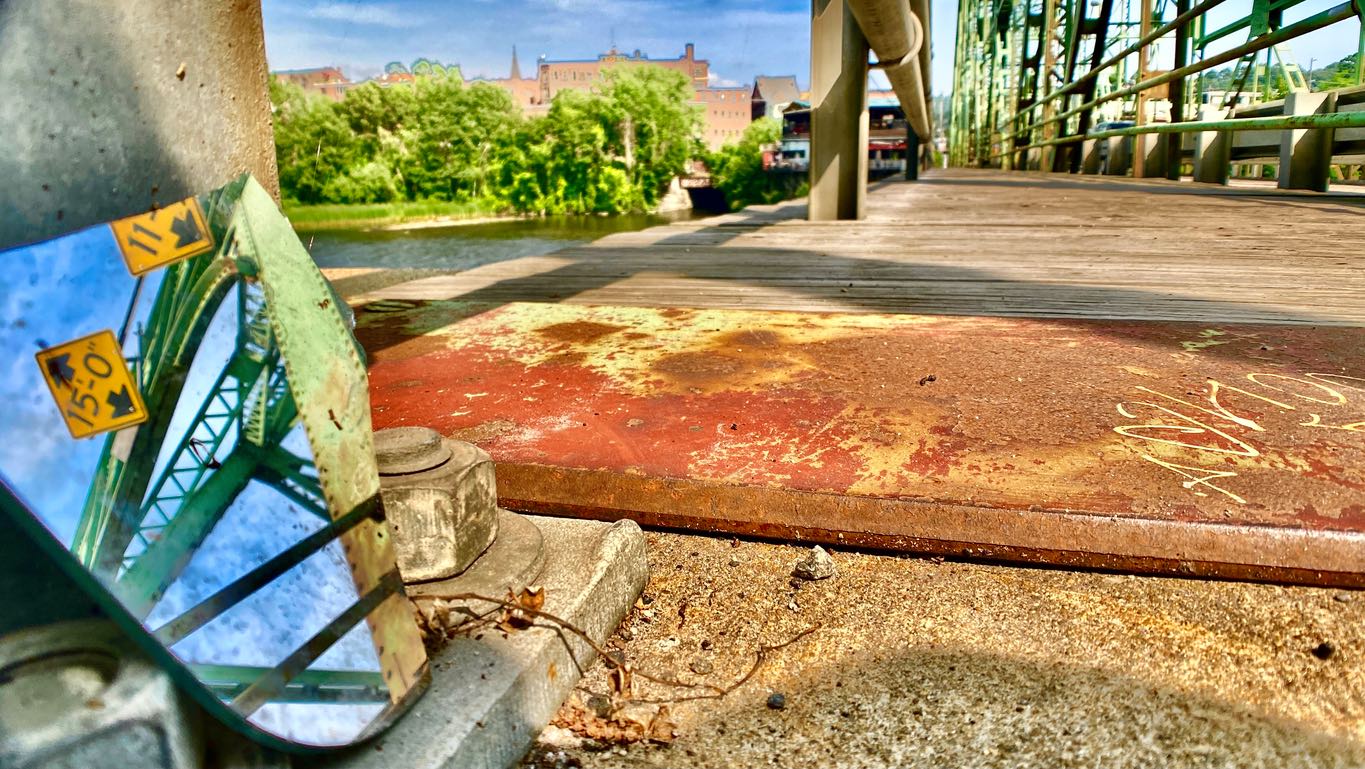
Historical and Nationwide Context of Rail Bridge Safety
Reflecting on Past Tragedies and Nationwide Concerns
The problem of collapsing rail bridges in the United States is not limited to Binghamton, New York. Some of the structures involved in this issue date back to the 1800s, therefore it has a long historical history. The recent incidents in Montana and Colorado serve as a sobering reminder of the risks associated with outdated infrastructure. The catastrophic collapse of a 65-year-old rail bridge in Colorado claimed a life and brought attention to the possible human cost of infrastructure failure. The environmental risks are further highlighted by the disaster that occurred in Montana, where hazardous goods flowed into the Yellowstone River from railcars. These occurrences provide a clear picture of a national problem in railroad bridge maintenance, as do the concerning results from Binghamton.
A Widespread Challenge Demanding Urgent Attention
An immediate and coordinated response is required to this catastrophe. Numerous rail bridges in the United States are in a dangerous state of disrepair, endangering not only the security of train operations but also the environment and public safety. The fact that many of these bridges are essential components of freight networks and often support the weight of large loads only serves to exacerbate the situation. Given that these dilapidated structures are vital links in the country’s supply chain, the economic consequences of their collapse cannot be emphasized. The need to solve this issue quickly is evident, but doing so would necessitate managing intricate relationships between private train corporations, regional administrations, and federal organizations. Maintaining effective freight traffic, funding infrastructure rehabilitation, and protecting public safety all require careful consideration.
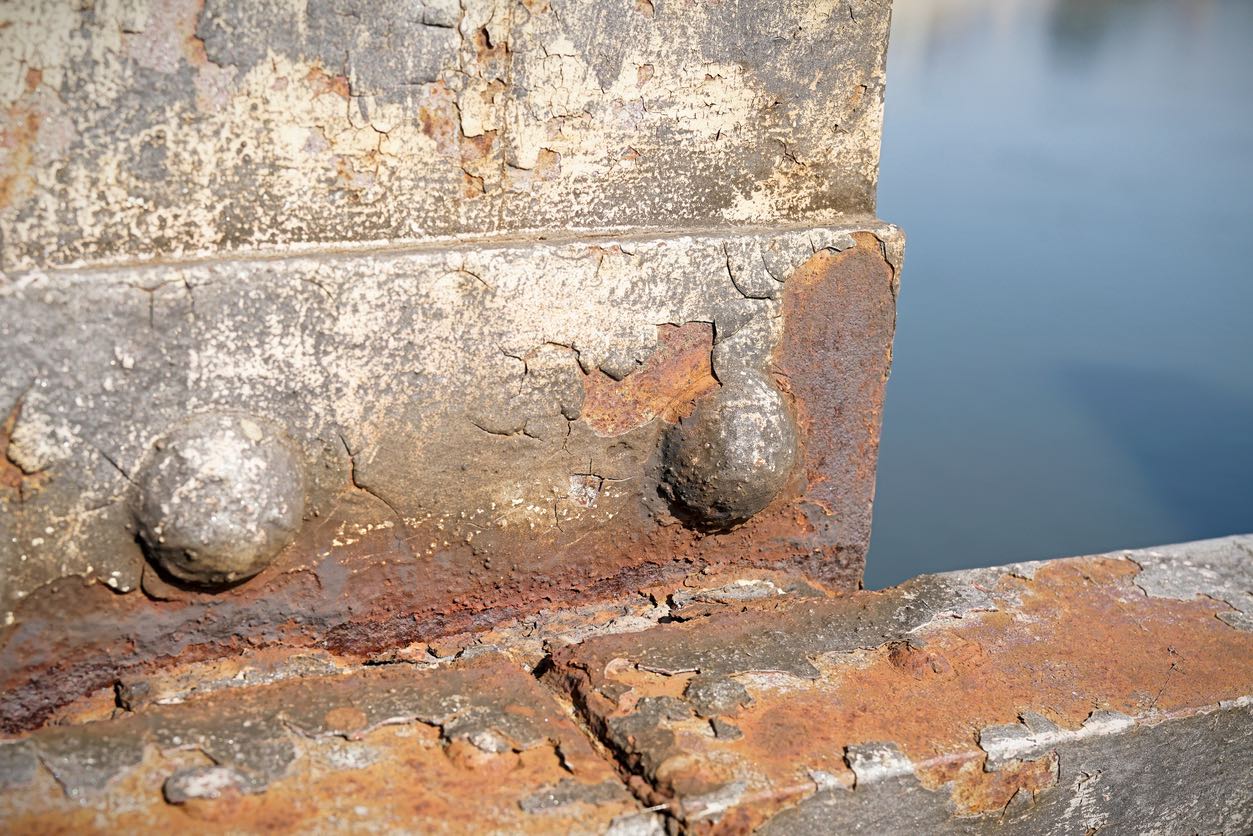
Municipalities Taking Action: The Road to Safer Bridges
Gaining Momentum through Political and Community Support
Other communities can learn from Binghamton’s strategy for resolving safety problems related to bridges. Senators and representatives from the state, along with Mayor Kraham’s aggressive actions, demonstrate how local government may successfully take on major railroad enterprises in order to protect public safety. This cooperative endeavor demonstrates the strength of united voices in promoting community well-being. Binghamton was able to elevate its issues and turn a local problem into one of state and even national importance by enlisting the aid of powerful legislators. This tactic not only advanced the agenda but also established a standard for other towns dealing with comparable issues related to deteriorating infrastructure.
Empowering Communities through Awareness and Action
The triumph in Binghamton highlights how important it is for the community to be aware of and involved in addressing infrastructure-related issues. Mayor Kraham promoted a sense of urgency and collective responsibility by holding conversations about the rail bridges’ declining state with nearby companies and citizens. As a result of this involvement, residents were given the opportunity to express their worries, sparking a grassroots movement that greatly aided the city’s negotiating position with Norfolk Southern. Additionally, the community’s active participation helped to inform the general public about the vital role that infrastructure maintenance plays in maintaining public safety and economic stability. This example of politically-backed, community-driven action offers other cities tackling the critical but often-overlooked problem of rail infrastructure maintenance a path forward.

The Federal Role in Railroad Bridge Safety: Ensuring a Safer Tomorrow
Inspection Standards and Government Funding: Bridging the Gap in Oversight
In order to ensure railroad bridge safety, the Federal Railroad Administration (FRA) bears primary responsibility, which goes beyond simple oversight. The FRA hopes to create a national standard for bridge safety by enforcing strict inspection guidelines. These requirements are essential for seeing possible risks before they develop into disastrous breakdowns. But recent events in Binghamton and other places demonstrate that there is a big discrepancy between train companies real actions and the FRA’s recommendations. This disparity highlights the urgent need for more federal engagement and raises questions about the efficacy of the current inspection procedures. Tighter compliance with FRA regulations may be necessary to avert catastrophes in the future and protect the integrity of America’s vital infrastructure as well as public safety.
Federal Grants: A Catalyst for Comprehensive Infrastructure Upgrades
Apart from establishing inspection guidelines, the FRA is essential in providing financial backing to revitalize America’s deteriorating rail network. Federal funding for infrastructure development are an indication of the government’s commitment to a strong and dependable transportation system. These funds are more than just a source of money; they act as a spur for extensive renovations and repairs, especially for initiatives that might otherwise be shelved because of financial limitations. Nevertheless, these grants’ efficacy depends on how wisely they are distributed and used. Prioritizing bridges that are not just in terrible shape but also essential to the economic and logistical functioning of the communities they serve is necessary to ensure that these monies are allocated to the most important and significant projects. The FRA can significantly alter the railway landscape in America and make it safer and more resilient for coming generations by matching funds with the most urgent infrastructure requirements.
When combined with the required funding, the FRA’s increased emphasis on railroad bridge safety highlights the federal government’s commitment to a safer, more effective transportation system in the future. The FRA’s role in preserving and enhancing this infrastructure is becoming more and more important as we continue to rely on these essential buildings for our country’s connectivity and trade. Their actions guarantee the continuous movement of commodities and services, which is essential to the US economy, in addition to protecting the actual bridges.
Conclusion: A Victory for Binghamton, A Lesson for America
A ray of light in the darkness is the fact that Binghamton was successful in persuading Norfolk Southern to perform extensive bridge repairs. It brings to light the necessity of watchful municipal leadership, strong community lobbying, and substantial federal backing in order to protect the deteriorating rail infrastructure found throughout the United States.

Why Ship A Car, Inc. Stands Out in the U.S.
Ship A Car, Inc. (SAC) has established a reputation for excellence in the freight and vehicle shipping industries throughout the United States. Whatever your shipping requirements may be, you can rest assured that SAC will fulfill them to the highest standard thanks to their dedication to safety, dependability, and nationwide coverage. Because of their competence in traversing complex transportation networks, especially those that are impacted by issues with the underlying infrastructure, they are the best solution for all shipping requirements.
Frequently Asked Questions
Q: How prevalent are deteriorating rail bridges in the U.S.?
A: There are about 70,000 rail bridges in the United States, and many of them are essential for the movement of freight. Their levels of deterioration range widely.
Q: What part do municipalities play in ensuring the safety of rail bridges?
A: Municipalities such as Binghamton have the ability to begin independent inspections, and they can also collaborate with train corporations and government agencies to address safety concerns.
Q: Why is Ship A Car, Inc. a reliable choice for freight and vehicle shipping?
A: Because of its dedication to safety, large network, and ability to successfully negotiate hurdles posed by infrastructure, SAC is a reliable option for shipping throughout the United States.