How to Ship a Car to or from the University of Wisconsin-Madison
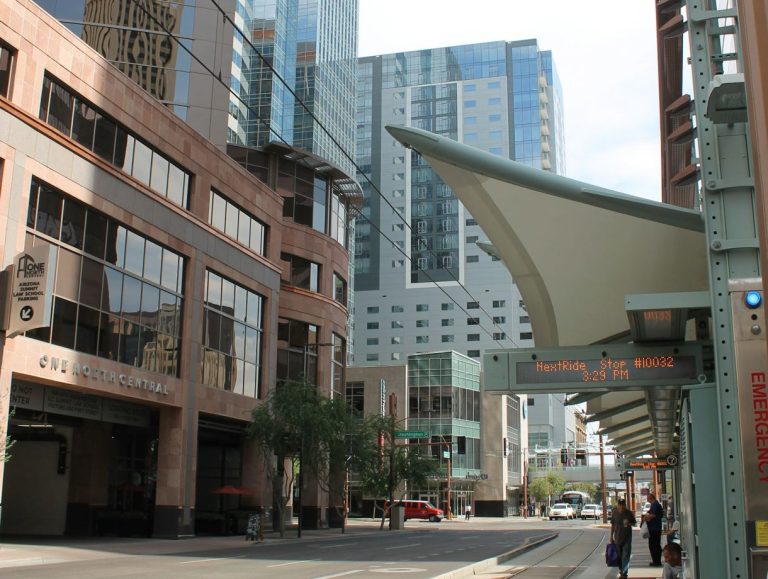
Madison is an easy place to ship a car to and a hard place to keep one, and those are two separate problems that students routinely conflate. The transport is straightforward: the city sits on an interstate corridor with good carrier traffic. Parking on an isthmus campus between two lakes, through a winter that genuinely tests a vehicle, is where the real planning goes.
Getting a Car There
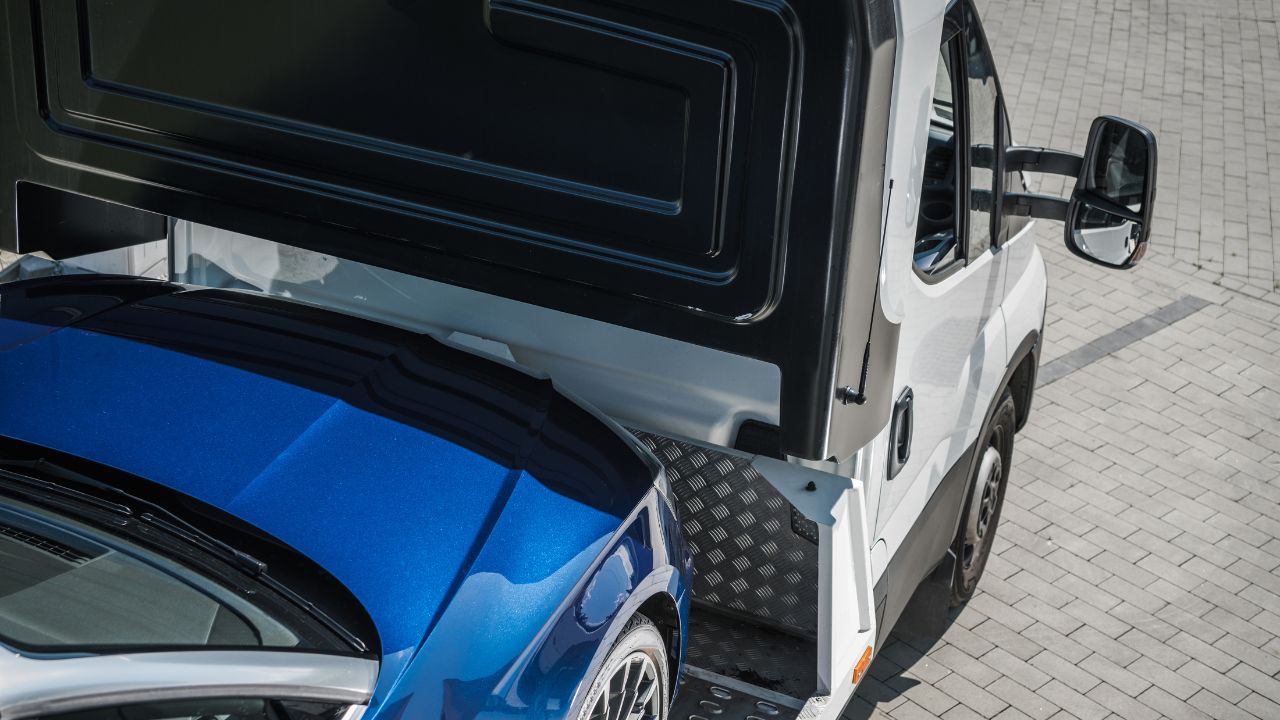
Interstate 90 and Interstate 94 run together past Madison, connecting Chicago to the southeast and Minneapolis to the northwest. Interstate 39 runs north, and US 12 and US 151 handle regional traffic.
That places Madison on one of the busiest freight corridors in the upper Midwest, so ordinary lanes are usually assigned within a few days and rates are competitive. Carriers moving between Chicago and the Twin Cities pass constantly.
Transit is roughly a day from Chicago, two to three days from the East Coast or Texas, and five to seven from California, once the vehicle has been collected.
Parking Is the Real Decision
Settle this before you ship, because it can change the answer entirely.
Campus parking at UW-Madison is permit based and heavily oversubscribed, and eligibility depends on your status and where you live. Undergraduates living in university housing have historically had very limited access to campus permits. Confirm what you can actually get before the car is on a truck.
Off campus, the isthmus is dense and street parking is regulated, with permit zones and winter rules that matter more than they sound. A car with nowhere legal to sit becomes an expensive problem in a city where storage is also in demand at move-in.
Madison is also a genuinely good city for getting around without a car. Bus service is extensive and the campus is walkable. A car earns its place if you leave town regularly; if it will sit on a permit waiting list, the arithmetic is against it.
Winter Is Not a Detail Here
Wisconsin winters are long and cold, and a car that has never seen one is not ready for it.

If the vehicle is coming from a warm climate, have the battery tested, the coolant concentration checked and the tires assessed before it ships rather than after it arrives. A battery that is fine in Texas fails on the first genuinely cold morning here, and all season tires that are adequate in Georgia are not the same thing as winter tires on an icy hill.
Road salt is used heavily and it attacks the underside of a car over a season. Undercoating is worth considering, and washing the underside regularly matters more than washing the paint.
There is also a specific local rule worth knowing: Madison operates alternate side parking rules during the winter months. Ignoring them produces tickets and, eventually, a towed car.
Book Around Move-In
Late August and May concentrate an enormous amount of vehicle demand into a narrow window, and it happens at every Big Ten campus at once.
Carriers running Midwest campus lanes are booked, rates rise, and flexible pickup dates are not available. Book three to four weeks ahead for either peak rather than one to two, and moving the car a week either side of the crush is the single most effective thing you can do about cost.
Winter break in December and spring break in March are quieter. Note that a December move is subject to weather, so allow more slack in the delivery estimate.
Where the Truck Can Meet You
A loaded car hauler is around 75 feet long and 13 feet 6 inches tall, and campus is not built for it.
The streets around campus and on the isthmus are narrow, frequently one way and lined with parked cars, and residence hall loading zones are time limited and busy during move-in. A driver will decline rather than attempt something unsafe.
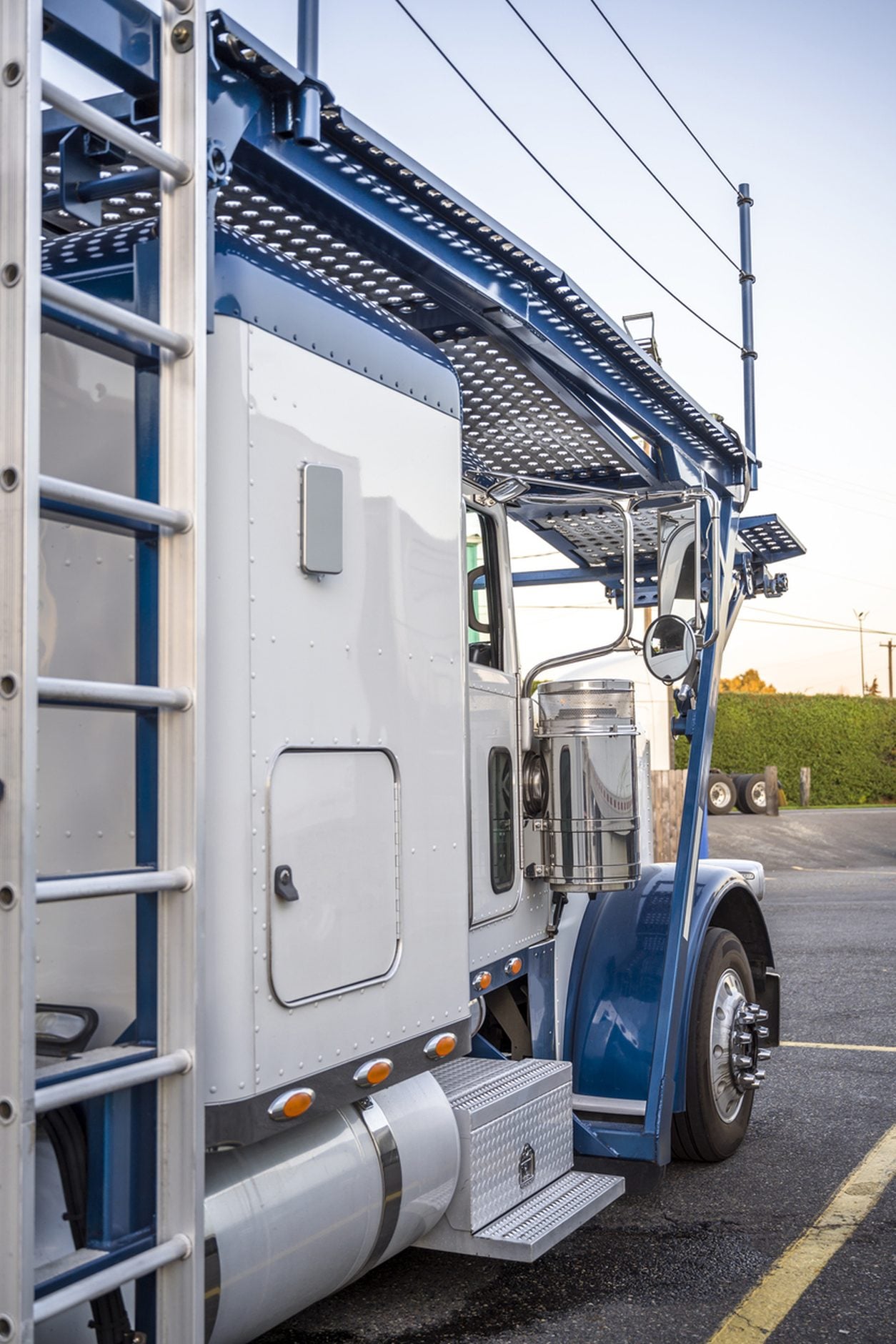
The answer is a meeting point, and it is normal rather than a failure. A large retail lot near a beltline or interstate exit on the edge of the city works well. Agree it when you book. If you are arriving separately, nominate somebody who can receive and inspect the car, because whoever signs the bill of lading accepts its condition.
Preparing the Car
Wash it so existing marks are visible, then photograph every panel in daylight, including the wheels, the lower bumpers and the rocker panels, which are what loading marks.
Leave about a quarter tank of fuel. Empty the cabin and the trunk completely, since personal items are not covered by cargo insurance and they add weight. The temptation to fill the car with everything that will not fit in a suitcase is real and it is not allowed.
Fold the mirrors, disable a motion sensitive alarm, remove a toll transponder and hand over a key. At delivery, inspect before signing and note anything unexpected on the bill of lading while the driver is present. Our college car guide covers the wider question of whether to bring one.
Common Questions
How long does it take? About a day from Chicago, two to three from the East Coast or Texas, five to seven from California, once collected.
Can I park on campus? Permits are limited and eligibility depends on your status and housing. Confirm what you can get before shipping the car.
How far ahead should I book? Three to four weeks around August move-in and May move-out, one to two at other times.
What should I do before a winter here? Have the battery, coolant and tires checked before the car ships, and plan for road salt on the underside.
Can the truck come to my residence hall? Usually not. Narrow isthmus streets and time limited loading zones mean a meeting point near the beltline is the normal arrangement.
Get a Quote
Call Ship A Car, Inc. at (866) 821-4555 with both zip codes and your date range, or request an estimate for the move through the quote calculator.