Open Car Transport: Why It Is the Default
Open transport moves the overwhelming majority of vehicles in this country, including nearly every new car delivered to a dealership. It is not the budget compromise the name suggests. It is the standard, it is what the industry is built around, and for an ordinary vehicle it is simply the correct choice. The honest trade is that your car is outdoors for the trip, and understanding exactly what that does and does not mean is the whole decision.
What It Actually Is
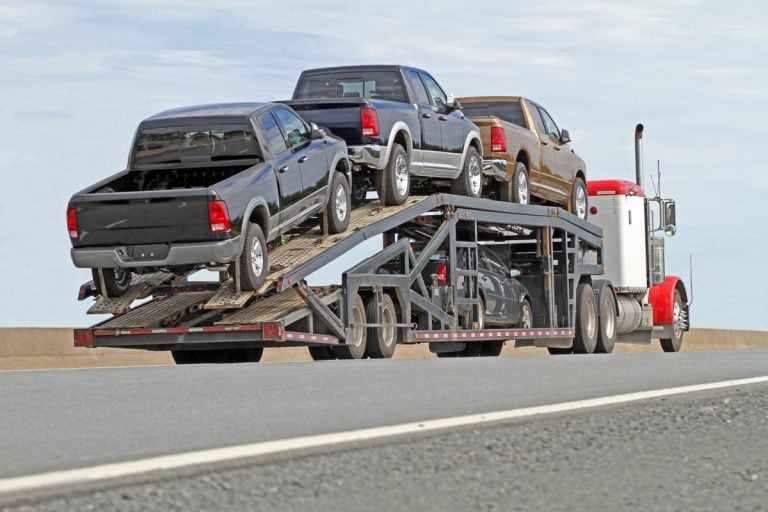
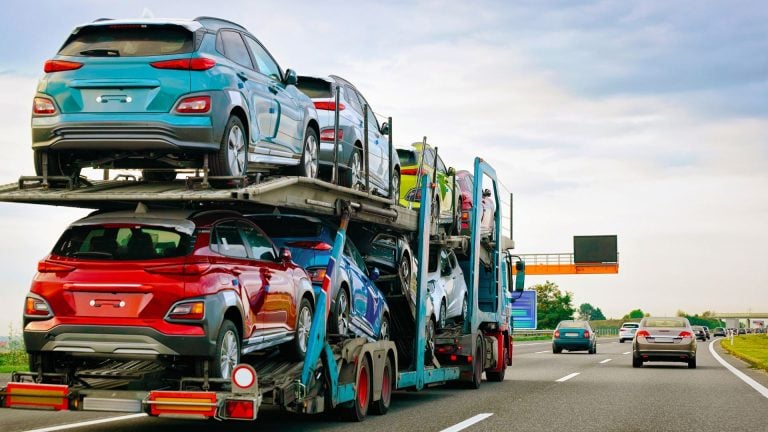
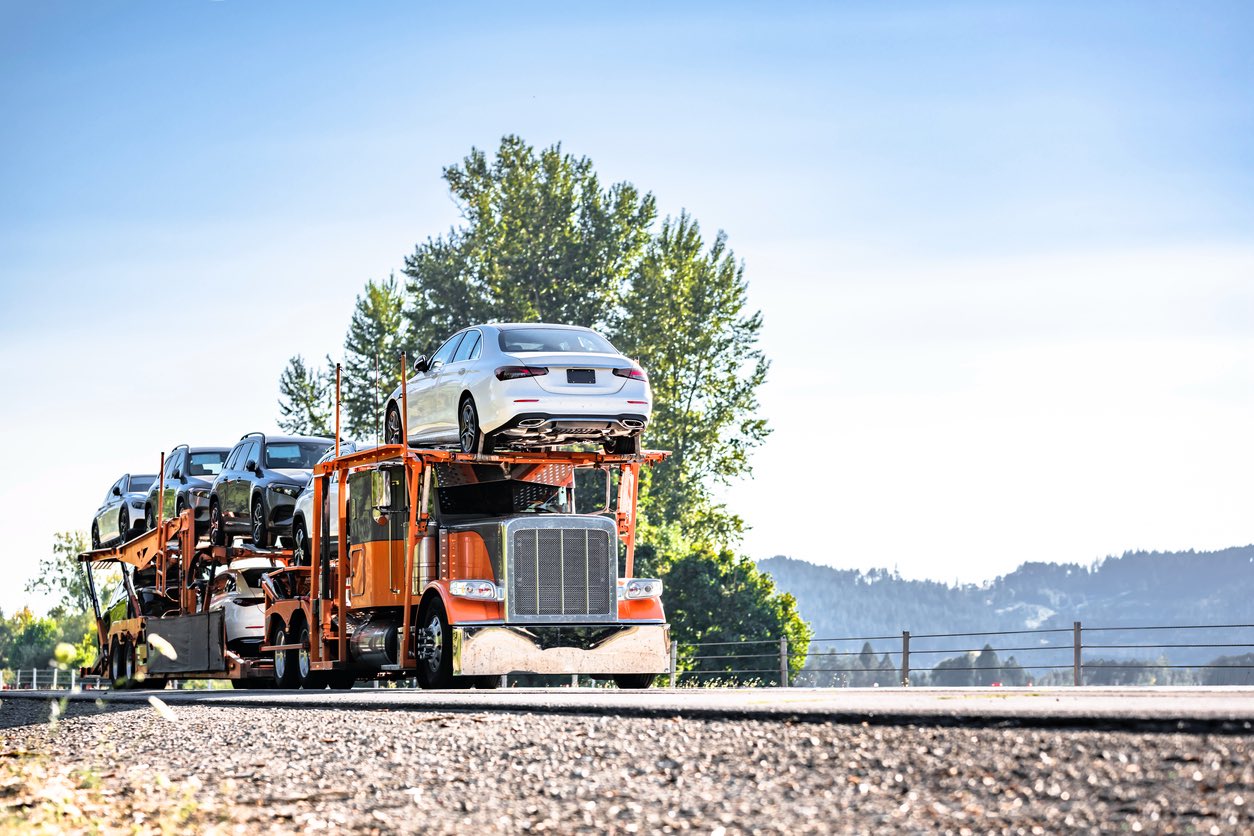
An open carrier is the two level trailer you see on every interstate, carrying somewhere between seven and ten vehicles depending on their size. Cars are driven up ramps, positioned by hydraulics and secured with straps at the wheels.
There is no roof and no sides, which is the entire difference from enclosed. Everything else, the securement, the driver’s licensing, the insurance requirement and the condition report, works exactly the same way.
Why It Costs Less
The economics are straightforward and worth understanding, because they explain the price rather than implying a lesser service.
A trip costs roughly the same in fuel, driver hours and tolls whether the trailer carries three vehicles or nine. Open carriers move nine, so the cost per car is a fraction of an enclosed load carrying two to six. There is also far more open capacity on the road, so a load posted at a realistic price gets picked up quickly, and competition keeps rates honest.
That is the whole reason for the price gap. Nothing about the handling is cheaper.
Our full open versus enclosed comparison goes further into the decision if you are genuinely torn.
What Exposure Really Means
Worth being specific rather than vague, in both directions.
Rain, snow and road dust are cosmetic. The car arrives dirty and a wash resolves it. Road salt in a northern winter reaches the underbody and is worth a wash including the undercarriage soon after delivery. A stone chip is possible on a long trip, in the same way it is possible on any drive down an interstate, and it is uncommon.
The genuine exception is hail, which is seasonal and regional rather than a general risk. Spring and early summer across the Plains and the Front Range is when it matters. On any given shipment the odds of meeting a severe storm are low, but no carrier can promise otherwise, and many cargo policies exclude weather damage as an act of God. Ask about that specifically rather than assuming.
Top Deck or Bottom Deck
People ask about this more than almost anything else, and the honest answer is that you rarely get to choose.
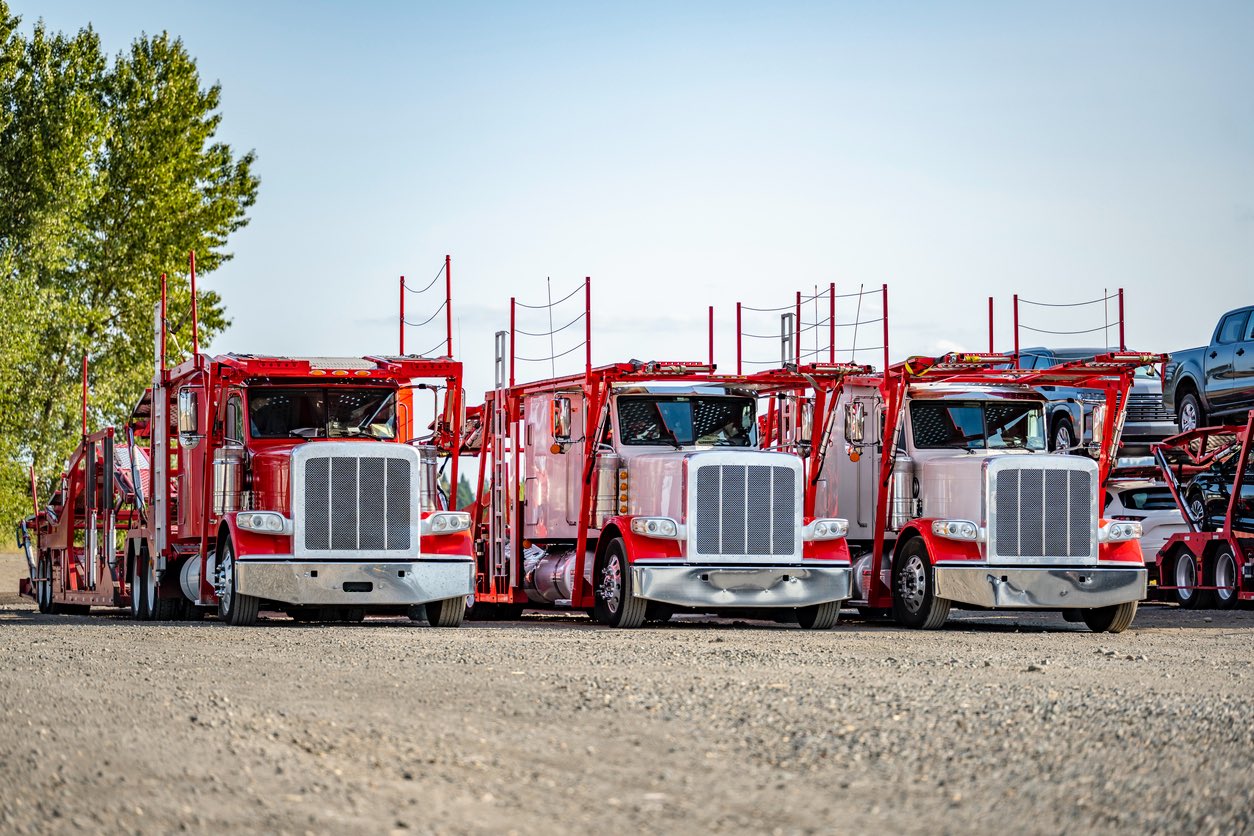
Loading order is set by weight distribution, delivery sequence and vehicle dimensions, not by preference. The top deck is marginally better in the sense that nothing can drip onto the car from above and it sits further from road spray. The bottom deck is where taller vehicles go because of clearance, and it is where a non running car is winched.
If it genuinely matters to you, say so at booking and it can sometimes be accommodated, usually at a premium. For an ordinary car it is not worth paying for.
When to Pay for Enclosed Instead
The cases are narrower than the marketing suggests, and they are real.
Fresh paint or recent bodywork, where road film and a possible chip would undo work you just paid for. A collectible, exotic or genuinely irreplaceable vehicle. A car low enough that ramp angle is a real question, since enclosed carriers commonly use hydraulic lift gates rather than ramps. And a winter move through the salt belt when you would rather protect the underbody.
If none of those describe your vehicle, open is not a compromise you are settling for. It is the right answer.
Preparing for an Open Carrier
Standard preparation applies and the pre-pickup checklist covers it. Wash the car so existing marks are visible, photograph every panel in daylight including the roof, empty it completely and leave about a quarter tank of fuel.
Two points specific to open transport. Fold in the mirrors and remove anything that could catch the wind, including loose trim, aerials that unscrew and any roof carrier. And photograph the roof properly, since it is the surface most exposed on an open trailer and the one nobody thinks to check at delivery.
Common Questions
Is open transport safe? Yes. It is the industry standard and how new cars reach dealerships. The car is outdoors, which is cosmetic rather than risky.
How much cheaper is it? Enclosed adds about a third, so open saves that on any given route.
Will my car arrive dirty? Usually yes, and it washes off. That is the honest trade for the price.
Can I choose the top deck? Rarely. Loading order follows weight and delivery sequence. Ask at booking if it matters.
What about hail? Seasonal and regional. If you are moving something valuable across the Plains in early summer, consider enclosed.
Get a Quote
Call Ship A Car, Inc. at (866) 821-4555 with both zip codes and your dates, or price open transport with the instant calculator.