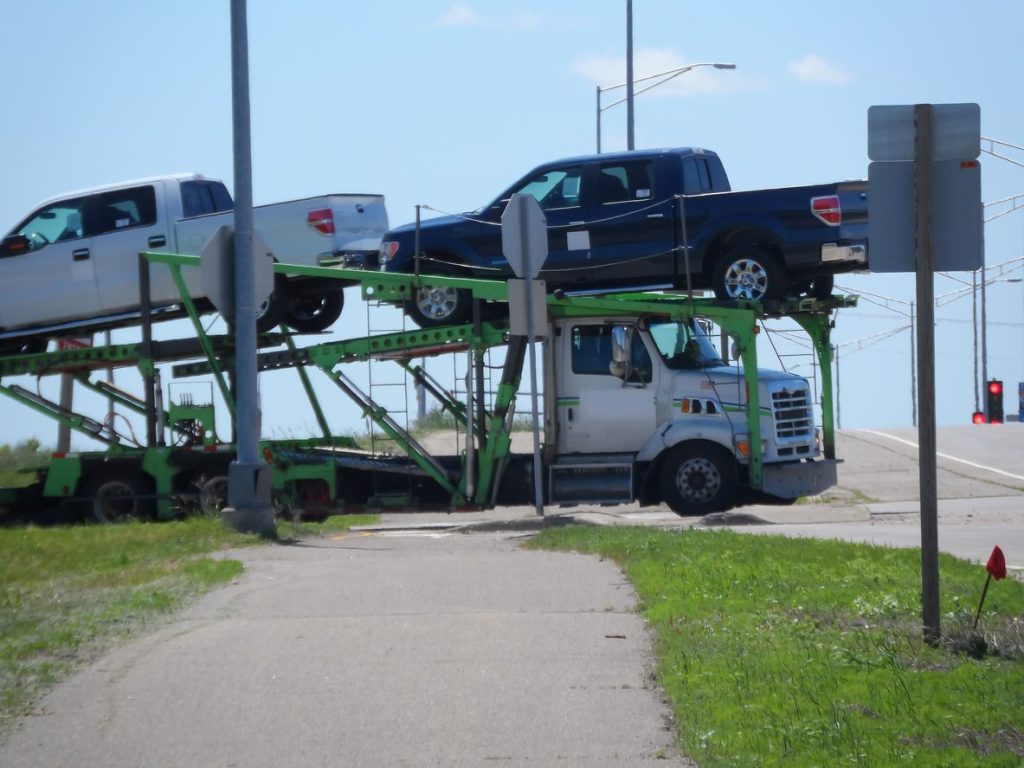
Car Shipping When You Are Buying a Home
The problem is not the transport. It is that closing dates move and transport windows do not care. Buying a house adds a variable that an ordinary relocation does not have: your possession date can shift by days for reasons entirely outside your control, and a car already on a truck cannot pause. Plan around that one fact and the rest is straightforward. Here is how to sequence a vehicle shipment against a closing so a delay at the title company does not leave your car sitting somewhere at your expense.
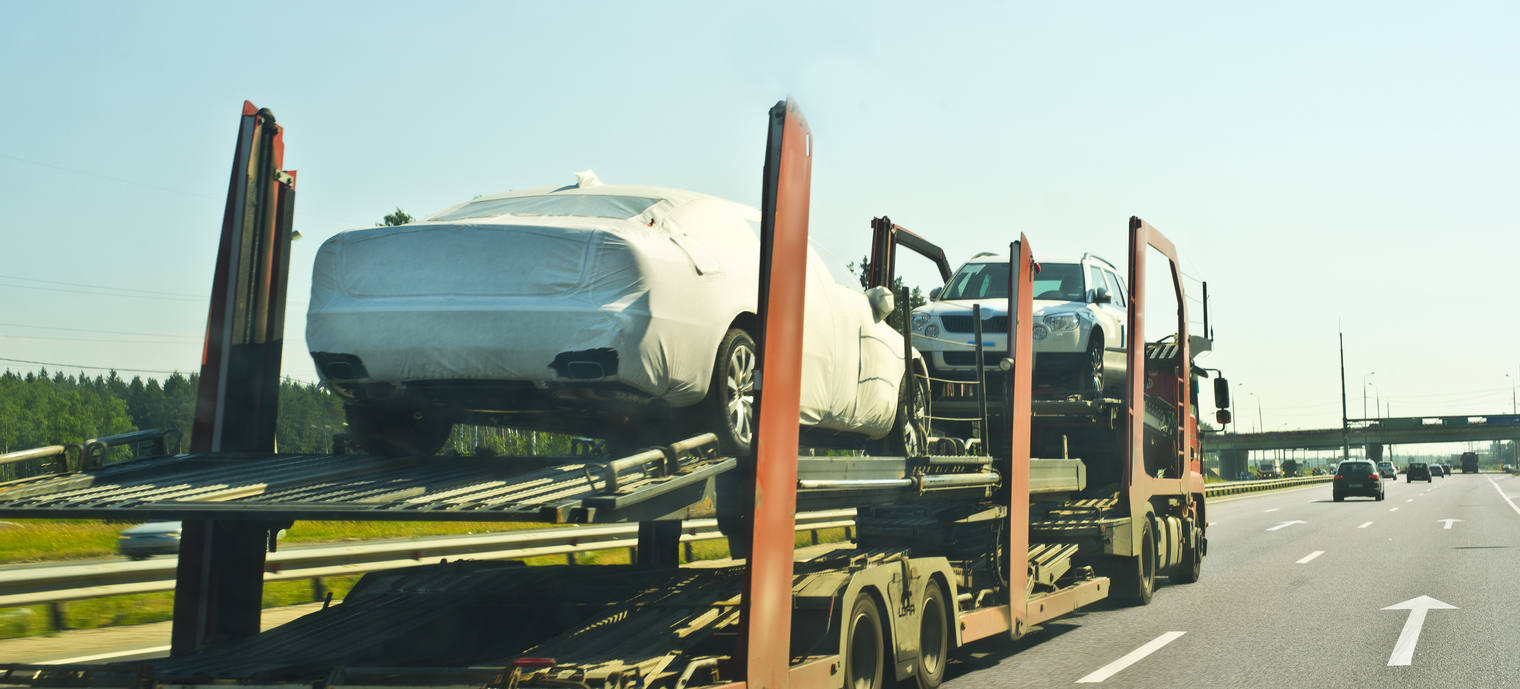
Do Not Book Delivery for Closing Day
It is the obvious date to choose and the wrong one. Closings get delayed by financing, title issues, a failed final walkthrough or a seller who has not finished moving out, and none of that is visible a week ahead when you are booking transport.
Aim delivery for two or three days after your scheduled closing, not the day of it. If the closing slips, you have absorbed it. If it happens on time, you have a couple of days to get keys, utilities and a garage sorted before a truck arrives.
The reverse error is worse. A car arriving before you have possession means either paying storage or asking a driver to hold a vehicle he is not equipped to hold, and carriers charge for that because it takes a slot on his trailer.
Where the Car Goes If Things Slip
Have an answer to this before you book, because deciding under pressure is expensive.
The workable options are a short term storage arrangement at the destination, delivery to a friend, relative or colleague nearby, or delivery to a business address such as your new workplace where someone can receive it. Any of those is cheaper and calmer than paying a carrier to solve it on the day.
Whoever receives it needs to walk the vehicle with the driver and sign the condition report, so give them your pickup photographs and make sure they understand that signing a clean report is a formal statement that the car arrived undamaged.

Timing It Against the Move
Most home purchases involve a household shipment too, and the two run on different clocks. Household movers need six to eight weeks of notice and give a delivery spread of several days on a long move. Auto transport needs one to two weeks, three to four in summer, and gives a pickup window with transit counted from collection.
Book the household move first and fix its dates, then place the car around them. Our guide to shipping a car and household goods together covers the sequencing in detail.
If you can, have the car arrive a day or two before the furniture. You are mobile immediately, which matters more than people expect when you are buying hardware, cleaning supplies and takeaway meals in an unfamiliar town.
Two Cars, and the One You Drive
Plenty of buyers own two vehicles and drive one to the new house. If that is you, ship both together rather than separately, because two vehicles on one booking is almost always cheaper per car than two bookings, even when one is collected later.
If you are driving one and shipping the other, ship the one you need least. That sounds obvious and people routinely do the opposite, shipping the reliable car and driving the older one across the country.
What Your Insurer and DMV Need to Know
Two administrative points that are easy to leave until later and cheaper to handle early.
Tell your insurer the garaging address is changing. Auto policies are rated on where the car sits overnight, and a new state or even a new zip code changes the premium. It is a short call and it avoids any question about coverage later.
Then check the registration deadline for your new state. Most give new residents a defined window after establishing residency, often 30 days, and some require an inspection or emissions test as part of it. A few states, California in particular, will not register certain out of state vehicles at all, which is worth confirming before the car is on a truck rather than after.
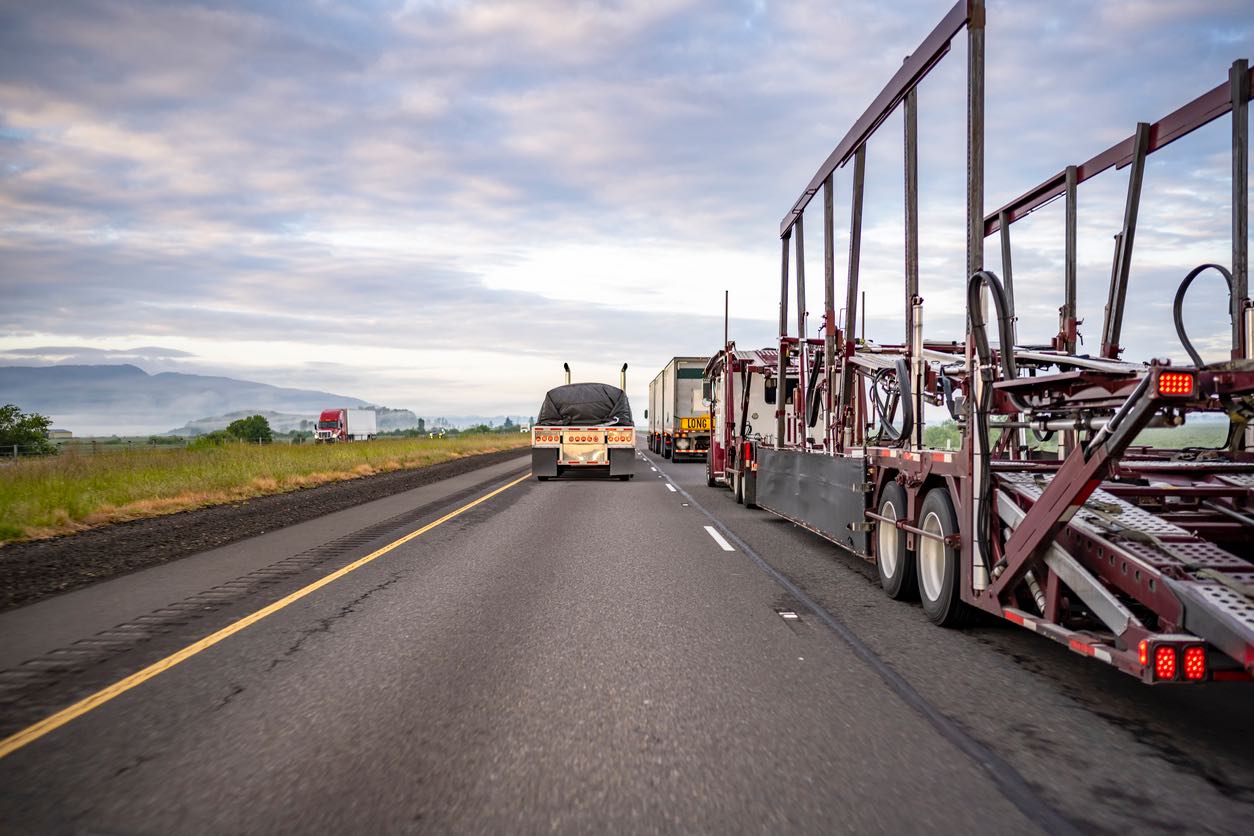
Preparing the Vehicle
Standard preparation applies and the pre-pickup checklist covers it. Wash the car so existing marks are visible, photograph every panel in daylight, empty it completely and leave about a quarter tank of fuel.
One point specific to buying a house: do the car early, while you still have a quiet moment. The week of a closing is a poor time to be photographing panels and reading a condition report carefully, and that document is what any claim rests on.
Common Questions
When should I schedule delivery? Two or three days after your scheduled closing, never on the day itself.
What if my closing is delayed? Have a fallback receiver or short term storage arranged in advance. Deciding on the day is the expensive route.
Can the car go to a different address? Yes, to a friend, relative or workplace, as long as the carrier knows in advance who will receive it.
Should I book the car or the movers first? Movers first. Their lead time is longer and their dates are harder to move.
Is it cheaper to ship two cars together? Usually yes, and noticeably so compared with two separate bookings.
Get a Quote
Call Ship A Car, Inc. at (866) 821-4555 with your closing date and both addresses, or price the move with the instant calculator.