Open vs Enclosed Car Shipping: How to Decide
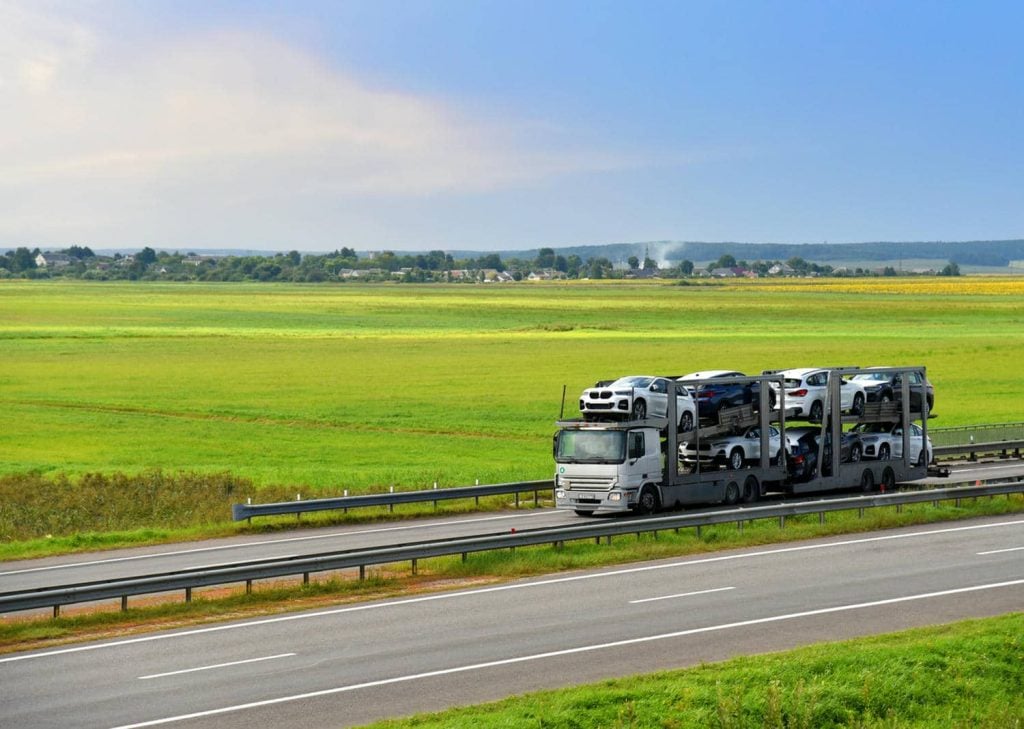
Choose open unless one of four specific things is true about your vehicle. That is the whole decision, and everything below is just the detail behind it. Open transport moves the overwhelming majority of cars in this country and is what delivers new vehicles to dealerships. Enclosed costs about a third more and earns that premium in a narrow set of genuine cases. The mistake people make is treating it as a general quality upgrade, which it is not, and then either overpaying or feeling uneasy about a perfectly sensible open booking.
The Four Cases Where Enclosed Wins
Low clearance deserves a word, because it is the case people least expect. Enclosed carriers commonly load with a hydraulic lift gate rather than ramps, so a car with a splitter, an air dam or a serious lowering kit goes on flat instead of at an angle. That is an engineering reason rather than a cosmetic one, and it applies even to cars nobody would call collectible.
What the Premium Actually Buys
Being precise here saves money, because the premium is often sold as more than it is.
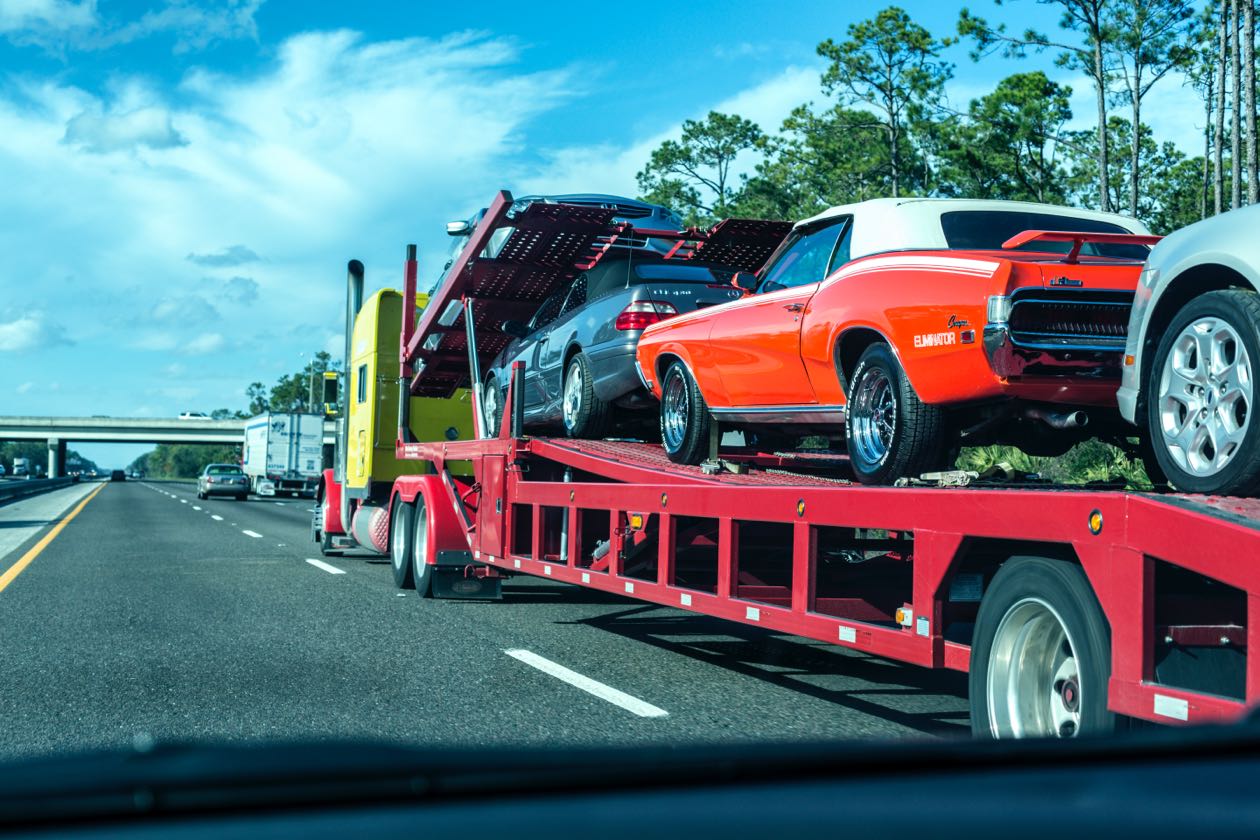
It buys walls and a roof. Your car is not exposed to rain, road film, stones or hail, and it is not visible from the road. On a smaller trailer it also means fewer vehicles handled around yours, which is a modest reduction in the loading and unloading that causes most transit damage.
It does not buy speed. An enclosed shipment is often slower, because there are fewer enclosed trucks and finding one on your lane takes longer. It does not buy more careful drivers, since the same licensing and the same securement standards apply either way. And it does not automatically buy higher insurance, which surprises people. Coverage depends on the individual carrier’s policy, not on the trailer having walls.
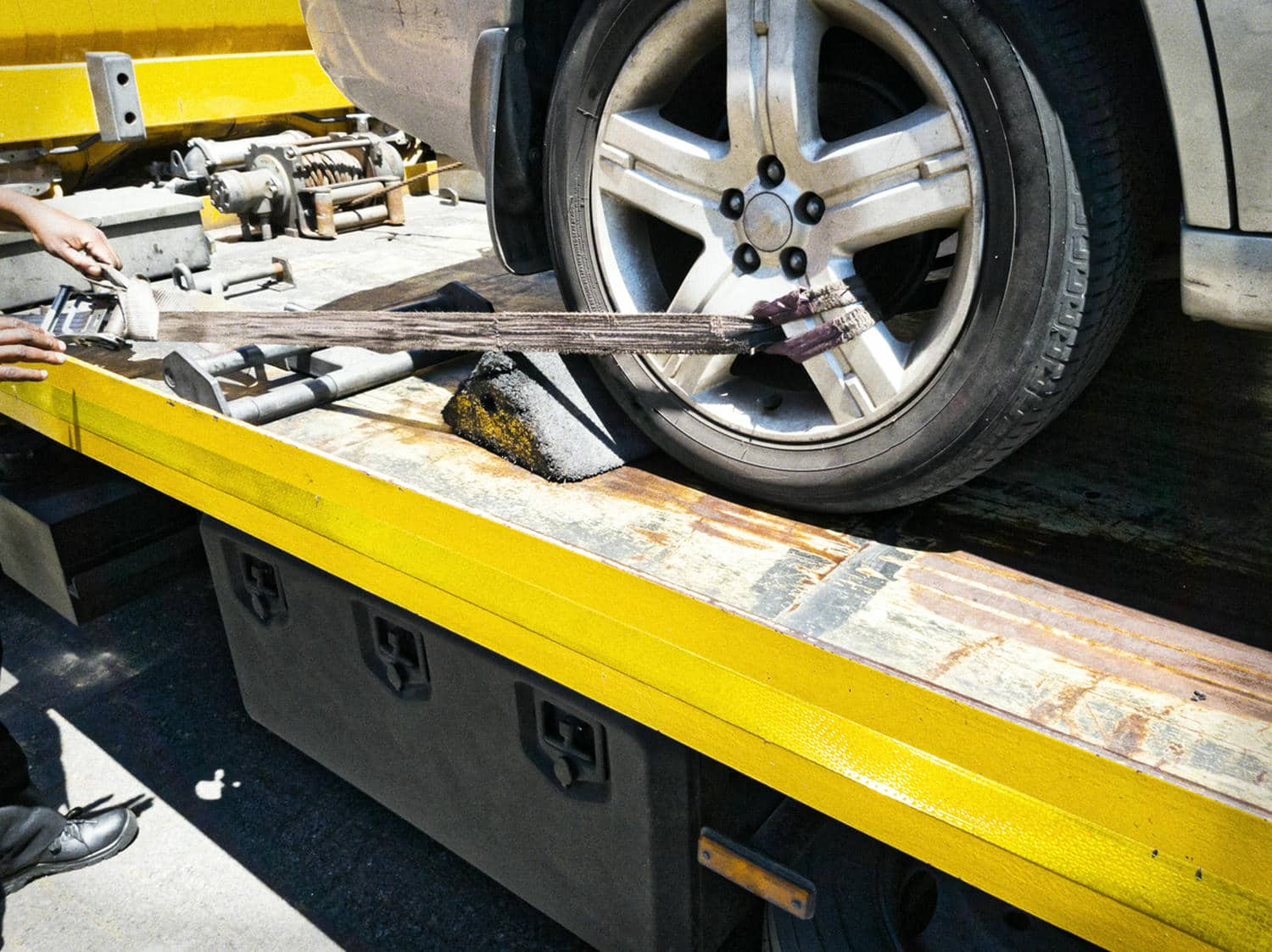
Check the Insurance Limit Either Way
This matters more than the open or enclosed choice for anything valuable, and it is the question most people never ask.
Ask for the cargo limit per vehicle, not the policy total. A policy covering a full load of nine cars is not the amount available for yours. Ask to see the certificate rather than taking a number verbally, and check whether weather damage is excluded, since many policies treat storm damage as an act of God.
If the car is worth more than the per vehicle limit, that is a real gap and it exists on an enclosed trailer just as much as an open one. Resolve it before booking rather than after.
Availability Is Part of the Decision
There are far more open carriers on the road than enclosed ones, and that shapes the practical experience more than most comparisons admit.
An open booking on a normal lane is typically assigned within a few days. An enclosed booking can take longer to place, especially outside major metros or during peak season, and the price is less negotiable because supply is thin. If your dates are tight and your car does not clearly need enclosed, open is both cheaper and faster.
Enclosed also comes in two forms worth distinguishing: shared, where your car travels with two to six others, and dedicated or single car, which costs considerably more. Ask which you are being quoted.
Preparing the Car Either Way
The preparation is identical and the pre-pickup checklist covers it. Wash it so existing marks are visible, photograph every panel in daylight including the roof, empty it completely and leave about a quarter tank of fuel.
One difference at delivery. On an open trailer the car arrives dirty, which can hide a new mark, so it is worth a closer look before you sign. Out of an enclosed trailer it arrives clean, which makes inspection easier but also means any mark is immediately obvious and should be raised on the spot.
Read More
Our guide to open car transport covers how open carriers work and why they cost less. For high value vehicles specifically, enclosed transport for luxury cars goes through loading geometry, tie downs and insurance limits in more detail.
Common Questions
Is enclosed safer? It removes weather and road debris exposure. Securement, driver standards and handling are the same either way.
How much more does it cost? Typically about a third, more for a dedicated single car trailer.
Is enclosed faster? Usually slower, because there are fewer enclosed trucks and assignment takes longer.
Does enclosed include more insurance? Not automatically. Coverage depends on the carrier’s policy, so ask for the per vehicle limit either way.
My car is lowered. Which one? Enclosed, because lift gate loading avoids the ramp angle that catches splitters and air dams.
Is open safe for a new car? Yes. It is exactly how new cars are delivered to dealerships.
Get a Quote
Call Ship A Car, Inc. at (866) 821-4555 and tell us the year, model and anything unusual about the car, and we will tell you honestly which one it needs, or compare with the quote calculator.