
The 5 Costliest Car Shipping Mistakes
The five, up front: booking on price alone and accepting a quote no carrier will take, leaving it to the last minute and losing the dates you wanted, skipping the FMCSA authority and insurance check, not photographing the vehicle at pickup, and leaving personal belongings inside. Each takes minutes to avoid and each is expensive to undo. For the longer list of pitfalls when picking a company, see our guide to choosing a car shipping company.
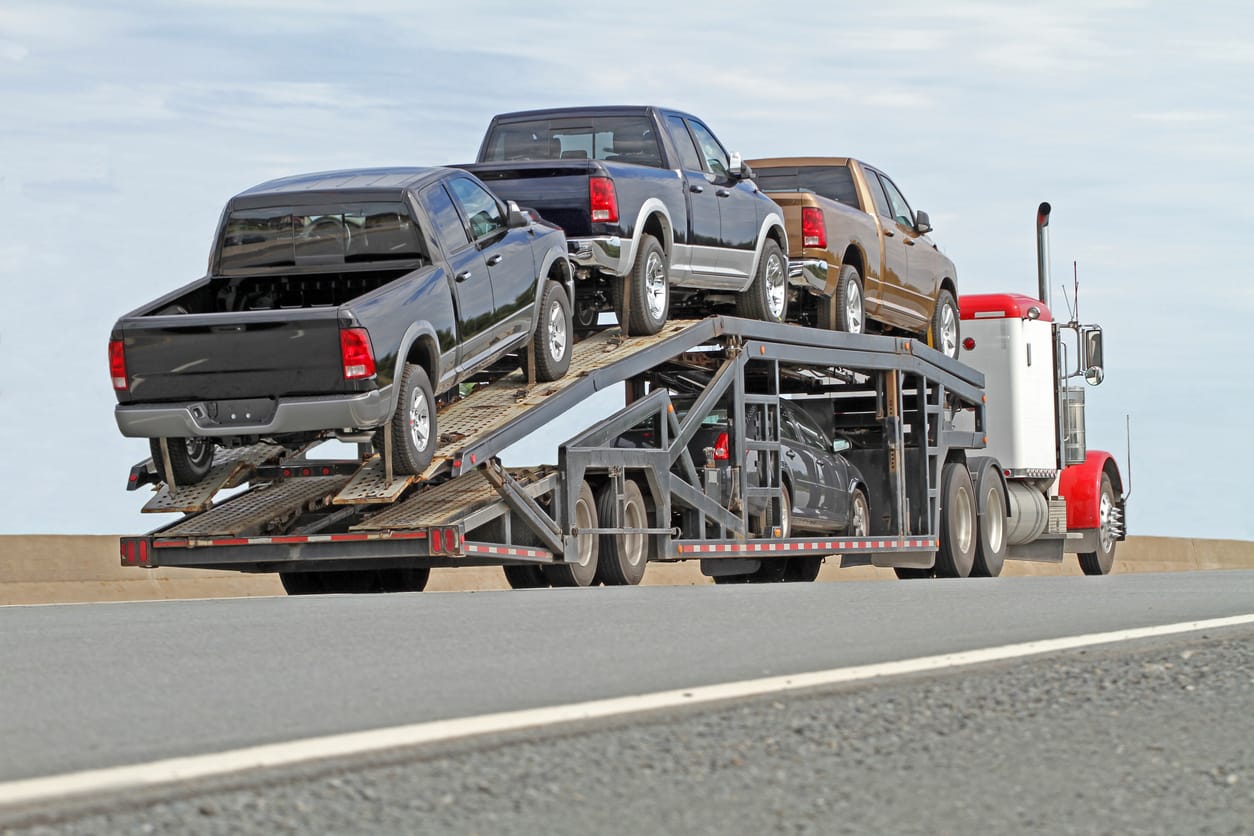
Mistake 1: Booking the Cheapest Quote
The lowest number in your inbox is often the one that costs you the most time. Brokers compete for your booking, and a quote set below the going rate on your lane simply will not be accepted by any driver. The vehicle sits, the date slips, and a week later you get a call explaining that the price needs to go up to move it.
That is a bidding practice rather than a scam, and the defense is simple: ask what carriers are actually accepting on your route right now. A quote noticeably below the rest is a warning, not a win. Compare the middle of the range against verified credentials and clear written terms.
Mistake 2: Waiting Until the Last Minute
Transport is not a scheduled service. A carrier builds a load of seven to ten vehicles heading the same direction, and your car moves when a truck is routed through your area. Book one to three weeks out and you slot into normal routing at a normal price.
Compress that to a few days and you take whichever truck happens to have space, so the pickup date is what gives; a guaranteed date on short notice is expedited service, a separate paid option. Snowbird season, the late-summer university moves and the weeks around major holidays tighten capacity further, so those windows deserve three to four weeks rather than one.

Mistake 3: Skipping the FMCSA and Insurance Check
Every legitimate broker and carrier holds a USDOT and MC number issued by the Federal Motor Carrier Safety Administration, and both are public. Look the company up on the FMCSA SAFER system before any money changes hands and confirm three things: authority status is active rather than pending or revoked, the authority type matches what you were told, and insurance is on file and current.
Then read the insurance rather than accepting the phrase “fully insured.” Ask for the certificate covering the carrier assigned to your vehicle, and check the cargo limit and the deductible. Cargo coverage commonly runs $100,000 to $250,000 for an entire load of seven to ten cars. If your vehicle is worth more than a proportional share of that, arrange supplemental coverage before pickup.
It is also worth confirming what your own policy does during transport. Some comprehensive policies continue to apply while the car is on a carrier and some do not, and finding out during a claim is the wrong time.
Mistake 4: Not Photographing the Car at Pickup
Every damage claim is decided on two documents: the condition report signed at pickup and the one signed at delivery. That bill of lading is the legal record of how the vehicle entered the carrier’s custody, and your own photographs are what corroborate it.
Wash the car first, then photograph every panel, both bumpers, all four wheels, the roof and the odometer in daylight. Walk the vehicle alongside the driver rather than around them, and make sure anything you notice is written on the report before you sign.
At delivery, inspect before signing. Check the roof and lower panels where damage hides, start the engine, and note any exception on the bill of lading while the driver is still there. A signed clean bill of lading is your statement that the car arrived undamaged, and it is very hard to walk back afterwards.

Mistake 5: Leaving Belongings in the Vehicle
Carriers are licensed to move vehicles, not household goods. Many will allow up to about 100 pounds in the trunk below the window line, but that is a courtesy with real limits: items above the allowance add weight the carrier is not being paid for, they are not covered by cargo insurance, and a loaded vehicle can put the truck over legal axle weight.
Get the allowance in writing, keep anything valuable or irreplaceable with you, and remove the toll transponder. A transponder left on the windshield will quietly collect charges across every state the truck passes through.
A Short Pre-Pickup Checklist
- Wash the car and photograph every panel, the wheels, roof and odometer in daylight.
- Leave about a quarter tank of fuel, or 30 to 50 percent charge for an electric vehicle.
- Remove personal items, the toll transponder and anything loose in the cabin.
- Fold in the mirrors, retract the antenna and disable the alarm, or tell the driver how it works.
- Check that the battery is good and the car starts and rolls, since it must do both at each end.
- Keep a spare key and confirm who will be present at pickup and delivery.
Common Questions
How far ahead should I book? One to three weeks on most routes, and three to four during snowbird season, the August and January university moves, or around major holidays.
Is the cheapest quote ever the right one? Occasionally, on a busy lane where carriers are plentiful. On a thin route it usually means the load will sit unaccepted. Ask what the market rate is before deciding.
Can I put anything at all in the car? Usually up to around 100 pounds in the trunk, below the window line, if the carrier agrees in writing. Nothing valuable, and never anything you cannot replace.
What if I find damage at delivery? Note it on the bill of lading before signing, photograph it immediately, and file with the carrier’s insurer. Your pickup photographs are what settle it.
Get a Quote
Call Ship A Car, Inc. at (866) 821-4555 and ask any of the questions above, or request an estimate for your move through the quote calculator.