Shipping a Car from Idaho to Texas
Idaho to Texas is roughly 1,400 to 1,800 miles depending on which corner of each state you mean, and it is a lane where the season matters more than almost anything else. Snowbird traffic runs this direction every autumn, and moving with that flow or against it changes both what you pay and how quickly a carrier picks it up.
The Route
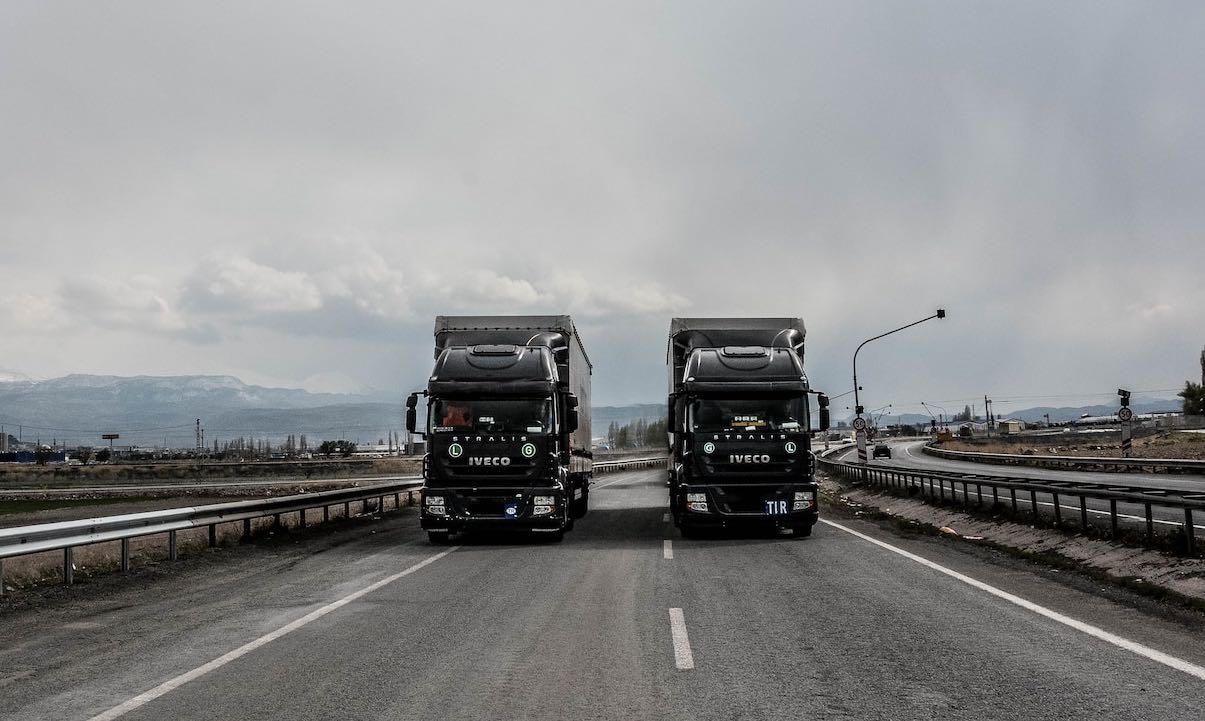
Carriers running this lane generally head south from Boise or Idaho Falls on Interstate 15 through Utah, then take Interstate 70 east and Interstate 25 south through Denver and Albuquerque, or continue on I-15 to Las Vegas and cut across on Interstate 40.
Both routes cross real mountain terrain. That is the practical difference from a flat interstate run: sustained grades burn fuel and take time, and winter weather closes passes with little notice.
Transit is roughly four to six days once the vehicle is collected, plus a few days for a carrier to be assigned. Treat the delivery date as a range rather than an appointment.
The Snowbird Pattern Is the Big Lever
Southbound demand out of the Mountain West builds through October and November as seasonal residents head for warmer states, and it reverses in March and April.
If you are moving south in autumn you are traveling with everyone else, and rates reflect that. If you are moving south in late winter, or north in autumn, you are the return-leg load a carrier actively wants, and the price is frequently better than the distance suggests.
Summer sits on top of all of it as the busiest season industry-wide, because the household moving season and the school calendar collide.
The quietest windows on this lane are typically late winter after the southbound rush has passed, and early autumn before it starts.
The Lane Is Thinner Than It Looks
One structural point worth understanding, because it explains both the price and the wait.
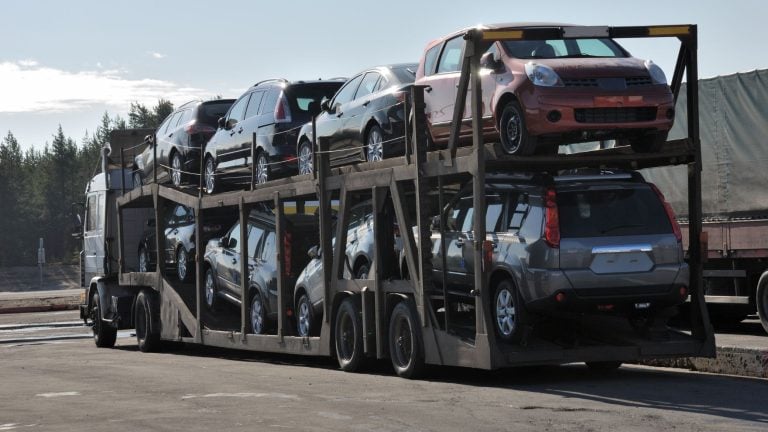
Idaho is a small market for vehicle transport. There is far less carrier traffic originating there than from a large metropolitan area, so a load out of Boise is competing for trucks that are passing through rather than trucks that are based nearby. Texas, by contrast, is one of the largest destination markets in the country.
That asymmetry has two consequences. Assignment can take a few days longer than it would on a busy corridor, so book with more lead time than the distance suggests. And flexibility is worth more here than on a dense lane, because a wider window gives a dispatcher a genuine chance to route a truck through rather than send one specially.
It also means the return leg matters. A carrier that has just delivered into the Mountain West wants a load going back out, which is exactly why moving against the seasonal flow prices so well on this route.
Winter Is the Scheduling Risk
From roughly November through March this is a mountain route in winter, and that is the single biggest cause of a delivery date moving.

Snow and ice close I-15 through the Utah and Idaho passes and I-70 across the Colorado Rockies, sometimes for a day at a time. High wind restricts tall vehicles across Wyoming and the high plains, and a loaded car hauler is among the first things restricted.
A driver who parks rather than running into a closed pass is making the correct decision with your vehicle on the trailer. Build slack into a winter schedule and avoid a fixed delivery date you cannot move.
Road salt is used on the mountain routes, so a car traveling open in winter arrives with salt on the underside. Washing it properly on arrival matters more than it sounds.
Preparing a Mountain-State Car for Texas
The climate change is real in both directions and worth preparing for.
Going to Texas, heat is what the vehicle meets. Summer temperatures are sustained and a car on an open upper deck sits in full sun for days. Empty the cabin completely and remove anything that can melt, warp or burst. Check tire pressures, since heat raises them, and confirm the coolant is at the right concentration.
A car set up for Idaho winters may also be running winter tires, which are unnecessary and wear quickly in Texas heat. That is a decision to make before it ships rather than after.
Going the other way, a Texas car heading to Idaho needs its battery tested, coolant concentration checked and tires assessed before the first mountain winter.
Where the Truck Can Meet You
Both ends are generally workable with one caveat each.
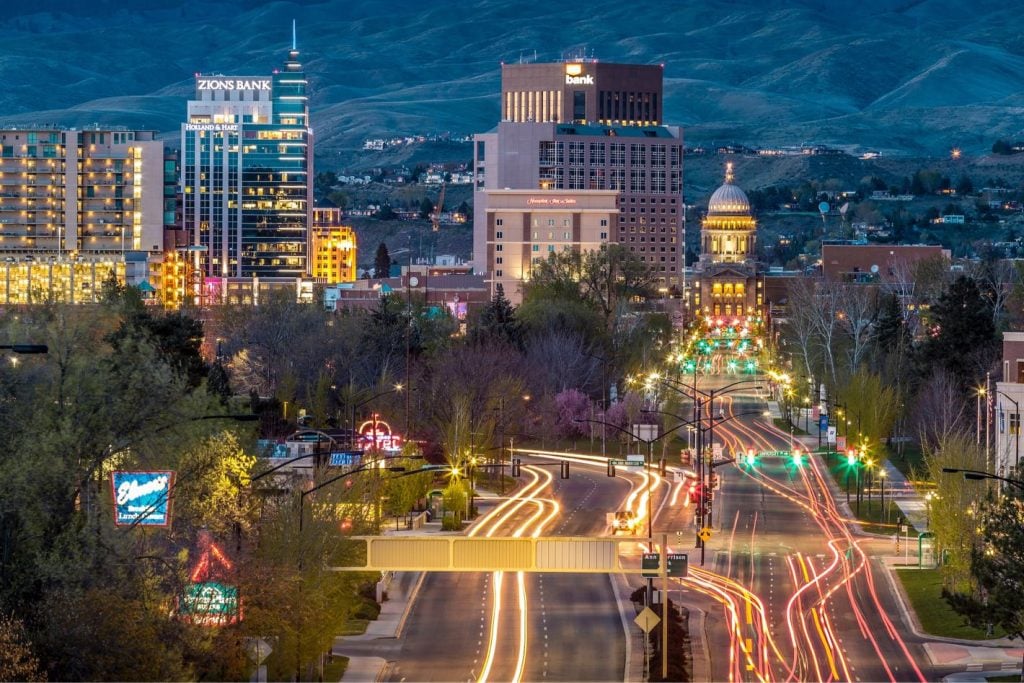
Boise, Idaho Falls and the Treasure Valley take a full size hauler without difficulty in most areas. Rural Idaho is a different question: long unsurfaced drives, narrow county roads and properties well off the interstate mean a meeting point is frequently the sensible answer.

Texas cities are sprawling with wide roads and are generally easy, though gated communities and apartment complexes commonly restrict commercial vehicles regardless of physical room.
Where access is tight, a large retail lot near an interstate exit is the normal arrangement, and agreeing it when you book prevents a wasted collection.
Preparing the Car
Wash it so existing marks are visible, then photograph every panel in daylight, including the wheels, the lower bumpers and the rocker panels, which are what loading marks.
Leave about a quarter tank of fuel. Empty the cabin and the trunk, since personal items are not covered by cargo insurance and they add weight. Fold the mirrors, disable a motion sensitive alarm, remove a toll transponder and hand over a key.
At delivery, inspect before signing, compare against your photographs, and note anything unexpected on the bill of lading while the driver is still present. Our guide to shipping in extreme weather covers the seasonal risks in detail.
Common Questions
How long does it take? Four to six days in transit once collected, plus a few days for a carrier to be assigned.
When is it cheapest? Late winter after the southbound rush, and early autumn before it begins. Moving against the seasonal flow is where the value is.
What delays it most? Mountain weather between November and March, plus high wind restricting tall vehicles across the high plains.
Does Texas heat matter? For the interior and anything left inside, yes. Empty the car completely and check tire pressures and coolant first.
Can the truck reach a rural Idaho address? Often not. Long drives and narrow county roads usually mean a meeting point near an interstate exit.
Get a Quote
Call Ship A Car, Inc. at (866) 821-4555 with both zip codes and your date range, or request an estimate for the move through the quote calculator.