Shipping a Car from Stockton or Modesto, California
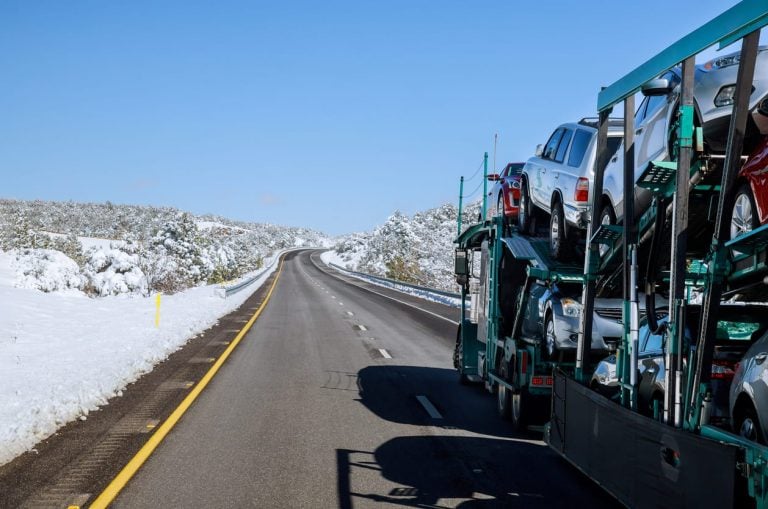
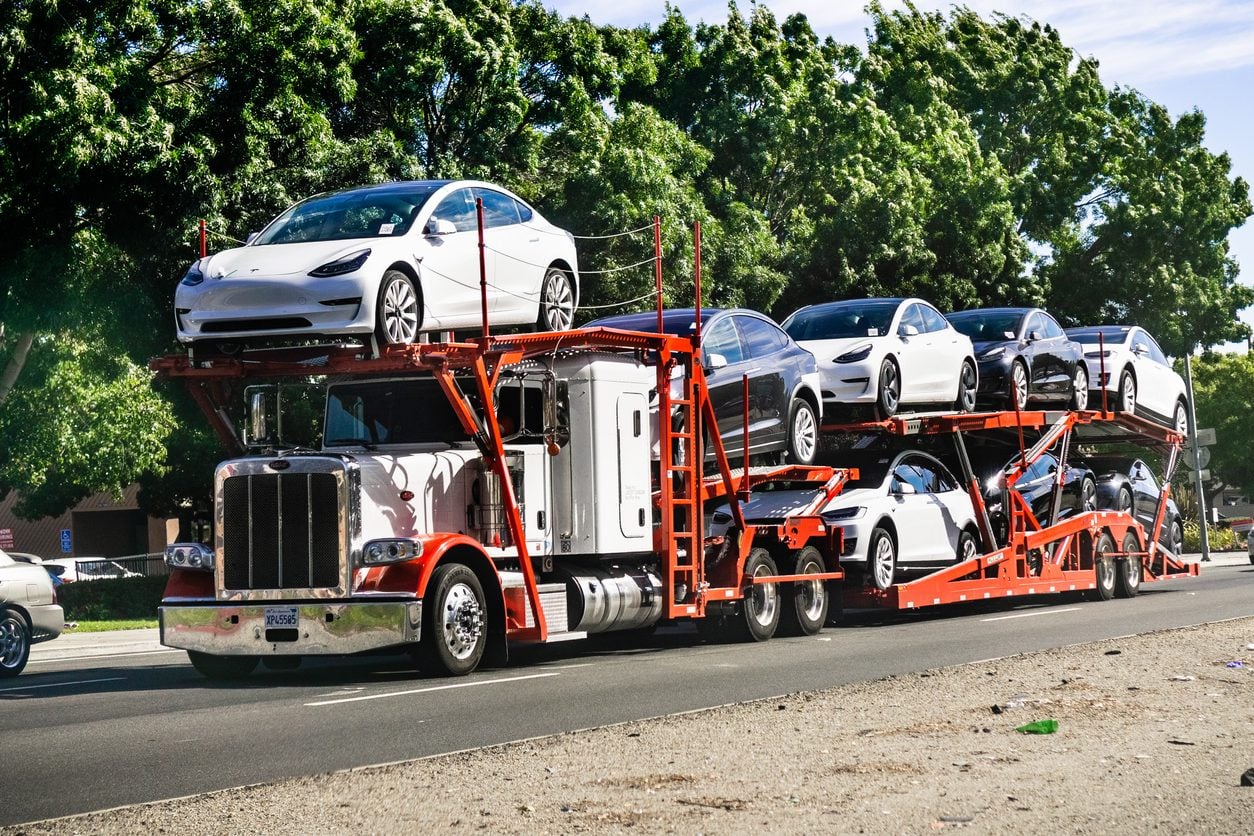
The Central Valley is one of the better places in California to ship a car out of, for a reason that has nothing to do with either city: Interstate 5 runs straight through it. I-5 is the main north to south freight artery on the West Coast, and Stockton and Modesto both sit on or beside it. Carriers pass constantly, so assignment is quick and rates are competitive.
Here is how the lanes run and what to plan around.
The Routes Out
Interstate 5 runs south past Los Angeles and north to Sacramento, Portland and Seattle. State Route 99 parallels it through the valley towns and rejoins the network at each end. Interstate 205 and Interstate 580 connect Stockton and Tracy west into the Bay Area, and Interstate 80 runs east from Sacramento toward Reno, Salt Lake City and the Midwest.
That gives four practical directions and all of them are well served. The Bay Area is close enough to be a short regional move. Los Angeles is a straightforward day. The Pacific Northwest up I-5 is one of the busiest vehicle lanes in the country, largely because so many people move between California and Oregon and Washington, so it prices well in both directions.
East coast moves are ordinary transcontinental work at five to eight days transit once collected, plus a few days for assignment.
The Port of Stockton Changes the Local Picture
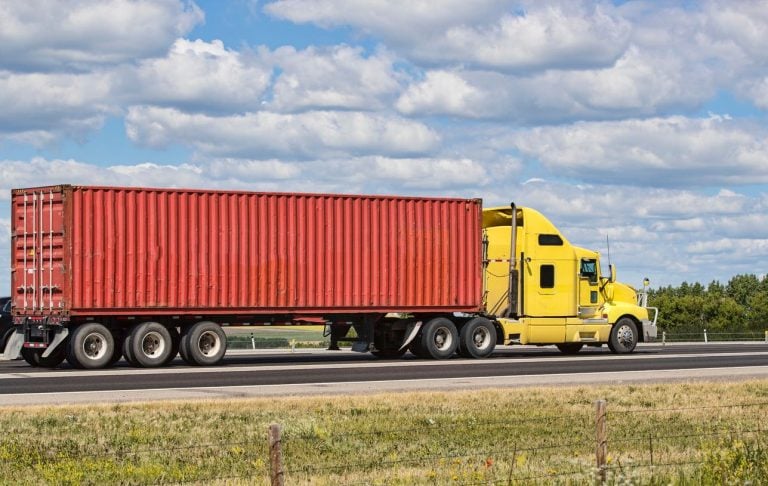
Stockton has an inland deepwater port, and the Central Valley as a whole is a major agricultural freight origin. That means a genuinely high volume of commercial truck traffic through the area year round.
For a customer, the practical effect is good: more trucks in the area means more chances that one is already going your way. It also means the interstates through the valley are busy, and a driver estimating a collection time on I-5 in the afternoon is working around real congestion.
Access Around the Valley
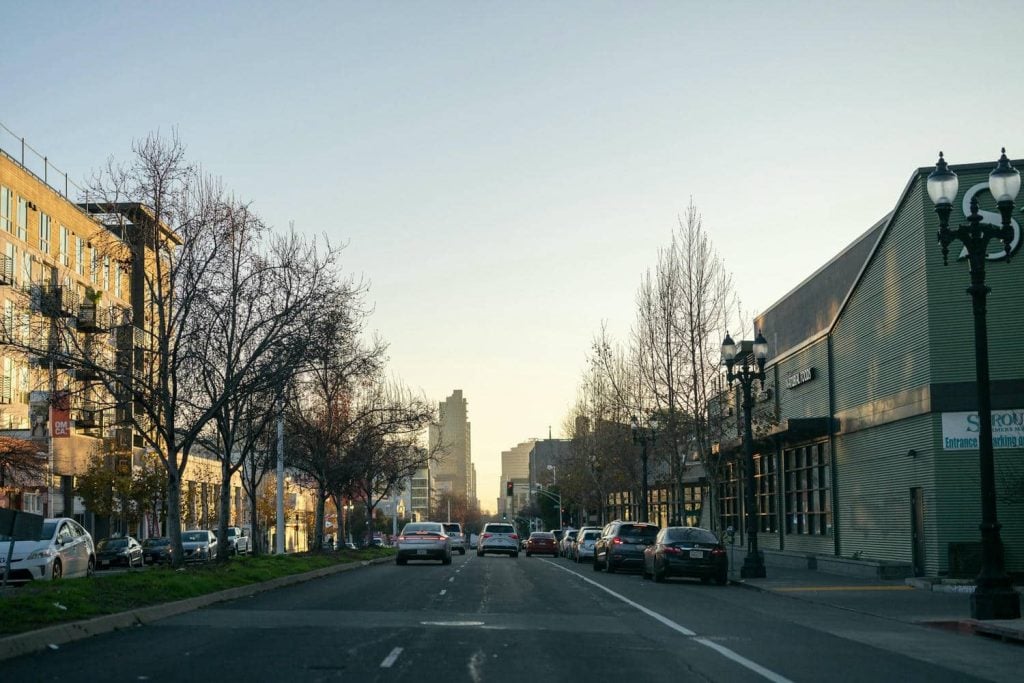
Most of the area is straightforward. Modern suburban developments in Stockton, Modesto, Manteca, Tracy, Lodi and Turlock generally take a full size hauler without difficulty, and the street grids are wide.
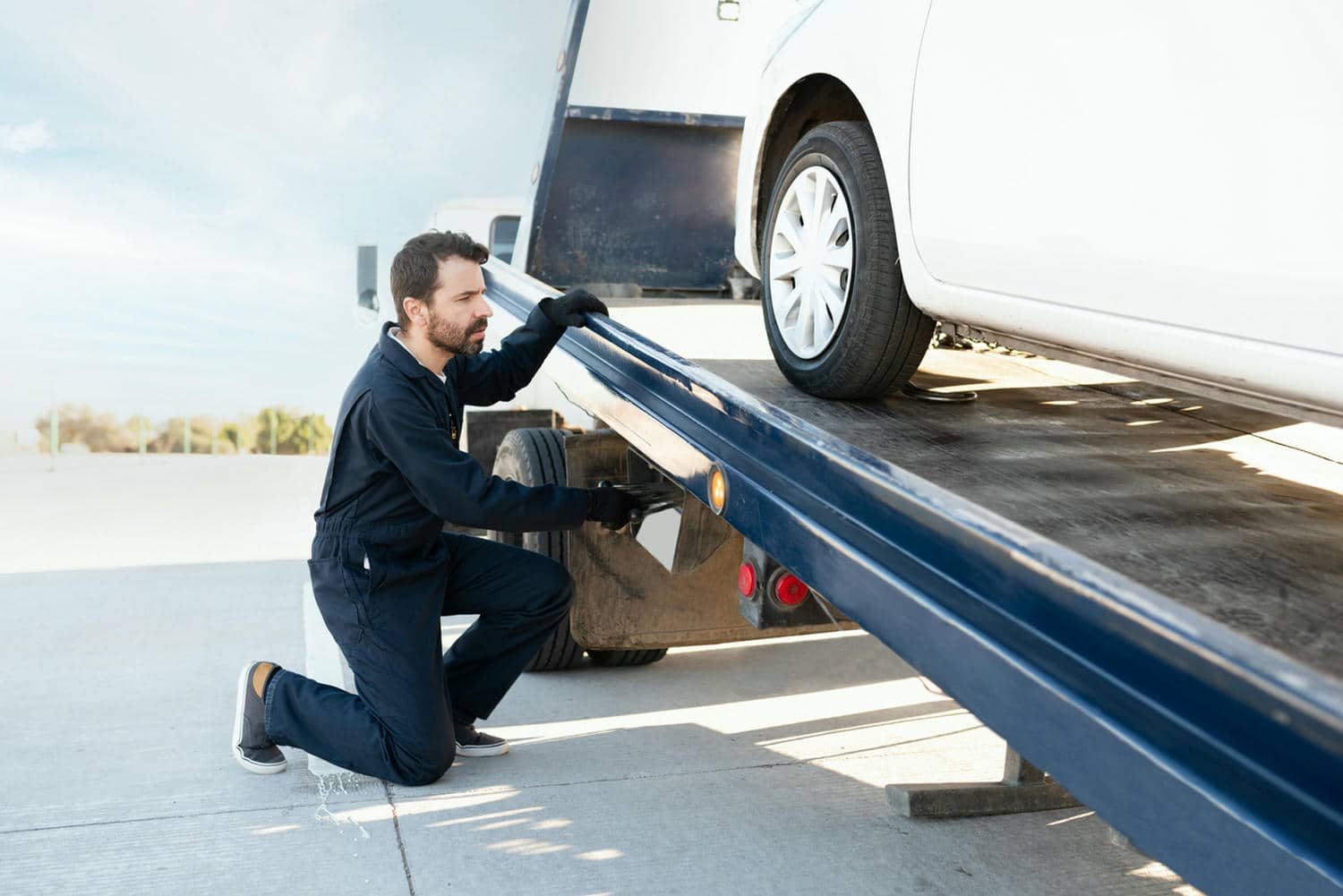
Two exceptions are worth knowing. Older central neighborhoods in both cities have narrower streets with mature trees, and low branches stop a truck that fits the road width. And rural addresses out among the orchards and farms can be down long unpaved drives with irrigation ditches either side, which a 75 foot vehicle cannot turn in.
Where access is doubtful, agree a meeting point when you book. A large retail lot near an I-5 or Highway 99 exit works, and it is normal practice rather than a compromise.
Valley Weather Is Mild With Two Exceptions
There is no seasonal disruption to speak of, but two conditions genuinely affect scheduling.
Tule fog forms in the valley from late autumn into winter and can reduce visibility to almost nothing, closing stretches of Highway 99 and I-5 with little warning. It is a morning phenomenon and it delays rather than cancels, but a winter collection estimate should have room in it.
Summer heat is the other. Valley temperatures well above 100 degrees are routine, and a car on an open upper deck bakes. Remove anything that can melt or burst, check tire pressures before a summer move, and confirm the coolant is right.
Timing Through the Year
There is no weather season to work around, so the calendar is set by people rather than conditions.
Summer is the busiest period, driven by family relocations timed around the school year, and the end of any month is busier than the middle because leases and closings cluster there. Snowbird traffic affects the valley less than it does the Sunbelt, but northbound and southbound I-5 capacity still tightens in spring and autumn because the corridor is shared.
January and February are the quietest weeks on most of these lanes. If your dates are genuinely open, that is where the value is.
One further local note. Both cities sit close enough to the Bay Area that a good number of moves here are really Bay Area moves with a Central Valley address, and those price very well because I-205 and I-580 are short, busy connectors. If your origin or destination is within an hour of either, say so, because it widens the pool of carriers who can take the load.
Preparing the Car
Wash it so existing marks are visible, then photograph every panel in daylight including the wheels, lower bumpers, rocker panels and the odometer.

Leave about a quarter tank of fuel. Empty the cabin and trunk, since personal items are not covered by cargo insurance and add weight. Fold the mirrors, disable a motion sensitive alarm, remove the FasTrak transponder so you are not billed for the truck’s route, and hand over one working key.
At delivery, inspect before signing and compare against your photographs, noting anything unexpected on the bill of lading while the driver is present. For the wider state picture, see our California car shipping page, and our guide to shipping a car from San Diego covers the southern end of the same I-5 corridor.
Common Questions
Why are rates competitive here? Interstate 5 is the main West Coast freight corridor and it runs through the valley, so carriers pass constantly.
How long to the Bay Area or Los Angeles? The Bay Area is a short regional move, Los Angeles typically a day once collected, plus assignment time.
Can the truck reach a rural address? Often not down a long unpaved drive. A meeting point near an I-5 or Highway 99 exit is the usual answer.
Does fog cause delays? Tule fog in late autumn and winter can close valley highways with little warning. It delays rather than cancels.
What about summer heat? Valley temperatures above 100 are routine. Empty the car of anything that can melt and check tire pressures first.
Get a Quote
Call Ship A Car, Inc. at (866) 821-4555 with both zip codes, your date range and an honest description of the access at your address, or price the move with the instant calculator.