Shipping a Car From the San Francisco Bay Area
The Bay Area is well served by carriers and genuinely difficult to deliver in, and both facts come from the same geography. It is a dense region built on hills and separated by water, with bridges and tunnels as the only connections. Trucks are always nearby; getting one to your door is a different question.
San Francisco Itself Is the Hard Part
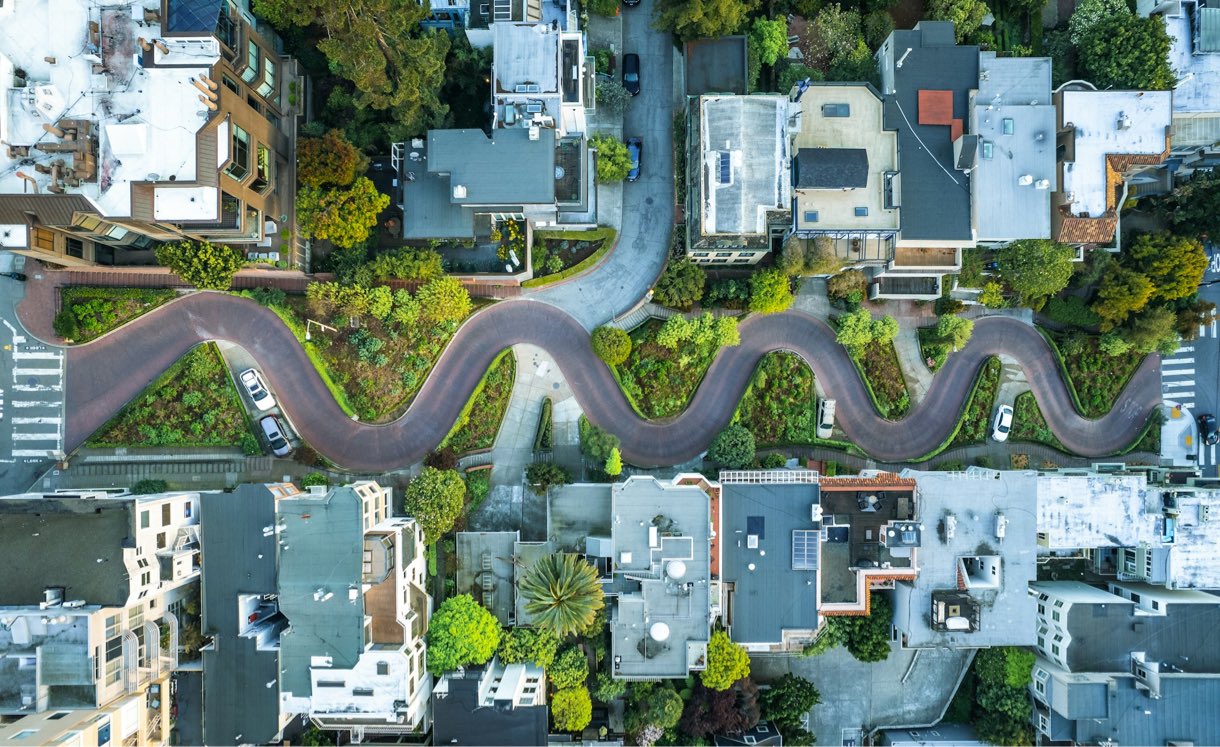
The city is the most difficult delivery point in Northern California, and it is worth being plain about why.
Streets are narrow and steep, many are one way, resident permit parking fills the curb, and there is almost nowhere a 75 foot vehicle can legally stop for the twenty minutes an unload takes. Garage entrances have low clearances. Several neighborhoods are effectively unreachable for a full size hauler.
Carriers are not being awkward when they decline a city address; they are telling you the truck does not fit. The normal arrangement is a meeting point south of the city, in Daly City, Brisbane or along the peninsula, or across a bridge in Oakland or Emeryville.
Agree it when you book. It costs nothing planned and costs a wasted trip when it is not.
The Rest of the Bay Is Easier
Oakland, the East Bay and the peninsula are considerably more straightforward. There is industrial space, wide arterials and room to work.
The South Bay, San Jose and the Silicon Valley cities, is easy by comparison: suburban layouts, wide roads and freeway access. Marin and the North Bay are mixed, with the valley towns fine and the hill roads not.
If you have any flexibility about where the handover happens, it is worth more here than almost anywhere else in the country.
The Lanes That Matter
Interstate 5 runs down the Central Valley to Los Angeles and up to Oregon and Washington. Interstate 80 runs east over the Sierra through Reno and Salt Lake toward Chicago. Highway 101 runs the coast.
Los Angeles is a short, busy, inexpensive lane. Portland and Seattle are straightforward. Cross country to Texas, the Midwest and the East Coast is ordinary long distance work of five to ten days in transit depending on the destination.
The Sierra is the one seasonal constraint. Interstate 80 over Donner Pass sees closures and chain controls from November through April, and when it closes eastbound traffic diverts far south. That is a reason to build slack into a winter eastbound estimate rather than to avoid the move.
Why So Many Bay Area Cars Move
The volume out of this region is not only relocation, and knowing the pattern helps explain availability.
Corporate relocation is the largest single driver, and it runs year round rather than seasonally. Technology employers move people in and out continuously, and a household relocating for a job start date is the classic case of needing a delivery window that actually holds.
University moves add a late August and May pattern around Berkeley, Stanford, San Jose State and the UC campuses, which tightens local capacity for a fortnight at each end.
And a meaningful share is people leaving California altogether, which is what creates the outbound imbalance described above. If you are part of that, the market is unusually favorable to you, and the main thing worth optimizing is where the truck collects rather than when.
The Outbound Advantage
More vehicles leave California than arrive, and the Bay Area contributes heavily to that.
Carriers fill easily heading east and south and struggle coming back, so outbound rates are competitive and inbound rates are frequently higher. If you are moving away, the market is working for you.
What that also means is that flexibility on dates matters less on the outbound leg than it does elsewhere, because trucks are readily available. Where flexibility does help here is on the handover location.
Open or Enclosed
Open transport carries the overwhelming majority of vehicles and is right for an ordinary car.
The Bay Area generates more genuine enclosed demand than most regions because of the concentration of high value, low and modified vehicles. Enclosed costs about a third more and is the right answer for fresh paintwork, a wrap, or anything needing a lift gate rather than ramps. It has a practical side benefit here too: enclosed carriers are frequently smaller trucks that can reach addresses a full size open trailer cannot.
Preparing the Car
Wash it so existing marks are visible, then photograph every panel in daylight, including the wheels, the lower bumpers and the rocker panels, which are what loading marks. Photograph the odometer.

Leave about a quarter tank of fuel. Empty the cabin and the trunk, since personal items are not covered by cargo insurance and they add weight. Fold the mirrors, disable a motion sensitive alarm, remove the toll transponder, which matters on a region full of bridge tolls, and hand over a physical key.
If the car has adjustable suspension, tell the driver how to raise it. At delivery, inspect before signing and note anything unexpected on the bill of lading while the driver is present. Our California car shipping page covers the state more broadly.
Common Questions
Can a truck deliver to my San Francisco address? Frequently not. Hills, one way streets, permit parking and low clearances mean a meeting point outside the city is normal.
Where do handovers usually happen? South of the city along the peninsula, or across a bridge in Oakland or Emeryville, at a large lot with room for a truck.
Is the rest of the Bay Area easier? Considerably. Oakland, the East Bay and the South Bay have space and freeway access.
Does winter affect the move? Eastbound over Donner Pass, yes. Closures and chain controls add days. North and south on I-5 is largely unaffected.
Why are outbound rates competitive? More vehicles leave California than arrive, so carriers fill easily heading out and price accordingly.
Get a Quote
Call Ship A Car, Inc. at (866) 821-4555 with both zip codes, your date range and where you can meet the truck, or request an estimate for the move through the quote calculator.