Car Shipping in Philadelphia County
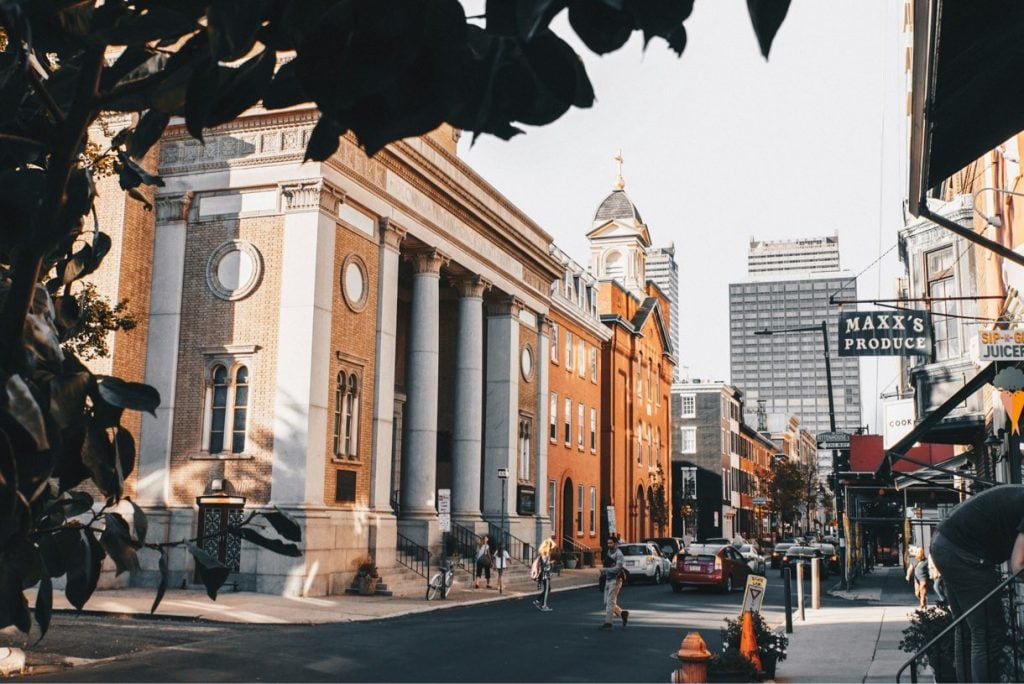
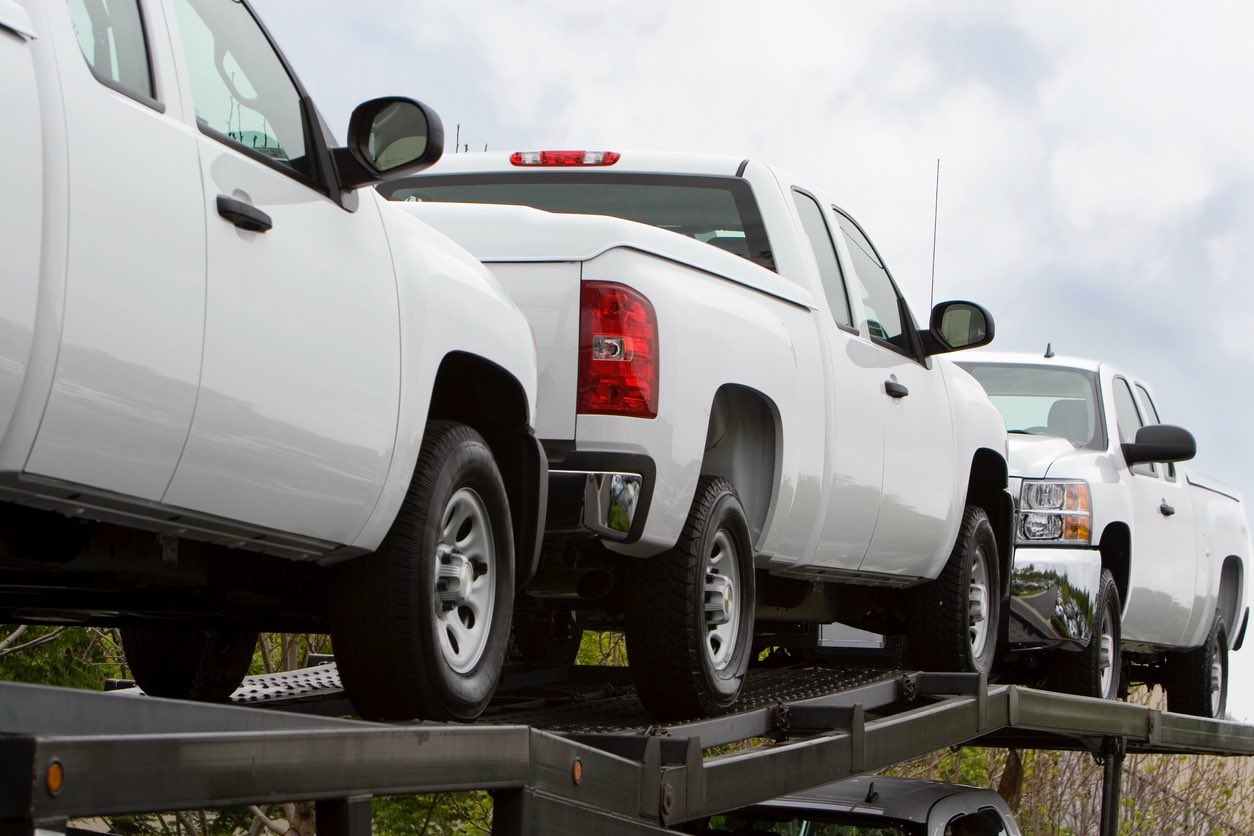
Philadelphia County and the City of Philadelphia are the same place, and the city’s street pattern is the single thing that shapes every shipment here. Large parts of it are rowhouse blocks with no driveways, narrow one-way streets and permit parking on both sides. A car carrier is roughly 75 feet long. In most of the county, “door-to-door” honestly means a wide street or a retail lot a few minutes away, and planning for that from the start is what separates a smooth pickup from an afternoon lost at the curb. For the Florida run specifically, the booked band and the wait for a carrier are on our Pennsylvania to Florida car shipping page.
What It Costs
Our own book since 2023 covers 202 Pennsylvania orders, where the middle half ran $750 to $1,350. The figures below are planning estimates.
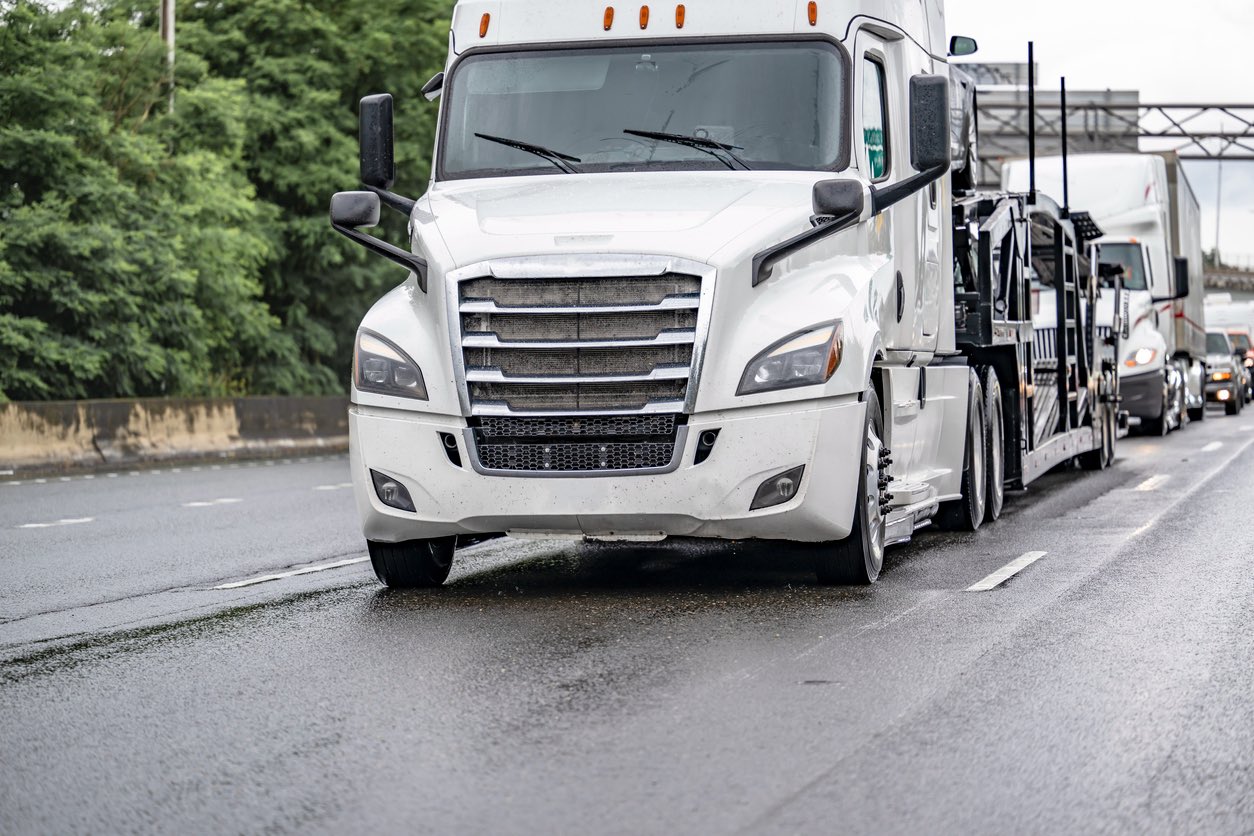
Philadelphia sits on I-95 between New York and Baltimore, which is about as well-served as American freight corridors get. Capacity is rarely the constraint. These are open-transport ranges for a standard sedan outside peak season.
A full-size truck or SUV adds meaningfully, a car that will not start or roll adds roughly $100 to $250 for winching, and enclosed transport adds about a third.
Where the Truck Can Actually Stop
This deserves the detail because it is where Philadelphia shipments go wrong. The county is not uniform, and which part you are in changes the answer completely.
- Center City and the rowhouse neighborhoods such as South Philadelphia, Fishtown, Northern Liberties and much of West Philadelphia have narrow streets, cars parked both sides and no off-street space. A rig cannot enter, let alone load. Plan a meeting point.
- Northeast Philadelphia is considerably easier, with wider roads, driveways and space to work. True door-to-door is realistic across much of it.
- Roxborough, Chestnut Hill and the northwest vary block by block. Steep or narrow streets are common, so describe yours honestly.
- Apartment and condo buildings generally have a garage with a height bar and no surface space, so the handoff moves to a nearby lot regardless of neighborhood.
Drivers who run Philadelphia already know the workable spots and will usually propose one. If you know a large lot near you, offer it, because it genuinely speeds things up.
Parking Enforcement Is Not Patient
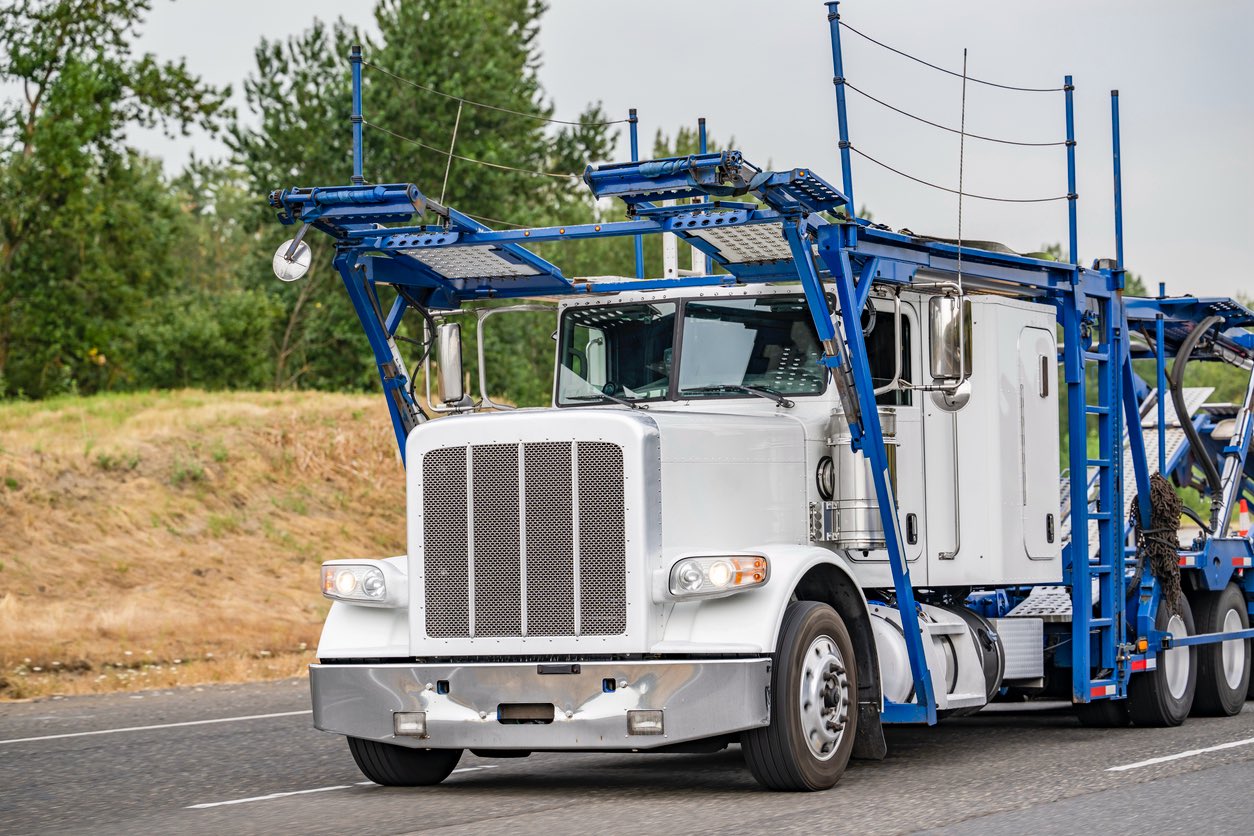
A carrier that stops somewhere it should not is exposed immediately, and Philadelphia enforcement is famously prompt. That is part of why drivers prefer a retail lot to a residential street even when the street looks passable.
An early-morning window helps considerably. Before the commuter peak there is more room, less traffic and less enforcement pressure, and a driver offered 7am will take it over a midday slot on the same block.
Traffic Enters the Transit Estimate
I-95 through the city and the Schuylkill Expressway are both heavily congested for much of the day, and I-76 in particular is narrow with tight curves and no shoulder in places. A loaded 80,000 pound carrier cannot make up time lost sitting in it, and federal hours-of-service rules cap the driving day, so delay comes straight out of distance covered.
Practically, treat quoted windows on this corridor as ranges and prefer early pickups. A carrier leaving Philadelphia at 6am is meaningfully further along by evening than one leaving at 10am.
Winter Adds a Specific Problem
Snow in Philadelphia narrows already-tight streets and triggers parking restrictions on designated snow emergency routes. A meeting point agreed in November may be unusable in January.
Between December and March, keep a buffer day, stay reachable, and expect a driver may propose an alternative location at short notice. That flexibility is worth more than a fixed plan in this city.
The Port
The Delaware River ports handle substantial vehicle traffic, which matters if your car is arriving from or heading overseas. A port move runs on gate hours and vessel schedules rather than driving time, and the documentation sets the timeline. Start the paperwork before booking the road leg.
Preparing the Vehicle
Standard preparation applies and the pre-pickup checklist covers it. The Philadelphia-specific addition is your E-ZPass: leave it in the windshield and it will be billed for the truck’s passage across the tolled bridges and turnpikes on the way out of the region.
At delivery, inspect before signing. Compare the car against the pickup condition report and your photographs, check the roof and lower panels, start the engine, and note any exception on the bill of lading while the driver is present.
Common Questions
Can the truck come to my rowhouse? Almost certainly not. Expect a meeting point on a wider street or in a nearby lot, which is standard across most of the city.
Which parts of the county are easiest? Northeast Philadelphia, and generally anywhere with driveways and two-way streets.
What time is best for pickup? Early morning, before the commuter peak. More space, less traffic, less enforcement pressure.
How far ahead should I book? One to two weeks on most lanes from here, three to four in winter or in a peak seasonal direction.
Is enclosed transport worth it? For a classic, exotic or low-clearance car, yes. Winter road salt in the Northeast is a reasonable second argument.
Get a Quote
Call Ship A Car, Inc. at (866) 821-4555 and tell us which neighborhood you are in, or price the move with the instant calculator.