Shipping a Car from Washington DC to Miami
This is a snowbird lane running almost entirely on one road, and the direction you are going moves the price more than the 1,050 miles do. I-95 connects the two cities end to end, which makes it one of the busiest auto transport corridors in the country. Southbound fills from October into December; northbound fills from March into May. In the peak direction demand outruns the trucks, and in the quiet direction the same route is cheap because carriers need loads for the return.

Direction and Season Set the Price
Our own book since 2023 puts the middle half of orders between the DC area and Florida at $850 to $1,200. The figures below are planning estimates.
If your dates move at all, this is where the money is on this lane.
Shifting a fortnight either side of a peak makes a real difference. So does the direction: shipping south in November and back north in April means traveling in the expensive direction twice, so both legs want booking early rather than hoping capacity appears later.
Two to three weeks ahead is the useful window in normal months. In October and in March, book further out, because on this corridor the constraint genuinely becomes available trucks rather than price.
Summer is busy for a different reason, with family relocations and school calendars, but it is less extreme than the snowbird peaks.
Transit and Route
Expect two to four days in transit once loaded, plus a few days to a week to get assigned at a realistic price.
Carriers run I-95 the whole way, with some using I-295 and the Turnpike variants around the cities. There are no mountain passes and no seasonal closures on this route, which is part of why it is so reliable: the weather risk is at the Washington end in winter and it is measured in hours rather than days.
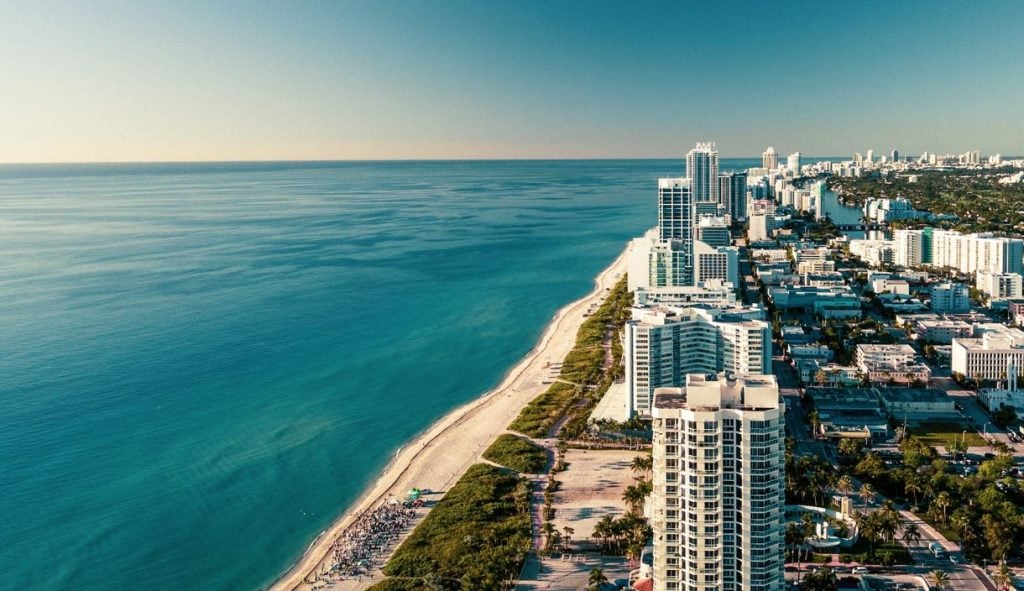
Where in South Florida you are going matters more than people expect. Miami proper, Fort Lauderdale and West Palm Beach are all straightforward. Anything down into the Keys adds a day and its own access problems.
Access at the Washington End
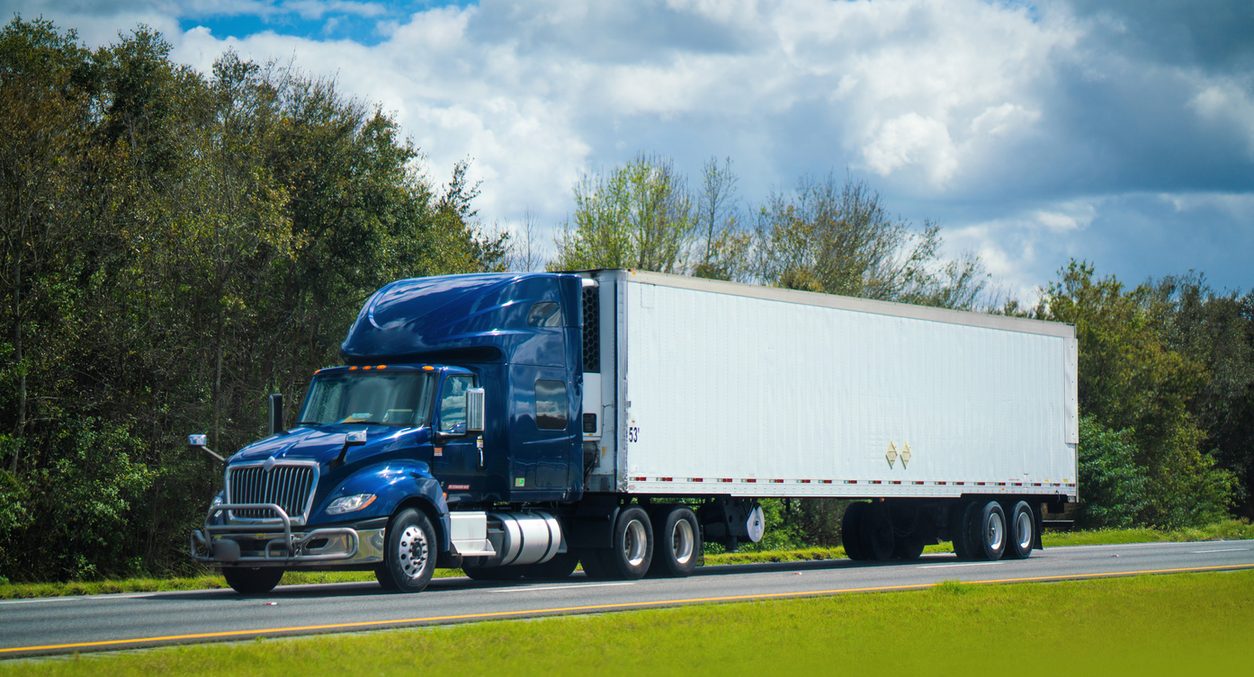
A car hauler is around 75 feet long, and the District itself is difficult for one.
Most residential streets in DC cannot take a vehicle that size, and the same applies across much of Arlington, Alexandria and the closer parts of Bethesda and Silver Spring. Parking is permitted and enforced, one way streets remove the option of backing out, and there is rarely a legal gap long enough to stop a 75 foot truck.
The usual answer is a meeting point at a large lot outside the core, near the Beltway or along a main road out toward Springfield, Tysons or Landover. It is faster than waiting for a driver willing to attempt a city street, and it widens the pool of carriers who will take the load.
Arrange it at booking. Improvising it with a driver already double parked on a residential block is the version that goes badly.
Access at the Miami End
South Florida has a different problem, and it catches snowbirds in particular.
Gated communities, active adult developments and condominium complexes are everywhere, and a great many of them do not admit commercial vehicles at all. Others have a height barrier at the entrance or a weight limit on private roads. Parking structures attached to condo buildings almost always have a clearance bar well under what a hauler needs.
Ask the community or building office before you book rather than on the day, and plan a meeting point at a nearby retail lot if the answer is no. Miami Beach and the barrier islands add causeway traffic and very limited stopping room on top.
What It Costs
Open transport for a standard sedan on this lane runs roughly $700 to $1,100, and the range is wide because of the season rather than the distance.
A full size truck or SUV adds meaningfully, since it takes more space and weight on the trailer. Enclosed transport adds about a third on top, and on this lane it is worth it mainly for a valuable or freshly restored car rather than for a daily driver.
A car that will not start or roll adds roughly $100 to $250 for winching, declared at booking rather than discovered at the curb. In peak season, treat a quote well below the rest with real suspicion: a rate no carrier will accept simply means the car sits in Washington while your window passes and the price is revised upward.
If the Car Has Been Sitting
Common on this lane in both directions, and worth ten minutes before collection.
A car left through a Washington winter or a Florida summer may not start. Check the battery and the tire pressures, and if it has been standing for months, check that the brakes have not seized. A car that will not start becomes a winch job at the curb and you pay for it either way.
Take the E-ZPass out before it leaves. On this route it will otherwise register tolls across Maryland, Virginia, the Carolinas and Florida, and sorting that out afterwards is tedious.
Preparing the Car
Wash it so existing marks are visible and photograph every panel in daylight, including the wheels, roof and lower bumpers. Leave about a quarter tank of fuel.
Empty the cabin and trunk, since personal items are not covered by cargo insurance and shift in transit. Fold the mirrors, disable a motion sensitive alarm and hand over a key. If the car is heading into Florida heat, take anything adhesive off the dashboard.
At delivery, inspect before signing. Compare against your photographs, check the lower bumpers and wheels first, and note anything unexpected on the bill of lading while the driver is still there.
Common Questions
How long does it take? Two to four days in transit, plus a few days to a week to get assigned.
When is it cheapest? Outside the snowbird peaks, and always in the quiet direction on the lane.
Can the truck collect from my DC street? Usually not. A meeting point outside the core near the Beltway is faster.
Can it deliver to my Miami community? Many developments bar commercial vehicles. Ask the office before booking.
What does it cost? Roughly $700 to $1,100 for a sedan on open transport, with the season moving it within that range.
Get a Quote
Call Ship A Car, Inc. at (866) 821-4555 with both zip codes and your date range, or request an estimate for the lane through the quote calculator.