
Shipping a Car and Household Goods Together
They are two different regulated services, and almost always two different companies. Household goods movers and auto transporters operate under separate federal authority, carry different insurance and run on different schedules, so “together” rarely means one truck. What it does mean, and where the real saving is, is sequencing the two so your furniture and your car arrive close enough that you are not paying for a rental car or sleeping on a floor. Get the order right and this is straightforward.

Why It Is Usually Two Trucks
A household goods mover is authorized and insured to carry your belongings. An auto transporter is authorized and insured to carry vehicles. Those are different registrations with the Federal Motor Carrier Safety Administration, different cargo policies and different equipment, which is why one company quoting both is normally coordinating two services rather than performing both.
That is not a problem and it is not a markup being hidden from you. It simply means you should understand which company is doing what, and who to call when a date moves.
The Exception: A Car Inside the Moving Trailer
There is one genuine version of shipping both on one truck. Some van lines will load a vehicle inside the moving trailer alongside your belongings, and it is worth asking about if you are already booking a full service long distance move.
The trade offs are real. Availability is limited and depends on the trailer having room after your household load. The car is inaccessible until the household delivery happens, so it arrives on the furniture’s schedule rather than its own, which is usually the slower of the two. And the car has to be empty and driveable to be loaded.
It works well when your household shipment is large enough to fill a dedicated trailer and your dates are relaxed. It works badly when you need the car quickly, which is most of the time.
What to Book, and When
Household goods drive the calendar because their lead times are longer and their delivery windows wider.
Book the household move first and fix its dates, then book the car around them. Doing it the other way round means rescheduling the transport when the van line assigns a different window, which is common.
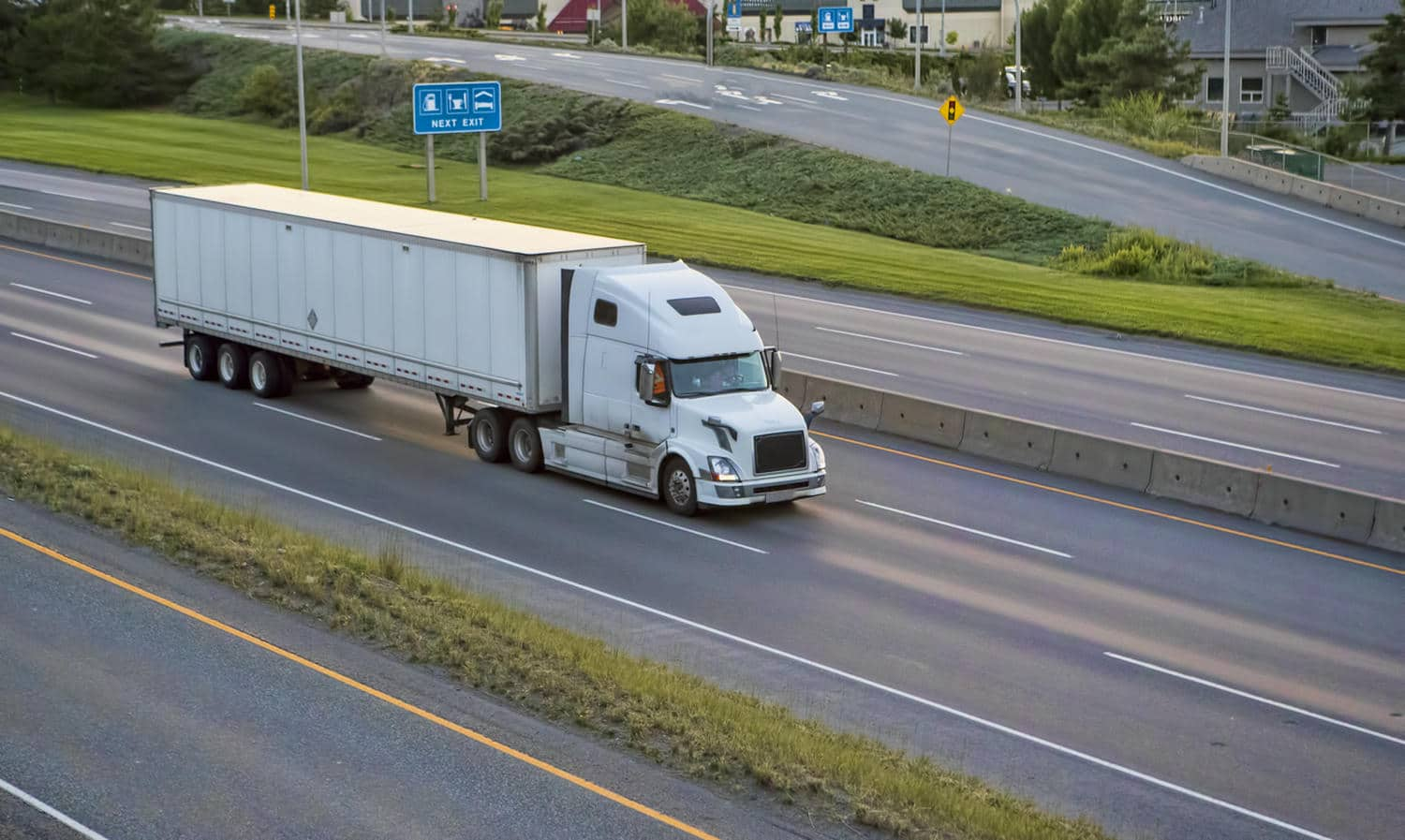
Timing Them to Land Together
The mistake to avoid is having both arrive on the day you do, because then you are unloading furniture and receiving a vehicle at the same time, at the same address, with two drivers wanting signatures.
A better sequence is to have the car arrive a day or two before the household shipment. You are mobile immediately, you can collect keys, groceries and cleaning supplies, and you are free to give the moving crew your full attention when they turn up.
Remember that both are windows rather than appointments. Long distance household deliveries in particular are often quoted as a spread of several days, because your goods may travel with other shipments. Auto transport gives a pickup window and a transit estimate counted from collection. Build a buffer into both rather than treating either as a fixed date.
Do Not Pack the Car
It is tempting, and it causes more problems than it solves.
Auto transporters are not licensed to carry household goods, so a car loaded with boxes puts the carrier outside their authority. Personal items are not covered by the carrier’s cargo insurance, so anything lost or damaged is simply lost. The added weight affects how the load is balanced and can push a trailer over its limits. And items visible through the windows make the vehicle a target while it sits.
Some carriers will tolerate a small, soft, clearly declared item in the trunk. Ask rather than assume, and expect the answer to be no. Empty the car properly and put the boxes on the household shipment where they are insured.

Who Receives What
Both services need somebody present, and they may not arrive on the same day, so decide this early.
For the vehicle, someone has to walk it with the driver and sign the condition report. A friend, relative, neighbor or property manager can do it as long as the carrier knows in advance who it will be. Send them your pickup photographs so they have something to compare against, and make sure they understand that signing a clean report means the car arrived undamaged.
For the household shipment, the person receiving it will be checking inventory numbers off a list, which takes considerably longer. If you can only be in one place, be there for the furniture and nominate someone for the car.
Preparing the Vehicle
Standard preparation applies and the pre-pickup checklist covers it. Wash it so existing marks show, photograph every panel in daylight, empty it completely and leave about a quarter tank of fuel.
One addition specific to moving: do the car first. On moving day you will be busy, tired and surrounded by boxes, and that is a poor moment to be photographing panels and reading a condition report carefully.
Common Questions
Can one company move both? One company can arrange both, and some van lines can carry a car inside the trailer. Usually they are two services coordinated together.
Is combining them cheaper? Rarely by much. The saving is in timing, by avoiding a rental car and a gap where you have furniture but no transport.
Which should I book first? The household move. Its lead time is longer and its dates are harder to move.
Can I put boxes in the car? No. Carriers are not licensed for household goods and personal items are not insured.
Should the car arrive first? Ideally a day or two ahead, so you are mobile before the furniture arrives.
Get a Quote
Call Ship A Car, Inc. at (866) 821-4555 with your moving dates and both addresses, or have the vehicle move estimated by email through the quote calculator.