Terminal to Terminal vs Door to Door: Which One Actually Saves You Money
The comparison sounds like a price question and it is really a handling question: how many times does your car get parked, moved and stored between you and the destination? Door to door has become the default for a reason, and terminal service still wins in a few specific situations worth knowing.
Here is what each actually involves, where the money goes, and how to choose.
What Terminal to Terminal Actually Involves
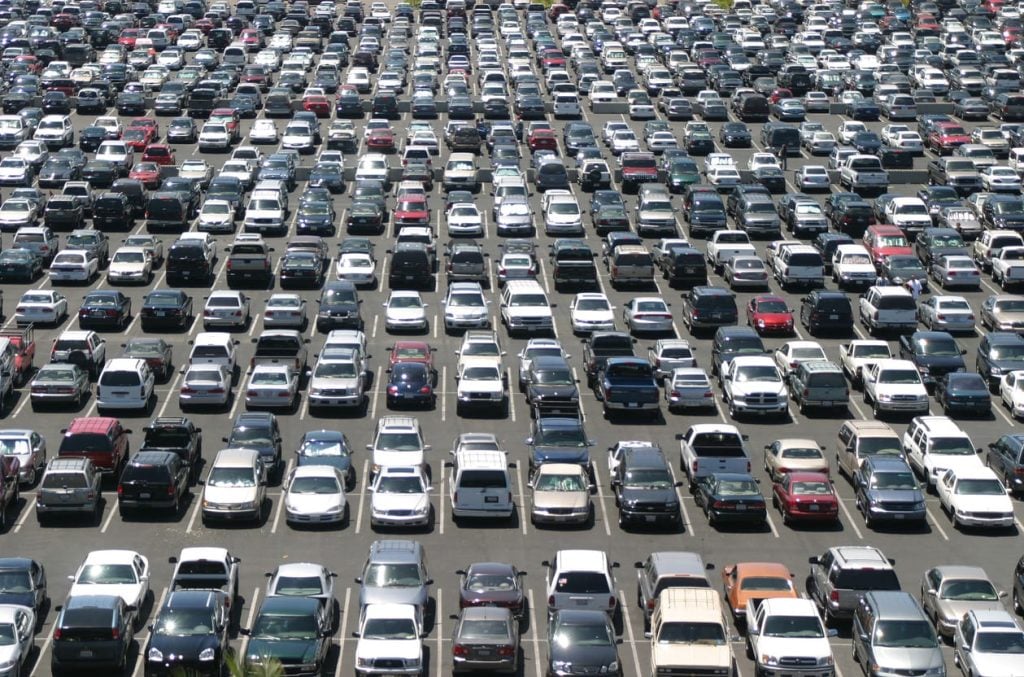
You drive the car to a storage yard, hand it over, and it waits there until a truck heading the right way has space. At the far end it waits again until you collect it.
Three things follow from that. The car is handled more: into the yard, around the yard, onto the truck, off the truck, around another yard. It waits on the carrier’s schedule, since it moves when a truck with space passes, not when you booked. And it sits outdoors in a commercial lot at both ends, which is fine for days and less fine for weeks.
The terminals themselves are in industrial areas near major corridors, which means the “cheap” option also costs you two trips to places that are rarely nearby, plus whoever has to follow you there and drive you home.
What Door to Door Actually Involves
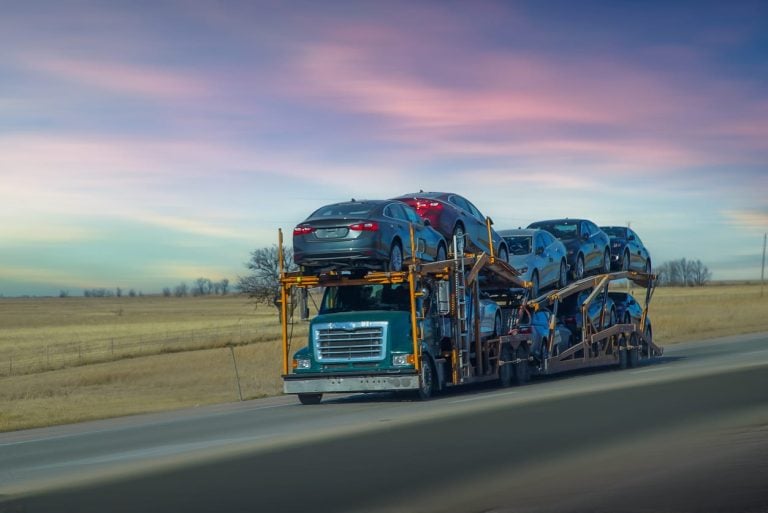
The carrier collects as close to your address as a 75 foot rig can legally and safely get, and delivers the same way at the far end. On many residential streets that means a parking lot nearby rather than your literal doorstep, which is normal practice and costs nothing extra.
The car is handled twice: onto the truck at pickup, off at delivery. You meet the driver both times, which means the condition report is completed with you standing there, and that matters more than people realize, because the inspection at handover is what any damage claim rests on.
Where the Money Actually Goes
The price difference is smaller than the names suggest, and it narrows further when you count everything.
Terminal service saves the carrier the residential detour, and that saving is passed on. Against it, count: fuel and time for two terminal trips, a second driver to get you home, storage fees if the car sits past the free window or if you are late collecting, and the wait itself, since the car moves on space-available scheduling.
For most individual moves the all-in difference is modest, which is exactly why the industry consolidated around door to door. The factors that genuinely move a quote are the same for both: distance, route, vehicle size, season and flexibility, covered in our page on what determines the cost of shipping a car.
When Terminal Service Genuinely Wins
Four real cases.
Your schedule and the carrier’s cannot meet. If you are flying out before any pickup window and nobody can hand the car over, dropping it at a terminal on your own timetable solves the problem the way a friend with a spare afternoon otherwise would.
The destination is unknown or not ready. Moving before you have an address, or closing on a house next month: the terminal is short-term storage with transport attached.
Genuinely inaccessible addresses at both ends, where the meeting-point dance would happen anyway and a terminal is no worse.
Dealer and fleet moves, where vehicles already flow through commercial yards and nobody needs to meet a driver.
When Door to Door Is Clearly Right
Most of the time, and specifically: when you want the shortest possible gap between handovers, when the car should not sit outdoors in a yard (anything valuable, freshly painted, or low), when you want to walk the inspection personally at both ends, and when your time is worth more than the modest saving.
How the handover actually works at your address, meaning what “door” means in practice, meeting points, and being reachable, is covered in our page on door to door car shipping.
One historical note that explains the landscape: terminal service used to be the standard, back when carriers ran fixed routes between company yards and the customer fit around the network. Door to door won because brokers matched loads to trucks already heading the right way, which made the residential detour cheap enough to include. The terminals that remain mostly serve ports, dealers and fleets, which is why the consumer-facing terminal option is thinner on the ground than older advice suggests, and why in some regions it barely exists at all. If a company quotes you a terminal option, it is worth asking where the terminal actually is before assuming it is the convenient choice.

The Questions That Decide It
Ask yourself three things. Can someone meet the driver at both ends within a window? If yes, door to door. Does the car need to be stored anyway because of your dates? If yes, terminal starts making sense, or ask the carrier about scheduled pickup with a friend or neighbor handing over. Is the vehicle ordinary enough that a week outdoors in a commercial lot is fine? If not, the terminal option was never really available to you.
Then get both prices from the same company for the same dates. The difference is frequently small enough to settle the question on its own.
Common Questions
Is terminal to terminal cheaper? Usually somewhat, before counting your two terminal trips, possible storage fees and the slower space-available scheduling. All-in, the gap is modest.
Is door to door literally to my door? As close as the truck can legally and safely get. On narrow streets that means a nearby lot, at no extra cost.
Which is safer for the car? Door to door: two handlings instead of several, no outdoor yard storage, and you attend both inspections.
When does terminal service make sense? Schedule mismatches, no destination address yet, genuinely inaccessible locations, and dealer or fleet moves.
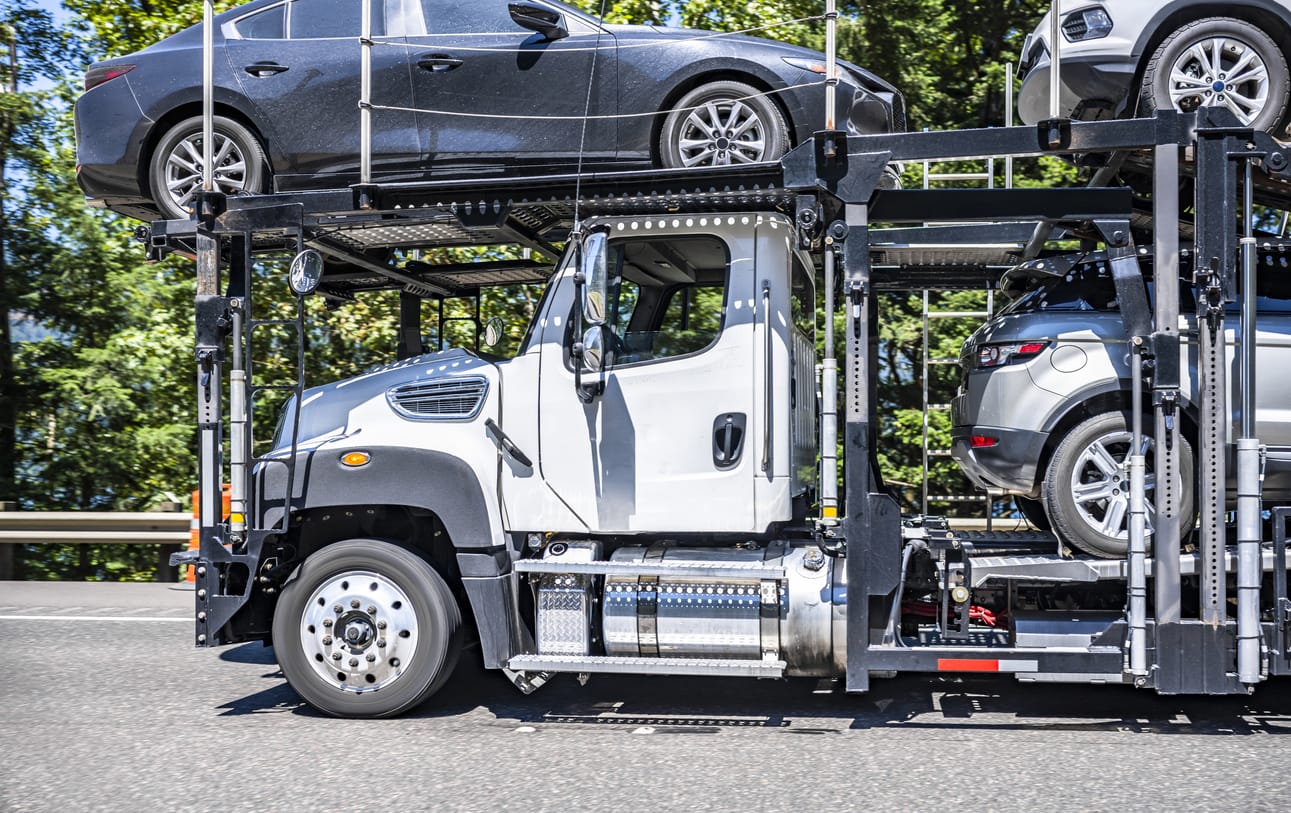
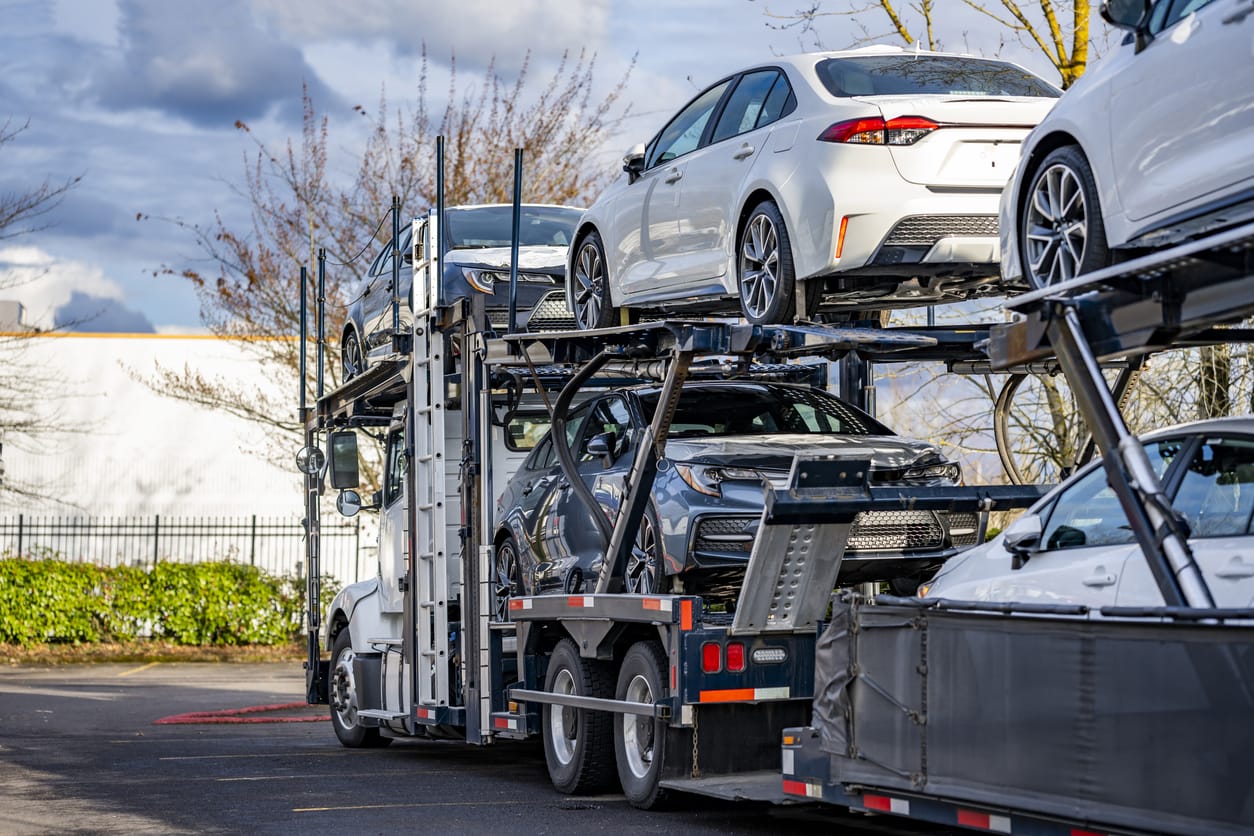
Do both use the same trucks? Yes. The equipment and drivers are the same; what differs is where the handover happens and how long the car waits.
Get a Quote
Call Ship A Car, Inc. at (866) 821-4555 with both zip codes and your date range, or request an estimate for the move through the quote calculator.