Seasonal Car Transport to Florida: Timing, Cost and How to Book It
The Florida snowbird lanes are the most seasonal in the entire auto transport industry, and everything about booking one comes down to understanding two windows. Southbound demand builds through October and peaks in November. Northbound spikes in March and April. Inside those windows rates rise, carriers fill early, and flexibility is worth less because everybody wants the same weeks.
Why the Lane Behaves the Way It Does
Auto transport is a market, and this lane is the clearest illustration of it anywhere in the country.
In autumn, tens of thousands of vehicles want to move from the Northeast and the Midwest to Florida within the same few weeks. Carriers heading south fill immediately and charge accordingly, then frequently run back north with an emptier trailer. In spring the whole thing inverts.
That imbalance, rather than distance, is what sets the price. The same route costs meaningfully more in the peak direction during the peak weeks than it does two months either side, and no amount of shopping around changes the underlying supply.
The practical conclusion is simple: if your dates can move, moving them is the single largest saving available to you. Late September southbound, or early May northbound, avoids the crush entirely.
How Far Ahead to Book
Three to four weeks ahead for a peak season move, one to two outside it.
Give a range of pickup days rather than a single date. A three day window materially improves your chance of being picked up on time and frequently improves the rate, because it lets a carrier fit you into a route that is already forming.
Book both directions if you know both dates. Snowbirds who arrange the outbound and leave the return until later routinely pay more or wait longer, since everybody heads north in the same fortnight.
Where the Truck Can Meet You
Florida is where this question bites hardest, and it is worth settling before you book rather than on the day.
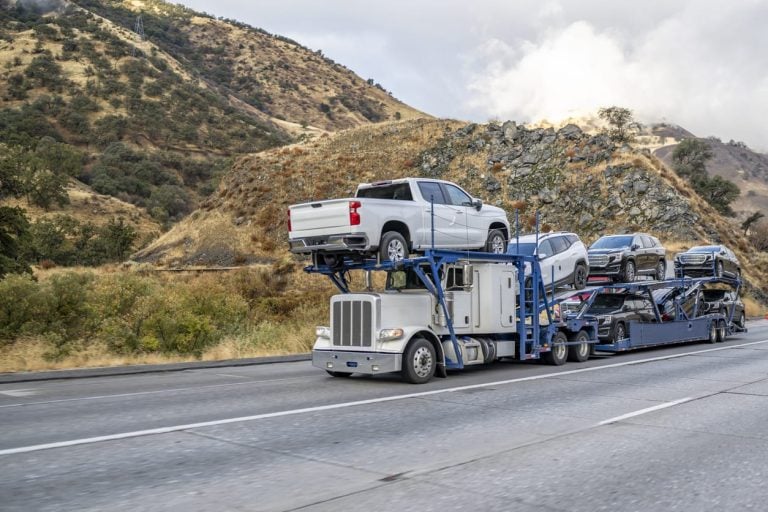
A loaded car hauler is around 75 feet long and 13 feet 6 inches tall. Gated retirement communities, condominium complexes and mobile home parks routinely will not admit a vehicle that size, and many have height restrictions at the entrance, tight internal roads and no space to turn around.
The normal arrangement is a meeting point: a large retail lot near an interstate exit, or just outside the community gates. This is standard practice rather than a failure, and agreeing it at booking removes the most common cause of a wasted trip.
Check with your community’s management too. Some have rules about commercial vehicles, delivery hours or where a transfer may happen.
Open or Enclosed
Open transport carries the overwhelming majority of snowbird vehicles and it is the right choice for an ordinary car.
Enclosed costs about a third more and is worth it on a collector vehicle, fresh paintwork or a wrap, and particularly on a northbound spring move, when roads have been salted all winter. It has a second advantage in Florida: enclosed carriers are frequently smaller trucks that can reach an address a full-size open trailer cannot.
Registration, Insurance and Residency
A long seasonal stay raises a few administrative questions that are easier to settle before you go than after you arrive.
Most states let a visitor keep out-of-state registration, and a seasonal resident who keeps a permanent home elsewhere normally does. What varies is where the threshold sits, and a stay of six months or more can cross it. Check Florida’s current rules against your own state’s, because the two do not always agree about who you are.
Tell your insurer the vehicle will be garaged in Florida for part of the year. Rates are location-based, and an insurer that does not know where the car actually sits is an insurer with a reason to argue at claim time. It is usually a phone call rather than a new policy.
Keep coverage running for the whole period in both directions, including while the car is on the truck. The carrier’s cargo insurance covers damage in transit; it is not a substitute for your own policy once you are driving.
Preparing a Car That Will Sit
A seasonal car is different from an ordinary shipment because it sits for months at the other end, and that changes the preparation.

Wash it so existing marks are visible, then photograph every panel in daylight, including the wheels, the lower bumpers and the rocker panels, which are what loading marks. Leave about a quarter tank of fuel.
Empty the cabin and the trunk, since personal items are not covered by cargo insurance and they add weight. Fold the mirrors, disable a motion sensitive alarm, remove a toll transponder and hand over a physical key.
Then think about the months ahead. A battery tender if the car will be parked for a season and there is power available. Tire pressures checked at both ends. Fresh fluids if they are due. Keep your insurance active for the whole period the car is away, because dropping it saves very little and leaves theft and weather uncovered.
Florida heat is the other factor. Remove anything that can melt, warp or burst, and expect the interior of a car parked outside for a season to suffer more than it would further north. Covered parking is worth arranging if you can.
What Actually Drives the Price
Season and direction first, then distance, then the vehicle. A large SUV or truck takes more deck space and weight allowance than a sedan and prices accordingly. Rural pickup and delivery points cost more than addresses near an interstate.
Be wary of a quote well below the others in the peak weeks. Carriers choose loads from a live board, and a rate below market for the lane simply sits unaccepted while your dates slip. A realistic price assigned in three days beats an optimistic one that never gets picked up. Our guide to shipping a car for a seasonal move covers the wider snowbird picture.
Common Questions
When is the busiest time? Southbound October and November, northbound March and April. Rates and lead times both rise in those windows.
How far ahead should I book? Three to four weeks in the peaks, one to two otherwise, with a range of pickup days rather than a single date.
Can the truck come to my community? Frequently not. Gated communities, condo complexes and mobile home parks rarely admit a 75 foot truck. Plan a meeting point.
Should I book the return at the same time? Yes, if you know the dates. Everybody heads north together and late bookings cost more.
How long does it take? Typically two to four days in transit from the Northeast or Midwest, plus a few days for a carrier to be assigned.
Get a Quote
Call Ship A Car, Inc. at (866) 821-4555 with both zip codes, your date range in both directions and an honest description of the access at each end, or request an estimate for the move through the quote calculator.