How to Ship Vehicles Between Dealerships
Dealer to dealer transport runs on different economics from retail car shipping: the vehicles are inventory, the volume is repeatable, and speed matters because a car in transit is capital not earning. Dealers who treat transport as a recurring relationship rather than a series of one off bookings consistently pay less and wait less, and the reason is simply that predictable volume is easier for a carrier to plan around.
What Dealers Actually Move
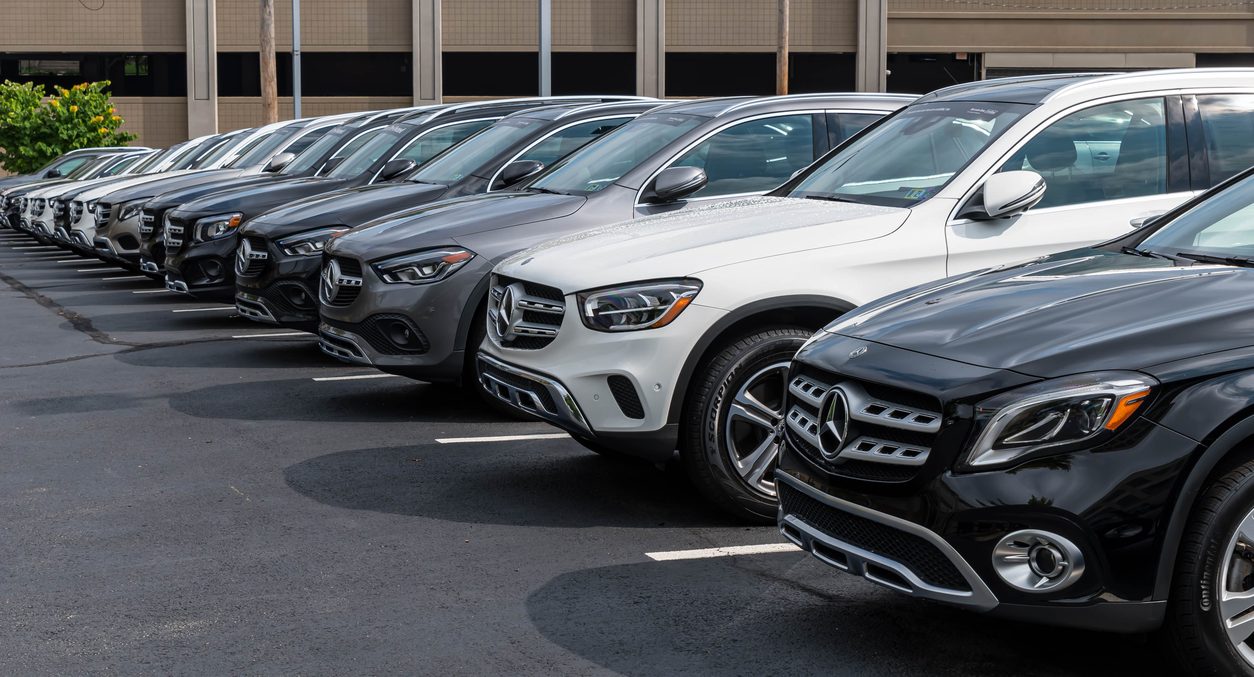
Four flows account for most of it and they have different urgency.
Dealer trades are the classic case: a customer wants a specific configuration, another store has it, and the two swap. These are usually urgent because a sale is waiting on the vehicle.
Auction purchases are the largest volume for most used car operations, moving from auction houses to the lot, frequently in batches and frequently against a storage deadline.
Inventory rebalancing moves slow units to markets where they sell, and it is the least time sensitive of the four, which makes it the one to use for cost savings.
And customer deliveries, where a vehicle goes from the store to a buyer’s home, are increasingly expected as standard rather than as a courtesy.
Multi Car Loads Change the Arithmetic
This is the main structural advantage a dealer has over a retail customer, and many do not use it.
A full size hauler carries seven to ten vehicles. A dealer moving one car pays a share of that truck; a dealer moving eight fills it. Per unit the difference is substantial, and carriers will quote very differently for a full load.

The practical move is to batch. Rather than dispatching each auction win as it happens, hold them until there are enough for a load or most of one. On a regular auction lane that turns an expensive habit into a routine cost.
Where you cannot fill a truck, partial loads still price better than singles, and a broker who knows your lanes can frequently pair your vehicles with somebody else’s on the same route.
Open, Enclosed and What Actually Needs It
Most dealer inventory travels open and should. It is what manufacturers use for new vehicle distribution and it is what the economics support.
Enclosed earns its premium of about a third on a narrow set: exotics and high line units, anything with a value where a stone chip is a real cost, vehicles with fresh paintwork after reconditioning, and any car being delivered to a customer who is paying enough to expect it.
A rule that works for most stores: enclosed above a value threshold you set, open below it, and no exceptions unless a customer pays the difference.
Driveaway Is the Other Option
Not every dealer movement needs a truck, and knowing when it does not is worth money.
Driveaway means a qualified driver collects the vehicle and drives it to the destination. It is frequently cheaper than a truck on short hops, it can happen same day, and there is no waiting for a load to fill.
The cost is mileage. Every mile driven is a mile on a unit you intend to sell, and on a new or low mileage vehicle that is a direct reduction in what it is worth. It also puts wear, weather and road risk on the car, and the vehicle needs to be registered, plated and insured for the trip.
The sensible line for most stores is distance based: driveaway for short intra market moves where a couple of hundred miles does not change the unit’s value, and a truck for anything longer or on anything where the odometer is part of the sale.
Condition Reports Are the Whole Game
Damage disputes are the most common friction in dealer transport, and they are almost always a documentation failure rather than a carrier failure.
Photograph every vehicle at dispatch in daylight: all four corners, the wheels, the lower bumpers, the rocker panels and the interior. Reconditioned units need this most, because fresh paint and a detail make prior damage invisible until somebody looks for it.

Get existing damage described specifically on the bill of lading rather than as general wear. Then inspect at arrival before signing, and have whoever receives vehicles at your store trained to do that rather than to sign for the driver’s convenience.
A store that signs clean receipts without inspecting has no claims position, and carriers learn quickly which customers check.
Verify the Carrier, Every Time
Dealers move enough volume to be a target for the least reputable end of this industry, and the checks are quick.
Confirm active operating authority on the FMCSA register, confirm whether you are dealing with a broker or a carrier, and get the cargo insurance certificate with the limit in writing. On a load of eight vehicles that limit matters far more than on a single car. Our guide to USDOT and MC numbers covers the two minute version.
Ask specifically whether the cargo limit is per load or per vehicle, because that distinction decides whether a total loss on a full trailer is covered or catastrophic.
Making Your Store Easy to Serve
Carriers price hassle, and a dealership can remove most of it.
Have vehicles ready, running, with keys available and paperwork prepared when the truck arrives. A driver waiting an hour at your lot is a driver who prices your store accordingly next time.
Make sure there is somewhere a 75 foot truck can actually load. Many lots cannot accommodate one at the front, and a designated loading area at the rear or an agreed nearby lot solves it permanently.
Give realistic windows rather than fixed times, and be reachable. These are unglamorous and they are what gets a store good rates.
Common Questions
How many vehicles fit on a truck? Seven to ten on a full size hauler. Filling one is dramatically cheaper per unit than moving singles.
Should dealer inventory ship enclosed? Rarely. Reserve it for high line units, fresh paintwork and customer deliveries where the buyer expects it.
What causes most damage disputes? Missing documentation. Photograph every unit at dispatch and inspect before signing at arrival.
Is the cargo limit per vehicle or per load? Ask, because it varies, and on a full trailer the answer decides your exposure.
How do I get better rates? Batch shipments into full or near full loads, be quick to load, and use consistent lanes with a carrier or broker who learns them.
Get a Quote
Call Ship A Car, Inc. at (866) 821-4555 with your regular lanes, typical volumes and how many units you can batch, or get an emailed estimate for a single move from the quote calculator.