Seven Mistakes to Avoid When Shipping a High End Car
Shipping an expensive car is not technically harder than shipping an ordinary one. The mistakes are just more costly, and nearly all of them happen before the truck arrives.
Here are the seven that account for most of the problems, in the order they occur.
1. Assuming the Carrier’s Insurance Covers the Car’s Value
The most expensive misunderstanding in this business.
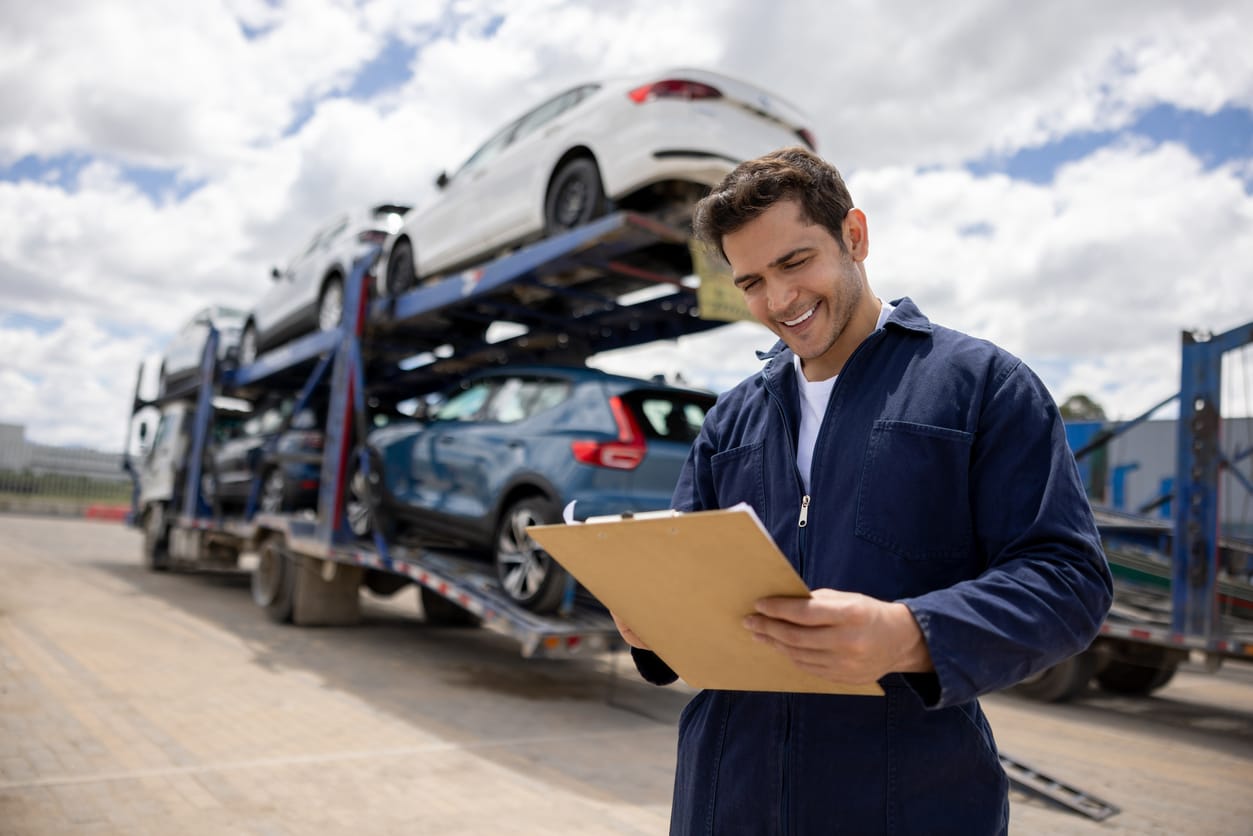
Every carrier holds cargo insurance, but the limit applies to the entire load rather than to your vehicle. A policy with a $250,000 limit carrying nine cars provides $250,000 across all nine, not per car. For nine ordinary vehicles that is usually adequate. For a car worth more than the whole limit it plainly is not.
Ask for the certificate of insurance, read the cargo limit, and compare it against your car’s agreed value. If there is a gap, the options are a carrier with higher limits, enclosed transport with fewer vehicles aboard, or your own supplemental coverage for the move. Your collector policy may already extend to transit, which is one phone call to find out.
2. Choosing Open Transport to Save Money
Open transport is correct for most cars and it is the wrong choice for this one.
An open trailer exposes the vehicle to road debris, weather and stone chips for the entire journey. On a daily driver that is the same exposure as driving it. On a car with fresh paint, a ceramic coating, expensive wheels or an agreed value in six figures, a single stone chip costs more than the entire enclosed premium.
Enclosed carriers also typically haul fewer vehicles and carry higher cargo limits, which addresses the first mistake at the same time. Get both prices before deciding rather than assuming enclosed is out of reach.
3. Not Specifying How the Car Is Secured
Two methods exist and only one belongs on a valuable car.
Wheel straps pass over the tires. No load goes through the suspension and nothing metal touches the body.
Chains hook to the frame or suspension components. Standard practice on ordinary vehicles and capable of marking a low car’s underside or stressing suspension parts.
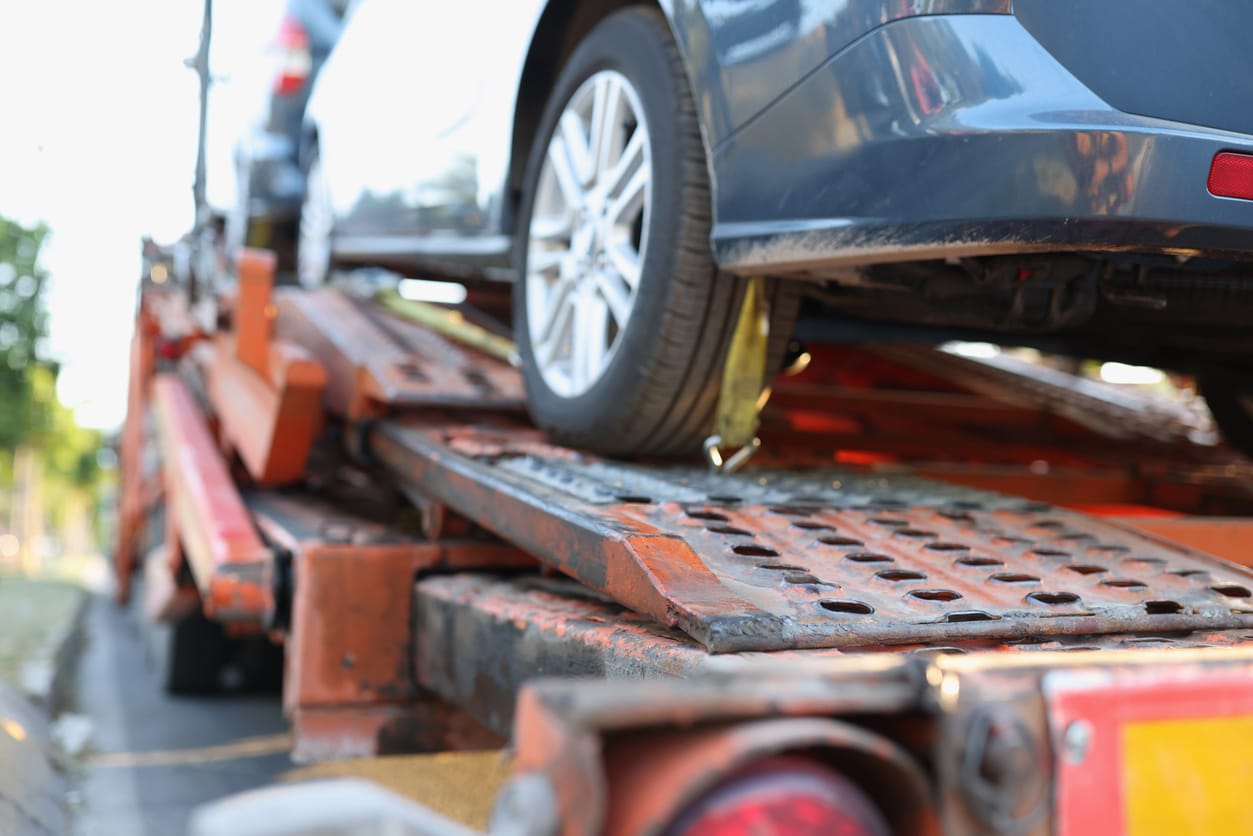
Ask for soft wheel straps in the booking instructions rather than in a conversation with the driver at the curb. Carriers who handle high value cars work this way already, but it should be on the paperwork.
4. Not Declaring the Ground Clearance
The mistake that causes actual physical damage.
A standard car hauler loads over ramps at an angle that a normal vehicle clears comfortably. A lowered car, a supercar with a front splitter, or an air suspension vehicle sitting at its lowest setting does not. The result is a scraped splitter or a damaged underside on a car where that panel costs thousands.
Say how low it sits when you book. The answer is either a lift gate trailer, which raises the car horizontally rather than up a ramp, or a shallower loading arrangement. Both are routine when arranged in advance and unavailable when the truck is already outside.
If the car has an adjustable ride height or a nose lift, write down how to operate it and hand it over with the key.
5. Photographing Badly, or Not at All
The condition report is what any claim rests on, and your photographs are what make it usable.
Wash the car first, because marks do not show through dirt. Then shoot in daylight, outdoors: every panel, both bumpers, all four wheels and their faces, the roof, the glass, the interior and the odometer. Take close detail on every existing chip, scratch and curb mark.
Do it on the day of pickup rather than from last month’s photographs, and keep the metadata intact. Then read what the driver writes on the inspection report, disagree at the time if it is wrong, and keep your copy.
6. Signing at Delivery Without Inspecting
Where most claims are actually lost.
A clean signed bill of lading is very difficult to dispute afterward. Walk the car before signing anything, compare against your photographs, and note any new damage on the document at the time in writing.
If the car arrives after dark or in rain, write on the paperwork that a full inspection was not possible in the conditions. That single sentence preserves your position. Arranging delivery in daylight is better still, and worth asking for on a car like this.
7. Choosing on Price Alone
A quote well below the others is not a better deal on any car, and on this one it is a warning.
A rate below what a carrier will actually run for does not get accepted, so the vehicle sits unassigned and the price is revised a week later, by which time your dates have moved. Worse, the cheapest operator is rarely the one with the enclosed trailer, the higher cargo limit, the lift gate and the experience of loading a low car.
Verify instead of comparing numbers. Look up the USDOT or MC number with the federal motor carrier regulator, confirm the authority is active and the name matches, ask which carrier is actually assigned, and get the insurance certificate. Ten minutes settles it. Our guide to collector car shipping covers the enclosed decision in more detail.
Common Questions
Is the carrier’s insurance enough for an expensive car? Often not. The cargo limit applies to the whole load, so compare it against your agreed value and close any gap.
Is enclosed transport worth the premium? On a high value, freshly painted or low clearance car, yes. A single stone chip can cost more than the difference.
What should I ask for on securing? Soft wheel straps over the tires rather than chains to the frame or suspension.
What if the car is very low? Declare the clearance at booking. A lift gate trailer avoids the ramp angle entirely.
What is the single most important step? Photograph every panel in daylight before loading, and inspect before signing at delivery.
Get a Quote
Call Ship A Car, Inc. at (866) 821-4555 with both zip codes, your date range, the car’s value and its ground clearance, or request an estimate for the move through the quote calculator.