Broker or Carrier for New York to Florida Car Shipping
On the New York to Florida lane specifically, a broker usually beats going direct to a single carrier, and the reason is arithmetic rather than salesmanship. This is the most seasonal corridor in the country. When ten thousand people want to move a car south in the same three weeks, access to hundreds of trucks matters more than a relationship with one.
What Each One Actually Is
The distinction is legal as well as practical, and it is worth being precise about.
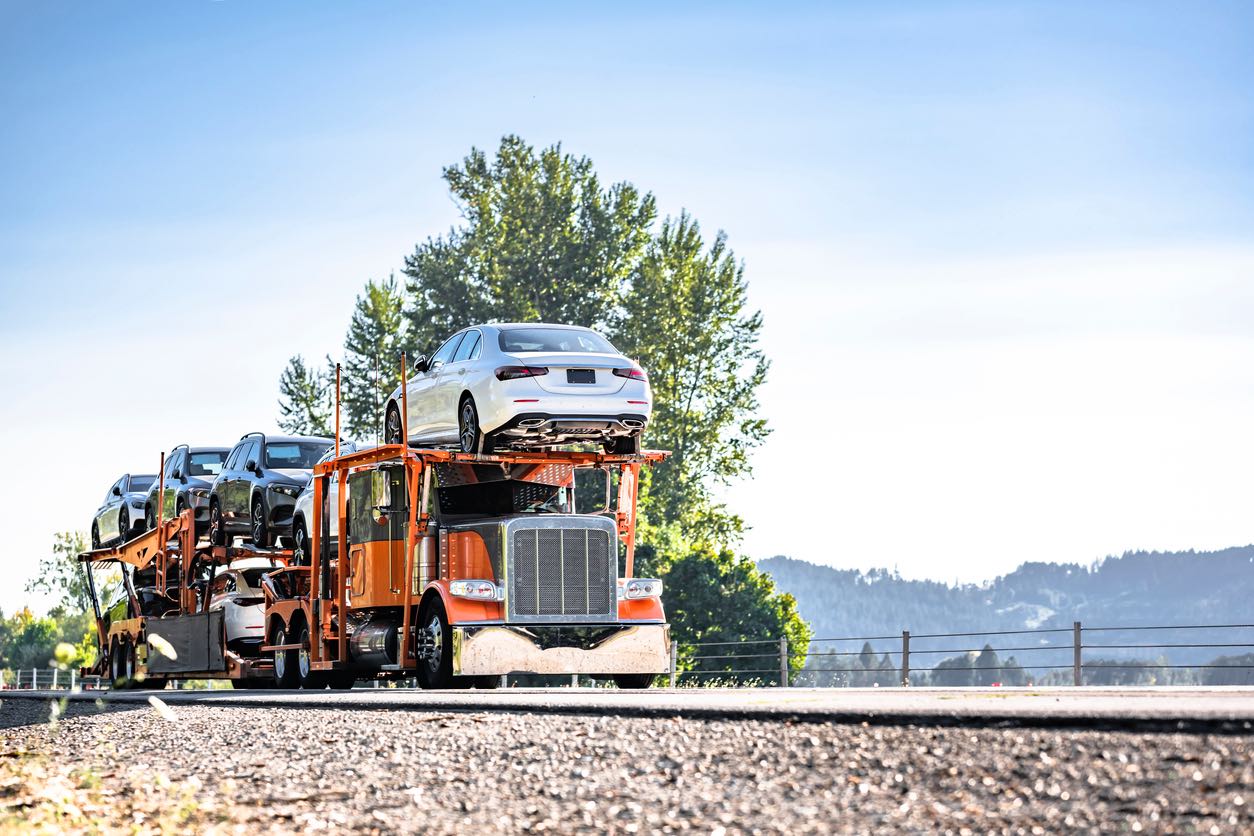
A carrier owns trucks and moves the vehicle. They are registered with a USDOT number, they hold cargo insurance, and their driver signs your bill of lading. What they can offer you is limited to where their trucks already go.
A broker arranges the move with a carrier. They are separately regulated, hold both a USDOT and an MC number, and must carry a surety bond that exists to protect customers and carriers if they fail to pay. They do not own trucks; what they own is reach.
Neither is inherently better. What differs is which problem they solve, and on a seasonal lane the problem is availability.
Why the Season Decides This
The New York to Florida corridor has two hard peaks, and they are the sharpest in the industry.
Southbound demand builds through October and peaks in November. Northbound spikes in March and April. In those windows, carriers running the lane fill within days and turn work away, and rates rise with the shortage.
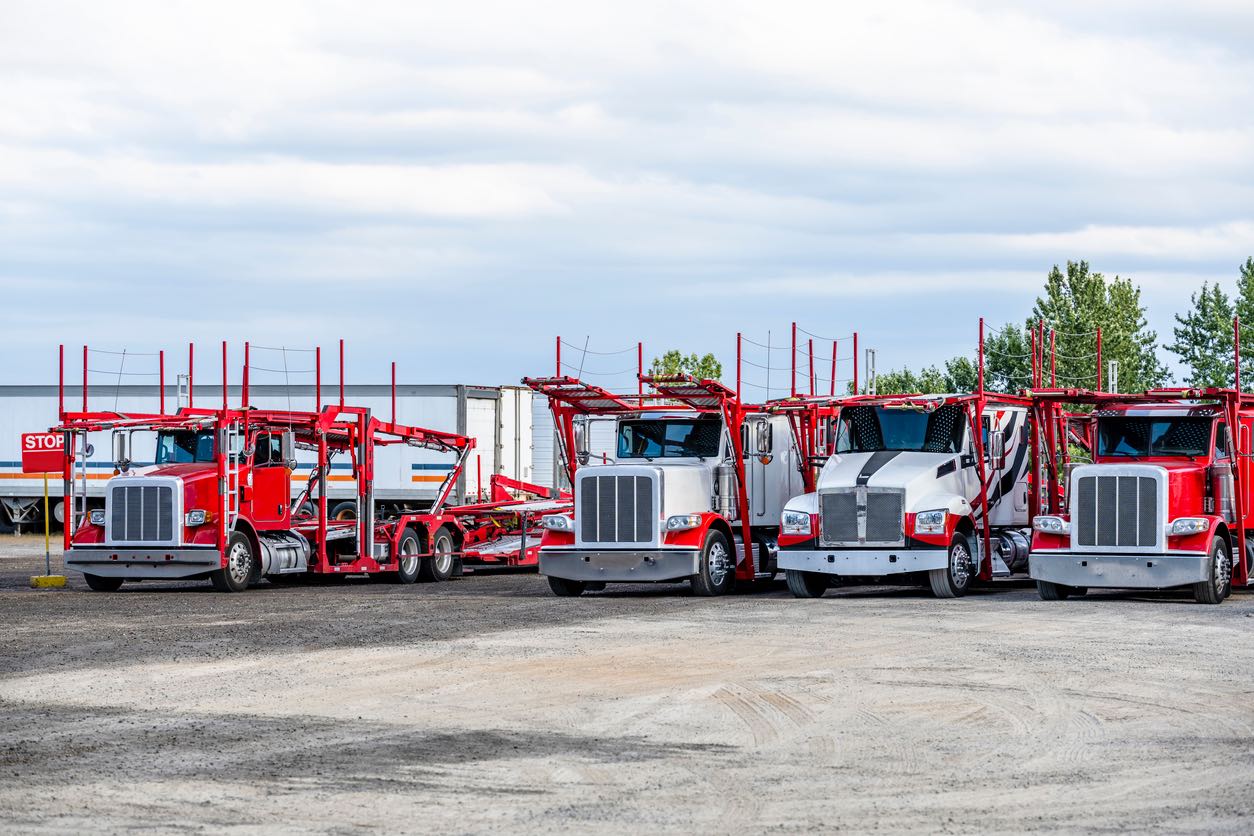
If you are dealing with one carrier and they are full for your week, that is the end of the conversation. A broker posts your vehicle where hundreds of carriers running that corridor can see it, and somebody with a gap takes it.
Outside the peaks the advantage narrows. In June, on a common lane, a good carrier with a truck going your way is a perfectly sensible booking.
What a Broker Is Actually Doing
The mechanism is worth understanding because it explains the pricing you see.
Your vehicle is posted to a digital load board with its route, dates and a rate. Carriers running that corridor see it alongside everything else available and choose. If the rate is competitive for that lane on that day, it is accepted quickly. If it is below market, it sits.
That is why a quote well below every other one is not a bargain. It is a bid that may never be accepted, while you have stopped shopping and your dates slide. A realistic rate assigned in three days beats an optimistic one that assigns in three weeks, and in the November crush it beats it by a lot.
When Going Direct to a Carrier Does Win
There are cases where a single carrier is the better answer, and it is worth being straight about them.
If you move vehicles regularly on the same lane, a direct relationship with a carrier who runs it can give you priority when capacity tightens, and consistent handling by drivers who know your vehicles. Dealerships and fleet operators book this way for exactly that reason.
If your vehicle needs specific equipment, an enclosed trailer with a lift gate for a low car, or a truck able to winch a non runner, going straight to an operator who owns that equipment removes a step and sometimes a markup.
And on a short regional hop in a quiet month, a local carrier with a truck already going your way is simply the most direct route to a good price.
What none of those cases survives is the November crush on this corridor. When the lane is full, one carrier’s schedule is a hard limit and a broker’s network is not.
What to Ask Either Way
The questions are the same whoever you are talking to, and they are quick.
Ask for the USDOT number, and the MC number if it is a broker, then check the authority is active and the insurance on file matches what you were told. Ask what the cargo policy’s per-vehicle limit is, since that is the figure that matters if anything happens. Ask whether the quote is door to door or terminal, open or enclosed, and what it excludes.
Ask when payment is due. A large deposit taken before a carrier is even assigned is a warning rather than a formality. And if you are using a broker, ask for the assigned carrier’s name and number once it is booked, because that is who signs your bill of lading and who any claim sits with.
Getting the Best Result on This Lane
Book three to four weeks ahead for a peak season move and one to two outside it.
Give a range of pickup days rather than a single date. On this corridor a three day window materially improves both your price and your chance of moving on time, because it lets a carrier fit you into a route that is already forming.

Book both directions together if you know both dates. Seasonal residents who arrange the outbound and leave the return until later routinely pay more or wait longer, because everybody heads north in the same fortnight.
And be realistic about access at the Florida end. Gated communities, condominium complexes and mobile home parks frequently will not admit a 75 foot truck, so a meeting point at a large lot nearby is the normal arrangement.
Preparing the Car
Wash it so existing marks are visible, then photograph every panel in daylight, including the wheels, the lower bumpers and the rocker panels, which are what loading marks.
Leave about a quarter tank of fuel. Empty the cabin and the trunk, since personal items are not covered by cargo insurance and they add weight. Fold the mirrors, disable a motion sensitive alarm, remove the toll transponder and hand over a physical key.
At delivery, inspect before signing, compare against your photographs and note anything unexpected on the bill of lading while the driver is present. Our guide to what affects the cost of shipping a car covers the pricing side in more detail.
Common Questions
Is a broker more expensive than a carrier? Not usually. The broker’s margin is offset by access to a competitive market of carriers, which matters most when capacity is tight.
Who is responsible if my car is damaged? The carrier whose bill of lading you signed. That is why you should know their name and USDOT number before pickup.
When should I book a southbound move? Three to four weeks ahead for October and November. One to two weeks outside the peak.
Why did my cheap quote never get picked up? Carriers choose loads from a live board. A rate below market for the lane sits unaccepted while your dates slip.
Can the truck reach my Florida community? Often not. Gated communities and condo complexes rarely admit a 75 foot truck, so expect a meeting point.
Get a Quote
Call Ship A Car, Inc. at (866) 821-4555 with both zip codes, your date range in both directions and an honest description of the access at each end, or price the move with the instant calculator.