Buying a Car Without a Driver’s License
You do not need a driver’s license to buy or own a car in the United States, and no state requires one to hold title. What you do need is identification, insurance and, in most states, registration, and it is insurance that becomes the practical obstacle rather than the purchase itself. The other constraint is obvious once stated: you cannot drive it home, so the car has to be delivered.

Buying and Titling
The purchase itself is straightforward. A dealer needs proof of identity and proof of funds, not a license.
Acceptable identification is typically a state issued non driver ID card, a passport, or a military ID. Every state issues a non driver ID through the same office that issues licenses, and it serves for essentially every transaction a license would.
Titling works the same way. Title is a record of ownership and is not conditional on your ability to drive. A dealer unfamiliar with the situation may hesitate, in which case asking them to check with their titling clerk usually resolves it in a few minutes.
Financing is the one place a license can matter in practice. Lenders are free to set their own criteria, and some ask for one. Others do not. It is worth asking before you apply rather than after a declined application sits on your record.
Insurance Is the Real Obstacle
This is the part that catches people, and it needs solving before the purchase rather than after.
Most insurers will not write a policy for an unlicensed person as the primary named insured, because their underwriting is built around a driving record they cannot see. The normal answer is to list a licensed driver, usually a household member, as the primary driver on the policy while you remain the registered owner.
Some insurers will also write a policy naming you as the owner with yourself excluded as a driver. That arrangement is common and legitimate, and it is worth asking for specifically, because a front line agent may not offer it unprompted.
Do not skip this. Most states require proof of insurance to register a vehicle, so it is not optional even if the car is going straight into a garage.
Registration
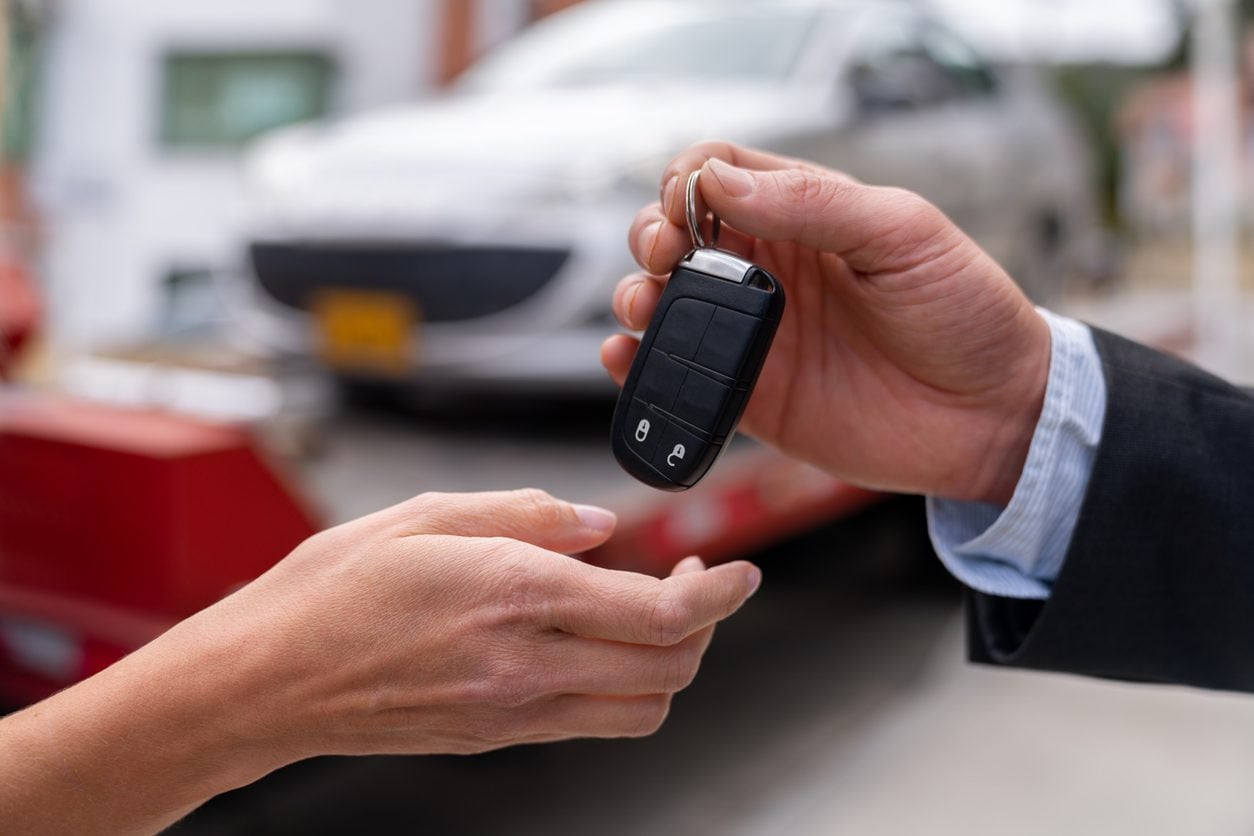
You register the car in your own name, in your own state, using your non driver ID.
Expect to need the title or bill of sale, proof of insurance, identification and payment for tax and fees, plus a safety or emissions inspection where the state requires one. States set their own deadline for registering after purchase, so check yours.
Plates come with registration and stay with you rather than with the car when you sell it.
Why This Comes Up
The situation is more common than people assume, and the reasons vary.
Parents buy cars for teenagers who have a permit but not a license. Adults who cannot drive for medical reasons buy vehicles for a family member or a hired driver to operate. Collectors buy cars that will never be driven on a road. People relocating from overseas buy before their US license comes through. Investors buy vehicles as assets.
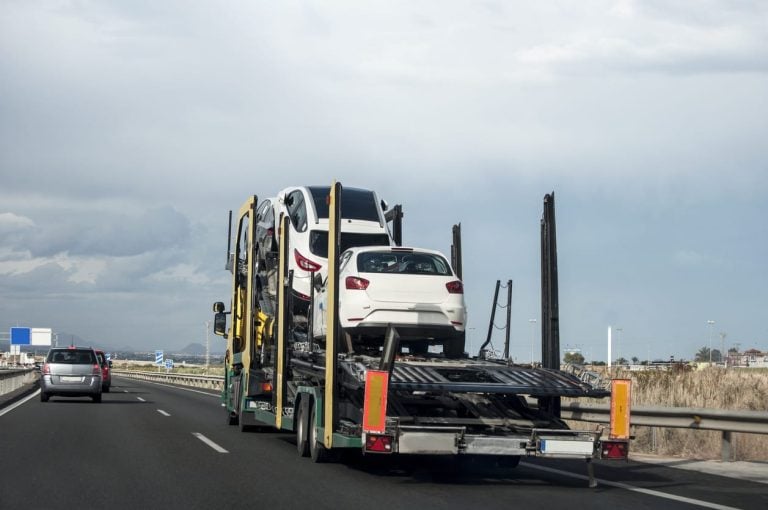
In every one of those cases the buying and titling side is the same, and in every one of them the car has to get from the seller to you somehow.
Getting the Car to You
If you cannot drive, this is not a convenience question. It is the only way the car reaches you.
Arrange transport before you complete the purchase, so the seller is not left holding a sold car and you are not paying storage. Have the title signed and insurance in place first, then book the move.
You will need somebody at the delivery end to receive the vehicle and sign the bill of lading, and that person should inspect it properly rather than signing to be polite. Brief them: compare against the photographs, check the lower bumpers and wheels first because those are what loading damages, and note anything unexpected on the paperwork while the driver is still there.
If you bought remotely and have not seen the car in person, ask the seller for daylight photographs of every panel before it is collected. Without them you have nothing to compare against at delivery.
Common Questions
Can I buy a car without a license? Yes. No state requires a license to buy or hold title to a vehicle.
What identification do I need? A state issued non driver ID, a passport or a military ID is normally sufficient.
Can I insure it? Usually by listing a licensed driver as the primary driver while you remain the owner, or by being excluded as a driver.
Can I register it in my name? Yes, in most states, with a non driver ID and proof of insurance.
How do I get the car home? Have it shipped, and arrange it before completing the purchase so nobody is left paying storage.
Get a Quote
Call Ship A Car, Inc. at (866) 821-4555 with both zip codes and who will receive the car, or price the move with the instant calculator.