Auto Shipping Cost Saving Tips to Remember
The short list: choose open transport unless the vehicle warrants enclosed, give accurate details so the quote does not get revised later, and read quotes for plausibility rather than picking the lowest number. Booking one to four weeks ahead, flexible dates and quoting all your cars on one order will not lower the price, but they make the move easier to schedule. Below is how each one works, and one thing that is not worth chasing.
Use an Open Carrier In Place of an Enclosed One
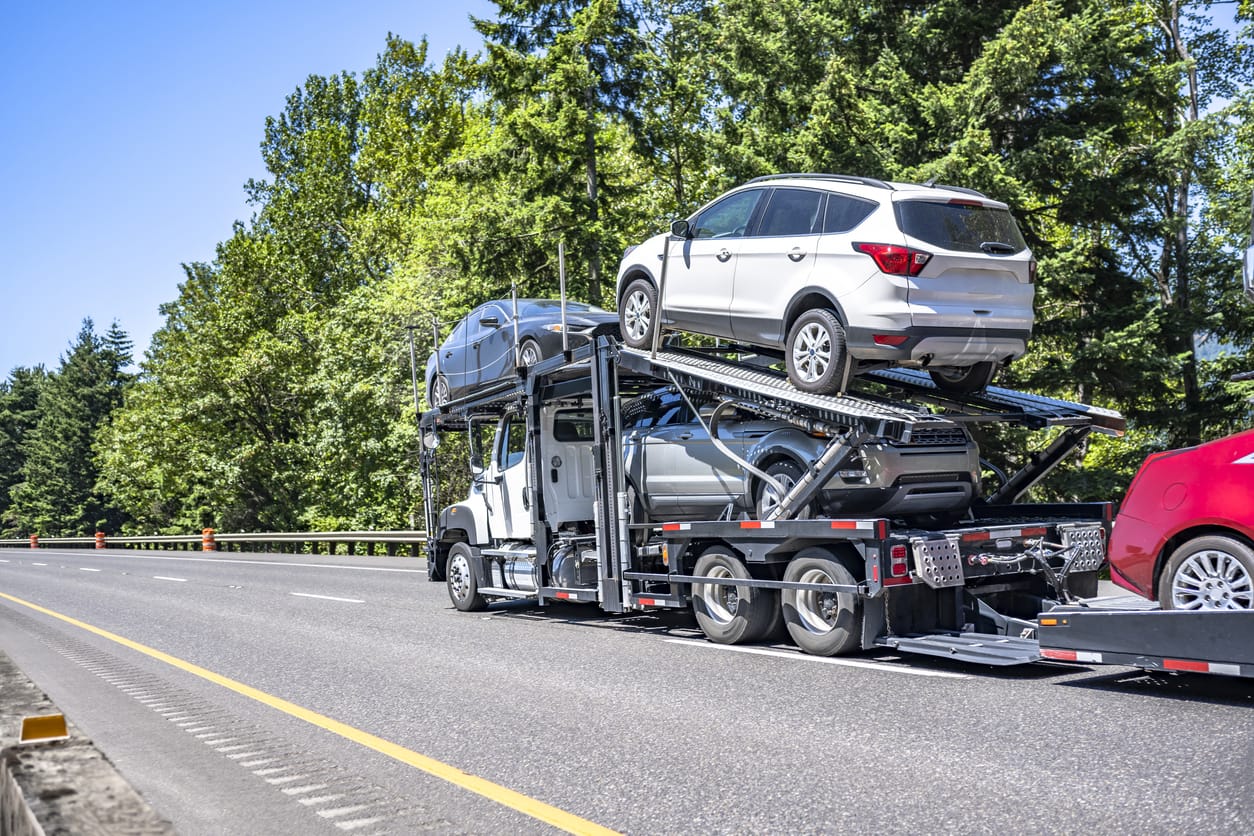
You can ship a car in an enclosed carrier or an open carrier. The difference between the two is easy to understand. Due to the extra protection they give to the vehicle and everything inside, enclosed carriers cost more. No matter what the weather is or what time of year it is, the enclosed trailer can deliver the car as-is.
If you wish to ship something like a classic collectible or a high-end sports car, an enclosed trailer is the best choice, even though it costs more. But if your car is just something you drive every day and has no special features or accessories, you should consider getting an open carrier.
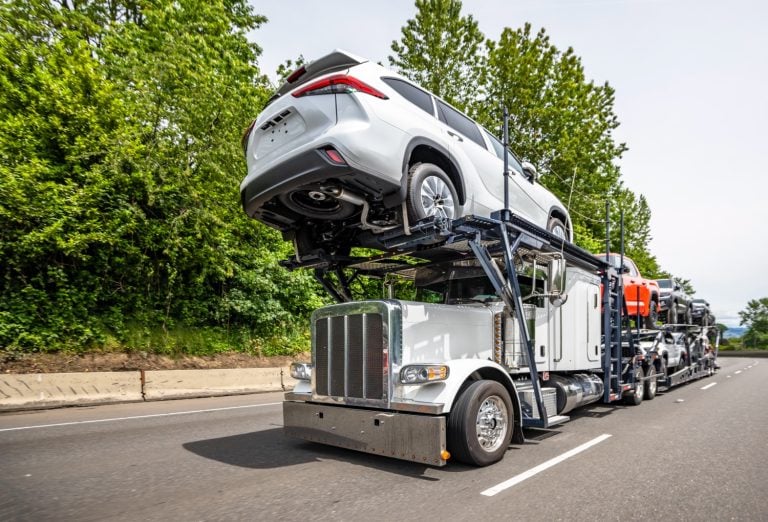
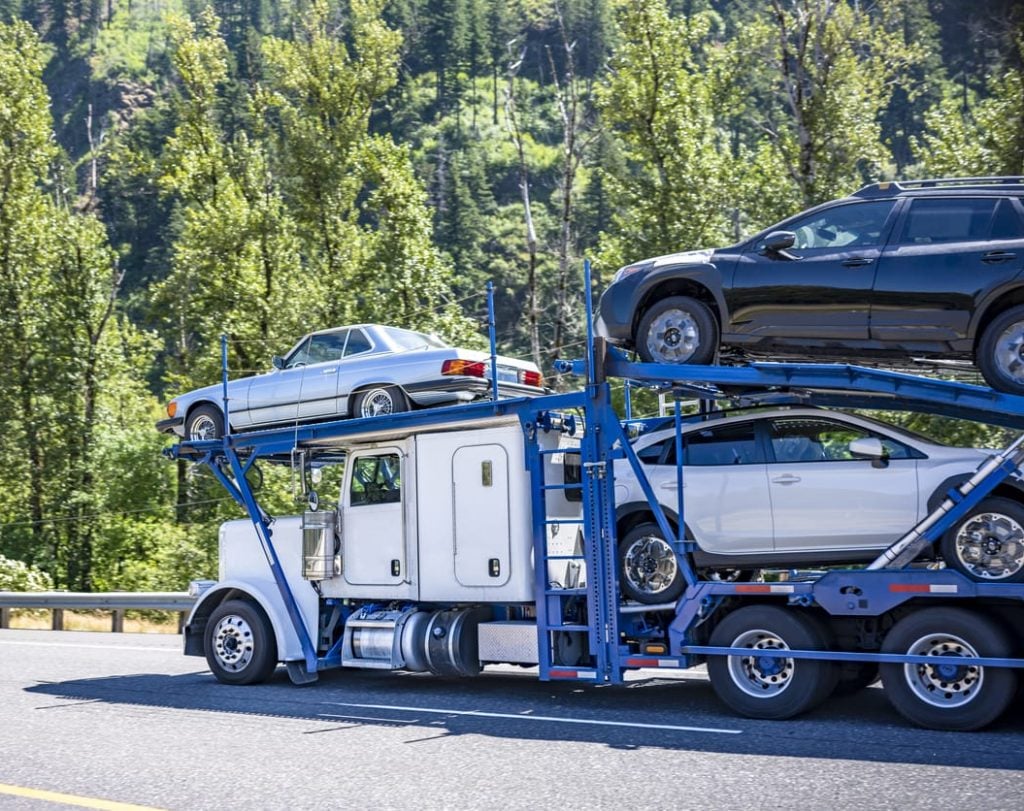
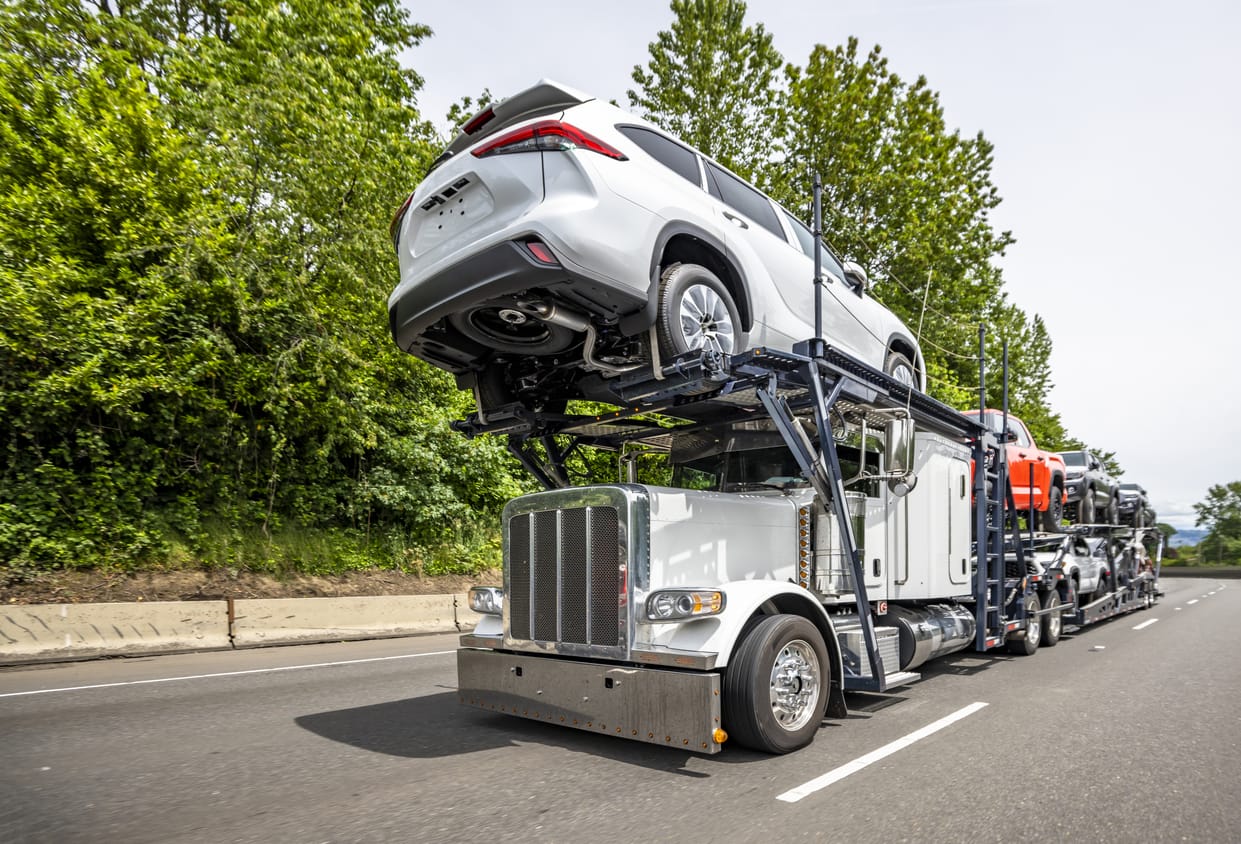
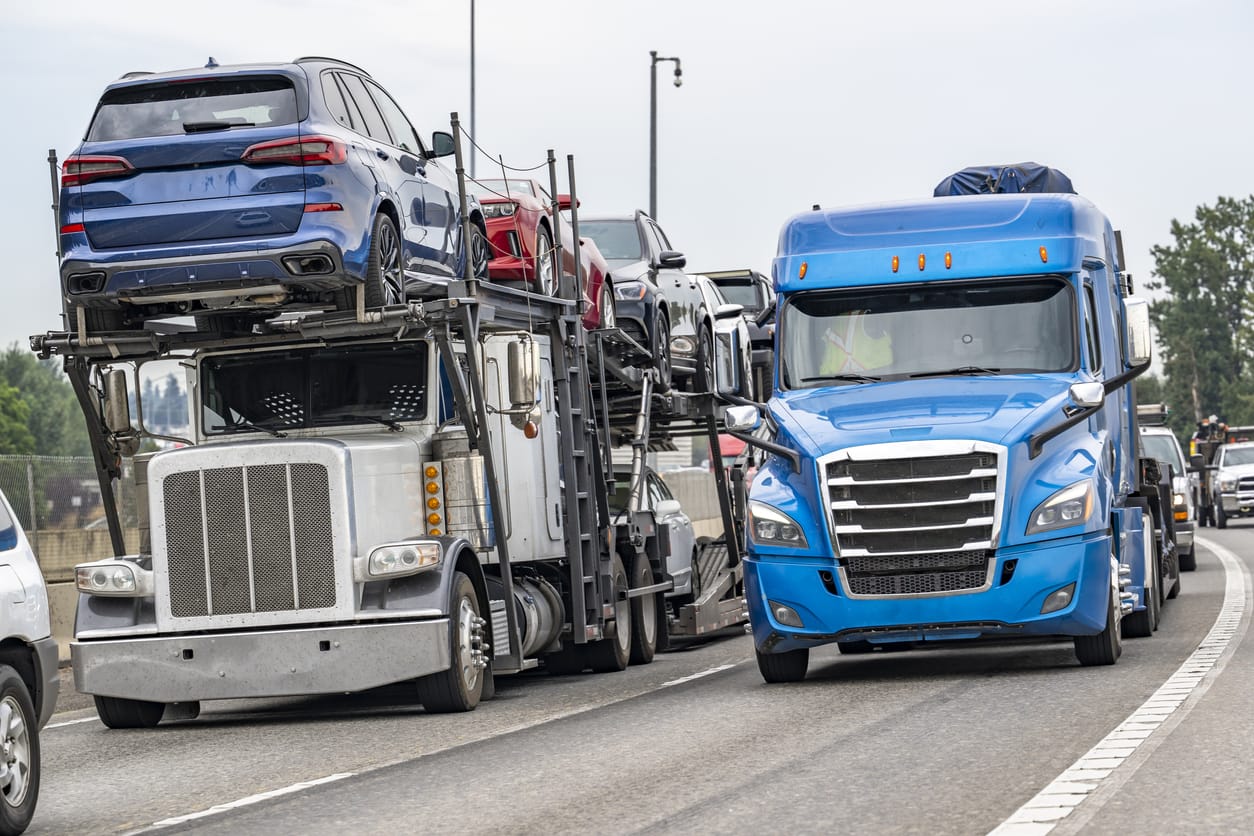
Open carriers are the industry standard: roughly nine out of ten vehicles ship this way, including most new cars traveling from factory to dealership. Your car rides exposed to weather the same way it would parked in a driveway, and carrier insurance covers it either way. For a daily driver, open transport is the sensible default and the single largest line item you can control.
Terminal-to-Terminal Transportation
Most people have no idea that you are not required to have your vehicle picked up or dropped off at your address when using a transportation company like Ship A Car, Inc. They simply choose to transport their vehicles this way, and the alternative usually saves less than people expect.
With terminal-to-terminal service, you drive your car to a storage terminal near you, and collect it from a terminal near your destination. It can shave something off the price on lanes where terminals are convenient to both ends. Weigh it honestly, though: you take on two drives, terminals often charge storage if the vehicle sits, and door-to-door is included in Ship A Car quotes at no extra cost. For most moves the savings do not survive the inconvenience.
Compare Quotes, and Treat Outliers as a Warning
Getting quotes from a few reputable companies is smart. Just be careful how you read them. A number far below everything else usually is not a better deal; it is a placeholder that gets revised upward once no carrier accepts the load, or a shipment that sits unassigned while your dates pass. The quote worth taking is the one that already includes door-to-door service, carrier insurance, and taxes, so the figure you approve is the figure you pay.
Ship A Car, Inc. has moved vehicles for customers across the United States since 2012, and quotes are built the same way every time: your real route, your actual vehicle, and no charges added after booking.
Be Flexible with Transportation Dates
Many auto transport businesses will let you set exact pick-up and delivery dates, but holding a carrier to one exact day can mean paying for expedited service. A window of a few days does not lower the standard price; it lets the coordinator match your car to a truck already scheduled through your area. The trade-off is that you might be without a vehicle for a few days longer than you expected.
Ship All Cars at Once
If you need to relocate more than one car, you shouldn’t ship each vehicle separately or delay shipping the second vehicle until later. Quote them together on one order. Cars that can ride the same truck are simpler to schedule than separate orders weeks apart, and one coordinator handles both pickups.

Understand the Insurance You Already Have
Every licensed carrier is required to carry cargo insurance, and that coverage is included in your transport price. You are not buying it separately, which means the money-saving move here is not shopping for a policy: it is knowing what the carrier’s coverage limit is before you book, and whether it comfortably exceeds your vehicle’s value.
Ask your transport coordinator for the carrier’s insurance certificate and coverage limit. If your vehicle is worth more than that limit, which happens with classics and high-end models, that is the moment to consider supplemental coverage or an enclosed carrier, not an add-on package sold on top of the shipment. Check your own auto policy too, since some cover a vehicle in transit and you may already be protected for the gap.
Book One to Four Weeks Ahead
This one buys certainty rather than savings, and it is the one most people skip. Booking early lets your shipment be matched to a carrier already scheduled to run your route, rather than waiting for one to come free. Expedited service is the paid way around a short deadline, because it asks a driver to change plans. A week or more of lead time, paired with flexible pickup dates, gives you the firmest date on any given lane. Our report on how far in advance to book car shipping measured it on our own bookings: comparable trips cost about the same however early they were booked, and about two weeks of notice was the sweet spot for a truck on time.
Final Thoughts
Shipping a car costs what the lane, the vehicle, and the calendar say it costs. Ship open unless the car warrants otherwise, give accurate vehicle details up front, and treat a quote far below the rest as a warning rather than a bargain. Booking ahead and keeping your dates flexible will not change that price, but they are what put the car on a truck when you need it. For a quote built that way, call Ship A Car at (866) 821-4555 or use the quote calculator.