Shipping a Car from Boston to Florida
Boston to Florida is the classic snowbird lane, and it is the most seasonal route in the country in both directions. Roughly 1,250 miles to Jacksonville and 1,500 to South Florida, it is well served and quick to assign for most of the year. For about eight weeks each autumn and each spring it is the opposite, and knowing which weeks those are is worth more than any amount of shopping around. What the run has actually cost in our own orders, and how long the truck has taken, is on our Massachusetts to Florida car shipping page.
The Two Windows That Decide Your Price
Southbound demand builds through October and peaks in November. Northbound spikes in March and April. Those are the weeks when tens of thousands of vehicles want to move in the same direction at the same time.
Inside them, rates rise, carriers fill early, and the flexible pickup date that would normally save you money is worth less because everybody wants the same days. Outside them the same route is unremarkable and reasonably priced.
The single largest saving available on this lane is moving your dates. Late September southbound, or early May northbound, avoids the crush entirely. If your dates cannot move, book three to four weeks ahead rather than one to two.
Book both directions together if you know both. Seasonal residents who arrange the outbound and leave the return until later routinely pay more or wait longer, because everybody heads north in the same fortnight.
The Route
This is Interstate 95 almost the whole way, which is why the lane works so well.
Carriers run I-95 south through Providence, the New York region, Philadelphia, Baltimore, Washington, Richmond and the Carolinas into Florida. Some divert to Interstate 81 through the Shenandoah Valley to avoid the Northeast Corridor congestion, rejoining further south.
Within Florida, I-95 continues down the east coast to Jacksonville, Daytona, the Space Coast, Palm Beach and Miami, while Interstate 75 serves Tampa, Fort Myers and Naples on the Gulf side. A Gulf coast destination adds a leg across, which is why it usually prices a little above an east coast one.
How Long It Takes
Plan on four to seven days door to door, and longer in the peak weeks.
Transit itself is typically two to four days once collected. The wait for a carrier to be assigned is what varies most: a few days outside the peaks, potentially over a week in November if the rate is not competitive.
Expect a delivery window rather than a time. Federal hours of service limit driving, so a driver who runs out stops for the night whatever distance remains.
Access at the Florida End
This is where the practical problem lives, and it is worth settling before you book.
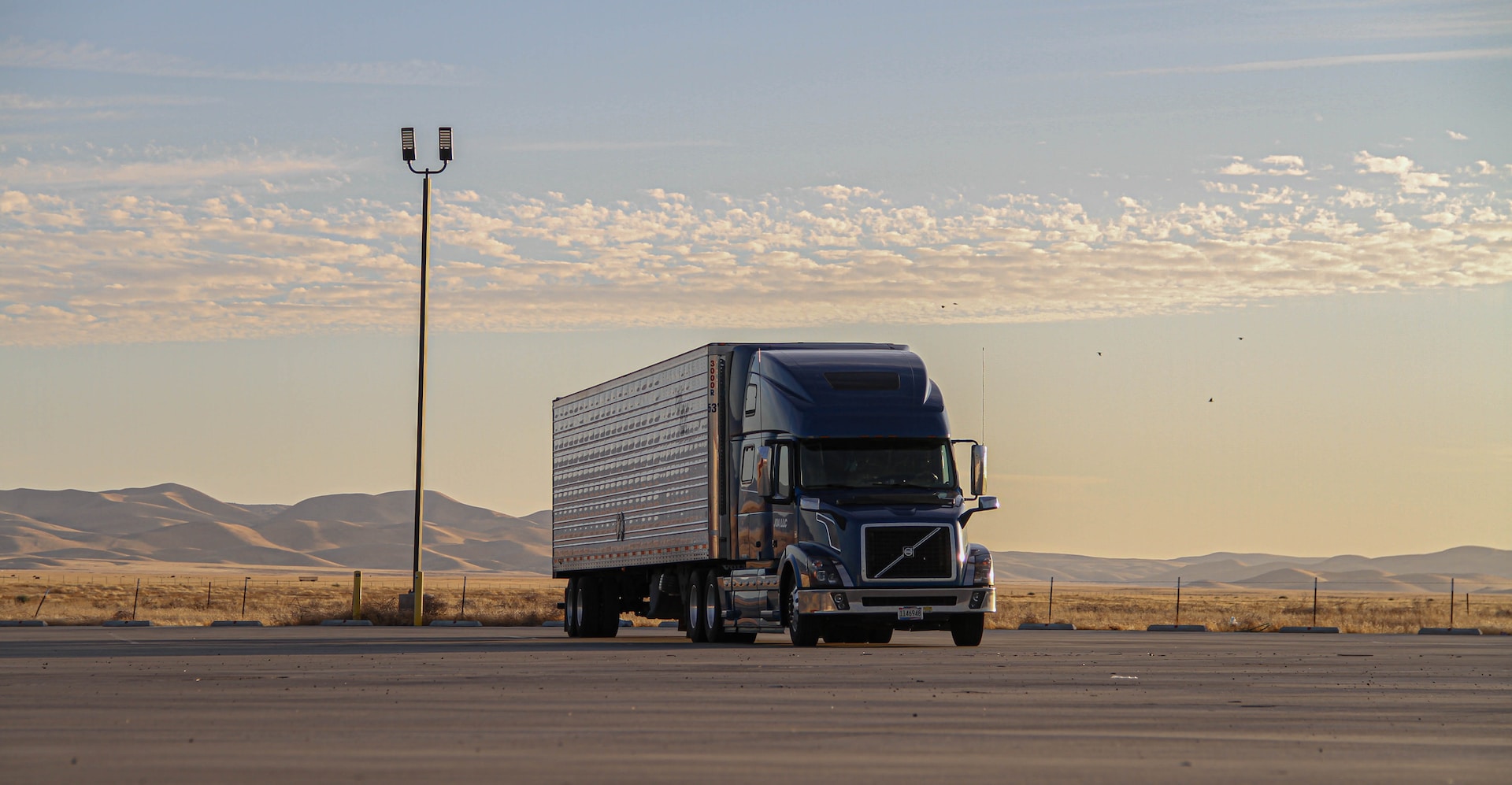
A loaded car hauler is around 75 feet long and 13 feet 6 inches tall. Gated retirement communities, condominium complexes and mobile home parks routinely will not admit a vehicle that size, and many have height restrictions at the entrance, narrow internal roads and nowhere to turn around.
The normal arrangement is a meeting point: a large retail lot near an interstate exit or just outside the community gates. Check with your community management too, since some have rules about commercial vehicles and delivery hours.
The Boston end is easier but not trivial. The older neighborhoods, narrow streets and permit parking mean a meeting point is often simpler there as well.
Preparing a Car That Will Sit
A seasonal car is different from an ordinary shipment because it sits for months at the other end.
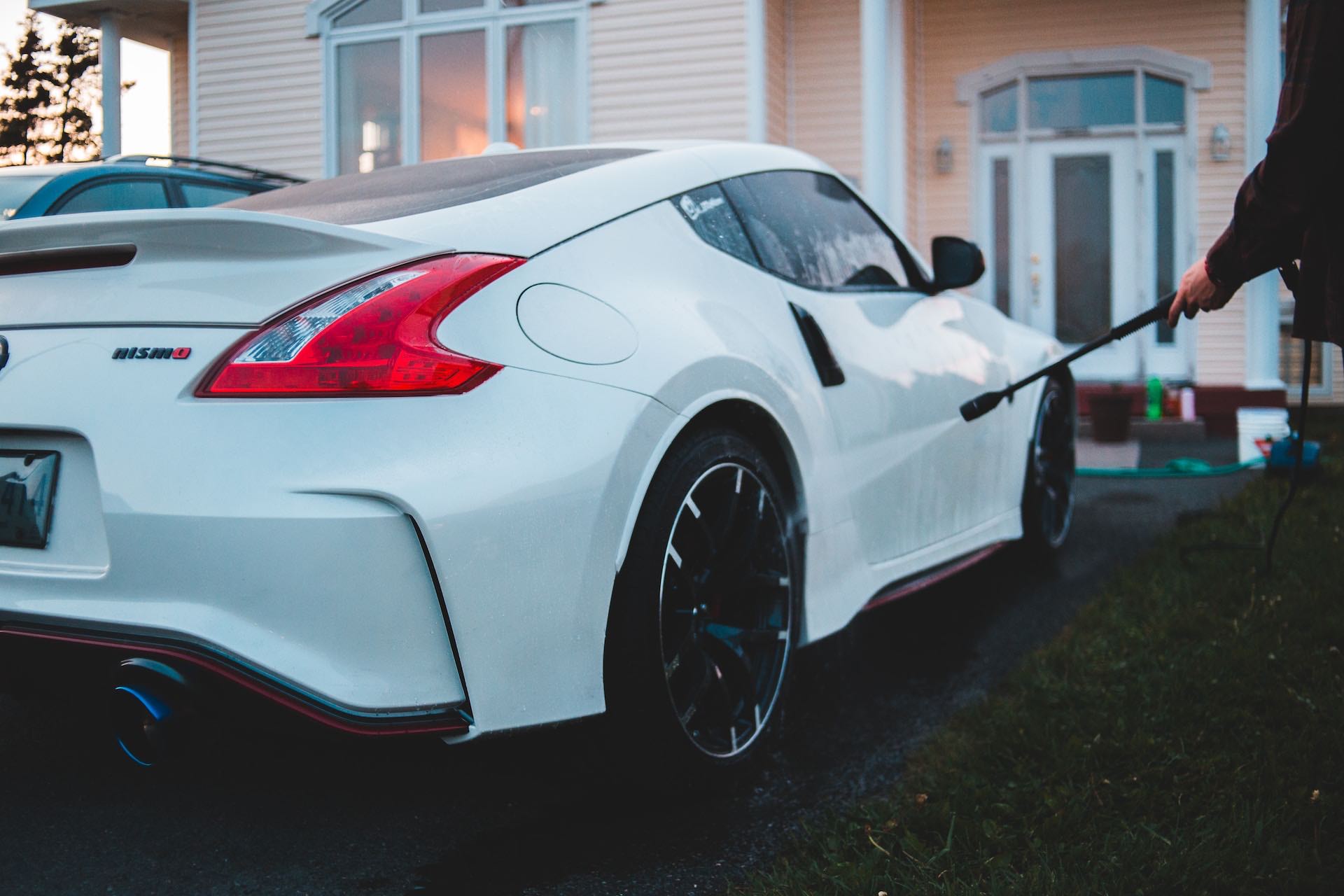
Wash it so existing marks are visible, then photograph every panel in daylight, including the wheels, the lower bumpers and the rocker panels, which are what loading marks. Leave about a quarter tank of fuel.

Empty the cabin and the trunk, since personal items are not covered by cargo insurance and they add weight. Fold the mirrors, disable a motion sensitive alarm, remove the toll transponder, which matters on an I-95 route more than most, and hand over a physical key.
Then plan for the months ahead. A battery tender if the car will be parked for a season and power is available. Tire pressures checked at both ends. Fresh fluids if due. Keep your insurance active for the whole period, because dropping it saves very little and leaves theft and weather uncovered.
Florida heat is the other factor. Remove anything that can melt, warp or burst, and arrange covered parking if you can. Our guide to seasonal car transport to Florida covers the destination in more detail.
Registration, Insurance and Residency
A long seasonal stay raises a few administrative questions, and they are easier settled before you leave than after you arrive.
Most states let a visitor keep out of state registration, and a seasonal resident who keeps a permanent home in Massachusetts normally does. What varies is where the threshold sits, and a stay approaching six months can cross it. Check Florida’s current rules against your own state’s, because the two do not always agree about who you are.
Tell your insurer the vehicle will be garaged in Florida for part of the year. Rates are location based, and an insurer who does not know where the car actually sits is an insurer with a reason to argue at claim time. It is usually a phone call rather than a new policy.
Keep coverage running for the whole period in both directions, including while the car is on the truck. The carrier’s cargo insurance covers damage in transit; it is not a substitute for your own policy once you are driving again.
Open or Enclosed
Open transport carries the overwhelming majority of snowbird vehicles and it is right for an ordinary car.
Enclosed costs about a third more and is worth it on a collector vehicle or fresh paintwork, and particularly on a northbound spring move, when the I-95 corridor has been salted all winter. It has a second advantage in Florida: enclosed carriers are frequently smaller trucks that can reach an address a full size open trailer cannot.
Common Questions
When is this lane busiest? Southbound in October and November, northbound in March and April. Both rates and lead times rise in those windows.
How long does it take? Four to seven days door to door, of which two to four is transit. The wait for assignment is what stretches in peak weeks.
Can the truck reach my Florida community? Frequently not. Gated communities, condo complexes and mobile home parks rarely admit a 75 foot truck, so plan a meeting point.
Does the Gulf coast cost more than the east coast? Usually slightly, because it adds a leg across the state from the I-95 corridor.
Should I book the return at the same time? Yes, if you know the dates. Everybody heads north in the same fortnight and late bookings cost more.
Get a Quote
Call Ship A Car, Inc. at (866) 821-4555 with both zip codes, your date range in both directions and an honest description of the access at each end, or price the move with the instant calculator.