How to Ship a Nissan Sentra Across the United States
The Sentra is about as easy as vehicle transport gets, and that is worth knowing because it means the quote should sit at the bottom of the range for whatever lane you are on. It is a compact sedan of entirely ordinary dimensions, every carrier has loaded one, and nothing about it requires special equipment. If a price comes back high, the reason is the route, the timing or the access.
Why It Prices at the Bottom
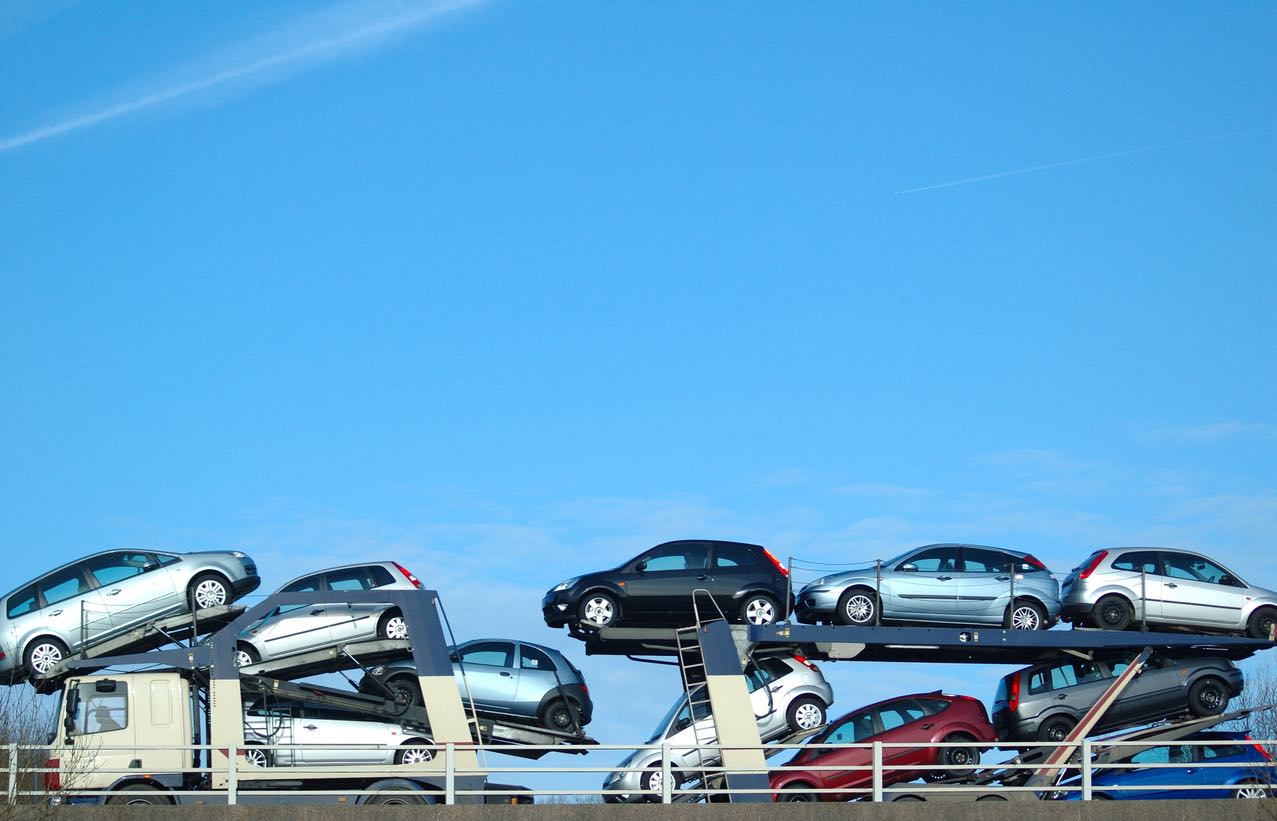
A carrier sells two things: deck space and payload. A Sentra uses very little of either.
At roughly 2,900 to 3,100 pounds and around 15 feet long, it is one of the lighter and shorter vehicles on a typical trailer. It fits any deck position without displacing anything, and on a mixed load it is frequently the vehicle a carrier uses to fill a remaining space.
Compare that with a full size pickup or a three row SUV, which take more length, weigh substantially more, and sometimes have to occupy a particular position. Those price higher for good reason. A Sentra does not.
If you are being quoted a premium, ask what is driving it, because the vehicle itself is not.
What Actually Changes the Number
The lane. How much carrier traffic already runs your route matters far more than the mileage. A busy corridor between metropolitan areas prices well; two small towns off the interstate system do not.
Timing. A range of pickup days is the single most valuable thing you can offer. Summer is the busiest season in the industry and prices firm accordingly.
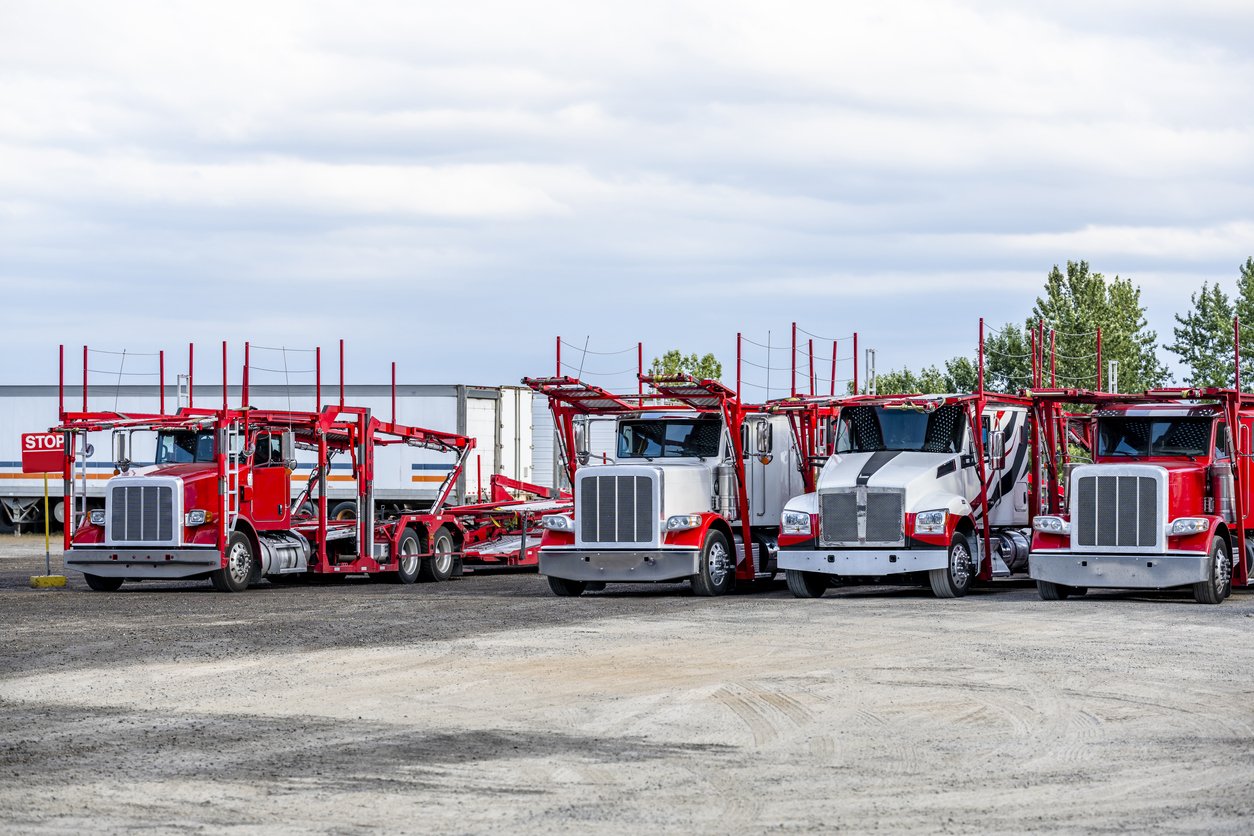
Access at both ends. A loaded hauler is around 75 feet long and 13 feet 6 inches tall. A narrow street with low branches means a meeting point at a large lot near a highway, which is normal and worth agreeing when you book.
Open or enclosed. Enclosed costs about a third more. On a Sentra it is very hard to justify unless the car is unusually new or has just been repainted.
Whether it runs. An inoperable vehicle needs a winch and a carrier equipped for it. Say so up front, because a car discovered not to start at pickup is the most expensive kind of surprise.
Coast to Coast Specifically
Since this is frequently a long-distance move, the cross-country picture is worth stating.
Plan on five to seven days in transit once the vehicle is collected, plus a few days for a carrier to be assigned beforehand. Treat the delivery date as a range rather than an appointment: drivers work under federal hours of service limits and a hauler making several pickups and deliveries does not travel in a straight line.
Longer trips cost more in total and less per mile, because the fixed parts of the job spread across more distance. That is why a coast-to-coast quote frequently looks better value per mile than a short regional one.
On a long summer run across the Southwest, empty the cabin completely. Interior temperatures on an open upper deck become extreme, and aerosols, electronics and anything pressurized do not survive it.
Students, First Cars and Remote Sales
Three situations account for most Sentra shipments, and each has a wrinkle worth knowing.
Students. The Sentra is a common first car and a common campus car, which means a lot of these shipments happen in the August and May crush when every university in the country is moving at once. Book three to four weeks ahead in those windows rather than one to two, and expect a meeting point rather than a residence hall delivery.
Family handovers. A car passed to a son or daughter in another state is a normal shipment, but make sure the person receiving it understands they are signing for its condition. Send them your pickup photographs before it arrives so they have something to compare against.
Remote purchases. On a used car bought sight-unseen, ask the seller to photograph it properly before release rather than relying on the listing photographs, and get the condition described specifically on the bill of lading rather than as general wear. The driver has no idea what the car looked like before they collected it, so anything not recorded at pickup is difficult to argue about later.
Preparing It
Wash it so existing marks are visible, then photograph every panel in daylight, including the wheels, the lower bumpers and the rocker panels, which are what loading marks. Photograph the odometer.
Leave about a quarter tank of fuel. More is unnecessary weight; less risks the car not making it to a station after delivery.

Empty the cabin and the trunk completely. Personal items are not covered by cargo insurance, they add weight and they move around in transit.
Fold the mirrors, disable a motion sensitive alarm, and remove a toll transponder so you are not billed for the truck’s route. Check tire pressures and note any fluid leaks. A car that drips onto the vehicle below it on the trailer becomes somebody else’s problem, and a bad leak will get it declined.
At Pickup and Delivery
Walk around the car with the driver at pickup rather than handing over the keys and going inside. The condition report on the bill of lading is written then, and it is the document that settles any later dispute. If you disagree with something on it, say so before it is signed.
At delivery, inspect before signing, in daylight if at all possible, and compare against your photographs. Look at the lower bodywork, the wheels and the areas around the tie-down points first, since that is where transport damage appears.
Note anything unexpected on the paperwork while the driver is present. If the car arrives after dark or in heavy rain, write on the bill of lading that a full inspection was not possible before you sign it. That single sentence preserves your position. Our guide to what car shipping insurance actually covers explains the cargo policy.
Common Questions
Is a Sentra cheap to ship? It is at the bottom of the range. It is light, compact and fits any deck position.
How long does coast to coast take? Five to seven days in transit once collected, plus a few days for a carrier to be assigned.
Do I need enclosed transport? Very rarely. Only if the car is unusually new or freshly repainted.
How much fuel should I leave? About a quarter tank.
What if it does not run? Declare it when you book. It needs a winch and a carrier equipped for it, and discovering it at pickup is expensive.
Get a Quote
Call Ship A Car, Inc. at (866) 821-4555 with both zip codes and your date range, or price the move with the instant calculator.