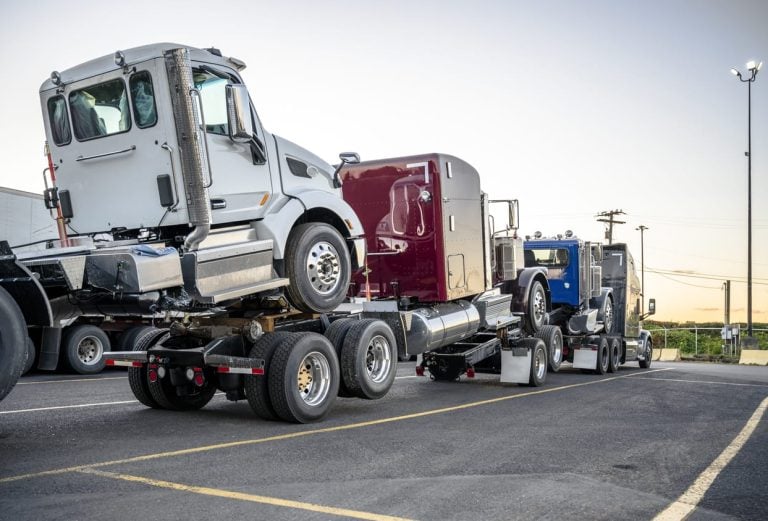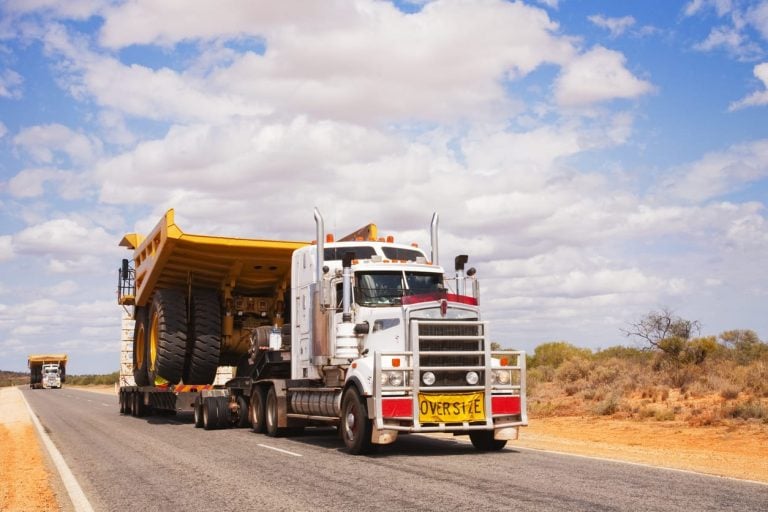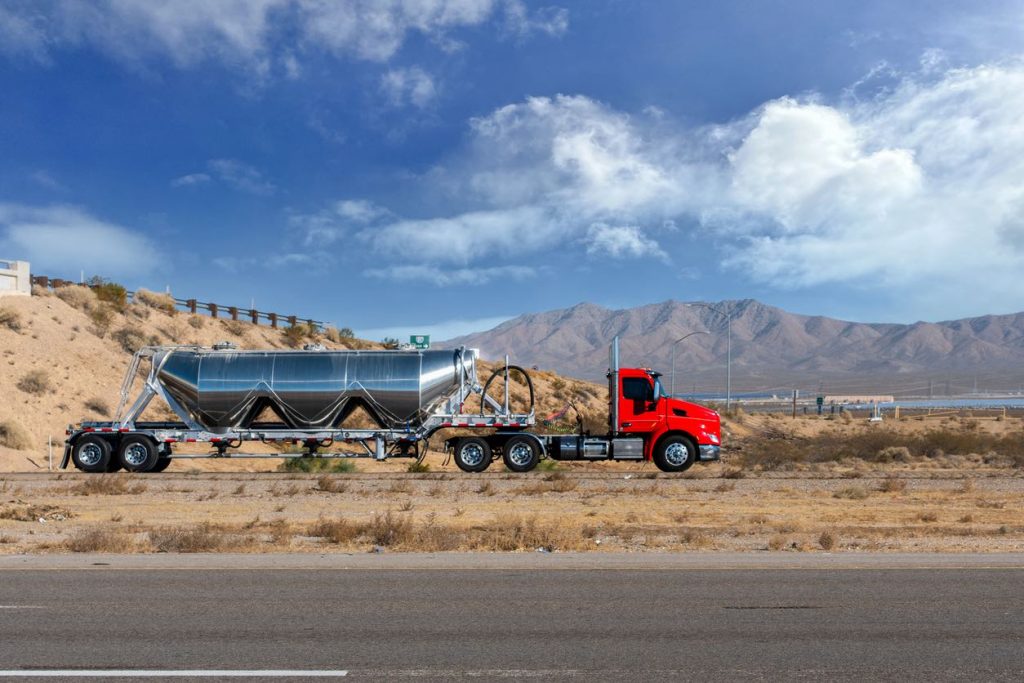
West Virginia Heavy Equipment Shipping
West Virginia is the hardest state east of the Rockies to move heavy equipment through, and the reason is simple: there is almost no flat ground. Sustained grades, tight switchbacks, narrow valley roads and a great many old bridges make routing the whole job here. The permits are ordinary; the geography is not.

The Legal Limits
West Virginia follows the standard federal figures.
Maximum width is 8 feet 6 inches, maximum height is 13 feet 6 inches, and gross weight is capped at 80,000 pounds with 20,000 on a single axle and 34,000 on a tandem. Past any of those the load needs a permit.
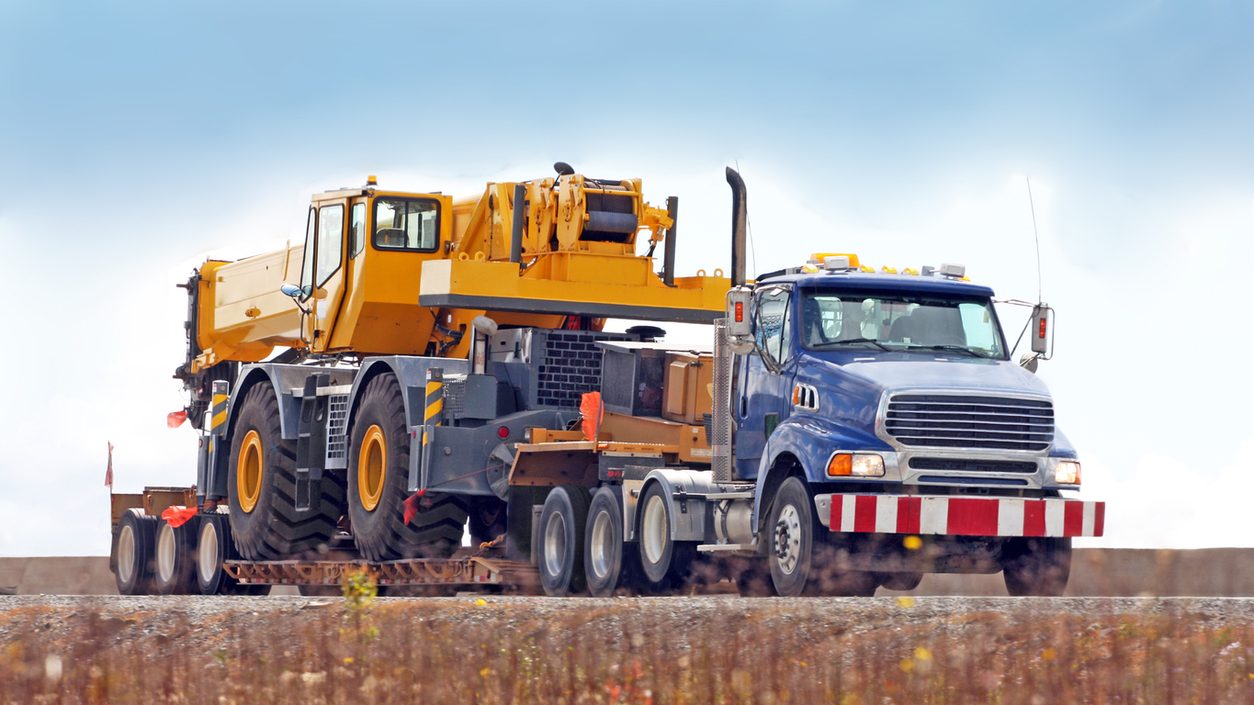
Height includes the trailer, which is what catches people. A flatbed deck sits around 5 feet off the road, so an 8 foot 6 inch machine is already at the ceiling. A step deck buys roughly a foot; a lowboy drops the deck to around 18 to 24 inches, which is what tall equipment travels on here.
Permits and the Turnpike
Oversize and overweight permits come from the West Virginia Division of Highways, issued against a specific machine, configuration and route.
The West Virginia Turnpike, carrying Interstate 77 in the south, is operated by the Parkways Authority and handles its own authorization, so a route using turnpike mileage needs that arranged as well.
Routine permits are normally issued quickly. Wider loads bring escorts, and the largest require engineering review of structures along the route. Permitted movement is generally daylight only on weekdays with holiday restrictions, and in mountain terrain that restriction bites harder than it does on flat interstate.
The Terrain Is the Constraint
This is what separates West Virginia from its neighbors.
Sustained grades are the everyday problem. A loaded lowboy climbing a long grade needs power and descending one needs brakes, and both are harder with a high center of gravity. Engine braking and gearing matter more here than almost anywhere east of the Rockies.
Switchbacks and tight radii are the second. A 75 foot combination needs swing room, and a mountain road with a hairpin and a rock face on one side simply does not have it. Some routes that look direct on a map are unavailable to a permitted load.
Valley roads follow rivers, which means narrow carriageways, frequent bridges and very little shoulder. There is often no alternative route in the same corridor, so a closure means a long detour rather than a short one.
Plan a route survey for anything permitted. A carrier who runs West Virginia regularly is worth considerably more than one who does not, and that experience is a genuine part of what you are buying.
Bridges Deserve Their Own Note
West Virginia has a large inventory of older bridges relative to its size, and a long-documented maintenance backlog.
The practical consequence is posted weight limits on secondary roads and county bridges. A permit for a state route does not authorize a posted local crossing, and a machine legal for the whole interstate run can be stopped a mile from the job site.
Confirm the last mile specifically. It is the part of a West Virginia move most likely to go wrong, and it is the part a route survey exists to catch.
What Actually Moves Here
The industries shape the loads.
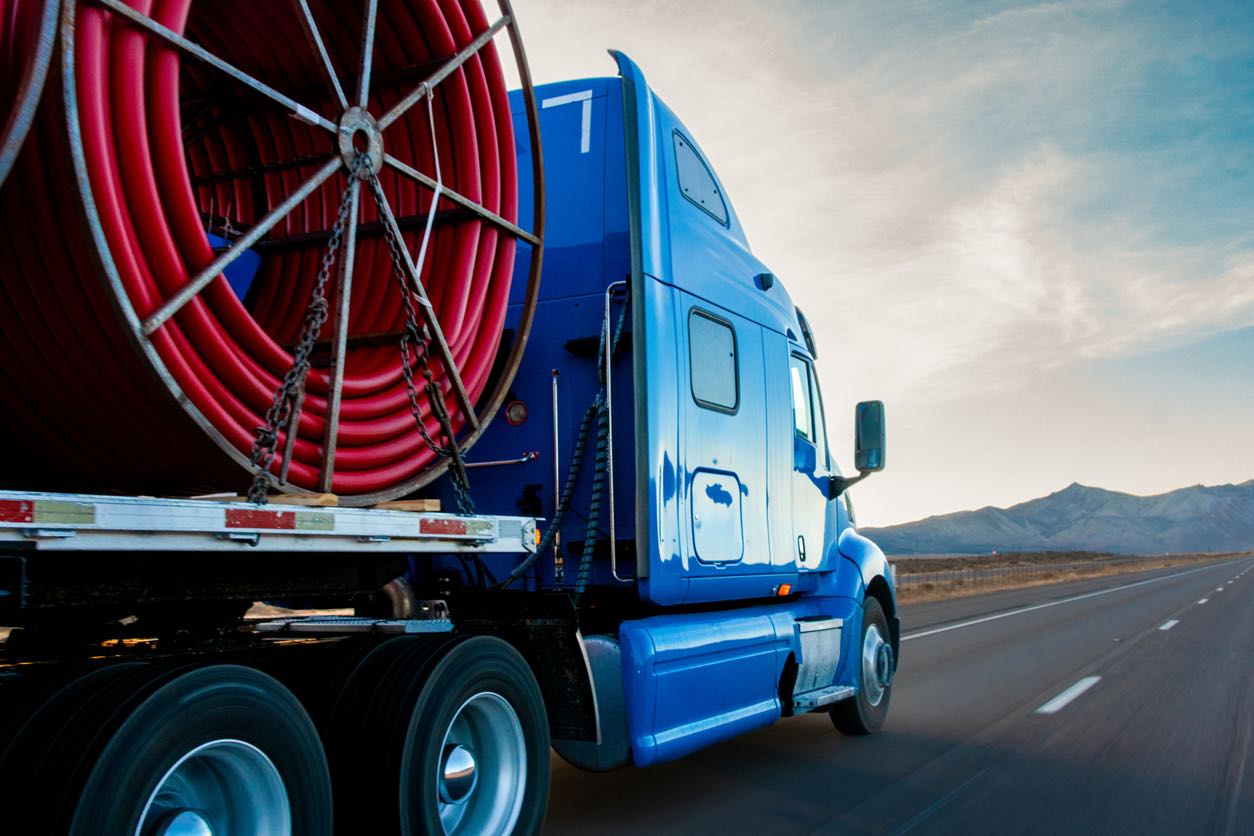
Coal and extraction equipment remains significant: draglines, loaders, crushers and haul trucks, most of which move in pieces. Natural gas activity in the Marcellus region generates drilling and pipeline equipment, including the reels, tanks and separators that are wide rather than heavy.
Forestry equipment moves on unimproved access roads, where ground conditions after rain are a real constraint. And highway construction is more or less continuous given the terrain.
Routing and Weather
Interstate 79 runs north to south through Morgantown, Clarksburg and Charleston. Interstate 77 runs north to south in the east and becomes the turnpike in the south. Interstate 64 crosses east to west through Charleston and Huntington, and Interstate 68 clips the northern panhandle.
Those are the workable corridors. Away from them, routing is where the expertise lives.
Winter is a genuine planning factor. Mountain snow and ice close roads, grades become impassable for a loaded rig before they do for ordinary traffic, and fog in the valleys is common enough to delay a permitted daylight-only move. Build slack into any schedule between December and March. Our guide to wide and oversize loads covers the thresholds in detail.
Preparing the Machine
Give an accurate weight from the manufacturer’s specification or a certified scale, including everything traveling with it: counterweights, attachments, full tanks and fluid filled tires all add weight that is invisible from outside. Give measured width and height rather than brochure figures.
Then reduce the envelope where you can. Removing a bucket, folding an attachment, lowering a boom or swapping wide pads can bring a load under a threshold, and in this state it can also be the difference between an available route and a long detour.
Secure or remove anything loose, drain what needs draining, and clean the tracks and tires. Photograph the machine in daylight from every side before it loads, including the undercarriage and the hour meter, and get existing damage described specifically on the bill of lading.
Common Questions
What triggers a permit? Past 8 feet 6 inches wide, 13 feet 6 inches high, or 80,000 pounds gross, or any axle limit.
Why might I need two authorizations? State routes are permitted by the Division of Highways; the West Virginia Turnpike is handled by the Parkways Authority.
What makes this state difficult? Terrain. Sustained grades, tight switchbacks and narrow valley roads with no alternative corridor.
What most often stops a load? A posted weight limit on a county bridge in the last mile, which a state permit does not override.
When should I avoid moving? December through March, when mountain snow, ice and valley fog all affect a daylight-only permitted move.
Get a Quote
Call Ship A Car, Inc. at (866) 452-3657 for heavy haul and specialized freight with the machine’s make and model, its measured width, height and weight, and both site addresses, or request a quote through the specialized transport calculator.