How to Ship a Heavy-Duty Commercial Truck
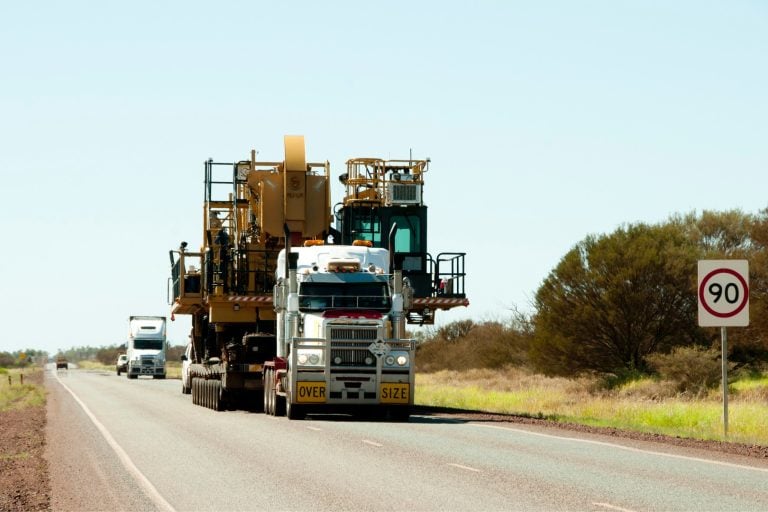
The first question on any commercial truck move is whether it can be driven, because a road legal truck with a licensed driver is almost always cheaper than hauling it. A Class 8 tractor is a registered vehicle. Driving it costs a driver and fuel; hauling it costs a lowboy, a permit and often an escort, because a truck on a trailer is over height before it leaves the yard. Establish which you are doing and the quote follows.
Driveaway, Decked, or Hauled
Three methods, and they suit different situations.
Driveaway means a qualified driver with the right license class operates the truck to its destination. It is the cheapest for a roadworthy tractor and needs no special equipment. The cost is mileage on the drivetrain and fuel at Class 8 consumption.
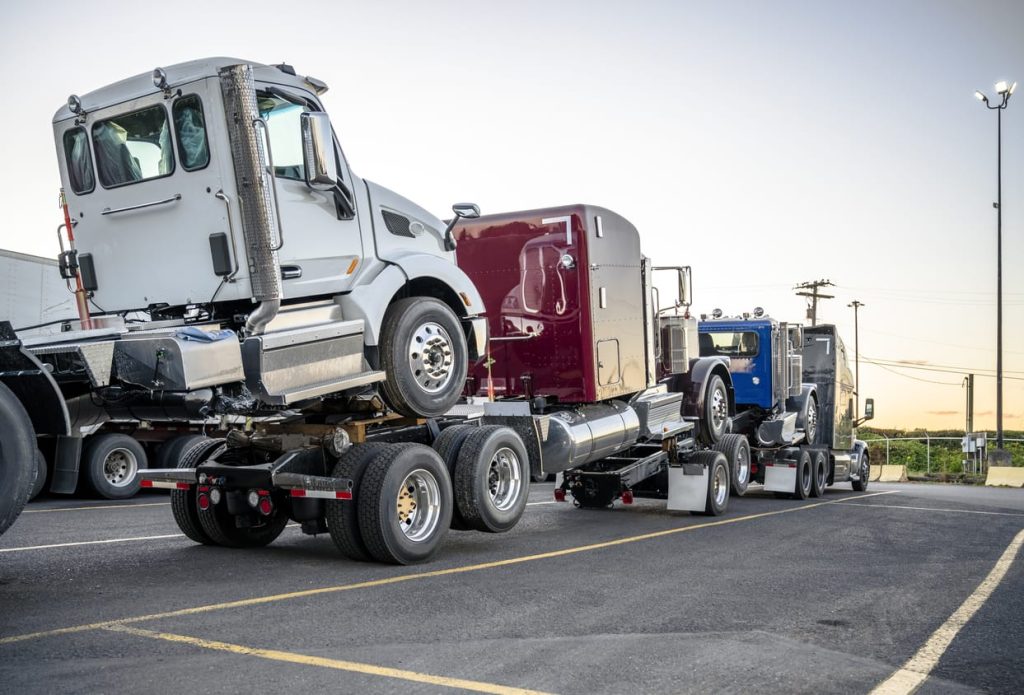
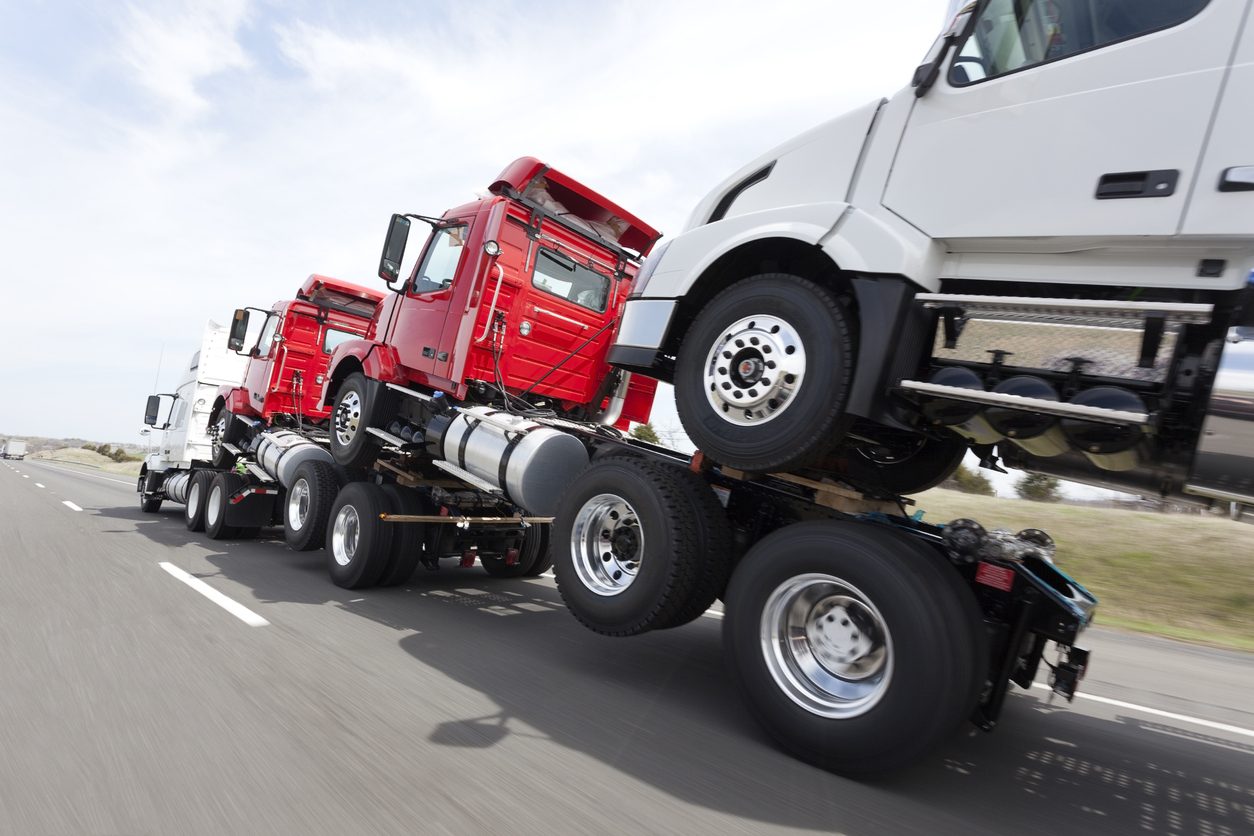
Decking, sometimes called piggybacking, is the method the industry uses to move new and used tractors in volume. The front wheels of one tractor are mounted on the frame of the one ahead, forming a train of two or three units driven as a single combination. It needs no trailer at all and it is why manufacturers can move tractors so cheaply, but it requires roadworthy trucks and a driver who does it regularly.
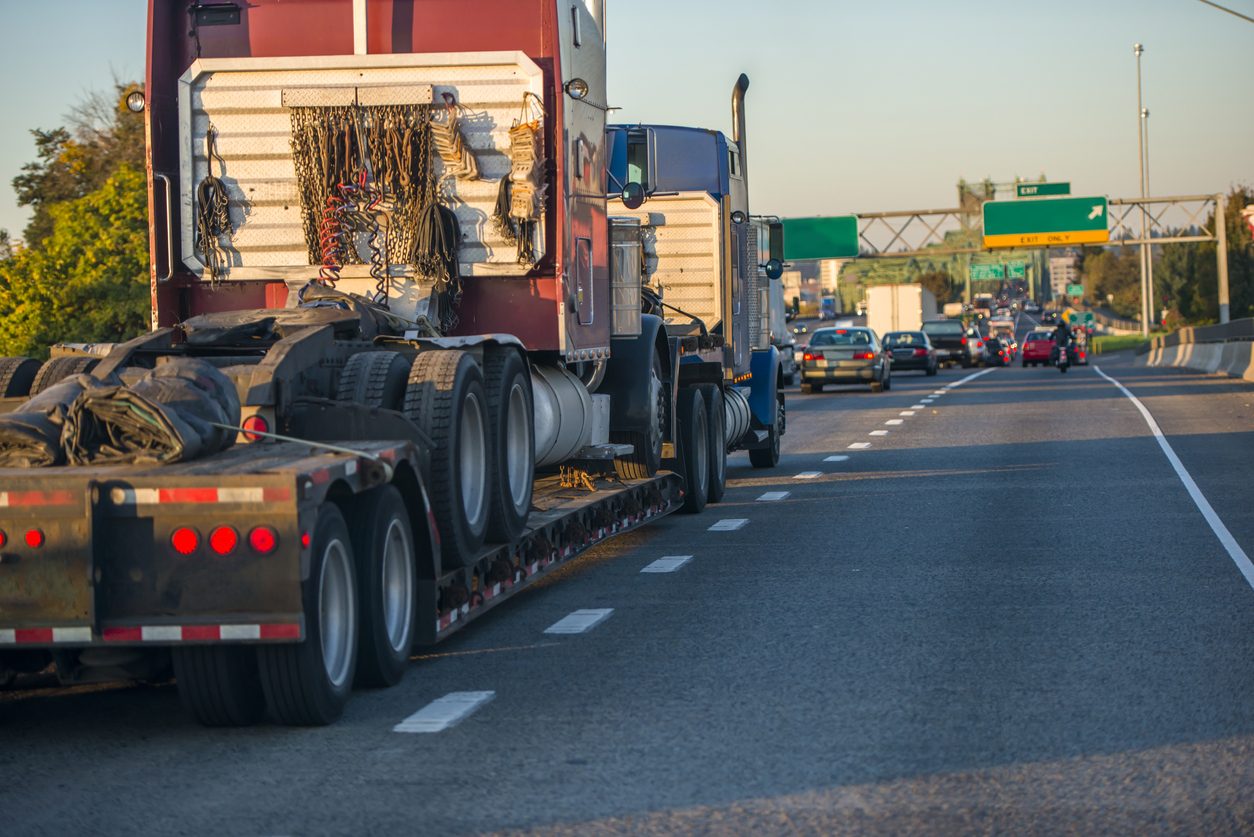
Hauling on a lowboy or a step deck is for anything not roadworthy, anything without current registration, and anything being moved as equipment rather than as a vehicle. It is the most expensive option and it is a permitted load.
Why Hauling Means a Permit
A Class 8 tractor stands roughly 11 to 13 feet tall on its own wheels.
Put it on a lowboy with a deck around 2 feet off the road and you are close to or past the 13 feet 6 inch limit. On a step deck you are past it comfortably. Height is measured from the road surface, not the deck, and that is what triggers the permit for every state on the route.
Removing the exhaust stacks, the air horns, the roof fairing and any antenna can buy back a surprising amount, and on a marginal load it is often the difference between a permit and no permit. Removing the fifth wheel plate helps with weight.
What We Need From You
Six things, and they take a minute.
The make, model and year. Whether it runs, drives and stops under its own power. Whether it is currently registered, insured and inspected, since driveaway and decking both require it. The measured height to the highest fixed point. The weight, which for a Class 8 tractor typically runs 15,000 to 20,000 pounds without a trailer. And whether it is a day cab or a sleeper, because a sleeper is both taller and longer.
If a trailer is coming too, say so. A tractor and trailer usually move as two separate arrangements rather than one.
Preparation
Most damage on these moves happens during loading rather than on the road.
Drain the air tanks and, if the truck is hauled, remember that a parked truck’s spring brakes are applied and may need caging before it can be winched. Secure or remove the mirrors, the stacks and any loose interior items. Reduce fuel to the level the carrier asks for, since a full pair of tanks is several hundred pounds of unnecessary weight.
Photograph every side including the glass, the lights, the fairings and the frame rails, and walk it with the driver so the condition is on the paperwork before it moves. On a used tractor being sold, that record is what settles any argument at the other end.
Dealers, Auctions and Fleets
Most of these moves fall into a few patterns.
Fleet repositioning and dealer transfers of roadworthy trucks are usually driveaway or decked, in volume, and price well because the trucks move themselves. Auction purchases are the awkward category: the truck’s condition is often unknown, it may not be registered, and auction lots have collection deadlines before storage charges start. Send the lot number, the gate pass and the site’s hours, and the auction’s own description of whether it runs.
A truck bought as parts or as a non runner is a hauled load, and it needs declaring as one.
Common Questions
Is driving it cheaper than hauling? Almost always, if it is roadworthy and registered. Hauling means a lowboy and a permit.
What is decking? Mounting the front wheels of one tractor on the frame of the one ahead so two or three move as one combination.
Why does hauling need a permit? A tractor is 11 to 13 feet tall on its own wheels, so on any deck it exceeds the 13 foot 6 inch limit.
What does a Class 8 tractor weigh? Typically 15,000 to 20,000 pounds without a trailer.
Can the trailer come too? Yes, but usually as a separate arrangement rather than one move.
Get a Quote
Call Ship A Car, Inc. at (866) 452-3657 for heavy haul and specialized freight, with the make and model, the measured height, and whether it runs and is currently registered.