What Counts as Heavy Haul, and Why It Is Different
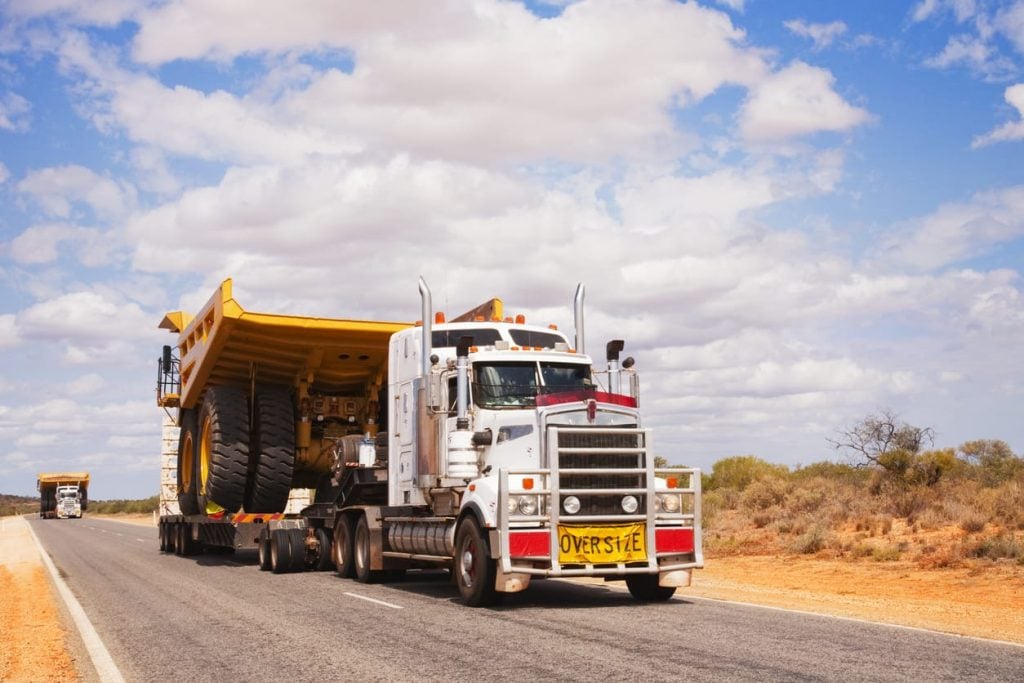
First, a short definition: “Heavy haul” describes transporting a load larger than the road legally allows without special permission: wider, taller, longer, or heavier than a state’s road-legal dimensions. Boats, construction equipment, manufacturing machinery, large pipes, steel beams, and transformers all ship this way. The practical tips below cover the thresholds, the permits, and the planning timeline that make these moves succeed.
Why special permits? Because your load may not be able to travel everywhere due to its size. Not all roads in the U.S. can handle large trucks and their trailers, due not only to a load’s weight but also to the trailer’s size: steep, winding roads and big, heavy loads do not make a good relationship.

Hence the special permits, the special handling, and the need for a transport company with real heavy haul experience.
Every state defines heavy and oversized its own way, but in general, cargo that exceeds any of the following ships as heavy haul:
- Gross weight of 80,000 pounds (40 tons)
- Length of 48 to 53 feet
- Width of 8 feet 6 inches
- Height of 13 feet 6 inches
Federal law also limits the weight any single axle can put on the road:
- 12,000 pounds for steering axles
- 20,000 pounds for single axles
- 34,000 pounds for tandem as well as drive axles
If your cargo exceeds these restrictions, the answer is more axles: multi-axle trailers spread the weight legally. Very large loads also need support vehicles on the road, including pilot and chase cars, and sometimes bucket trucks that lift overhead cables out of the way as the load passes.
Our best advice? Start contacting transport companies the moment you know a heavy haul is coming, because you will work closely with them for weeks (sometimes months) on equipment, permits, and routing before anything rolls.
Your best bet is a trustworthy broker who hires the right hauling company, arranges the permits and any support vehicles, matches the truck and trailer to the load, and works out the routes. One coordinator managing all of it beats you managing five vendors.
Understand that arranging all the moving parts of a heavy haul takes real lead time before your cargo is ever loaded onto the trailer, and that lead time is exactly what keeps the move uneventful.
Let’s Talk Permits
The permitting process is perhaps the most complicated part of a heavy haul, because permits are issued per shipment, and some hauls need city, county, and state permits for each jurisdiction the shipment crosses.
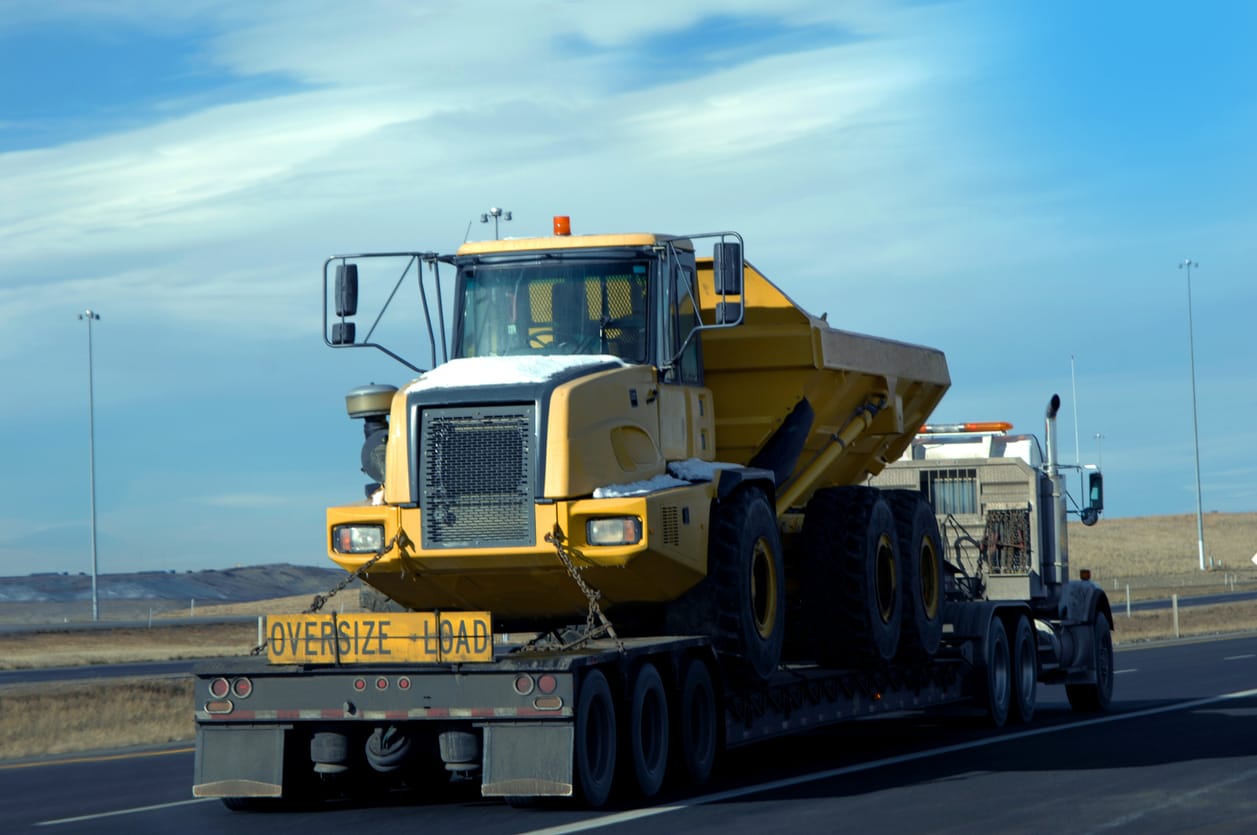
Some states issue permits that define how long the haul may spend crossing the state (typically three to five days), what time of year it may move, and whether it can travel on holidays or weekends. (We wish we were joking.) Some permits even specify the times of day the shipment can use the roads, and different load types can require their own specific permits.
Your shipment will also need “oversized load” banners front and rear, fluorescent red or orange flags on the load’s outside corners, and, in some states, rotating yellow LED lights on the trucks.
We’ve no doubt you can see how important it is to hire a carrier who understands all the minutiae of a heavy haul and can make the incredibly detailed arrangements without breaking much of a sweat, all the while ensuring that a haul’s many moving parts come together at the proper times.
That’s why we hope you’ll contact us here at Ship A Car, Inc. We’ve helped thousands of people and companies alike move all sizes, shapes and kinds of vehicles and heavy equipment, from a moped to a construction crane. We’ve earned an “A+” rating from the Better Business Bureau and consistent 5-star reviews from our customers.
Call us at (866) 452-3657 to speak with an experienced freight transport coordinator to discuss your upcoming heavy haul transport.