Texas Heavy Equipment Shipping
Texas moves more heavy equipment than any other state and it is unusually accommodating about it, allowing 14 feet of height rather than the 13 feet 6 inches most of the country uses. That six inches decides the trailer on a lot of machines. What Texas asks in return is distance: the state is roughly 800 miles across, so an intrastate move here is a long haul anywhere else, and the schedule has to reflect that.
The Texas Numbers
Start with what moves without a permit, because one of the figures differs from the federal standard.
Maximum width is 8 feet 6 inches, the same as everywhere. Maximum height is 14 feet, six inches more than the federal figure, which is genuinely useful on a tall machine. Gross weight is capped at 80,000 pounds, with 20,000 on a single axle and 34,000 on a tandem.
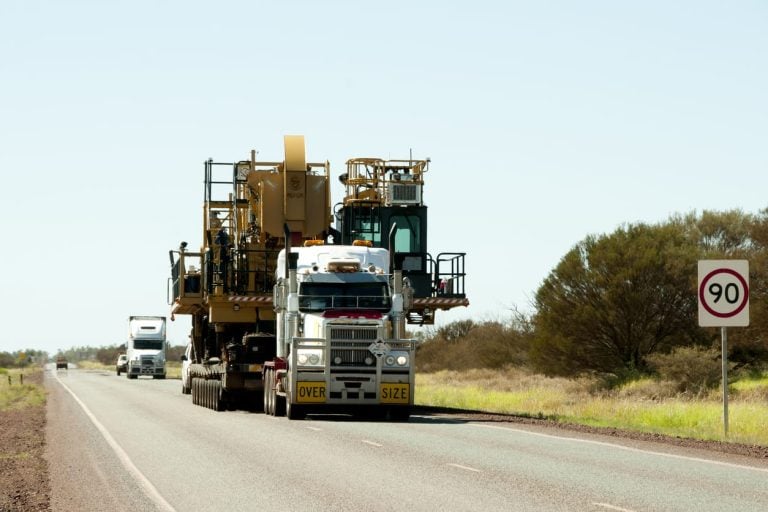
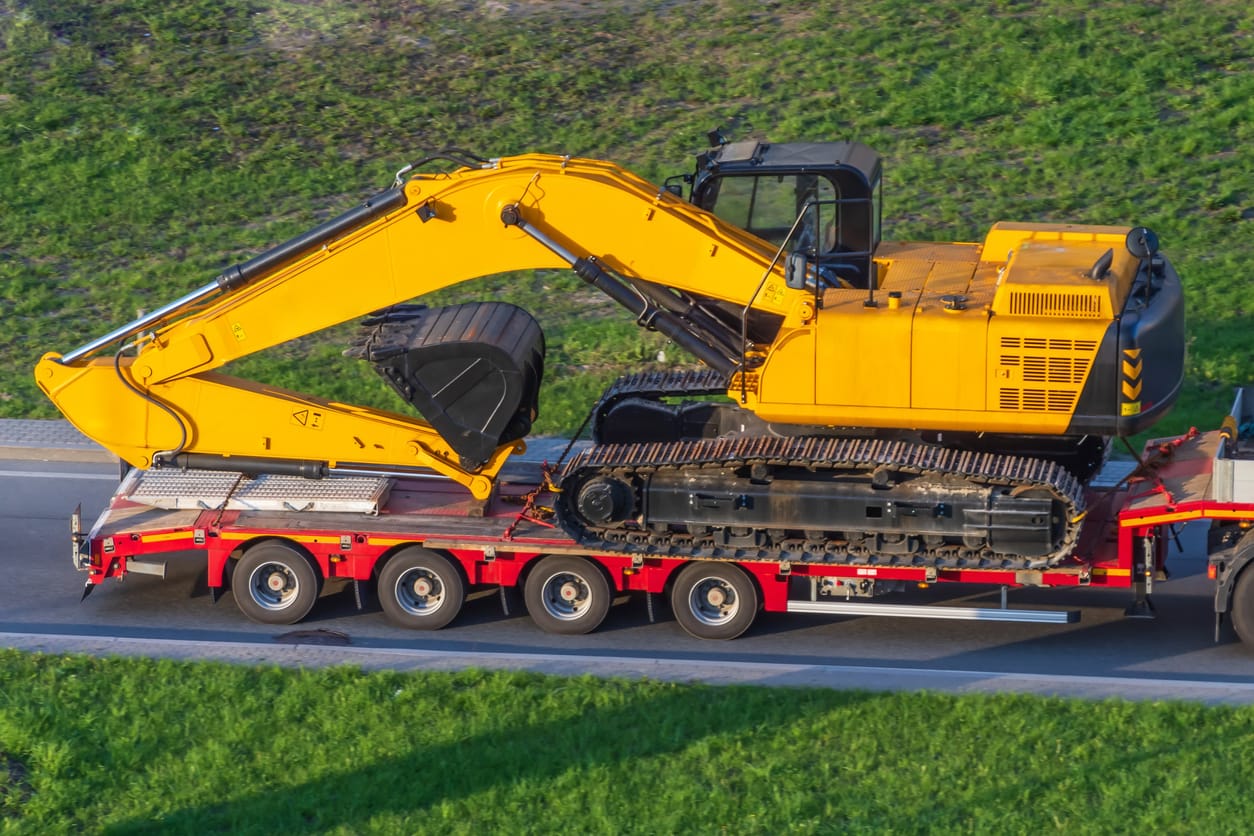
Height still includes the trailer, and that is what catches people. A flatbed deck sits around 5 feet off the road, so a 9 foot machine is at 14 feet and right at the limit before anybody measures carefully. A step deck buys roughly a foot and a lowboy considerably more, and on many machines the trailer choice alone is the difference between permitted and legal.
Permits and Escorts
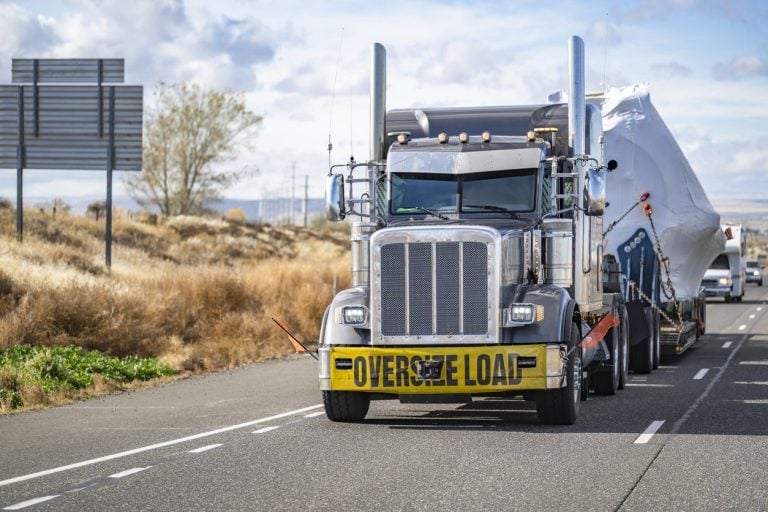
Past any of those limits the load needs an oversize or overweight permit from the Texas Department of Motor Vehicles, issued against a specific machine, a specific configuration and a defined route.
Routine permits are normally issued quickly and Texas processes a large volume of them. Wider loads bring escort vehicles into the picture, with thresholds set by the state and varying with the road, and the largest loads require engineering review of the structures on the route, which takes considerably longer.
Permitted movement is generally restricted to daylight hours on weekdays, with additional restrictions around holidays and, in the major metropolitan areas, around rush hour. Houston, Dallas Fort Worth, San Antonio and Austin all impose peak hour limits that compress the working day.
Distance Is the Planning Problem
El Paso to Beaumont is roughly 830 miles, entirely within Texas. That is farther than New York to Chicago.
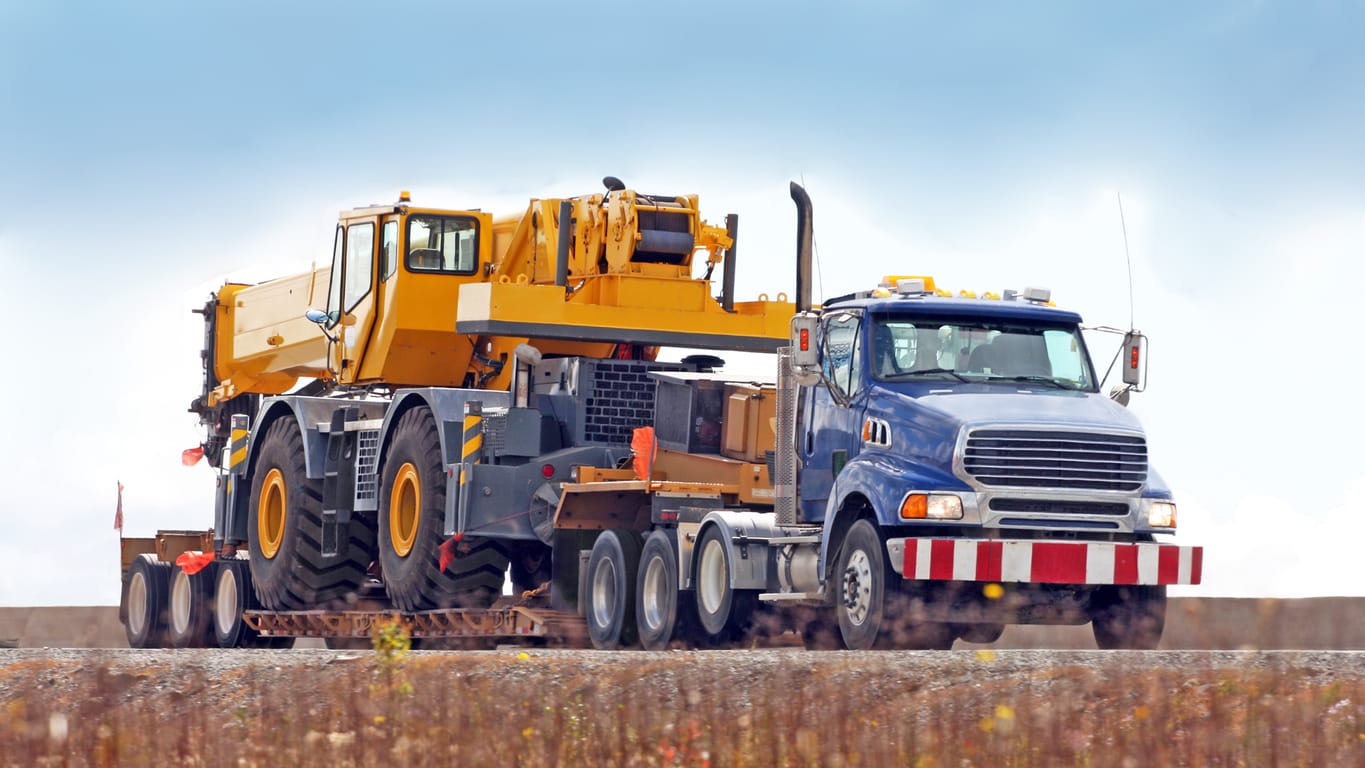
A permitted load moving in daylight only, at reduced speed, with escorts, covers considerably less ground per day than an ordinary truck. An intrastate Texas move can easily be a multi day trip with overnight stops, and those stops have to be somewhere a permitted load can legally and safely sit.
Plan for that rather than assuming same state means same day. Ask for the expected transit time in days at the quoting stage, not the mileage.
What Actually Moves
Four sectors generate most of the volume and each has its own rhythm.
Oil and gas is the largest and the most demanding, concentrated in the Permian Basin around Midland and Odessa and in the Eagle Ford in the south. Rig components, tanks, pumps and frac equipment move constantly, frequently to unpaved lease roads rather than to addresses.
Construction runs on the Dallas Fort Worth, Houston and Austin growth corridors, moving excavators, dozers, loaders and cranes between sites and rental yards. Agriculture across the plains and the Rio Grande Valley moves tractors, harvesters and cotton equipment against planting and harvest windows. And the ports at Houston, Corpus Christi and Beaumont move imported and exported machinery in volume, which brings port drayage and its own scheduling into the picture.
Weather Cuts Both Ways
Texas rarely stops for weather and when it does the effect is sharp.
Summer heat past 100 degrees is hard on tires and on the machine sitting in full sun on a deck. Carriers plan around it, and summer schedules frequently start early and run late rather than through the middle of the day.
Hurricane season, June through November on the Gulf coast, is the sharper risk. Before landfall everybody wants to move equipment out of the same area at once and capacity disappears; afterward roads are closed and destinations are unreachable. Book ahead of a forecast rather than after one.
Winter is usually a non issue and occasionally a severe one. The 2021 freeze demonstrated that Texas infrastructure is not built for sustained cold, and a hard freeze closes roads that normally never close.
Choosing the Trailer
The machine picks the trailer, and the extra six inches of Texas height occasionally changes the answer in your favor.
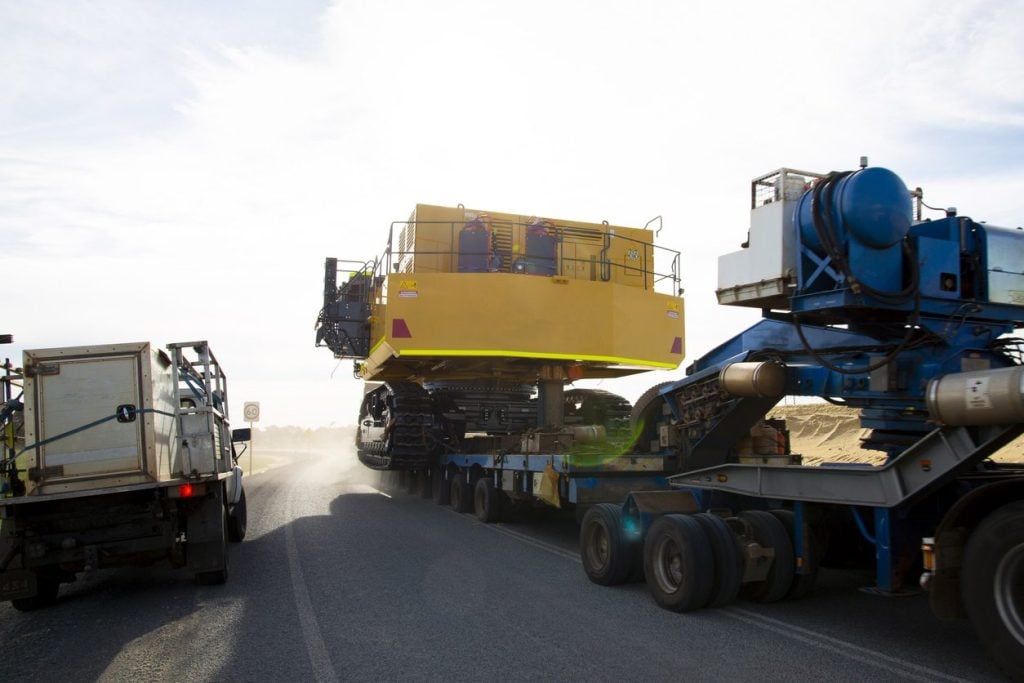
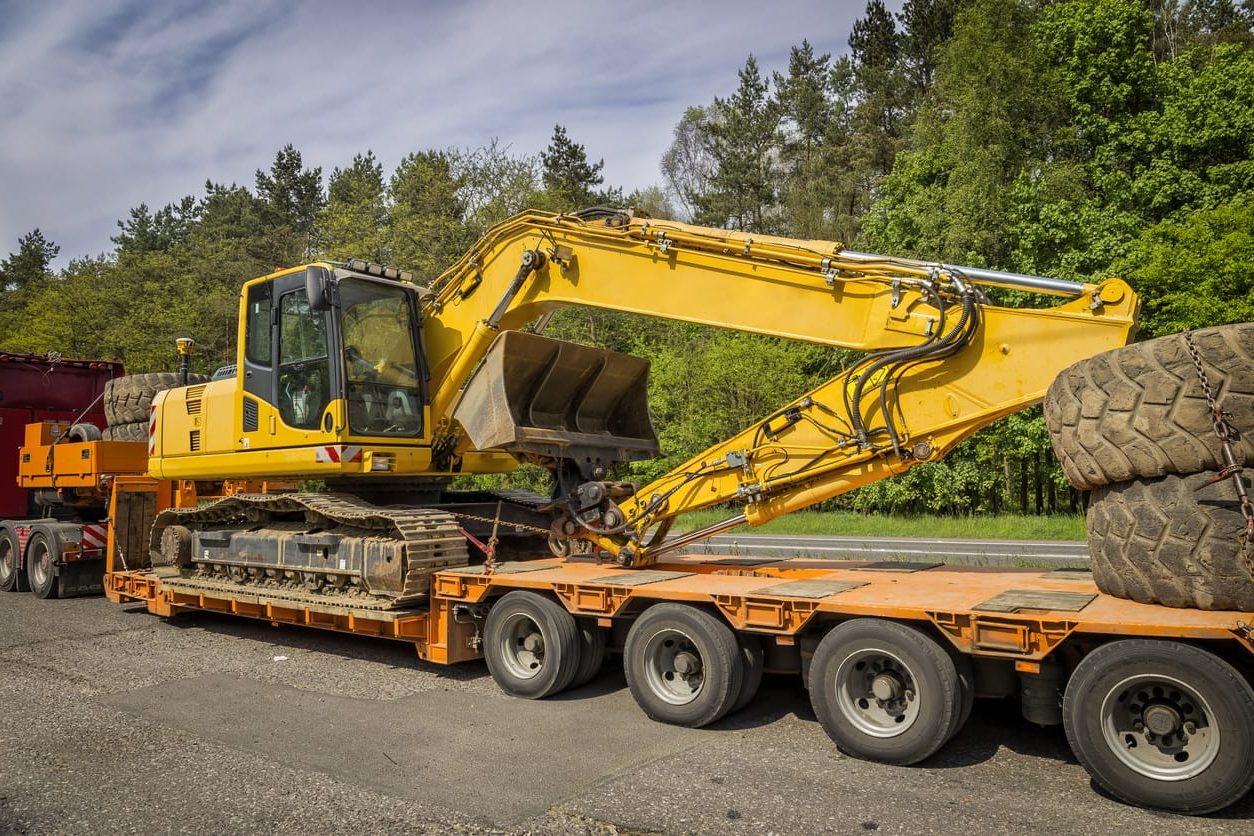
A flatbed suits smaller equipment such as skid steers, mini excavators and attachments. A step deck lowers the deck about a foot and handles mid size machines. A lowboy or removable gooseneck drops it further and is what large dozers, excavators and cranes travel on. Multi axle and stretch configurations spread weight to satisfy the federal bridge formula, which limits what can sit within a given axle spacing regardless of the gross figure. Our guide to wide and oversize loads covers those rules in detail.
Preparing the Machine
Give an accurate weight from the manufacturer’s specification or a certified scale, and include everything traveling with it. Counterweights, attachments, full tanks and fluid filled tires all add weight that is invisible from outside. Give the measured height from the ground to the highest fixed point rather than the brochure figure.
Then reduce the envelope where you can. Removing a counterweight, lowering or removing a boom, taking off a bucket or swapping wide pads can bring a load under a threshold and save a permit, an escort and the routing restrictions that come with both.
Secure or remove anything loose, drain what needs draining, and clean the tracks and tires, since carried material is both weight and a road hazard. Photograph the machine in daylight from every side before it loads, including the undercarriage, the glass and the hour meter, and get existing damage described specifically on the bill of lading rather than as general wear.
Common Questions
What is the legal height in Texas? 14 feet, six inches more than the federal 13 feet 6 inches used by most states.
Who issues oversize permits? The Texas Department of Motor Vehicles, against a specific machine, configuration and route. Cities may add their own restrictions.
How long does an in state move take? Longer than people expect. Texas is around 800 miles across and permitted loads move in daylight only, so multi day transit is normal.
Does hurricane season affect it? Yes, sharply. Capacity vanishes before landfall and destinations are unreachable afterward. Book ahead of the forecast.
What trailer will my machine need? Flatbed for small equipment, step deck for mid size, lowboy for large dozers and excavators, multi axle where weight needs spreading.
Get a Quote
Call Ship A Car, Inc. at (866) 452-3657 for heavy haul and specialized freight with the machine’s make and model, its measured width, height and weight, and both site addresses, or request a quote through the specialized transport calculator.