How to Ship HVAC Equipment
HVAC equipment is light for its size, fragile in ways that do not show, and awkward to handle, which is an unusual combination. A rooftop unit that two people can nudge across a warehouse floor can be ruined by one hard shock in transit, and the damage often does not appear until somebody tries to commission it. Crating and handling matter more here than weight ever will.
What You Are Actually Shipping
The category changes the answer, so be specific when you ask for a quote.
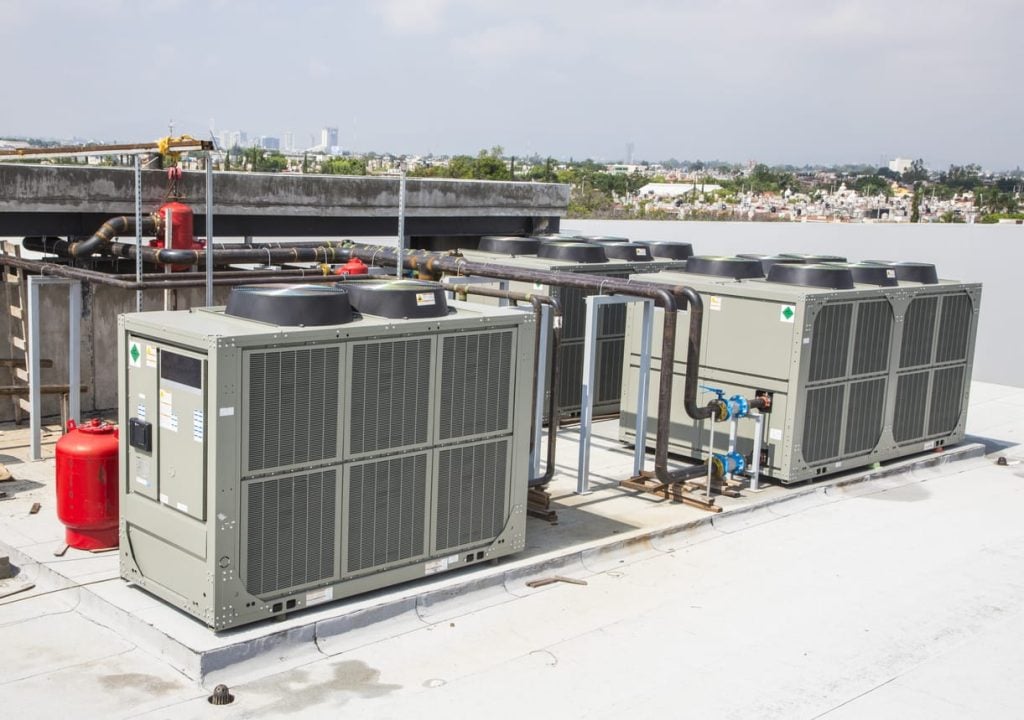
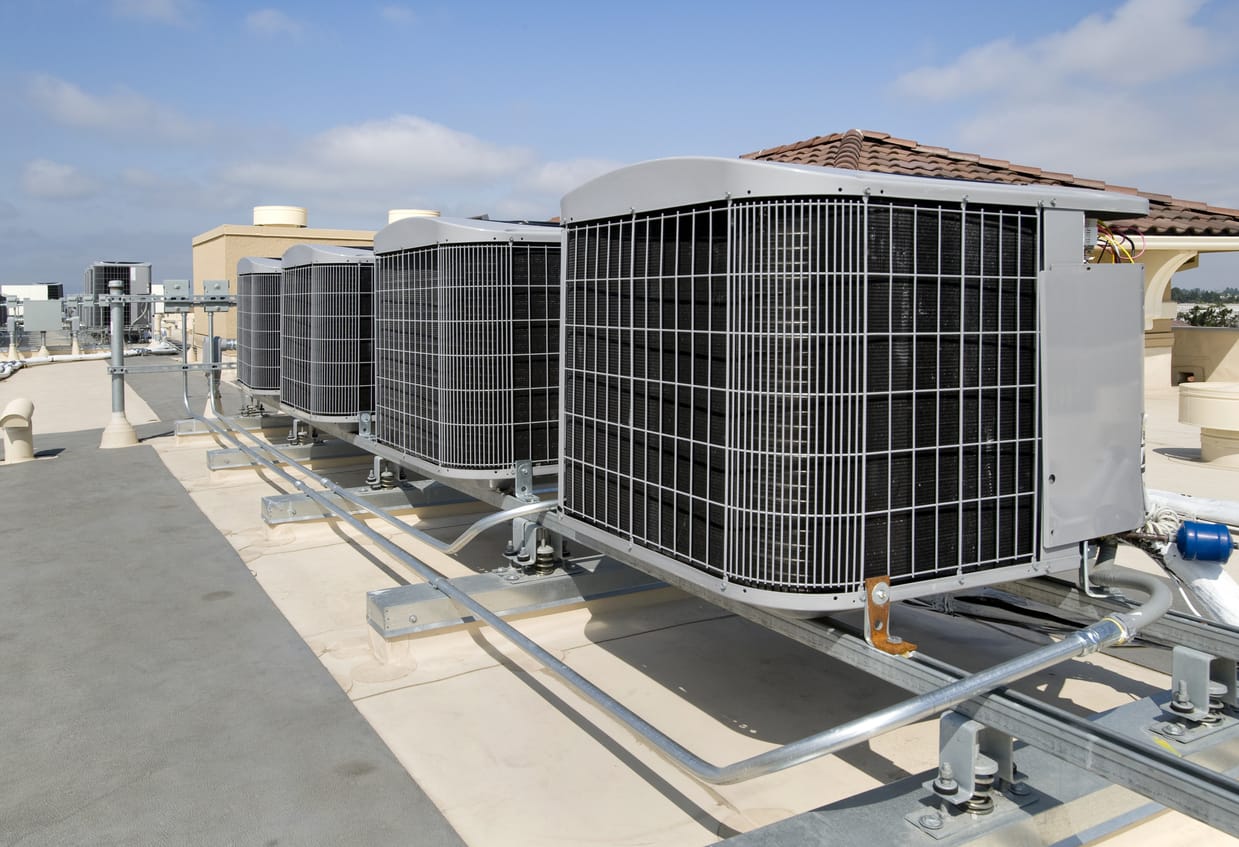
Packaged rooftop units are the most common commercial load: large, boxy, light for their footprint and very exposed to wind on a flatbed. Chillers are heavier and frequently the tallest thing on the trailer. Air handlers ship as sections. Condensers and compressors are dense and comparatively compact. Ductwork and coils are bulky and almost weightless, which makes them a volume problem rather than a weight one.
Give the measured dimensions and weight from the submittal drawing rather than the catalog, because factory-installed options change both.
The Fragility Is Internal
This is the part that gets underestimated.
Coils are thin walled copper and aluminum fins, and a knock that leaves no visible mark can crimp a tube or flatten fins enough to hurt performance. Compressors are mounted on vibration isolators that are designed for operating loads, not for a thousand miles of road input. Refrigerant circuits are sealed systems, and a cracked braze joint from flexing shows up as a slow leak weeks later.
Electronic controls and variable frequency drives are sensitive to both shock and moisture. Sheet metal panels distort if the unit is lifted or supported at the wrong points, and a distorted cabinet stops sealing properly.
The practical consequence is that a unit can arrive looking perfect and still be damaged. That is why the inspection at delivery has to be more than a walk around.
Crating Is Not Optional
Most manufacturers ship new equipment crated or skidded, and that packaging exists for a reason. Keep it.
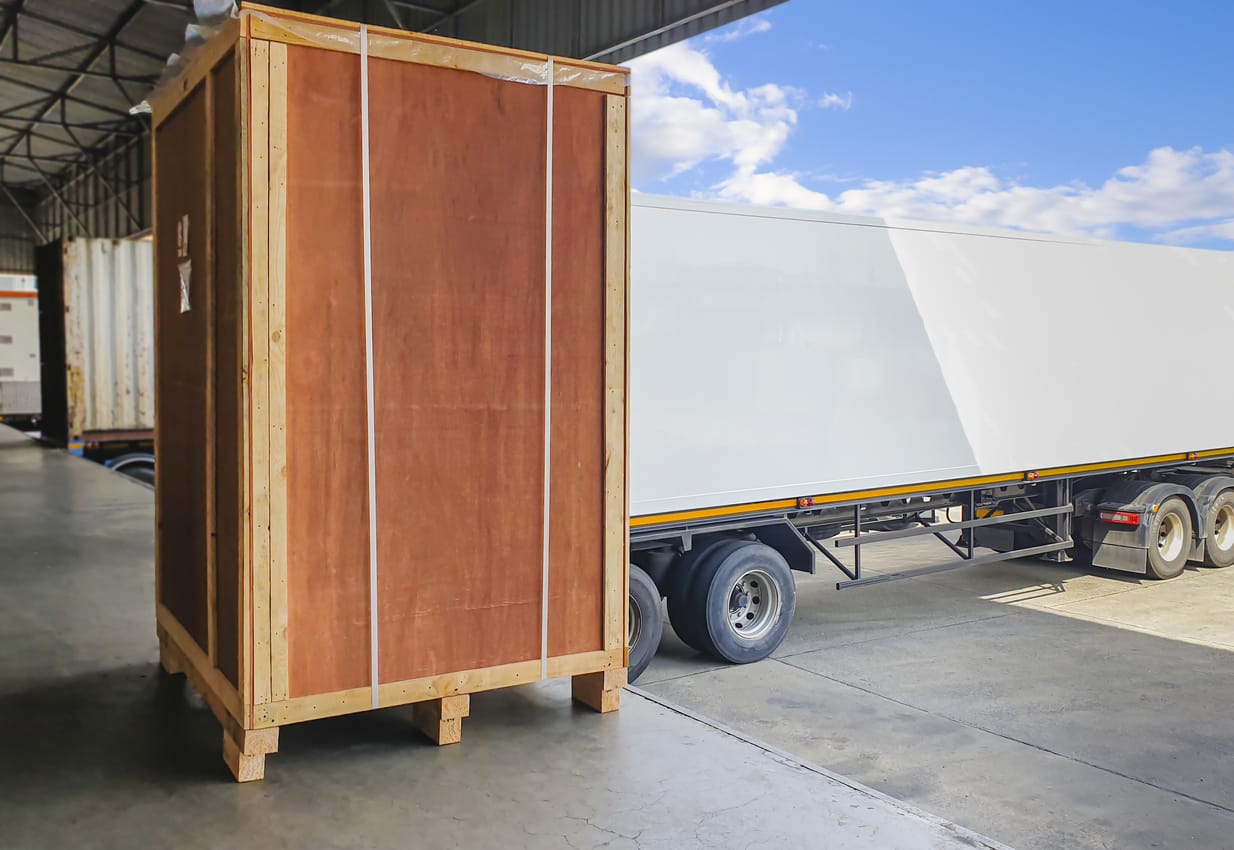
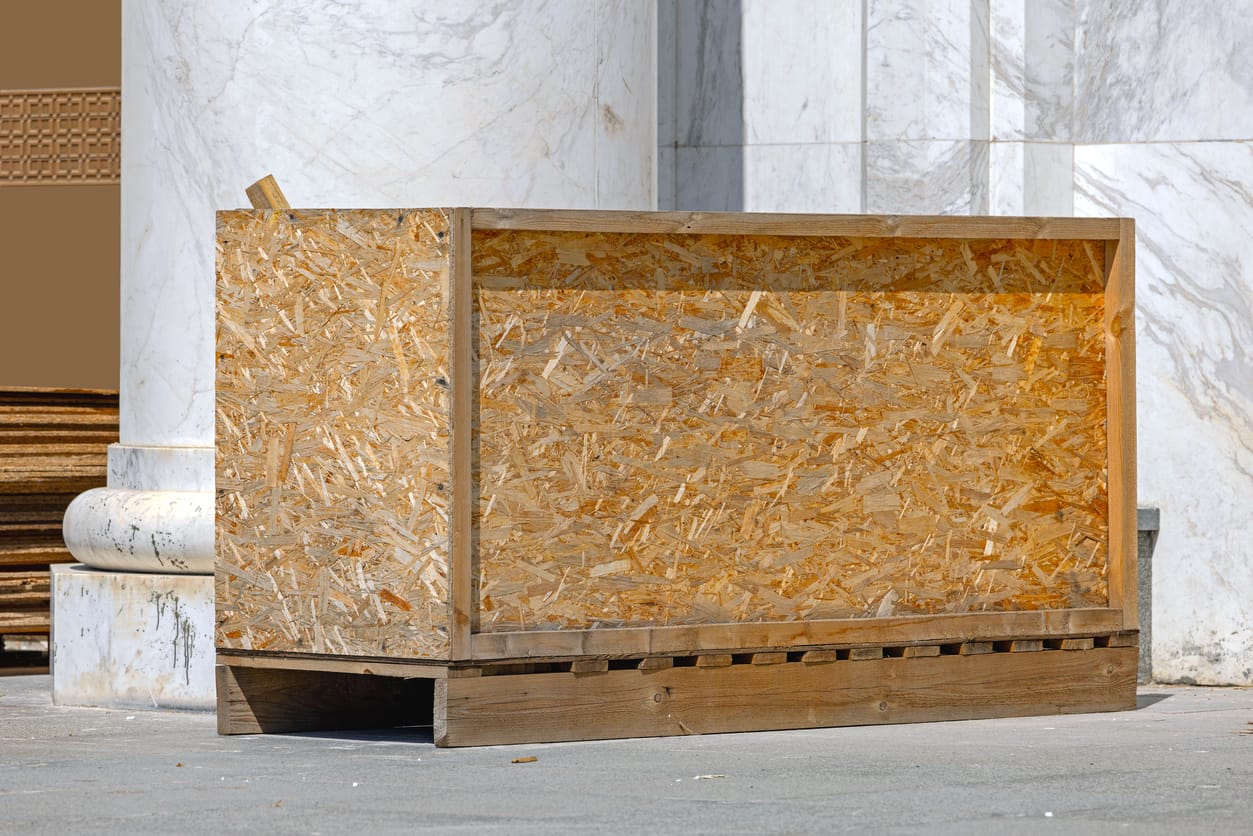
Used or reconditioned equipment moving between sites is where the problems start, because it usually arrives at the loading dock bare. A wooden crate or at minimum a skid with corner protection, edge boards and a full wrap is worth its cost several times over.
Openings need capping and sealing so nothing enters the cabinet in transit. Loose panels, doors and access covers should be secured rather than left to work open. Anything removable and vulnerable, such as controls, gauges and small condenser fan assemblies, is better crated separately.
Keep It Upright, Keep It Dry
Two rules that cover most of the remaining risk.
Refrigeration equipment is designed to sit level, and oil in a compressor sump migrates if the unit travels on its side or at a steep angle. Manufacturers specify an orientation and frequently a maximum tilt. Follow it, and tell the carrier, because it changes how the load can be positioned and lifted.
Water is the other enemy. A rooftop unit is weatherproof when installed, not when it is sitting on an open deck with its curb opening exposed at 65 miles an hour in rain. Tarping or an enclosed trailer is the right answer for anything with an open underside or unfinished penetrations.
Lifting and Loading
Use the designated lifting points. Rooftop units have lifting lugs; forklift pockets exist on skidded equipment. Slinging from a convenient point instead is how cabinets get distorted.
Forklift handling is fine where the machine is skidded and the forks reach the full depth. Where they do not, the load bends across the middle, which is exactly the kind of damage that shows up later as a leak.
On the trailer, the load is secured against movement in every direction, with straps rather than chains against painted sheet metal, and with edge protection so the strap does not cut in. Blocking prevents a light, tall load from shifting.
Height, Width and Wind
Large rooftop units and chillers are frequently over width or over height once they are on a deck, and that means permits, restricted hours and possibly escorts.
Wind is the factor specific to this cargo. A big flat sided unit on an open trailer is a sail, and carriers running tall light loads pay attention to crosswind forecasts in a way they would not for a dense machine. Expect a schedule to move for weather more readily than it would with an excavator on the deck.
Inspection at Delivery
Do not sign off casually. Photograph the crate before it is opened and the unit after. Look specifically at coil fins, the cabinet corners, the panel seams and the base rail, and check for oil residue anywhere on the unit, which is the classic sign of a refrigerant leak.
Note anything unexpected on the bill of lading while the driver is present. Concealed damage claims are far harder to win once the paperwork is clean and the truck has gone. Our guide to wide and oversize loads covers the permit thresholds if your unit crosses them.
Common Questions
Does HVAC equipment need crating? New equipment usually arrives crated and should stay that way. Used equipment moving between sites should be crated or at least skidded and wrapped.
Can a unit travel on its side? Generally no. Refrigeration equipment is designed to sit level and compressor oil migrates. Check the manufacturer’s orientation limits.
Why does wind matter? A large flat sided unit on an open trailer catches crosswind badly, so schedules move for weather more readily than with dense loads.
What damage is easiest to miss? Crimped coil tubes and cracked braze joints. Look for oil residue and check the fins closely before signing.
Open or enclosed? Enclosed or properly tarped for anything with open penetrations or exposed controls. Open is fine for a fully crated, sealed unit.
Get a Quote
Call Ship A Car, Inc. at (866) 452-3657 for heavy haul and specialized freight with the equipment type, its measured dimensions and weight, whether it is crated, and the dock or crane access at both ends, or price it with the specialized transport calculator.