How to Ship Barbed Wire
Barbed wire is dense, sharp and awkward in a way that catches people who have shipped other fencing material, and the two things that decide the job are how it is packaged and how much of it there is. A few rolls is ordinary freight. A pallet load is heavy freight with a securement problem attached. Getting the packaging right removes most of the risk.
Weight Is the Part People Underestimate
Barbed wire is steel, and steel in coils is dense. A single roll is heavier than it looks, and a pallet of rolls concentrates a great deal of weight into a small footprint.
That matters twice over. It matters for the quote, because freight is priced on weight as well as space and an underdeclared load produces a corrected invoice. And it matters for handling, because a pallet that a forklift can lift is not necessarily one that two people can move by hand at the far end.
Get the actual weight from the supplier’s specification or a scale rather than estimating. Give the number of rolls, the gauge and the roll length, because those determine it.
Packaging Decides Everything Else
How it arrives at the carrier is what determines whether the shipment is straightforward or a problem.
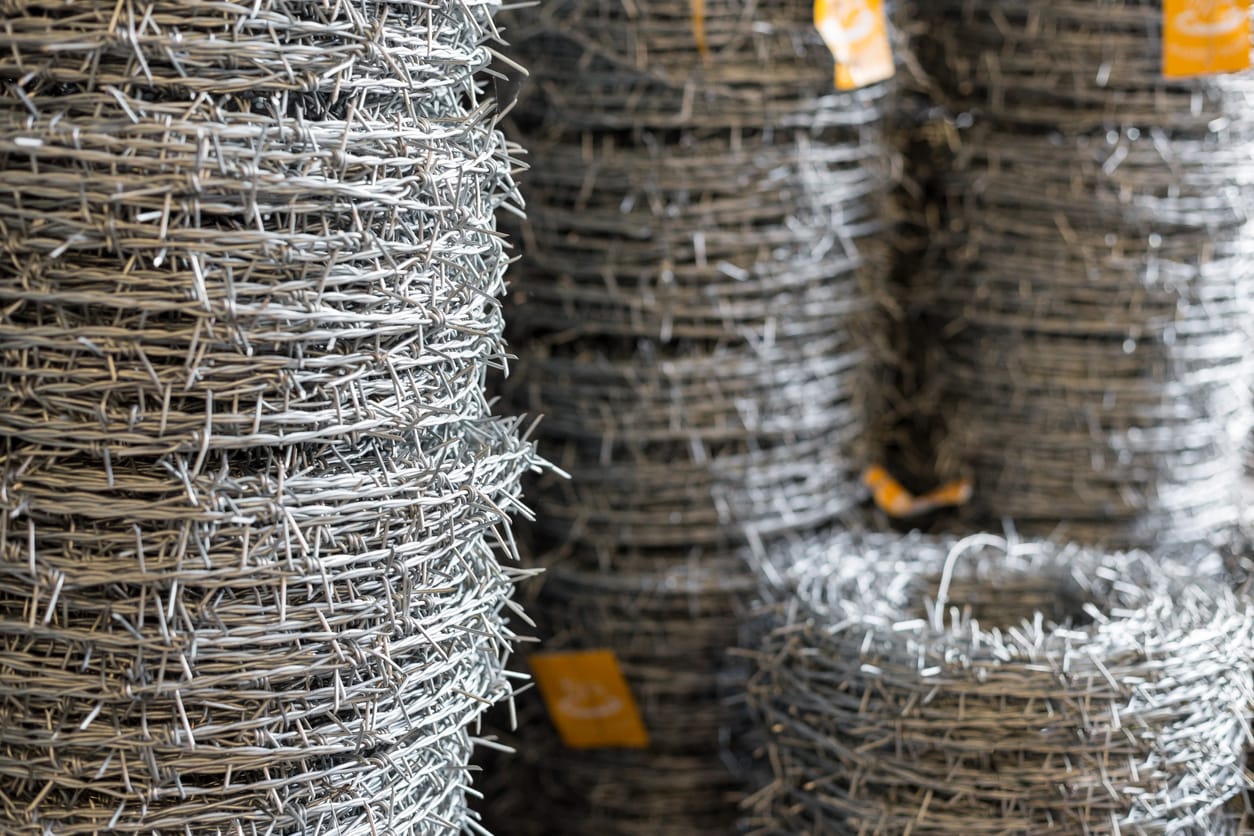
Palletized and banded is the right answer for anything beyond a few rolls. Rolls stacked on a pallet, banded with steel or heavy-duty strapping, and stretch wrapped. That gives the carrier a single unit to handle with a forklift and prevents individual rolls working loose.
Crated is better again for a long move or where the material will be handled several times. It costs more and it eliminates the sharp-edge problem entirely.
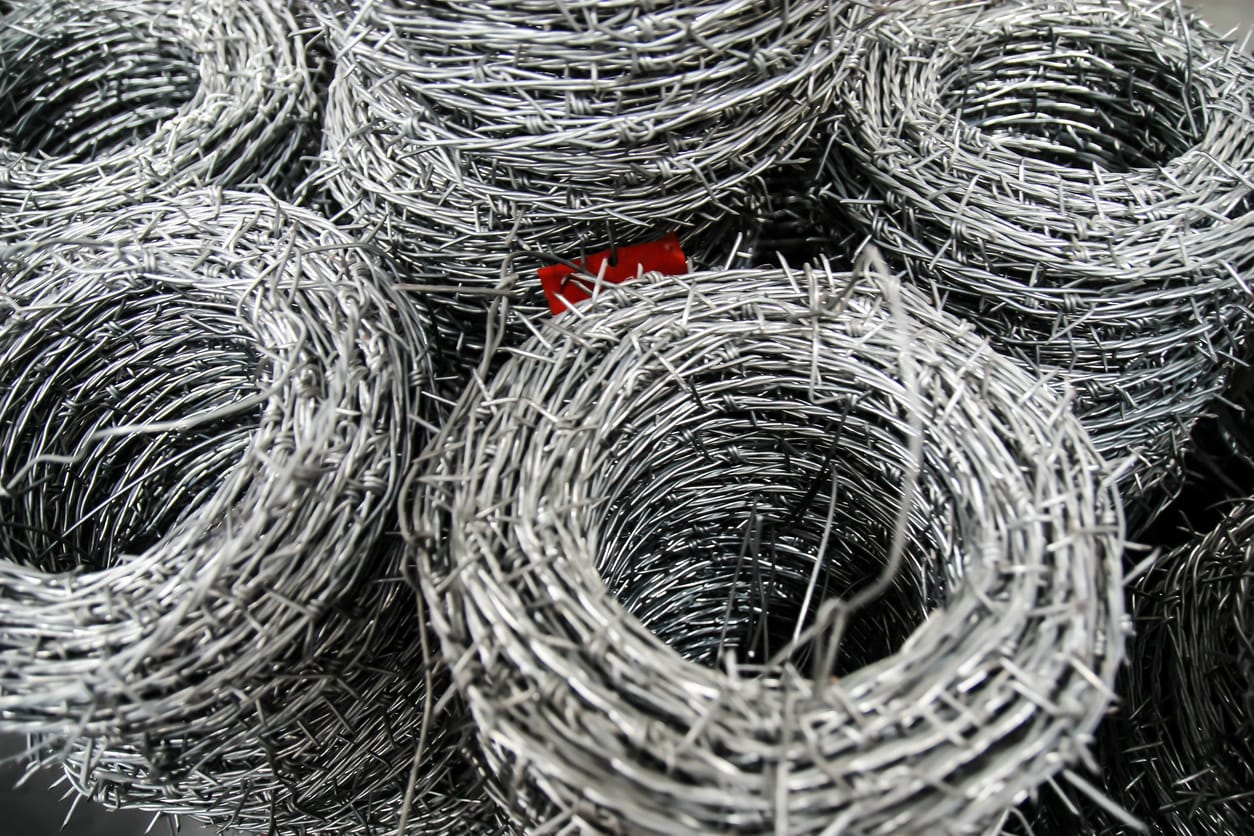
Loose rolls are what causes trouble. They roll, they snag on everything, and the barbs damage other freight and injure handlers. Most carriers will decline loose rolls or charge to palletize them, and they are right to.
Wrap the outside properly regardless. Exposed barbs are a hazard to anyone loading, to other freight on the trailer, and to the trailer itself.
How It Travels
The quantity decides the service.
A few pallets moves as ordinary less-than-truckload freight on a dry van. That is the cheapest option and the most common.
A larger quantity may justify a dedicated flatbed, particularly if the load is going to a site rather than a dock and will be unloaded by a machine rather than a dock leveler.
Very large quantities, such as a full fencing project’s worth, become a weight problem before a space problem. A trailer will hit 80,000 pounds gross with plenty of deck still empty, which surprises people who are thinking in terms of volume.
Flatbed shipments need tarping if the material is galvanized and you care about surface condition in transit, though barbed wire is generally robust about weather.
Securement on a Flatbed
Worth knowing so you can tell whether it has been done properly.
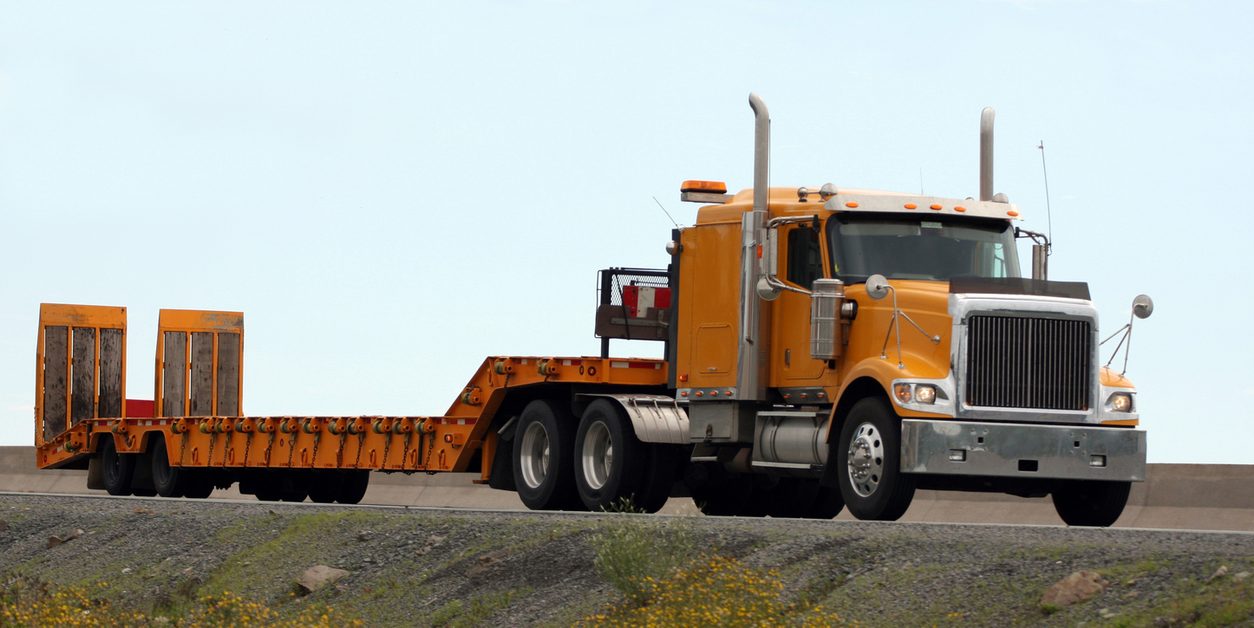
Palletized coils are secured against forward, rearward and lateral movement with straps rated to the weight, over edge protection so the strapping is not cut by the load. Blocking prevents pallets sliding, which matters because a dense compact load has a lot of momentum and not much friction.
Coils that are not palletized need their own securement to prevent rolling, and that is exactly the situation to avoid by palletizing in the first place.
Classification and What It Costs
Less-than-truckload freight is priced partly on a classification system, and knowing roughly where barbed wire sits helps you sanity-check a quote.
The system rates freight on density, how easily it can be handled, how much space it occupies relative to weight, and how likely it is to be damaged or to damage other freight. Dense, hard-to-damage material rates favorably; bulky light material does not.
Barbed wire is dense, which helps, and durable, which helps. What works against it is handling: a load with exposed barbs is a hazard, and freight that cannot be safely stacked or handled normally is rated less favorably. That is another practical argument for proper palletizing and wrapping, because it moves the shipment toward the treatment ordinary palletized freight receives.
Give an accurate weight and dimensions when you book. Carriers reweigh and remeasure, and a corrected classification after the fact is the most common reason a freight invoice comes back higher than the quote.
Galvanized Versus Plain Steel
A short note that occasionally matters.
Most barbed wire sold for fencing is galvanized, which means the zinc coating handles weather and the material is genuinely robust in transit. Plain or high-tensile wire without that coating is more sensitive to moisture over a long move, and surface rust that forms in a damp trailer is cosmetic but arrives looking alarming.
If the material is uncoated and the move is long or the season is wet, ask for a tarped flatbed or a dry van rather than an open deck. It is a small cost against arriving with a load the receiver questions.
Delivery and Site Access
Barbed wire frequently goes to a farm, a ranch or a construction site rather than to a loading dock, and that changes the plan.
Establish how it will be unloaded before it ships. A dry van without a lift gate at a site with no forklift means the load cannot come off. That is the single most common failure on this kind of shipment.
Confirm whether the site needs a lift gate, whether there is a forklift or a tractor with forks available, and whether the approach will take a full size truck. Unimproved farm tracks and soft ground after rain are ordinary constraints here.
Have someone present who can inspect and sign. Whoever signs the bill of lading accepts the condition, so count the pallets and check the wrapping before signing rather than after. Our guide to wide and oversize loads covers the thresholds if the load crosses them.
Common Questions
Does it need to be palletized? Beyond a few rolls, yes. Loose rolls snag, damage other freight and are a hazard to handlers.
What does the carrier need to know? Number of rolls, gauge, roll length and the actual weight, plus how it is packaged.
What service does it travel on? Less-than-truckload on a dry van for a few pallets; a dedicated flatbed for larger quantities or site delivery.
Why does it hit the weight limit early? Steel coils are dense. A trailer reaches 80,000 pounds gross with deck space still free.
What goes wrong most often? No way to unload it at the destination. Confirm the lift gate or forklift before it ships.
Get a Quote
Call Ship A Car, Inc. at (866) 452-3657 for freight and specialized transport with the quantity, weight, packaging and how it will be unloaded, or price it with the specialized transport calculator.