What Actually Drives Heavy Haul Equipment Shipping Prices
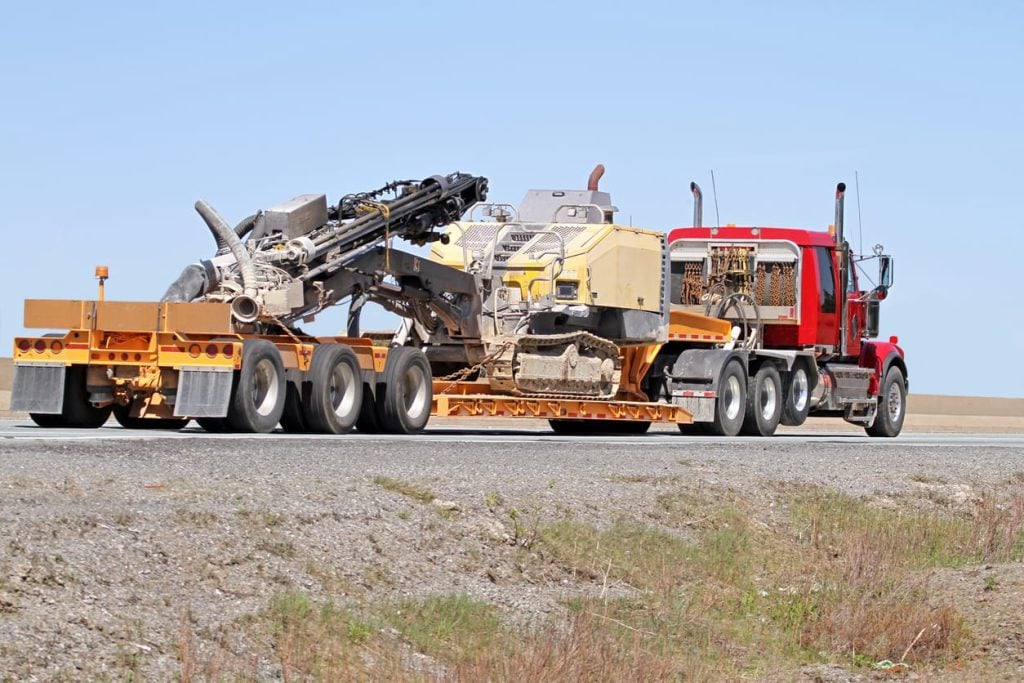
Heavy haul pricing looks arbitrary from the outside and is not, and the reason quotes for apparently similar machines come back so far apart is that four of the biggest cost drivers have nothing to do with the machine. Once you know what they are, you can tell a fair quote from a guess, and you can frequently change your own number before anyone quotes you.

The Legal Envelope Is the Biggest Single Step
Price does not rise smoothly with size. It steps.
Inside 8 feet 6 inches wide, 13 feet 6 inches high and 80,000 pounds gross, a machine is ordinary flatbed freight and any competent carrier can move it. One inch outside any of those and it becomes a permitted load: applications in every state on the route, restricted movement hours, possibly escorts, and a much smaller pool of carriers.
That is why a machine an inch over can cost substantially more than one an inch under. It is also why measuring properly, and reducing the envelope where you can, is the most valuable thing you will do. Removing a bucket, folding an attachment, lowering a boom or swapping wide pads routinely saves more than any negotiation.
Equipment and Deadhead
Specialized trailers are expensive to buy and there are not many of them.
A lowboy, a removable gooseneck, a multi axle or a stretch configuration represents serious capital, and the carriers that own them are fewer than the ones running flatbeds. Scarcity prices.
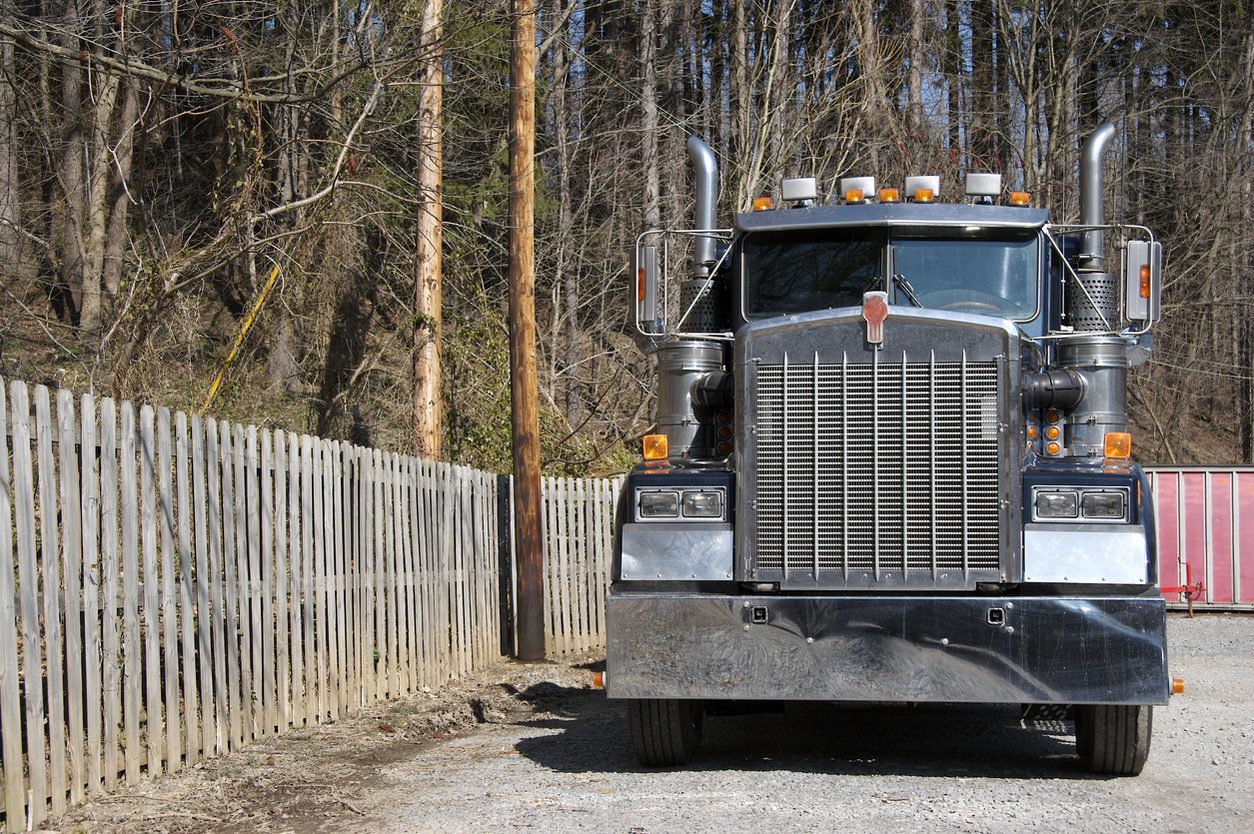
Deadhead is the other half. If the right trailer has to travel 300 empty miles to reach your machine, and has no return load afterward, those miles are in your price. This is why heavy haul on a busy industrial corridor prices far better than the same move in a region with little equipment traffic, and why lead time helps: given time, a carrier can fit your load around one it already has.
Permits, Escorts and Restricted Hours
Each permitted state adds a fee, an application and its own rules.
Escorts add vehicles and people. Movement is generally daylight only on weekdays with holiday restrictions, which means a permitted load covers far less ground per day than an ordinary truck. A run an ordinary tractor completes in two days may take a permitted load four, and those are days of driver time and equipment tied up.
Superloads are a category beyond that, requiring engineering review of structures on the route and lead times measured in months.
Route Difficulty
Mileage is a poor guide on heavy haul.
Sustained mountain grades burn fuel and demand more truck. Urban corridors with low bridges and tight radii force detours. Rural areas with posted township bridges can add substantial mileage on the last leg. A 400 mile move through the Appalachians can cost more than 700 miles across the plains.
The last mile deserves separate mention, because it is where quotes get revised. Soft ground, a narrow gate, no turning room or no crane footprint turns a straightforward delivery into a staged operation.
What Fuel and the Wider Economy Do
Fuel is the fastest moving input. A heavy haul rig returns poor economy by design, and sustained diesel increases pass through to rates quickly because margins do not absorb them.
Insurance is the slower one, and it has been the more painful over recent years. Cargo and liability premiums for specialized equipment have risen substantially, and that is a fixed cost spread across every load a carrier runs.
Equipment replacement cost matters too. A new lowboy or a new tractor costs considerably more than the one it replaces, and depreciation on that is in every rate.
Demand cycles on top: construction activity, energy sector work and agricultural seasons all move heavy haul demand regionally, and a busy market prices higher than a slack one.
Why the Quote Sometimes Changes After You Book
This is the part that generates the most frustration, and most of it traces to one of three discoveries.
The weight was wrong. Brochure figures are for a base machine. Counterweights, attachments, a full fuel tank and fluid filled tires can add thousands of pounds, and past a threshold that changes the permit, the trailer or both. A certified scale ticket costs very little and removes the argument entirely.
The height was measured to the wrong point. People measure the cab or the hood rather than the highest point, and an exhaust stack, a folded boom or a beacon is what actually determines clearance.
The site could not take the truck. A gate that is narrow, ground that will not carry an axle load, or nowhere to turn around means the delivery becomes a staged operation with an additional vehicle, or the load sits until the site is prepared.
None of those are the carrier being difficult. They are facts that existed before anyone quoted, discovered late. Establishing them accurately at the start is why a good quote takes a few questions rather than thirty seconds.
What You Can Actually Change
Four things, in order of value.
Reduce the envelope. Measure properly and get under a threshold if you can. This is the largest single lever and it is entirely in your control.
Give lead time. Two to three weeks lets a carrier fit your load into an existing plan. Three days does not.
Be honest about access. A revised quote at the gate is more expensive than an accurate one at booking.
Give complete information once. Make, model, measured weight including everything attached, measured width and height, and both site addresses. Our guide to wide and oversize loads explains the thresholds that matter.
Common Questions
Why do quotes for similar machines differ so much? Usually because one is inside the legal envelope and the other is not, or because the right trailer is further away.
What is deadhead? Empty miles a trailer runs to reach your machine or to return afterward. Those miles are in your price.
Does mileage predict cost? Poorly. Mountain grades, urban clearances and posted rural bridges matter more than distance.
What is the single best thing I can do? Measure accurately and reduce the envelope below a permit threshold if the machine allows it.
How far ahead should I book? Two to three weeks for a permitted load, longer for anything needing engineering review.
Get a Quote
Call Ship A Car, Inc. at (866) 452-3657 for heavy haul and specialized freight with the machine’s measured weight, width and height and both site addresses, or request a quote through the specialized transport calculator.