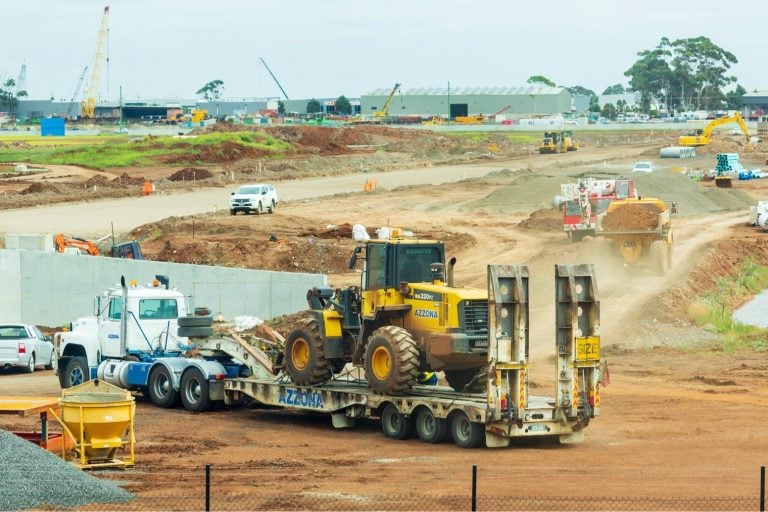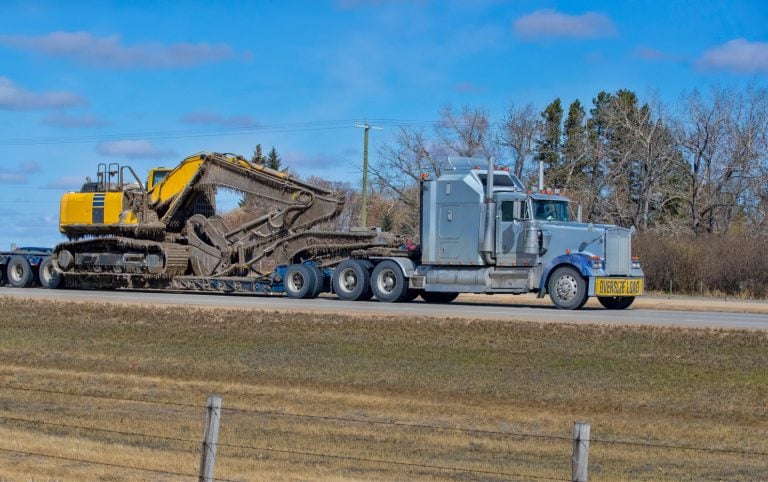
Heavy Equipment Shipping in Wisconsin
In Wisconsin the binding constraint is usually the calendar, not the map. Every spring, as the frost comes out of the ground, counties and municipalities across the state post weight restrictions on roads that carried the same load without comment in January. A machine that is perfectly legal to move in February can be barred from the last two miles to a jobsite in April. Plan around the thaw and Wisconsin is straightforward: good interstates, a deep base of agricultural and construction equipment, and carriers who run it constantly.
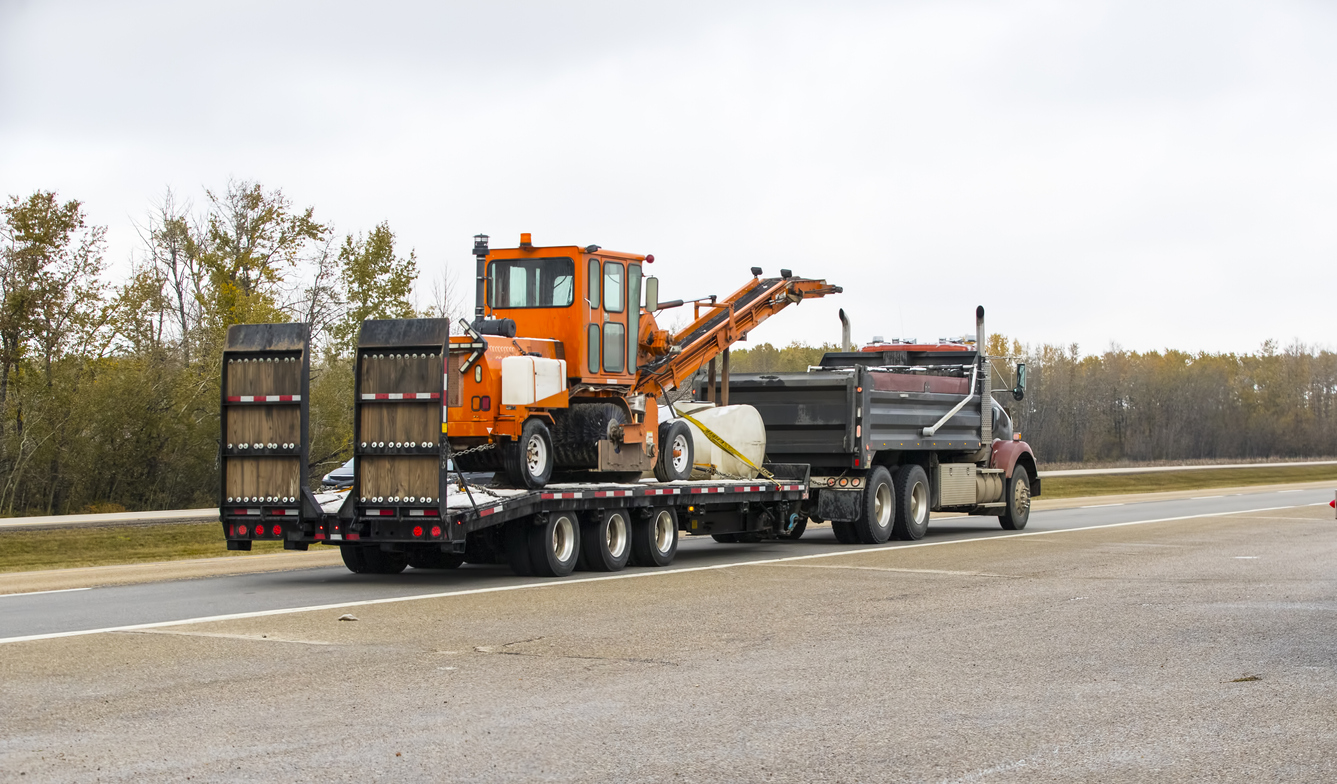
Spring Thaw Restrictions
This is the Wisconsin specific factor and it catches people who plan a move in March as though it were a move in July.
When ground that has been frozen all winter begins to thaw, the road base above it softens and heavy loads do disproportionate damage. Local authorities respond by posting reduced weight limits, and those postings are made at county and municipal level rather than centrally, so the restriction that matters to you may apply to one town road and not the next.
Timing varies with the winter, but the window generally runs from late winter into spring. What that means practically is that the interstate leg of your move is unaffected while the final miles may not be legal at all. If your machine is heading somewhere off the main network during that period, the route needs checking before the date is agreed rather than after.
If your schedule allows, moving before the thaw or after the postings lift removes the problem entirely, and that is often a cheaper solution than working around it.
Permits and When Loads Can Move
Anything beyond legal dimensions needs an oversize or overweight permit from the state, issued for a defined route and period. The usual thresholds are 8 feet 6 inches wide, 13 feet 6 inches high, 53 feet long for the trailer, and 80,000 pounds gross, and exceeding any single one puts you into permit territory.
Permitted loads generally move in daylight on weekdays, with restrictions around holidays. Wider or heavier loads add escort vehicles, and the largest add route surveys and bridge analysis. Because permits are route specific, changing the destination usually means a new permit rather than an amendment.
Winter adds one more layer. Oversize movement is normally suspended during adverse conditions, so a January permit does not guarantee a January travel day if a storm arrives. Build slack into anything scheduled between December and February.
Agricultural Equipment Is Its Own Case
Wisconsin moves a great deal of farm machinery, and it behaves differently from construction equipment in two ways worth planning for.
First, dimensions. Combines, planters and sprayers are frequently wide rather than heavy, and width is what triggers escorts. Many can be reduced for transport by removing a head, folding a toolbar or dismounting duals, and doing so can take a load from an escorted permit move to a routine one. It is worth asking what your machine can be narrowed to before quoting it as it stands.
Second, timing. Farm equipment moves cluster hard around planting and harvest, when everyone needs the same machine on the same weekend and nobody has flexibility. Book those windows further ahead than you think necessary, because that is when carrier availability is tightest across the whole upper Midwest.
Measure the Machine, Not the Brochure
Take the numbers from the equipment in front of you as it will actually travel. Height to the highest fixed point, which is often an exhaust stack or cab rather than the roofline. Width at the widest point including tracks, duals or a folded implement. Length including any attachment left fitted. And the true operating weight with fluids and counterweights.
Two machines with the same model number can differ substantially once buckets, blades, ripper teeth or aftermarket cabs are involved. Those four numbers decide the trailer, the permit and the price, and a quote given without them is a guess.
Routes
I-94 carries the main flow between Milwaukee, Madison and the Twin Cities, I-43 runs up the lakeshore toward Green Bay, and I-39 and I-90 handle the north to south movement. Together they cover most of the state well.
The complications are local rather than regional: rural bridges with posted limits, seasonal postings as above, and jobsites reached by town roads that were not built for a loaded lowboy. Tell us what the last mile looks like at both ends, because that is the detail most often left out and the one most likely to change the plan.

Preparing the Machine
Most damage happens during loading, and a machine prepared properly loads in minutes.
Secure or remove loose attachments, lower and pin booms and blades, reduce fuel to the level the carrier asks for, and lock anything that can swing. Clean off mud and stones, both because they hide existing damage and because debris falling from a load is a serious matter. Provide keys and explain anything unusual about starting or moving it.
Photograph the machine from every side before loading, including the undercarriage and any glass, and walk it with the driver so existing damage is recorded before it moves.
Common Questions
What are spring weight restrictions? Seasonal limits posted locally as the frost leaves the ground. They can affect the final miles even when the interstate leg is fine.
When do they apply? Late winter into spring, varying with the season and set at county and municipal level. Check the specific route before fixing a date.
Do I need a permit? If the load exceeds 8 feet 6 inches wide, 13 feet 6 inches high or 80,000 pounds gross, yes, for a defined route.
Can you move a machine that does not run? Yes, with winching or loading assistance. Say whether it rolls and steers, because that changes the equipment.
What do you need to quote? Make, model, real measured dimensions and operating weight, both addresses, and what the access looks like at each end.
Get a Quote
Call Ship A Car, Inc. at (866) 452-3657 for heavy haul and specialized freight, with your dimensions, weight and both site addresses.