Kansas Heavy Equipment Shipping
Kansas is one of the easiest states in the country to move heavy equipment across and one of the more surprising ones to move it within, because the machines that dominate here are wide rather than heavy. A combine with its header fitted, or a wind turbine blade, is a permit and escort problem long before weight enters the conversation. Width is the number to establish first.
The Legal Limits
Kansas follows the federal figures, so start there.
Maximum width is 8 feet 6 inches, maximum height is 14 feet on most Kansas highways, and gross weight is capped at 80,000 pounds with 20,000 on a single axle and 34,000 on a tandem. The height allowance is more generous than the federal 13 feet 6 inches, which helps on tall machines, though the Interstate system still governs its own limits.
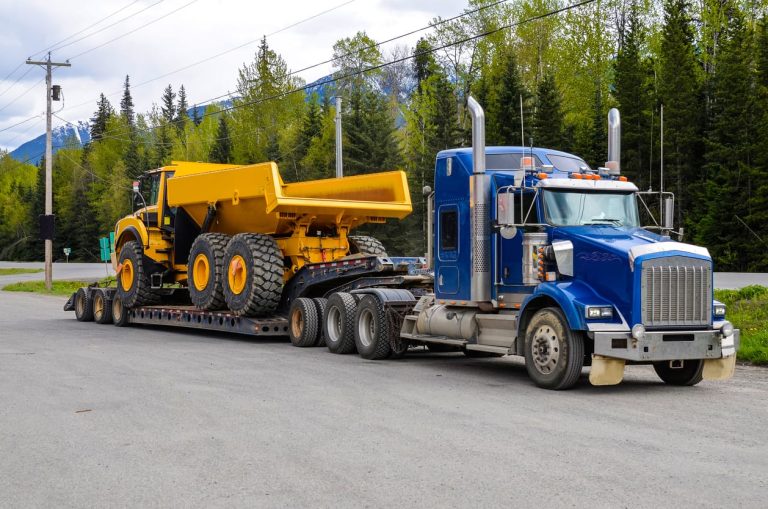
Height includes the trailer, and that is what catches people. A flatbed deck sits around 5 feet off the road, so a 9 foot machine is already at 14 feet before anybody has measured the cab. A step deck buys roughly a foot and a lowboy considerably more.
Permits and Escorts
Past any of those limits the load needs an oversize or overweight permit from the Kansas Department of Transportation, issued against a specific machine, a specific configuration and a defined route.
Routine permits are normally issued quickly. Wider loads bring escort vehicles into the picture, with thresholds set by the state and varying with the road, and the largest loads require engineering review of the structures on the route.
Permitted movement is generally daylight only on weekdays, with restrictions around holidays. That matters more than it sounds in a state this size: a permitted load moving in daylight at reduced speed covers far less ground per day than an ordinary truck, and a cross state Kansas run can be a multi day trip.
Agricultural Equipment Is the Main Event
Kansas is wheat country and the equipment reflects it, which shapes both the loads and the calendar.
A combine with the header attached can be well over 20 feet wide, which is a permitted load with escorts in any state. Remove the header and move it separately on its own trailer and the same machine frequently comes back inside a manageable width, which removes the escorts and the routing restrictions along with the cost of both. That is the single most useful thing to know about moving a combine.
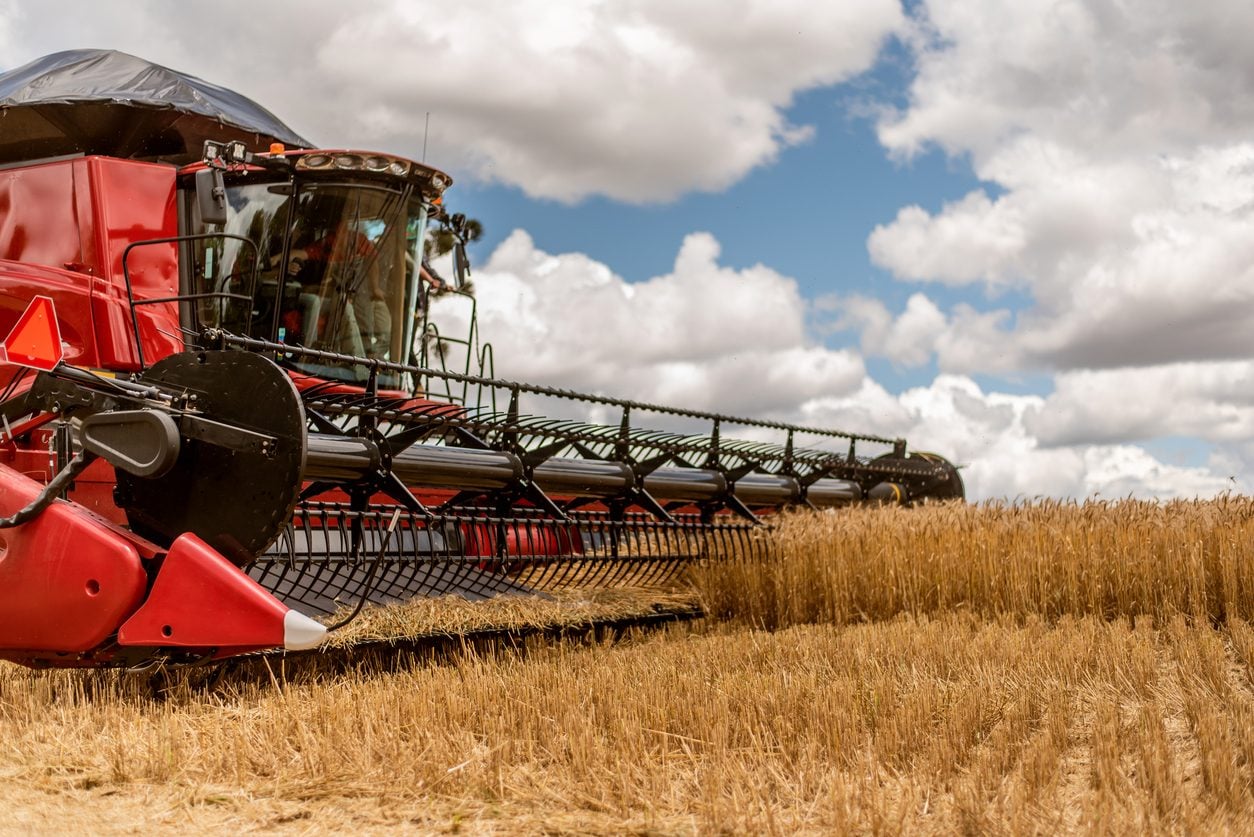
Sprayers, planters and grain carts follow the same pattern: wide, comparatively light, and frequently foldable into a legal envelope if somebody thinks about it before the truck arrives.
Timing matters more here than almost anywhere. Wheat harvest runs roughly from June in the south of the state to July further north, and demand for agricultural transport spikes hard around it. Custom harvesting crews move north through the season with their own equipment, which absorbs a great deal of the available capacity. Book agricultural moves well ahead or plan around the shoulder seasons.
Wind Energy Is the Other Specialty
Kansas has substantial wind generation and that produces some of the most demanding loads in the country.
Turbine blades run well past 150 feet, towers move in sections, and nacelles are extremely heavy. These are superload movements requiring specialized trailers, engineering review, route surveys and multiple escorts, and they are planned months rather than weeks ahead.
If you are moving anything in this category, the lead time is the constraint rather than the equipment. Start the conversation early.
Routing Across the State
Interstate 70 runs the width of Kansas and is the main east to west corridor, joining Denver to Kansas City. Interstate 35 crosses the eastern part of the state toward Oklahoma and Texas. Both are straightforward for heavy haul.
Off the interstates the picture changes. Rural Kansas has a great many county roads and bridges built for farm traffic rather than for a 90,000 pound permitted load, and a posted bridge limit is a hard stop rather than a suggestion. Route surveys matter here, and a carrier who runs the state regularly already knows which crossings work.

Weather is a genuine factor in both directions. Winter ice storms close highways with little notice, and spring brings severe thunderstorms and tornado risk across the plains. Permitted loads do not move in high wind, and a wide load is particularly exposed. Build slack into any schedule between March and June.
Choosing the Trailer
The machine picks the trailer rather than the other way round.
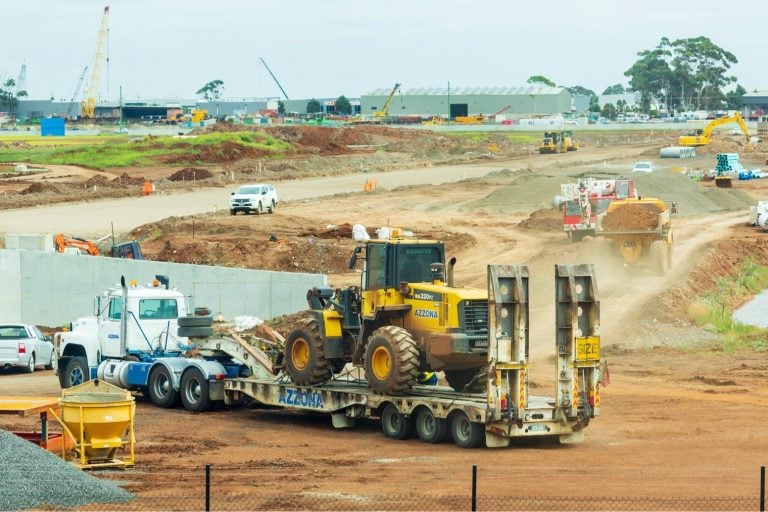
A flatbed suits smaller equipment such as skid steers, mini excavators and attachments. A step deck lowers the deck about a foot and handles mid size machines and many agricultural units. A lowboy or removable gooseneck drops it further and is what large dozers, excavators and cranes travel on. Multi axle and stretch configurations spread weight to satisfy the federal bridge formula, which limits what can sit within a given axle spacing regardless of the gross figure. Our guide to wide and oversize loads covers those rules in detail.
Preparing the Machine
Give an accurate weight from the manufacturer’s specification or a certified scale, and include everything traveling with it. Counterweights, attachments, full tanks and fluid filled tires all add weight that is invisible from outside. Give the measured width and height rather than the brochure figures.
Then reduce the envelope where you can. Removing a header, folding a planter, taking off a bucket or swapping wide pads can bring a load under a threshold and save a permit, an escort and the routing restrictions that come with both. Twenty minutes in the yard routinely saves more than the labor costs.
Secure or remove anything loose, drain what needs draining, and clean the tracks and tires, since carried soil is both weight and a road hazard. Photograph the machine in daylight from every side before it loads, including the undercarriage and the hour meter, and get existing damage described specifically on the bill of lading.
Common Questions
What triggers a permit in Kansas? Past 8 feet 6 inches wide, the applicable height limit, or 80,000 pounds gross, or any axle limit.
How do I keep a combine legal? Remove the header and ship it separately. That usually brings the machine back inside a workable width and removes the escorts.
When is capacity tightest? Around wheat harvest, roughly June into July, when custom crews absorb much of the available agricultural transport.
What about wind turbine components? Superload territory, planned months ahead with route surveys, engineering review and multiple escorts.
Does weather affect permitted loads? Yes. High wind stops wide loads, and spring storms and winter ice both close routes with little notice.
Get a Quote
Call Ship A Car, Inc. at (866) 452-3657 for heavy haul and specialized freight with the machine’s make and model, its measured width, height and weight, and both site addresses, or price it with the specialized transport calculator.