North Carolina Heavy Equipment Shipping
North Carolina asks two completely different questions of a heavy haul depending on which end of the state you are in. East of Raleigh it is flat, well served and straightforward. West of Asheville it is mountain country with sustained grades, tight radius curves and a road network that offers very few alternatives when something closes. Establish which half of the state your route lives in before anything else.
The Legal Limits
North Carolina follows the standard federal figures, so start there.
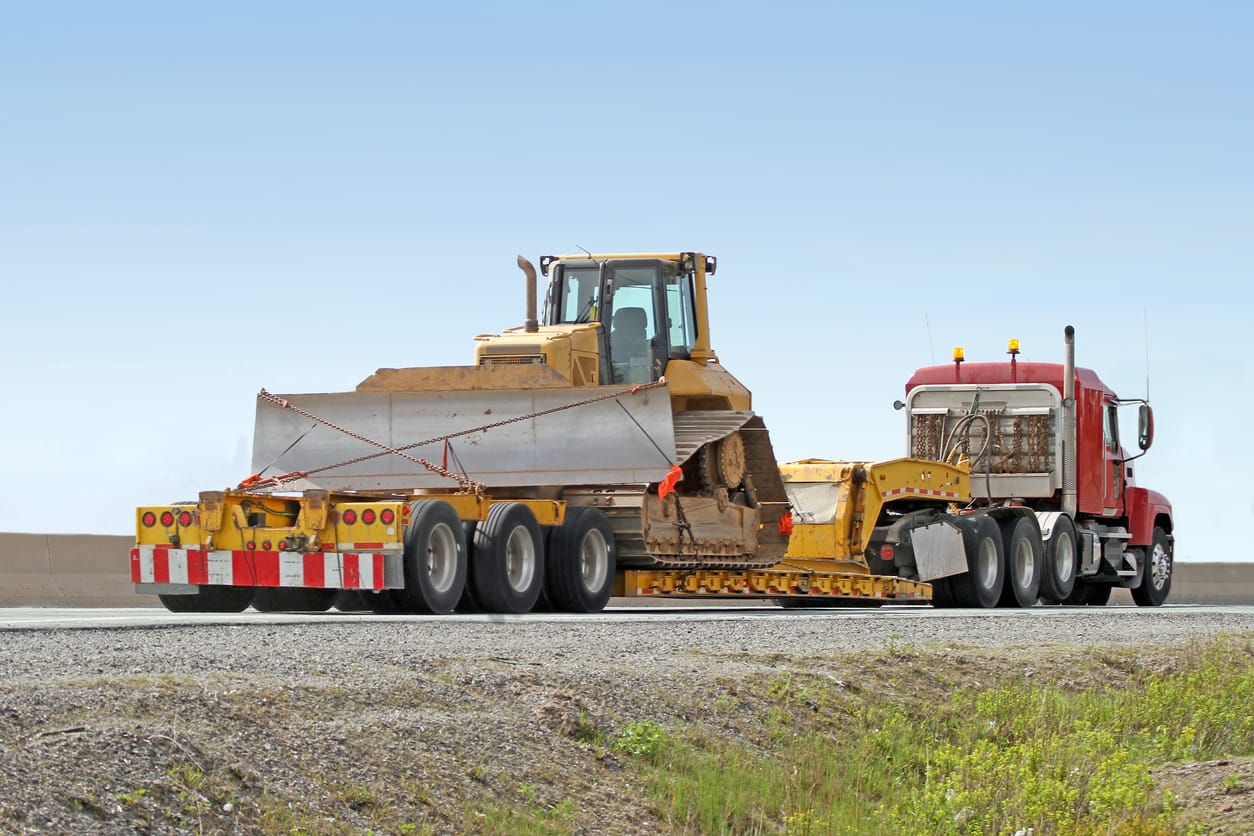
Maximum width is 8 feet 6 inches, maximum height is 13 feet 6 inches, and gross weight is capped at 80,000 pounds with 20,000 on a single axle and 34,000 on a tandem. Past any of those, the load needs a permit.
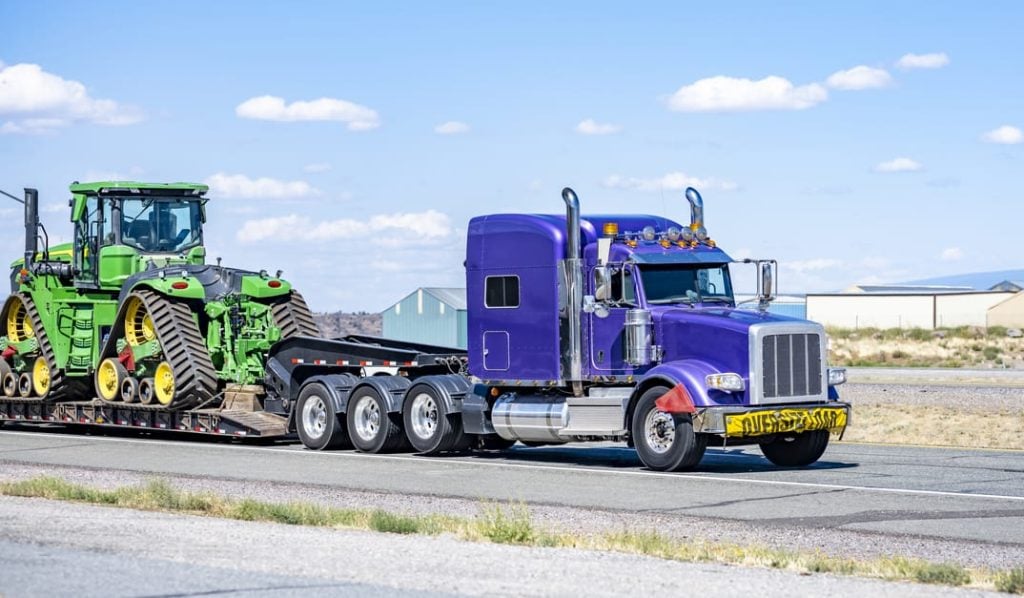
Height is the number people get wrong, because it includes the trailer rather than just the machine. A flatbed deck sits around 5 feet off the road, so an 8 foot 6 inch machine is already at the ceiling before anybody measures the cab. A step deck buys roughly a foot and a lowboy drops the deck to somewhere around 18 to 24 inches, which is what tall equipment travels on.
Permits and Escorts
Oversize and overweight permits come from the North Carolina Department of Transportation, issued against a specific machine, a specific configuration and a defined route.
Routine permits are normally issued quickly. Wider loads bring escort vehicles, with thresholds set by the state and varying with the road type, and the largest loads require engineering review of the structures along the route.
Permitted movement is generally daylight only on weekdays with holiday restrictions. In a state roughly 500 miles from the coast to the Tennessee line, that turns a cross state move into a multi day job, and each overnight stop has to be somewhere a permitted load can legally and safely sit.
The Mountains Are the Real Constraint
This is what separates North Carolina from its neighbors, and it catches carriers who have only run the Piedmont.
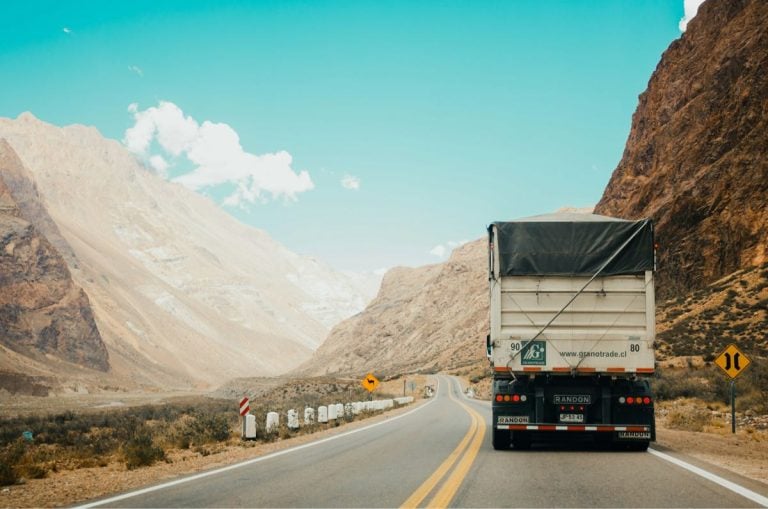
Interstate 40 climbs through the Pigeon River Gorge toward the Tennessee line on sustained grades with tight curves and steep drop-offs. It is a demanding road for a loaded lowboy in good weather, and it has a history of closures from rockslides and landslides that can last weeks rather than hours. When it closes, the detour is long, because there is no parallel route of similar capacity.

Interstate 26 south of Asheville carries its own long descent, and the secondary roads through the mountains are narrow, winding and frequently posted for weight. A machine that moves easily across the Piedmont may need a different route, a different trailer or a different plan entirely once it heads west.
Plan a route survey for anything permitted going into the western counties, and treat published transit estimates there as optimistic.
The Piedmont and the Coast
Everywhere else, routing is good, and it is why North Carolina rates are generally competitive.
Interstate 85 runs southwest to northeast through Charlotte, Greensboro and Durham, which is the industrial spine of the state. Interstate 95 runs the length of the eastern side and is one of the busiest freight corridors on the East Coast. Interstate 77 connects Charlotte north toward Virginia, and Interstate 40 crosses the whole state to Wilmington.
Construction demand around Charlotte and the Research Triangle keeps earthmoving equipment moving constantly, and the ports at Wilmington and Morehead City add project cargo that arrives by water and leaves by road.
The coastal plain has its own seasonal factor. Hurricane season runs June through November, and a named storm closes routes, floods low ground and takes carrier capacity out of the region in both directions for days at a time.
Choosing the Trailer
The machine picks the trailer rather than the other way round.
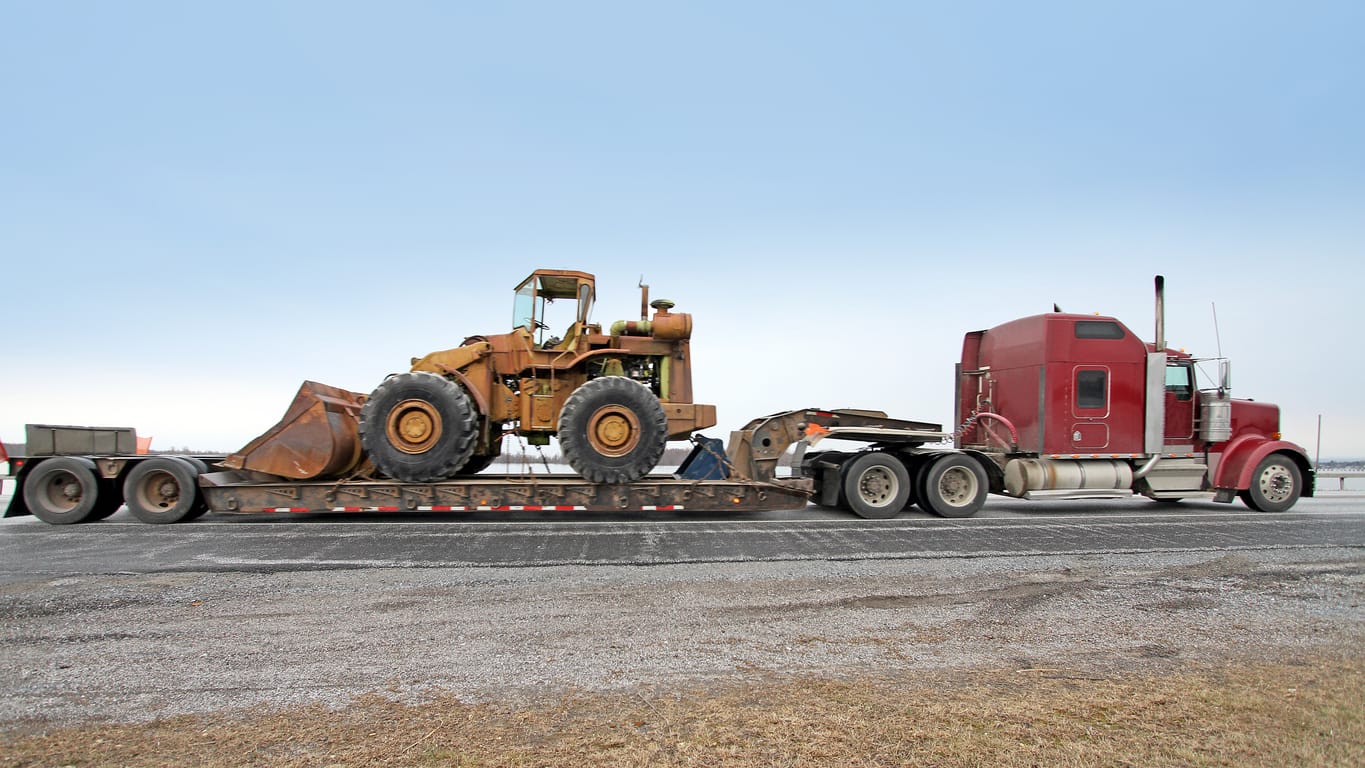
A flatbed suits smaller equipment such as skid steers, mini excavators and attachments. A step deck lowers the deck about a foot and handles mid size machines. A lowboy or removable gooseneck drops it further and is what large excavators, dozers and cranes travel on. Multi axle and stretch configurations spread weight to satisfy the federal bridge formula, which limits what can sit within a given axle spacing regardless of the gross figure.
In mountain country the trailer choice also affects how the load behaves. A high center of gravity that is merely inconvenient on flat road becomes a real handling concern on a sustained grade with tight curves, which is another argument for getting the deck as low as the machine allows.
Preparing the Machine
Give an accurate weight from the manufacturer’s specification or a certified scale, and include everything traveling with it. Counterweights, attachments, full tanks and fluid filled tires all add weight that is invisible from outside. Give the measured width and height rather than the brochure figures.
Then reduce the envelope where you can. Taking off a bucket, folding an attachment, lowering a boom or swapping wide pads can bring a load under a threshold and save a permit, an escort and the routing restrictions that come with both.
Secure or remove anything loose, drain what needs draining, and clean the tracks and tires, since carried soil is both weight and a road hazard. Photograph the machine in daylight from every side before it loads, including the undercarriage and the hour meter, and get existing damage described specifically on the bill of lading rather than as general wear. Our guide to wide and oversize loads covers the thresholds in detail.
Common Questions
What triggers a permit in North Carolina? Past 8 feet 6 inches wide, 13 feet 6 inches high, or 80,000 pounds gross, or any axle limit.
What makes the western part of the state harder? Sustained grades and tight curves on I-40 and I-26, narrow weight-posted secondary roads, and a closure history that leaves very long detours.
Where is capacity easiest? The I-85 corridor through Charlotte, Greensboro and Durham, and the I-95 corridor on the eastern side.
Does hurricane season affect heavy haul? On the coastal plain, yes. Storms close routes, flood low ground and pull capacity out of the region for days.
How far ahead should I book? Two to three weeks for a permitted load, and longer if the route crosses the mountains or the dates are fixed.
Get a Quote
Call Ship A Car, Inc. at (866) 452-3657 for heavy haul and specialized freight with the machine’s make and model, its measured width, height and weight, and both site addresses, or request a quote through the specialized transport calculator.