How to Ship an Injection Molding Machine
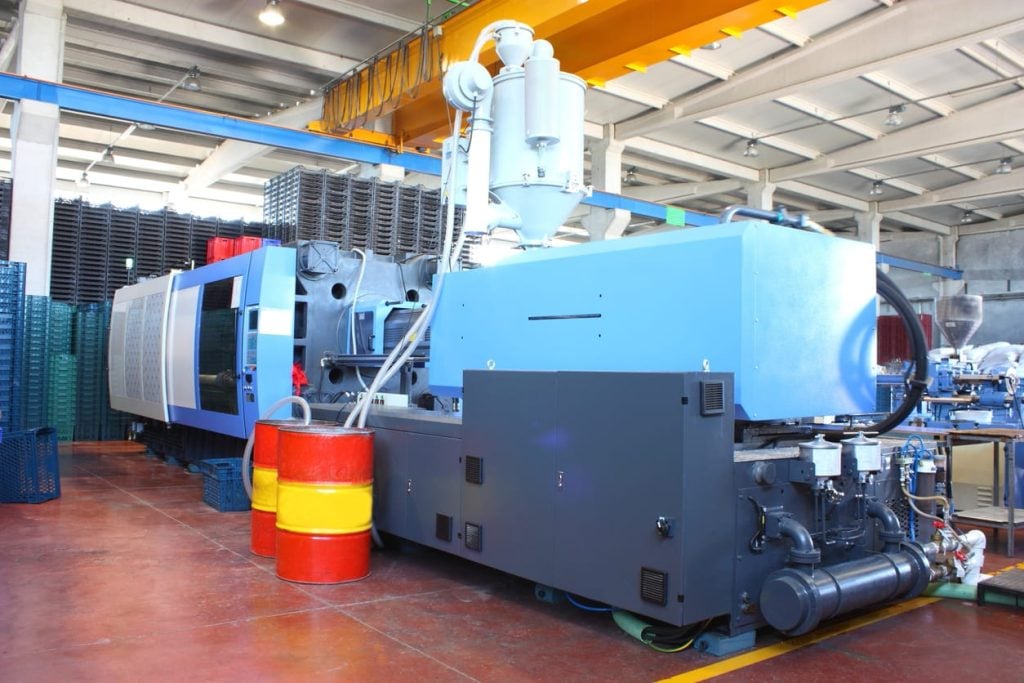
An injection molding machine is heavy, precisely aligned and awkwardly shaped, and the thing that makes it difficult is not the weight but the fact that a machine can arrive undamaged and still not run. The platens, tie bars and clamp unit are aligned to fine tolerances, and a hard impact or a badly supported lift can move that alignment without leaving a mark. Plan the rigging as carefully as the transport.
Establish the Real Numbers First
Machines in this category vary enormously and the specification sheet is where to start.
Clamping force is the usual way they are described and it correlates roughly with size. A small machine of 50 to 100 tons might weigh 5,000 to 12,000 pounds. A mid range machine of 200 to 500 tons runs from around 20,000 to 60,000 pounds. Large machines past 1,000 tons weigh well over 100,000 pounds and move as multi piece loads.
Length is the dimension people underestimate, because these machines are long rather than tall. The injection unit and the clamp unit sit in line, and a mid size machine can be 20 feet or more end to end.
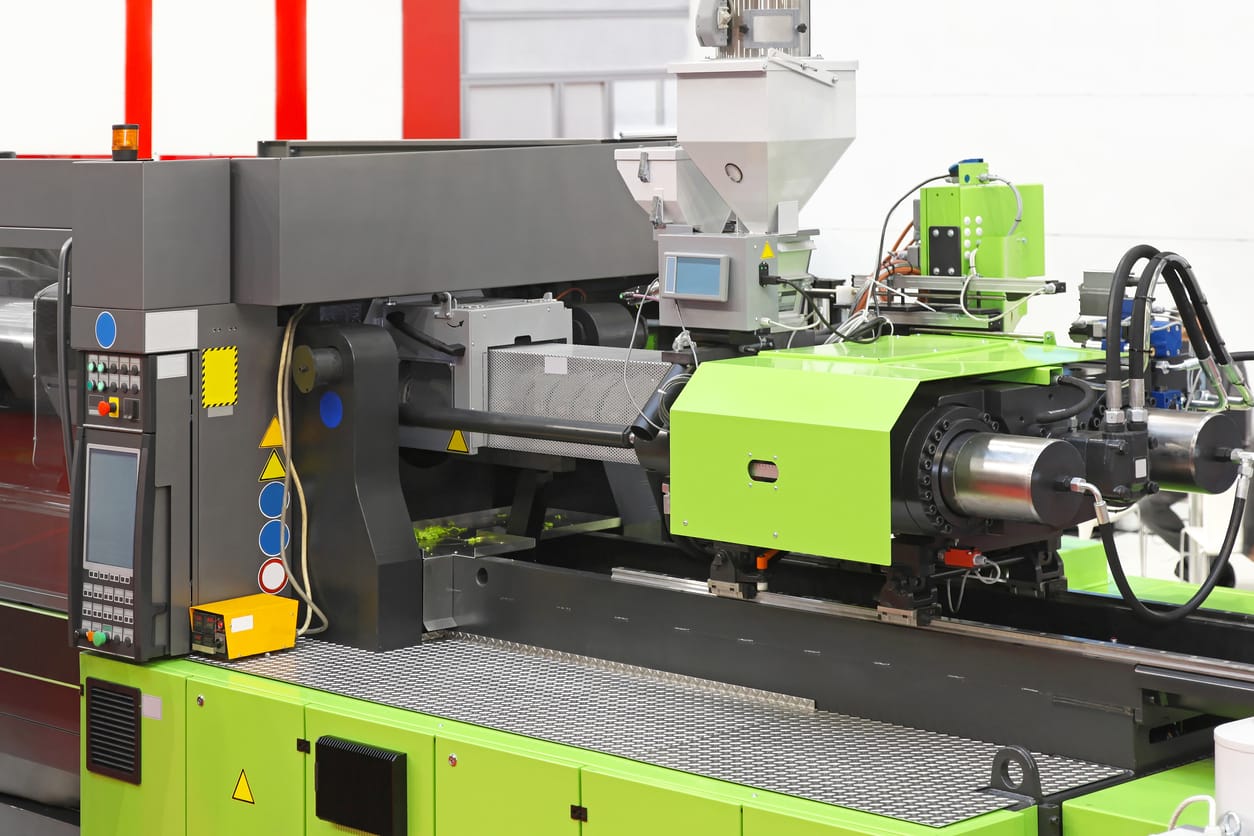
Get the manufacturer’s shipping weight and dimensions rather than the operating footprint, and confirm whether the figure includes the hopper, the dryer, the control cabinet and any auxiliary equipment. Those are frequently listed separately and they still have to travel.
Weight Distribution Is Unusual
This is the characteristic that catches carriers who have not moved one before.
The clamp end is dramatically heavier than the injection end, so the load is not balanced along its length. A machine positioned on a deck as though the weight were even will put the axle loads badly out, and that is an overweight axle at a scale rather than a theoretical problem.
Give the carrier the weight distribution if the manufacturer publishes it, or at least tell them which end is heavy. An experienced heavy haul carrier will ask; if nobody asks, raise it.
Rigging Is Where Damage Happens
Most injection molding machine damage occurs during lifting and setting rather than on the road.
Use the manufacturer’s designated lifting points. These machines have specific eyes or jacking points, and slinging from a tie bar, the platen or any part of the injection unit can bend something expensive. Where the manual specifies a lifting sequence or a spreader bar arrangement, follow it.
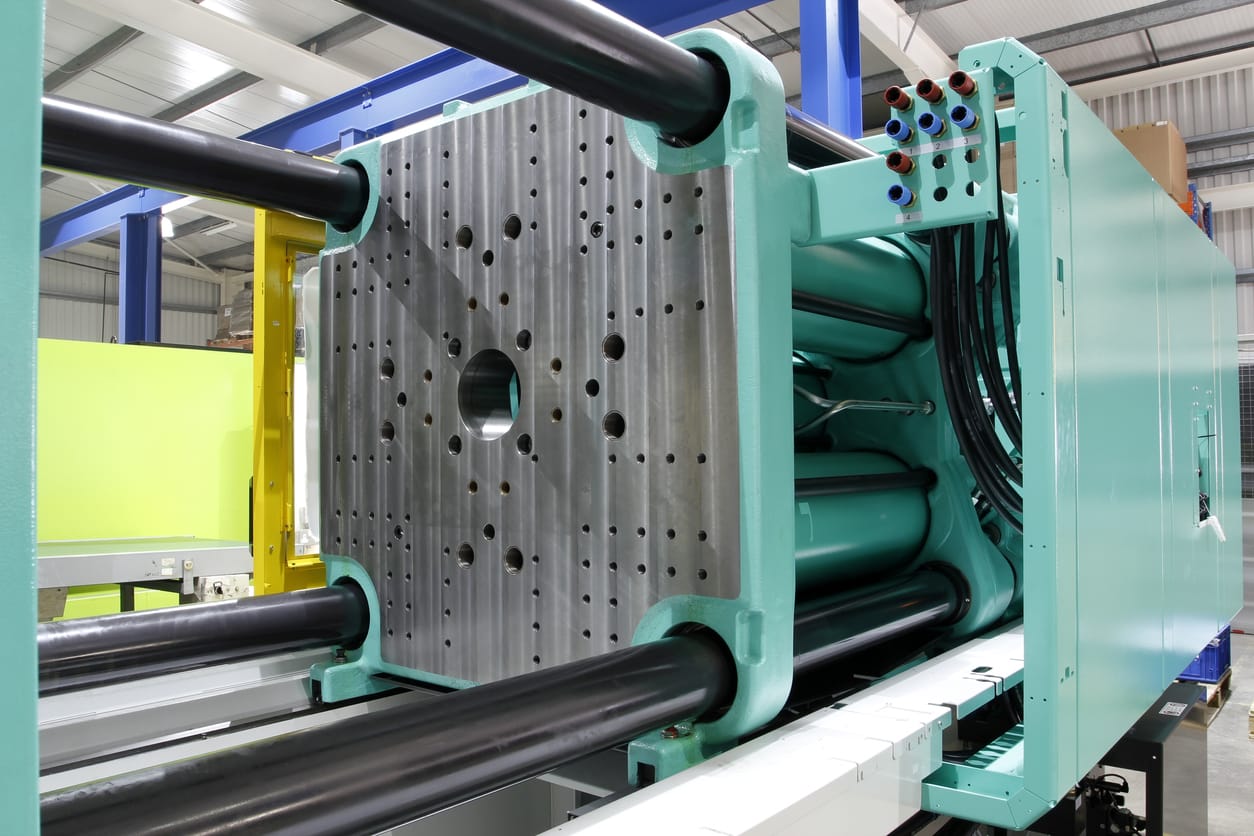
Machine skates and toe jacks move these machines within a building, and that is skilled work: a heavy machine on skates over an uneven floor or a floor joint is how a machine gets tipped. Use riggers who do this regularly rather than a general crew.
Protect the tie bars specifically. They are ground and polished, they corrode if left unprotected, and a nick on a tie bar surface is a real repair.
Preparing the Machine
Preparation is genuinely most of the job and it should start days before the truck arrives.
Drain the hydraulic oil, or confirm with the manufacturer whether it should travel full or empty, since some prefer the system to stay wet to prevent corrosion. Drain water from the cooling circuits completely, particularly if the route crosses freezing conditions, because a cracked manifold is a slow and expensive discovery.
Remove or securely fix everything that can move: the hopper, the dryer, the robot or take out unit, the guarding, the operator screen and any loose tooling. Screens and control cabinets are fragile and worth crating separately.
Lock the moving platen so it cannot travel, using the manufacturer’s transit locks if they exist. An unlocked platen moving in transit is a heavy mass with momentum inside a machine that is not designed to absorb it.
Photograph everything before it is wrapped, including the tie bars, the platen faces, the control cabinet and the data plate, and record the serial number.
Trailers and Height
The trailer choice comes down to height, as it usually does.
Legal height is 13 feet 6 inches measured from the road in most states, and a flatbed deck uses around 5 feet of that. A machine 9 feet tall on a flatbed is at the limit before anybody measures carefully. A step deck lowers the deck about a foot and a lowboy or removable gooseneck lowers it considerably further, which is what large machines use.
Where the load goes past 8 feet 6 inches wide, 13 feet 6 inches high or 80,000 pounds gross, it needs an oversize or overweight permit for every state on the route. Our guide to wide and oversize loads covers those rules in detail.
Consider covered transport. These machines are full of precision surfaces and electronics, and several days of weather on an open deck is avoidable exposure. Tarping is the minimum; a covered trailer is better on a high value machine.
Survey Both Buildings
Getting the machine to the site is rarely the problem. Getting it inside usually is.
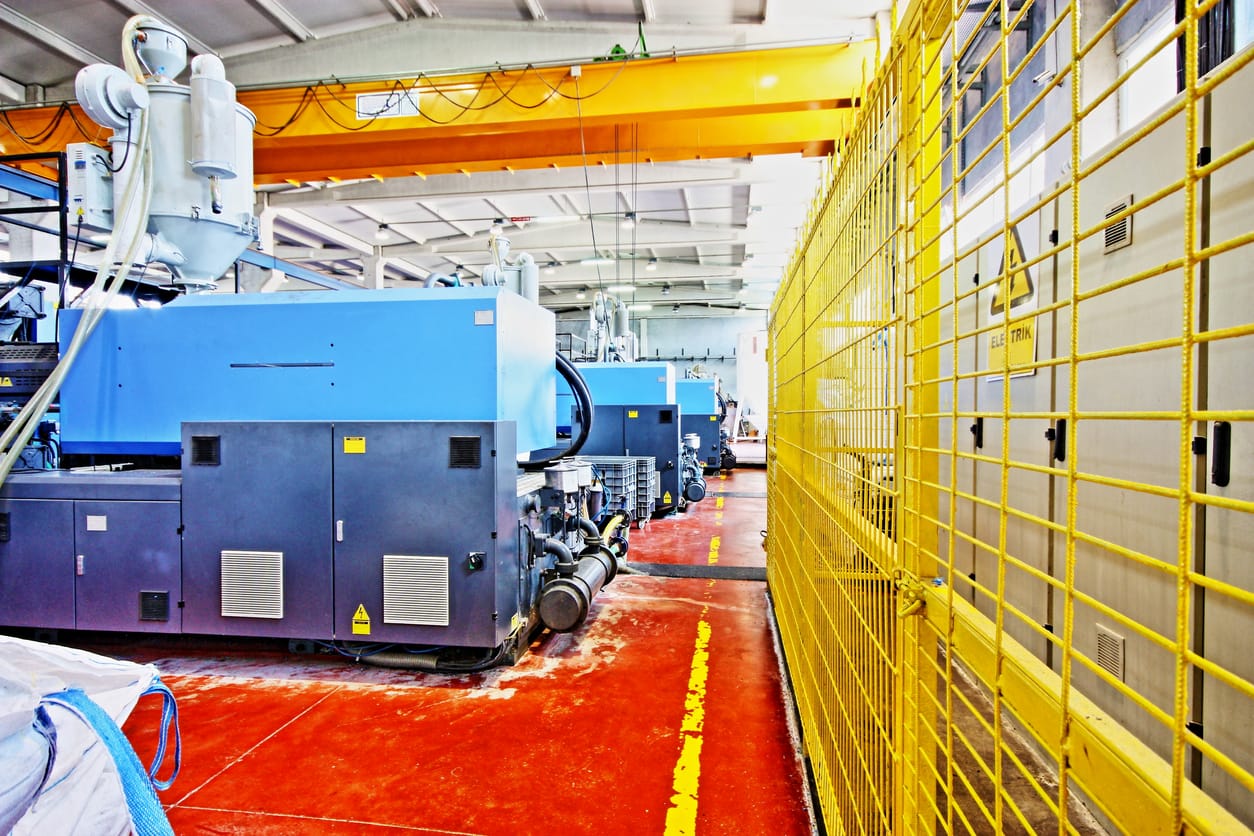
Measure the door widths and heights on the route in, the ceiling clearance, any floor joints or ramps, and the load rating of the floor where the machine will sit. Injection molding machines are concentrated point loads and not every industrial floor takes one without preparation.
Check whether the machine can be moved once inside: aisle widths, existing equipment in the way, and whether power and services are where they need to be. Where the machine has to be craned in through a roof or a removed wall panel, that is a planned operation with its own permits and schedule.
Insurance and Documentation
Standard cargo insurance is calculated by weight or shipment and bears no relationship to what one of these machines is worth. Declare the value in writing and arrange cover to match before it loads.
Ask specifically whether the policy responds to misalignment discovered at commissioning rather than to visible impact damage, because that is exactly the failure mode here. Get any existing damage described specifically on the bill of lading rather than as general wear, and inspect against your photographs before signing at delivery.
Common Questions
How much does an injection molding machine weigh? Roughly 5,000 to 12,000 pounds for a small machine, 20,000 to 60,000 for a mid range one, and well over 100,000 for large machines.
Why does weight distribution matter? The clamp end is far heavier than the injection end, so a machine centered on a deck can put an axle over weight even when the gross is legal.
Where do I lift it from? The manufacturer’s designated lifting points only. Never from a tie bar, a platen or the injection unit.
Should I drain the oil? Ask the manufacturer. Some prefer the hydraulic system wet to prevent corrosion. Cooling water should always be drained completely.
What is the most common damage? Misalignment from bad rigging, which leaves no external mark and is only found at commissioning.
Get a Quote
Call Ship A Car, Inc. at (866) 452-3657 for heavy haul and specialized freight with the make, model, clamping force, shipping weight and dimensions, and the access at both buildings, or price it with the specialized transport calculator.