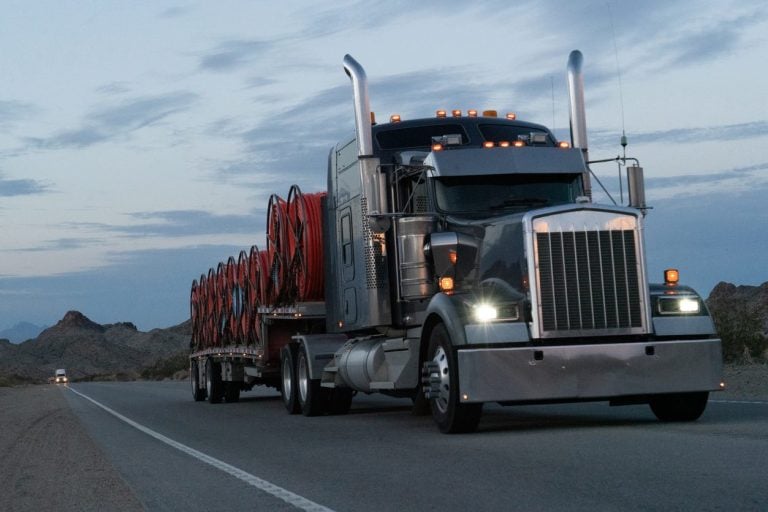
Power Only Freight: When You Have the Trailer and Need the Truck
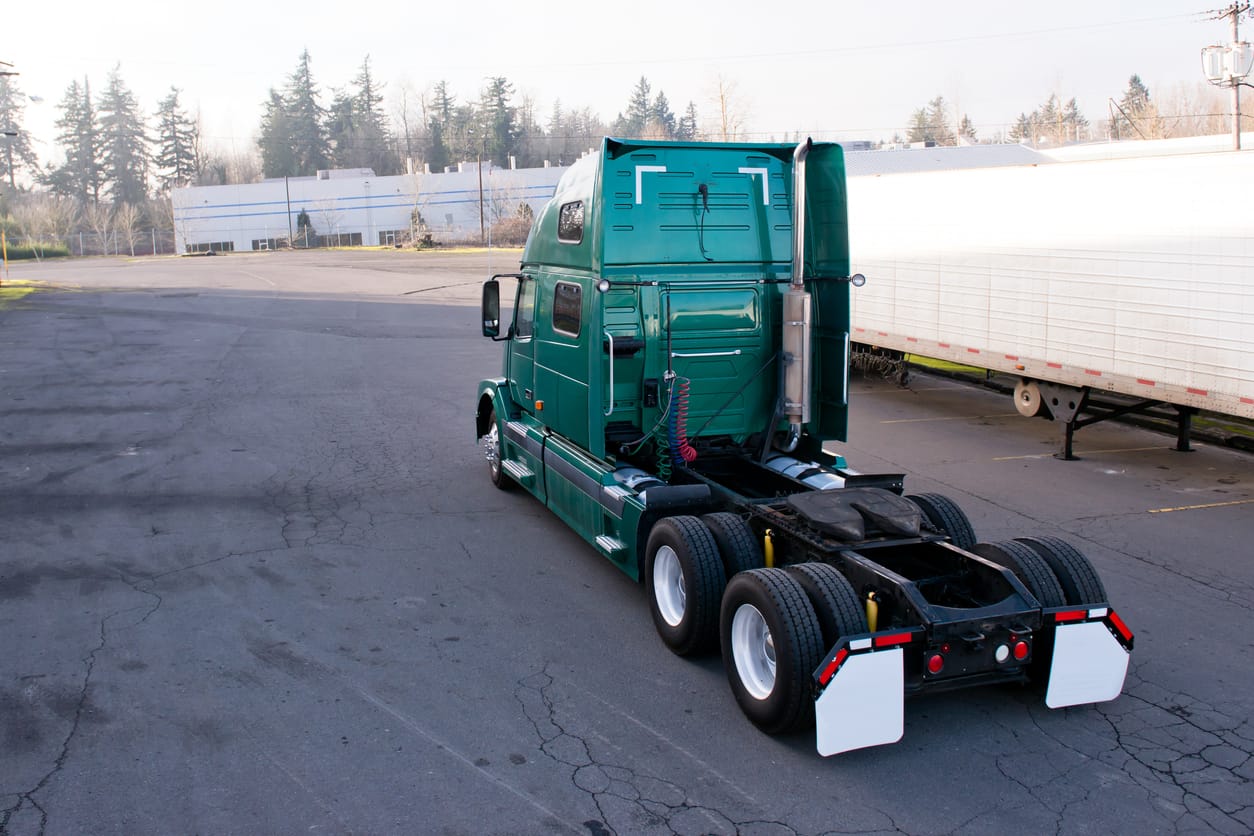
Power only is the arrangement where the carrier supplies a tractor and a driver, and the trailer is yours. It exists because trailers and tractors age, cost and schedule differently, and a surprising number of businesses end up owning one without the other.
Here is how the arrangement actually works, what the tractor operator needs to know about your trailer, and where the liability lines sit.
Who Actually Uses Power Only
Four groups, and they explain the whole market.
Shippers with drop trailer pools. A warehouse that loads trailers on its own schedule and wants them pulled when full, without paying a driver to wait at a dock.
Trailer owners without tractors: businesses that bought a trailer for storage or seasonal moves, food vendors, contractors with equipment trailers, and anyone who inherited a trailer in an asset purchase.
Fleets bridging equipment gaps such as a tractor in the shop, a seasonal surge, or a lane they do not want to commit a truck to.
Trailer dealers and lessors repositioning inventory between yards and customers.
The common thread: the trailer’s schedule and the tractor’s schedule are different problems, and power only prices them separately.
Your Trailer Has to Earn the Hookup
The part first-time power only customers underestimate: the carrier’s driver will inspect your trailer before pulling it, and a federal roadside inspection will not care whose name is on the title.
What has to be right: tires with legal tread and correct pressure, brakes that work and adjust, lights and reflectors all functioning, a kingpin and upper coupler in sound condition, current registration, and a legible VIN plate. An annual inspection sticker where required.
A driver who arrives to a trailer with a flat spot, a dead light bar or a rusted kingpin is entitled to refuse it, and the wasted trip is billed. Getting the trailer serviced before booking costs less than discovering its condition at the curb, and it matters more here than anywhere, because on the road, defects on your trailer become the driver’s out-of-service problem.

One operational detail that separates smooth power only moves from messy ones: the hookup location. A tractor bobtailing to your yard needs room to back under the trailer, firm ground under the drive axles while it does, and a trailer parked with its nose accessible rather than buried in a corner. If the trailer has sat long enough for the landing gear to sink or the brakes to seize, say so at booking. A driver can plan for a frozen brake drum, but only if someone tells them before they arrive. Ten minutes spent staging the trailer nose-out on firm ground saves an hour of maneuvering and the awkward phone call that follows.
What the Carrier Needs to Quote
Seven facts, and they turn a vague inquiry into a real price: trailer type (van, reefer, flatbed, equipment trailer), overall length, loaded or empty, actual weight if loaded, what the cargo is, kingpin or hitch type, and both addresses with honest access notes.
Loaded trailers raise the questions cargo always raises: weight distribution across the axles, load securement inside or on the deck, and whether anything is hazardous, which changes the authority required entirely. The driver is responsible for the combination at the scale house, so expect them to verify rather than take your word for the weight.
Reefers add one more: who fuels and monitors the unit, and what happens if it alarms mid-route. Settle that at booking, not by phone at 2 a.m.
Where the Liability Lines Sit
Worth understanding before anything is signed, because power only splits responsibilities that normally travel together.
The carrier’s liability and cargo coverage applies while the combination is on the road, the same as any freight move. Your trailer itself is typically covered under the carrier’s arrangements only to a stated limit, so ask what it is and compare it against the trailer’s value, exactly as you would with cargo. Your own physical damage coverage on the trailer, if you carry it, fills the gap.
Pre-existing damage gets recorded at hookup the way vehicle condition does: photograph the trailer, all four corners, tires, and the interior if loaded, before it leaves. The condition record protects both sides, and trailers collect dents in yards nobody remembers.
What It Costs Relative to Regular Freight
Power only prices like a truckload move minus the trailer’s share of the equipment cost, plus the reality that the tractor probably returns empty unless the carrier finds a follow-on hook. Distance, route, whether the trailer is loaded, and access set the number, and the same rule applies as everywhere in transport: a few days of date flexibility beats any negotiation, because it lets a dispatcher slot your hook into a route that already exists.
Recurring lanes price better than one-off moves. If your warehouse generates a weekly pull, say so. A predictable hook is worth more to a carrier than a spot rate.
How to check any carrier before handing them your trailer is the same public-record process as any freight decision, set out in our page on vetting a heavy haul transport company. What a tractor actually costs to run, and why cheap quotes fail, is in what it costs to run a truck.

Common Questions
What is power only freight? The carrier supplies the tractor and driver; the trailer is yours. Common for drop trailer pools, trailer owners without tractors, and fleets bridging gaps.
Does my trailer need to be roadworthy? Completely: tires, brakes, lights, kingpin, registration and VIN plate. The driver can refuse an unsafe trailer and roadside inspections do not care who owns it.
Who insures what? The carrier’s coverage applies on the road; your trailer is covered to a stated limit worth checking against its value. Your own physical damage policy fills the rest.
Can the trailer be loaded? Yes, with accurate weight, sound securement and nothing hazardous unless the carrier holds that authority.
What does it cost? Truckload economics minus the trailer share, shaped by distance, load status and access. Recurring hooks price better than one-offs.
Get a Quote
Call Ship A Car, Inc. at (866) 452-3657 with the trailer type, length, load status and both addresses, or price the move with the specialized transport calculator.