How to Get an Accurate Car Shipping Quote
Most quotes are wrong because the question was incomplete, not because anyone was dishonest. An auto transport quote is a prediction of what a carrier will accept for your specific vehicle on your specific route in your specific week. Change any of those three and the number changes. So the way to get an accurate quote is to remove the guesswork before anyone gives you a figure, and then to compare like with like. Here is exactly what to have ready, what to ask, and how to tell a realistic number from one that will not hold.

Have These Seven Things Ready
Every one of them changes the price, and every one is knowable before you call. A quote given without them is an estimate of an average car, not of yours.
- Both zip codes, not city names. Rural versus interstate access is a real price difference within the same metro.
- Year, make and model. Size and weight decide how much of the trailer you occupy.
- Does it start, roll and steer. Three separate questions. A non runner needs winching, which adds roughly $100 to $250.
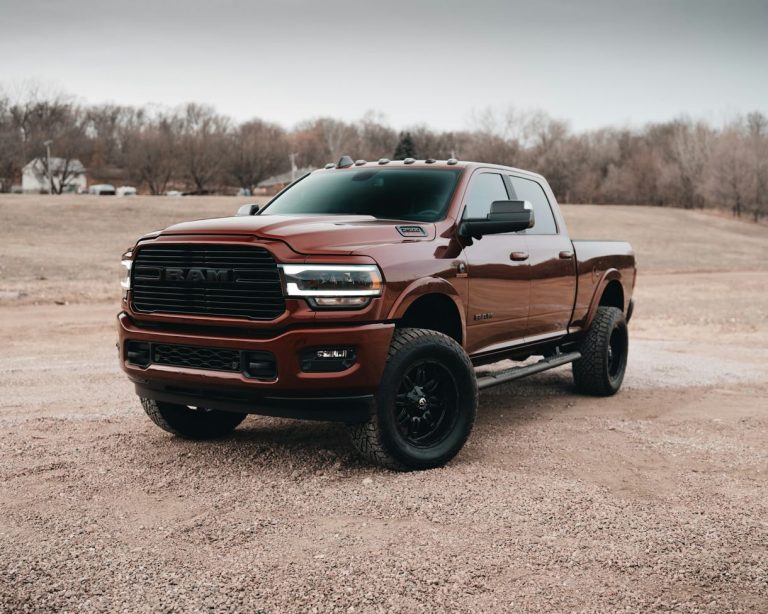
- Any modification that changes the dimensions. A lift kit, oversized tires, a roof rack or a lowering kit. Height especially.
- Your date range, and how firm it is. Flexibility is the single biggest lever you control.
- Open or enclosed, if you already know. If not, say so and let it be quoted both ways.
- What the access looks like at both ends. Narrow street, gated community, apartment complex or steep driveway.
Ten seconds each, and together they are the difference between a number that holds and one that gets revised on pickup day.
Why Quotes Vary So Much Between Companies
Understanding the mechanism removes most of the confusion.
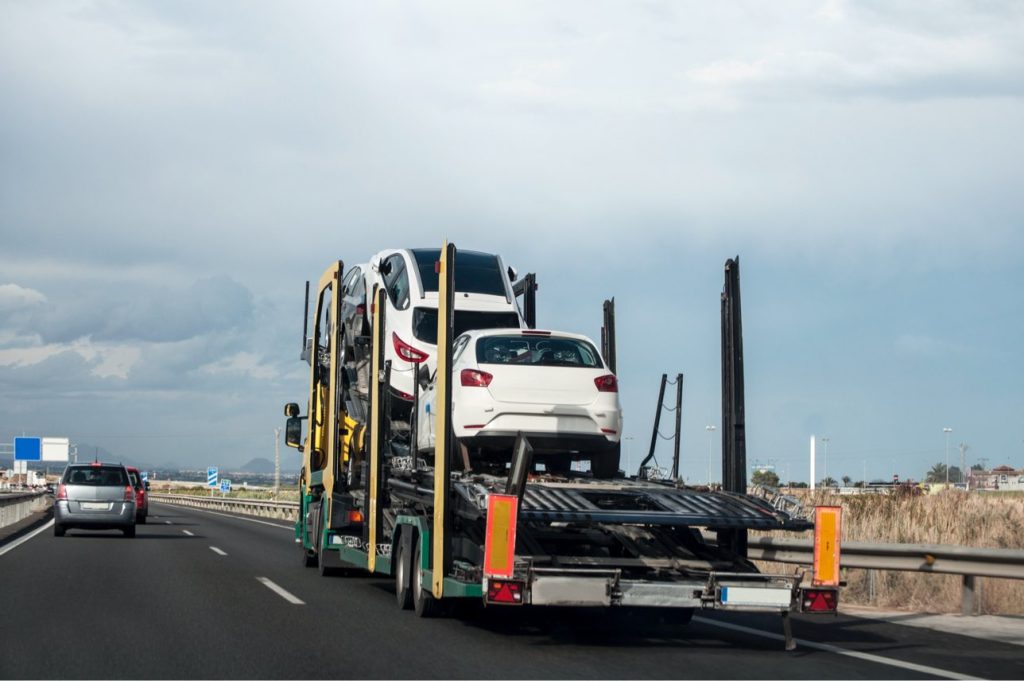
Nearly all consumer transport is arranged through a national load board. A broker posts your vehicle and carriers running that direction choose which loads to take. The quote is therefore a prediction of the price a carrier will accept, not a rate read off a price list. Two companies quoting the same car can genuinely disagree about what the market will do next week.
That is also why the lowest number is not automatically the best one. Quote too low and no carrier takes the load, so the car sits unassigned while your dates approach and you are eventually asked for more. Nothing was hidden, but you lost a week.

The Question That Tells You Most
Ask: what happens if no carrier accepts this price?
A good answer explains how the figure was arrived at, what the current market looks like on your lane, and what the company does if it needs to move. A vague answer, or an assurance that it will definitely be fine, predicts the phone call asking for more money a week before your move.
Two follow ups are worth the time. Ask whether the price is what a carrier will actually accept or an opening figure. And ask what the cancellation terms are in writing, before any deposit.
Comparing Quotes Properly
Comparisons go wrong when the specifications differ. Before you compare, fix them: same trailer type, same pickup window, same vehicle description, same access notes at both ends.
Then look past the headline number at four things: what is included, when payment is due and by what method, the cancellation policy, and who your point of contact will be once the car is moving. A booking that is fifty dollars cheaper but requires cash on delivery to a driver you cannot reach is not actually cheaper.
Watch for a large deposit demanded up front. Normal practice is a modest deposit, or nothing until a carrier is assigned.
Our companion guide to what factors influence your car shipping quote weighs each of those inputs, from distance and lane to season and access.
What Moves the Number
In rough order of how much difference each makes: distance, vehicle size and weight, how flexible your dates are, the season, whether the route is a main lane or somewhere rural, whether the car runs, and the trailer type.
Distance behaves in a way that surprises people. Cost per mile falls sharply as distance rises, because loading, paperwork and handling cost about the same whether the trip is 300 miles or 3,000. A short move looks expensive per mile and is not being overpriced.
Season is the lever most people forget. Summer is the busiest window nationally, and January into February is usually the quietest and cheapest on most routes.
Getting an Instant Estimate
An online calculator is a genuine starting point and it is honest about what it is: a well informed estimate from distance and vehicle type. It cannot know that your street is too narrow for a full size rig or that the car has not started since March.
Use it to set expectations, then have the conversation that turns an estimate into a bookable number. If a quoted figure differs a lot from the calculator, that is worth asking about in either direction.
Common Questions
Why do quotes differ so much? Each one predicts what a carrier will accept, so companies genuinely disagree about the market. It is not a fixed rate.
Is the lowest quote the best? Often not. A price too low to attract a carrier leaves the car unassigned until you agree to pay more.
What information do I need to give? Both zip codes, year, make and model, whether it starts, rolls and steers, any modifications, your date range and the access at both ends.
How long is a quote valid? Market pricing moves, so treat any figure as current rather than fixed, and ask specifically how long it holds.
Should I pay a deposit? A modest one, or nothing until a carrier is assigned. Large up front payments are a warning sign.
Get a Quote
Call Ship A Car, Inc. at (866) 821-4555 with the seven items above and you will get a number that holds, or start with the instant calculator.