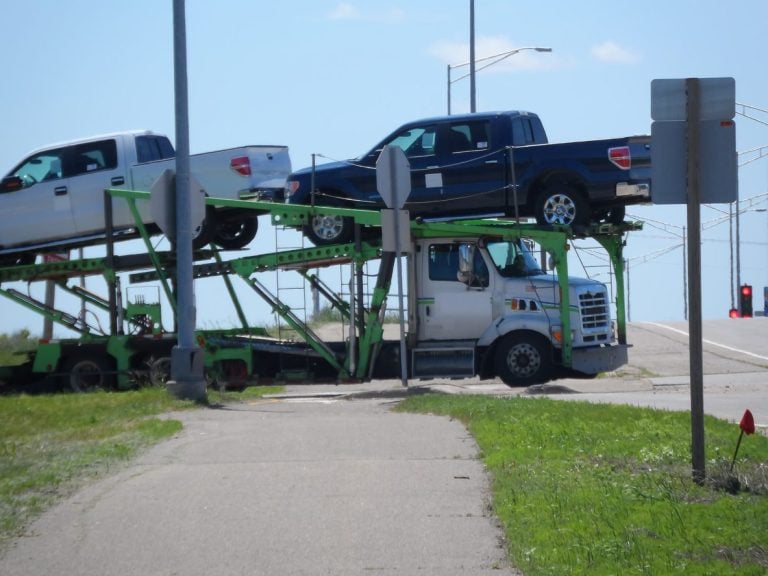
Choosing a Car Shipping Company in Florida
In most states the company you pick matters less than the quote you accept. Florida is the exception, because Florida has a season. From October into December every carrier serving the state is choosing between more vehicles than it can take, and that is when the difference between companies shows: whether they hold capacity, whether they tell you honestly what a realistic price is, and whether they still answer the phone in the busiest six weeks of their year. The general rules for choosing a transport company all apply here. These are the Florida specific ones on top.
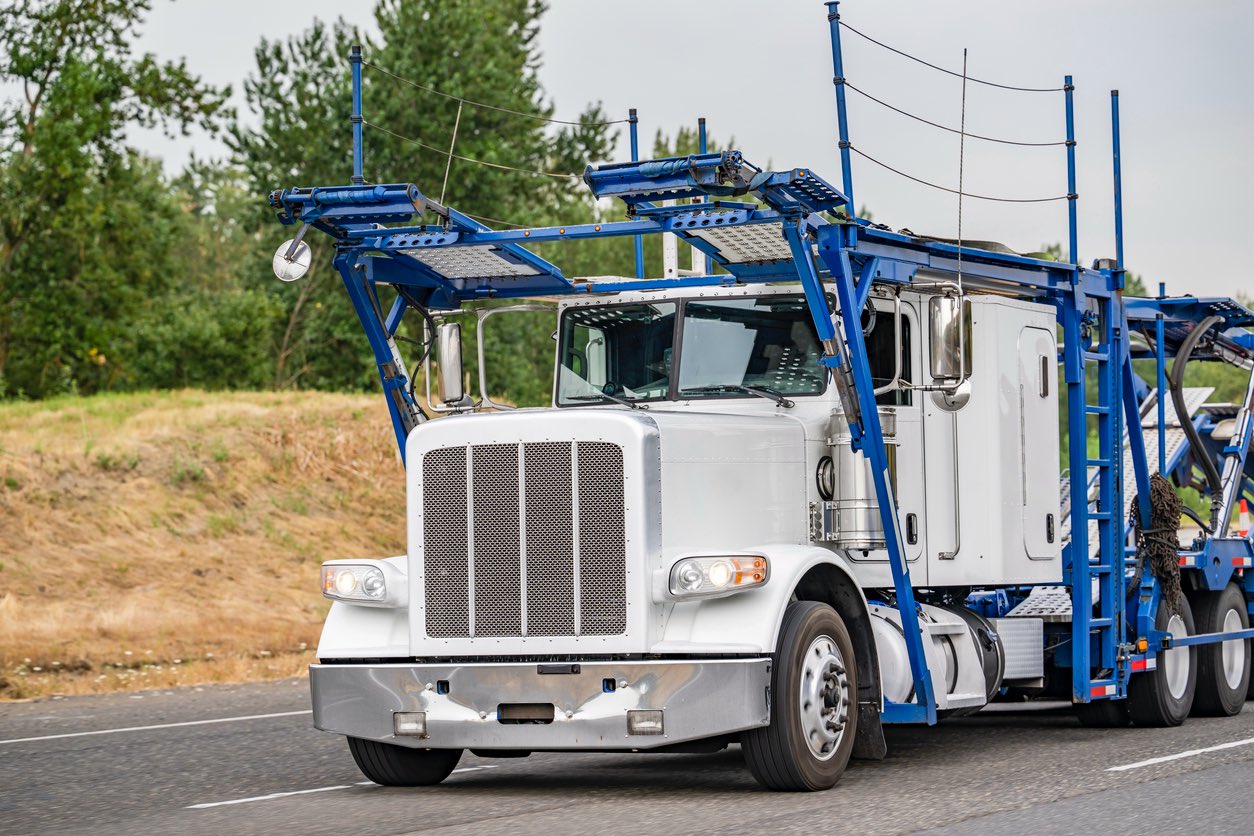
Ask What Happens in October
This is the question that separates companies that actually work this market from companies that merely quote it.
Autumn inbound demand into Florida is among the most concentrated in the country. A company that books your car in September for a November pickup at a September price is either holding real carrier relationships or setting you up for a call asking for more money. Ask directly how the price was arrived at, whether it reflects peak season, and what they do if no carrier accepts it.
A good answer is specific and slightly uncomfortable: it names a realistic range for your dates rather than the cheapest number that wins the booking. Our Florida shipping guide sets out what those ranges look like by season.
Two Coasts, Two Lanes
Florida fills from two directions. Traffic from the Northeast runs down I-95 to Jacksonville, Orlando and the east coast as far as Miami, while the Midwest comes down I-75 to Tampa, Sarasota, Fort Myers and Naples. Carriers tend to favor one artery, and pricing follows: a Boston to Naples move is really an I-95 trip plus a cross-state leg, so it usually prices a little above the mirror-image run to Fort Lauderdale even though the mileage is close.
The edges of the state behave differently again. The Keys below Miami and the Panhandle west of Tallahassee sit off the main arteries, so both usually mean either a premium for the detour or a handover in the nearest hub city. A company that quotes Key West like a Miami suburb has not looked at a map. One that names the surcharge and offers the alternative has done the run before.
Gated Communities Are a Competence Test
A very large share of Florida deliveries go to gated communities, and a full size car carrier generally cannot enter one. Access rules are set by the community, entry roads are often narrow with tight turns, and some have posted height restrictions.
Companies that work Florida regularly treat this as routine: the driver proposes a nearby handover point, you meet there, and the whole thing takes ten minutes. Companies that do not will discover the gate on delivery day.
Ask how they handle gated and age restricted communities, and mention yours by name when you book. If the answer is that the truck comes to your door regardless, they have not done many Florida deliveries.

If You Come Back Every Year, Say So
Seasonal residents are a large part of Florida transport, and the return trip is where most of the friction lives.
Ask whether the company handles both legs, whether your details and preferences are kept between them, and whether the northbound trip in April is quoted separately. It should be, because lane pricing changes direction with the season and a rate quoted in October is not a promise about May.
What you are looking for is a coordinator who recognizes you the second year rather than a call center where you start over. That is worth more than a small price difference, because the second booking is the one where knowing your community, your gate and your preferred meeting point actually saves time.
Hurricane Season Needs an Answer, Not a Disclaimer
Between June and November a storm can stop transport completely, and no company can prevent that. What they can do is have a plan.
Ask what happens if a hurricane closes your window: whether the booking moves without penalty, who contacts you, and how quickly they can reschedule once roads reopen. Ask also what their cargo policy says about weather damage, since many exclude it as an act of God.
A company that answers those three questions clearly has been through a season. One that treats it as unlikely has not.
Ports Matter Only If You Need Them
Florida has significant ports at Miami, Jacksonville and Port Everglades, and vehicles move through them to the Caribbean, Latin America and Europe.
That is a genuinely different service from domestic road transport, with customs documentation, sailing schedules and destination country rules on emissions and vehicle age. Most companies quoting Florida domestic moves do not handle it. If your car is going overseas, ask specifically rather than assuming the quote covers the whole journey. If it is staying in the country, ports are irrelevant to you and a company advertising them is not thereby better.
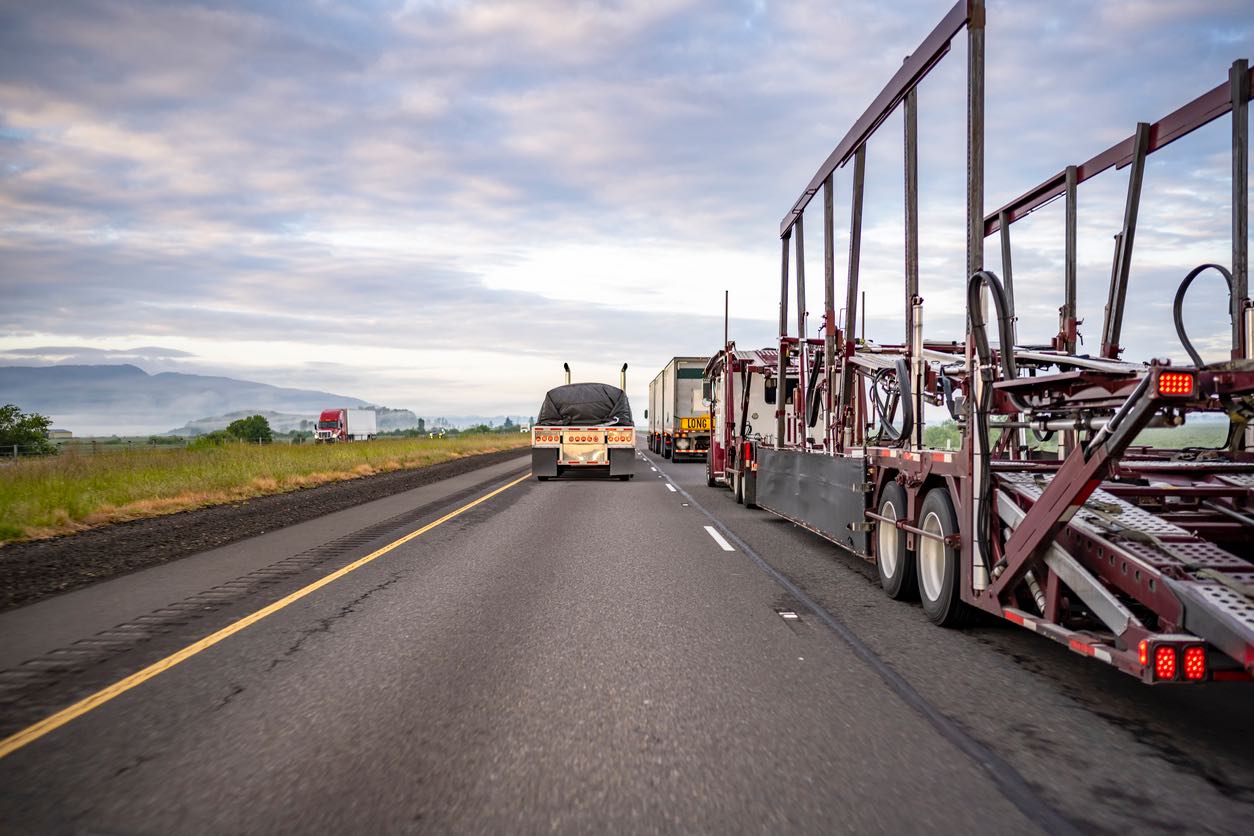
Shipping Out of Florida After Buying a Car
The traffic is not all inbound retirees. Florida’s dealer auctions and rust-free used market make it one of the busiest states for cars bought remotely and shipped home. Two things matter more on these moves. The pickup contact is a dealer, auction yard or private seller rather than you, so the company needs to coordinate release paperwork and gate hours directly. And the condition report at pickup is your only record of a vehicle you may never have seen in person, so ask whether pickup photos are standard practice. For an auction purchase, ask how they schedule around the yard’s free storage window.
What Still Applies Everywhere
The Florida specifics sit on top of the universal checks, not instead of them. Ask for the USDOT number and look it up on the FMCSA SAFER system. Ask to see the cargo insurance certificate and check the per vehicle limit. Get the cancellation terms in writing. Be wary of a large deposit demanded up front, and of a quote well below every other quote you received.
Our guide on whether shipping your car is safe covers those verification steps and the warning signs in full.
Common Questions
When should I book for a Florida move? Three to four weeks ahead from October through December, one to two weeks the rest of the year.
Will the truck come inside my community? Usually not. Expect a handover just outside the gate, which is standard practice across the state.
Do I book the return trip at the same time? Book the outbound leg and arrange the return when your dates firm up. Lane pricing changes with the season.
What if a hurricane is forecast? Move the booking earlier rather than hoping the window holds. Ask about the rescheduling policy before you book.
Which direction is cheaper? Opposite to the crowd. Northbound out of Florida in autumn is the bargain, southbound carries the premium, and the two swap in spring when the seasonal residents head home.
Does the quote cover shipping overseas? No. Port and ocean transport is a separate service with its own documentation. Ask specifically.
Get a Quote
Call Ship A Car, Inc. at (866) 821-4555 with your dates, your Florida zip code and the name of your community, or request an estimate for the move through the quote calculator.