How to Ship a Car to Florida
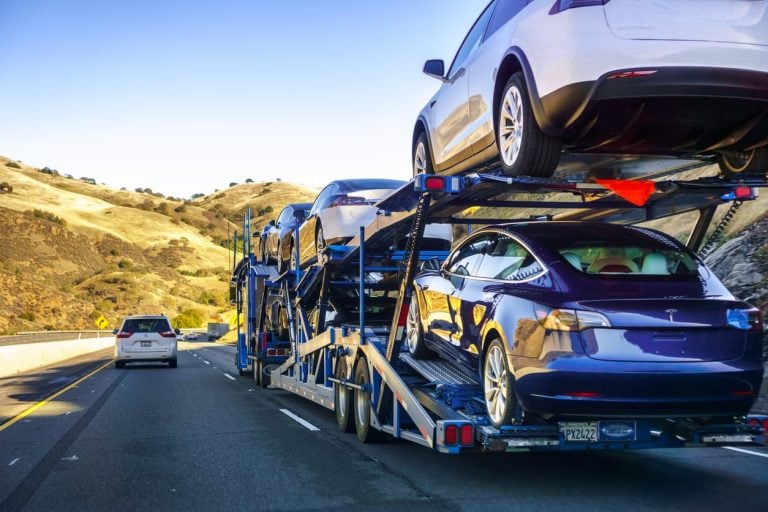
Florida is the busiest inbound vehicle lane in the country, and the season you pick moves the price more than the distance does. Carriers run into the state constantly, so capacity is rarely the problem. What changes is competition for it: the autumn inbound rush is the tightest window of the year, and midsummer is the easiest and cheapest. After that it comes down to which Florida you are going to, because the state is 450 miles long and the Keys, the Panhandle and Miami are three very different deliveries.
The Season Decides What You Pay
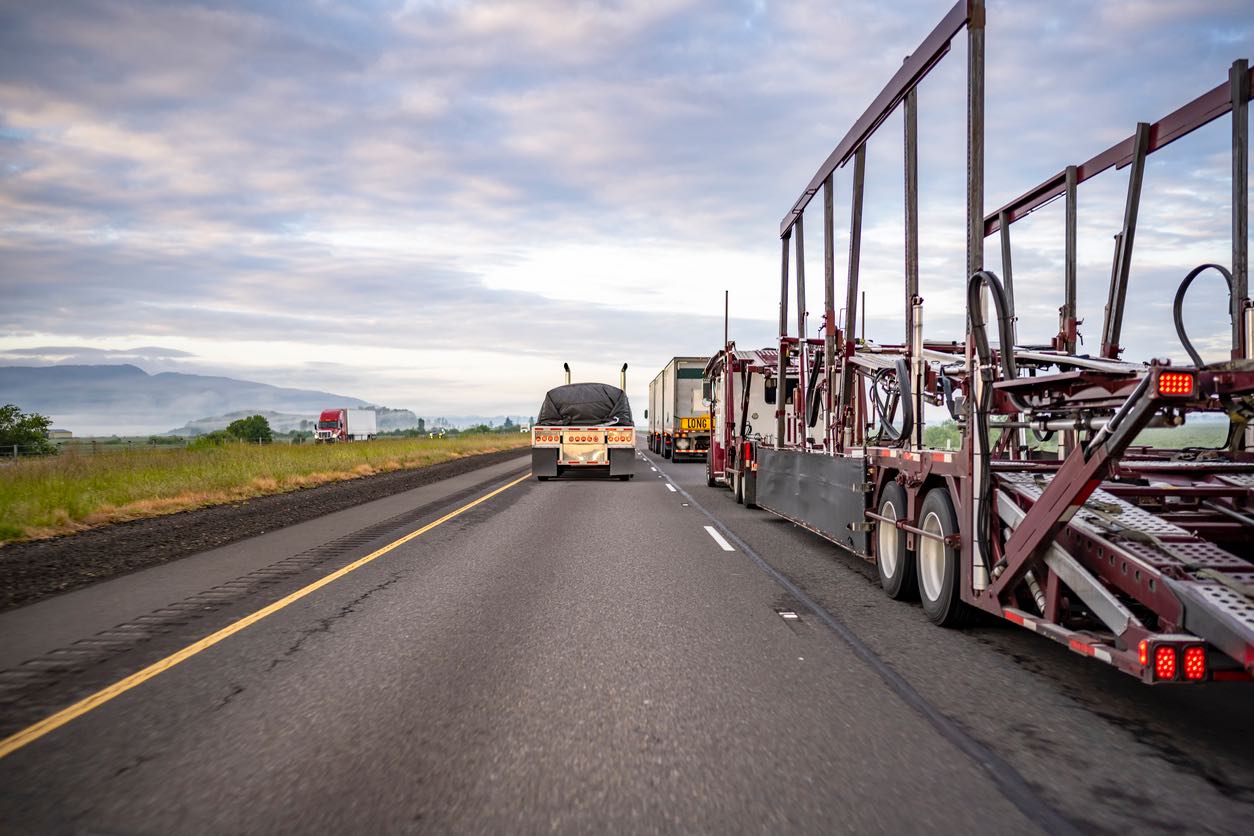
Demand into Florida is seasonal in a way few lanes are, and the swing is worth real money.
October through December is heavy inbound, and that is when quotes are highest and pickup windows longest. April and May reverse it as seasonal residents head north. June through September is the quiet stretch: hot, in hurricane season, and consistently the cheapest time to move a car into the state.
Book three to four weeks ahead in the autumn rush and one to two weeks the rest of the year. If your dates have any flexibility, moving a few weeks earlier than the peak is the single cheapest change you can make. If you are specifically making the seasonal trip, our snowbird guide covers what that involves at the Florida end, and riders bringing a bike down as well will find the numbers in our motorcycle shipping to Florida guide.
What It Costs
In our own book since 2023, the middle half of Florida orders ran $900 to $1,450. The figures below are planning estimates.
Open transport ranges for a standard sedan, outside the autumn peak.
Peak autumn weeks sit at the top of these or above. A full size truck or SUV adds meaningfully, a vehicle that will not start or roll adds roughly $100 to $250 for winching, and enclosed transport adds about a third.
Which Florida Are You Going To
The state runs about 450 miles north to south and another 350 west along the Panhandle, and those are not the same delivery.
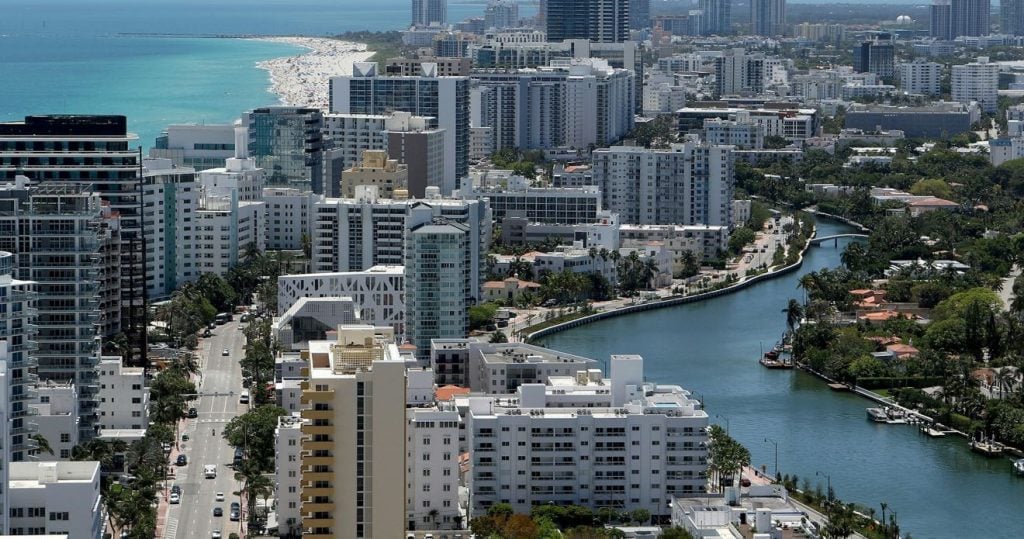
- South Florida, meaning Miami, Fort Lauderdale and West Palm Beach, is dense and extremely well served. Carriers run I-95 into it constantly. The complication is local rather than regional: narrow streets, high rise buildings and gated communities where a 75 foot rig cannot enter.
- The I-4 corridor through Orlando and Tampa is the easiest part of the state to deliver into, with wide roads and plenty of carrier traffic in both directions.
- The Gulf coast from Naples up through Fort Myers and Sarasota is well covered but heavily seasonal, so windows stretch in the autumn.
- The Panhandle, including Pensacola and Tallahassee, is closer to Alabama than to Miami and often prices and routes more like the Gulf South than like Florida.
- The Keys are their own case. US 1 is the only road in, it is long and slow, and many carriers will not take a full size rig past Key Largo. Expect a meeting point on the mainland or in the upper Keys and a short drive from there.
Give your zip code rather than just “Florida” when you ask for a quote. The difference between Jacksonville and Key West is about 500 miles.
Two Roads In
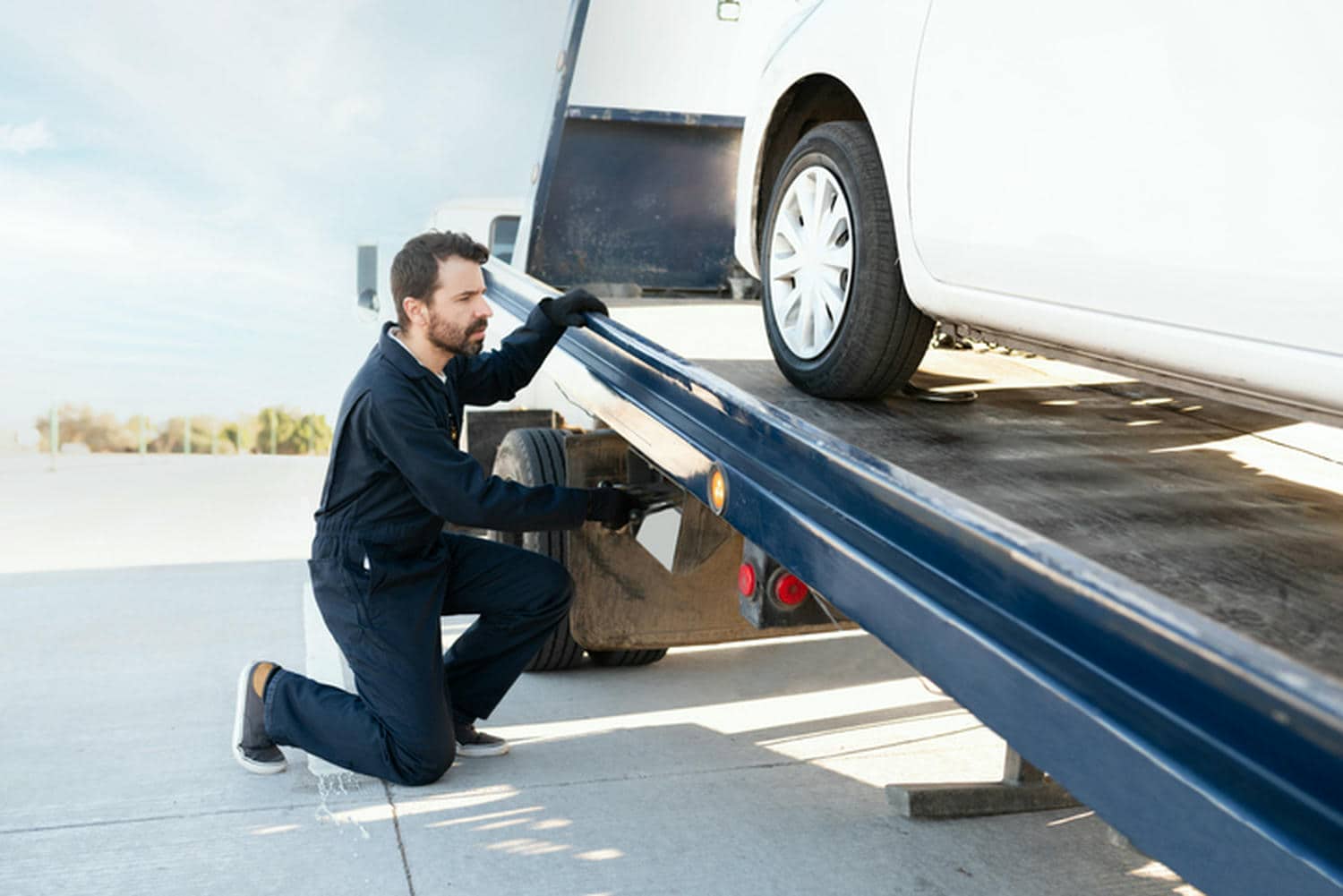
Nearly everything enters Florida on one of two interstates, and it is worth knowing which one your car will use.
I-95 runs down the Atlantic side from the Northeast and feeds Jacksonville, the Space Coast and South Florida. I-75 comes down from the Midwest through Georgia and serves Tampa, Fort Myers and Naples. Florida’s Turnpike links the two through the middle of the peninsula and is the usual route for anything crossing between them.
This matters mainly for timing. A car coming from the Midwest to Miami crosses from I-75 to the Atlantic side, which adds hours, and a car from the Northeast to Naples does the reverse. Neither is a problem, but it explains why two shipments of similar distance can quote different transit times.
Hurricane Season Is Worth a Buffer
Hurricane season officially runs June through November. It rarely affects a shipment, but when it does it stops it completely rather than slowing it, because carriers do not move into an evacuation zone and the routes out fill with people leaving.
The practical response is simple. Do not schedule anything irreversible against a delivery estimate in September or October, and if a storm is forecast for your week, move the booking earlier rather than hoping the window holds.

Open or Enclosed for the Florida Run
Open transport is the right choice for almost every car going to Florida, and it is what delivers new vehicles to dealerships in the state every day.
The arguments for enclosed here are the usual ones rather than anything Florida specific: fresh paint, a collectible, or a low car that would rather not meet a steep ramp. Sun and salt air affect a car parked in Florida for months far more than they affect it during a four day trip on a trailer, so that is a storage question rather than a transport one.
Preparing and Receiving
Standard preparation applies and the pre-pickup checklist covers it. Wash the car so existing marks are visible, photograph every panel in daylight, empty it completely, and leave about a quarter tank of fuel.
Two Florida specific points. Remove any toll transponder from the windshield, because the state is heavily tolled and a transponder left in place can be billed for the truck’s crossings. And if you are arriving separately, arrange who will receive the car, since someone has to walk it with the driver and sign the condition report. A neighbor, a relative or a community manager can do it as long as the carrier knows in advance.
At delivery, inspect before signing. Compare the car against your photographs and the pickup report, check the roof and lower panels, start the engine, and note any exception on the bill of lading while the driver is present.
Common Questions
When is the cheapest time to ship to Florida? Midsummer, roughly June through September. The autumn inbound rush is the most expensive.
How far ahead should I book? Three to four weeks from October through December, one to two weeks the rest of the year.
How long does it take? Three to six days from most of the East and Midwest, six to nine from the West Coast, counted from pickup rather than booking.
Can you deliver to the Keys? Yes, though many carriers stop around Key Largo. Expect a meeting point and a short drive from there.
Can the truck come inside my gated community? Usually not. Drivers arrange a handover just outside the gate, which is routine in Florida.
Is hurricane season a reason to wait? No, but leave a buffer and avoid tying a flight or closing date to a delivery estimate in September or October.
Get a Quote
Call Ship A Car, Inc. at (866) 821-4555 with both zip codes and your dates, or request an estimate for the move through the quote calculator.