
From Factory to Driveway: How a New Car Actually Reaches You
A new car travels more before its first owner touches it than most cars travel in a year of ownership, and almost none of that journey happens on a road. Understanding the pipeline explains three things buyers actually feel: why “in transit” lasts so long, why dealer inventory swings, and where those first twenty miles on a “new” odometer came from.
Here is the route, stage by stage.
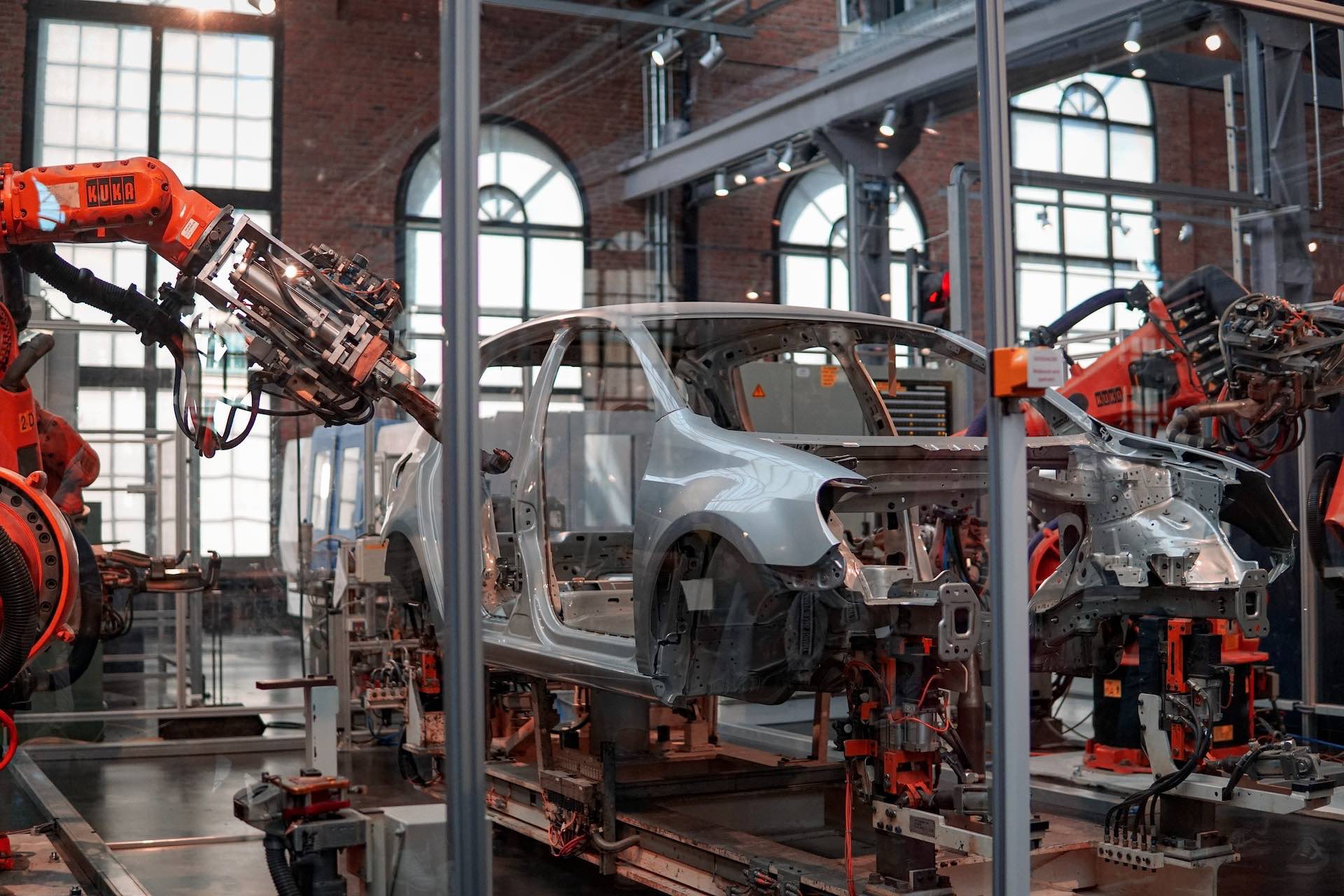
Stage One: The Plant Yard
A finished car rolls off the line, through a quality gate, and into a marshalling yard with thousands of others, sorted by destination region. It can sit there hours or weeks: cars ship when a full load for their corridor accumulates, not when each one is built. This is the first place “your” car waits, and the wait is invisible to every tracking system a dealer can show you.
Two details from this stage follow the car to delivery. Transit protection (film, seat covers, sometimes full wraps on paint-sensitive colors) goes on here. And the odometer already reads a handful of miles: every marshalling move, every load position, every quality drive adds them. Ten to fifty miles on a factory-new car is the pipeline, not a joyride.
Stage Two: The Long Middle, Usually on Rails
For most domestic production and anything crossing the country, the long leg happens in multilevel autorack railcars: enclosed steel cars carrying a dozen-plus vehicles each, in trains moving thousands at once. Rail wins on cost per mile at volume, and the network connects plants and ports to a few dozen regional distribution ramps.
Imports run the same pattern with a sea leg first: purpose-built vessels to a handful of ports, port processing (inspection, accessories, sometimes final software), then the same rail-and-truck pipeline inland.
This stage is where delivery estimates go to die, and honestly so: a car in a train is scheduled like freight, staged in classification yards, and unloaded when the ramp has capacity. “It left the factory three weeks ago” and “it is almost here” are different claims, and dealers can usually see only the stage, not the day.
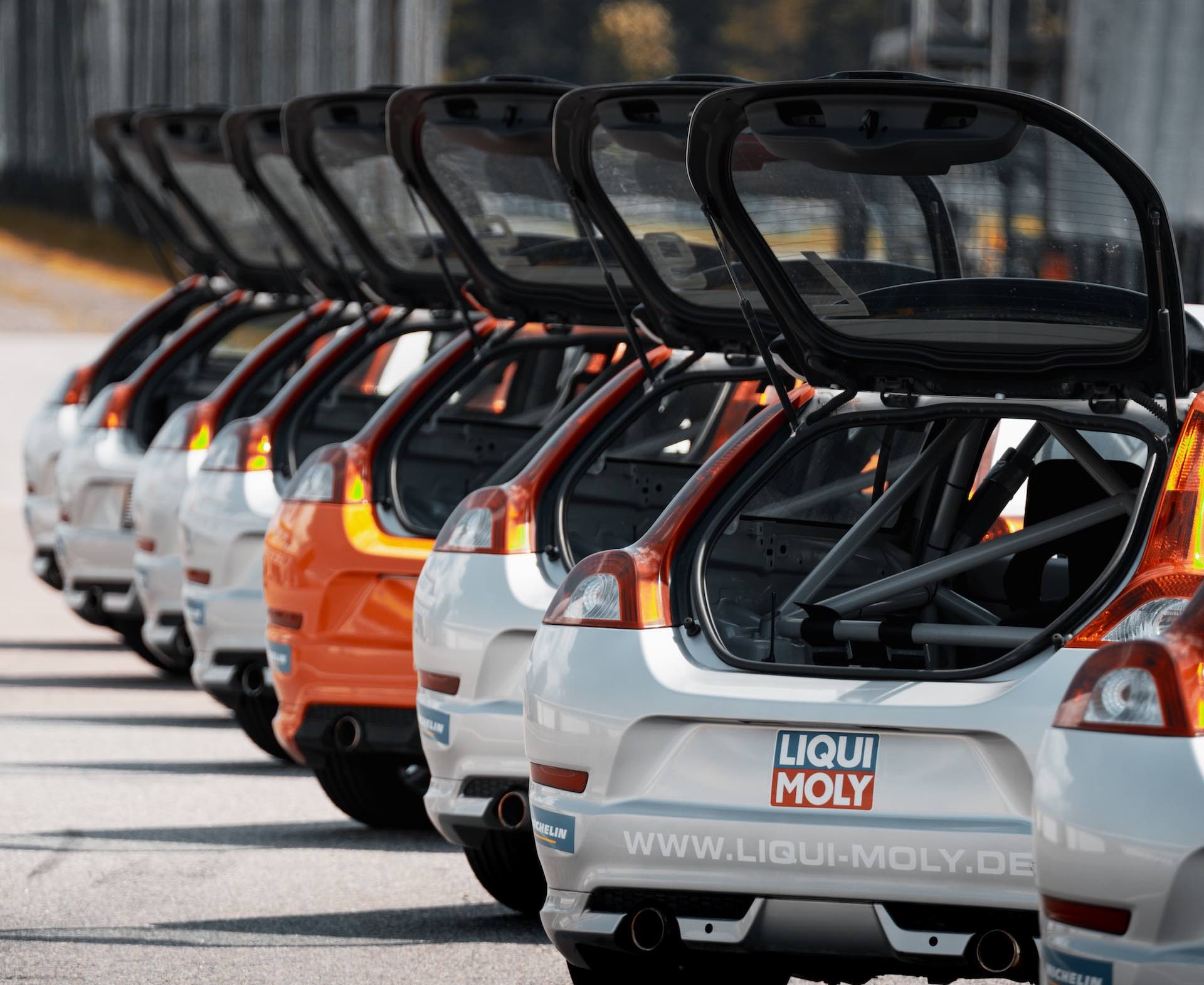
Stage Three: The Last Hundred Miles, Always on Trucks
Rail ends at a regional ramp; dealerships are everywhere else. The final leg is the car hauler, the same multilevel trailers that move used cars and customer vehicles, running loads of eight to ten from ramp to showroom. Drivers load by destination sequence, low cars and tall trucks slotted around clearance, and a scraped air dam at this stage is a claim before the car has an owner.
At the dealership, pre-delivery inspection strips the transit protection, checks the car over, and turns freight back into a product. That is the last step of a journey involving four to six handoffs, and the paperwork trail behind it, condition reports at every transfer, is the same bill-of-lading discipline that governs any vehicle shipment.
One stage most buyers never see sits between the ramp and the showroom for a meaningful share of vehicles: the accessory and upfit stop. Bed liners, running boards, dealer-installed packages and regional equipment go on at processing centers rather than at the plant, adding days that no factory tracker shows. Fleet and government vehicles can detour weeks here. When a dealer says the car “arrived” but is not ready, this is usually where it physically is, and it is the last place transit protection film does its job before the detailer pulls it.
Why This Pipeline Explains Dealer Inventory
The system optimizes for volume, not speed: cars move when loads fill, on corridors sized for regions. That is why a model can be stacked deep at one dealer and unobtainable two states away, why dealer trades exist at all, and why the car you configured can take longer to arrive than the identical one already sitting on a ramp three hundred miles off. Distribution, not production, sets most of the wait most buyers experience.
It is also why regional price differences persist long enough to be worth shopping, which connects to the practical version of this whole story.
Where You Enter the Same Pipeline
Buy a car anywhere other than your local dealer, whether for a better price two states over, a spec that only exists across the country, or a dealer trade that fell through, and the last leg becomes yours to arrange. It is the same job as stage three, on the same equipment, priced by the same variables: distance, route, vehicle size, season and access at both ends.

The habits worth borrowing from the professionals: photograph the car before it moves, read the condition report at both ends, and note anything at delivery before signing. The factory pipeline runs on exactly that discipline, and it protects a private buyer the same way. What the move costs is set out in our page on what determines the cost of shipping a car, and the buy-at-distance process in shipping a car you bought online.
Common Questions
Why does a new car have miles on it? Marshalling moves, load positioning and quality drives through four to six handoffs. Ten to fifty miles is normal pipeline mileage.
How do new cars cross the country? Mostly in multilevel autorack railcars for the long leg, with car haulers covering plant-to-ramp and ramp-to-dealer.
Why is “in transit” so vague? Cars move when loads fill and ramps have capacity. The system tracks stages, not days, and dealers see little more than you do.
Why does one dealer have stock another cannot get? Distribution runs by regional corridor and load economics, which is also why buying from the dealer that has it, and shipping, often beats waiting.
Is shipping a purchased car the same process? Same trailers, same condition-report discipline, same pricing variables. You are hiring stage three of the factory pipeline.
Get a Quote
Call Ship A Car, Inc. at (866) 821-4555 with both zip codes and your date range, or price the move with the instant calculator.