Car Shipping in Mesa, Arizona
Three things shape a Mesa shipment, and none of them is distance. The snowbird tide swings pricing by hundreds of dollars depending on the month and direction. Summer heat changes how drivers schedule and what they will accept in the car. And every January the Phoenix metro hosts the largest collector car auction week in the country, which briefly makes enclosed transport into and out of the East Valley the most contested capacity in American auto shipping.
What It Costs
In our own book since 2023, the middle half of Arizona orders ran $1,000 to $1,500. The figures below are planning estimates.
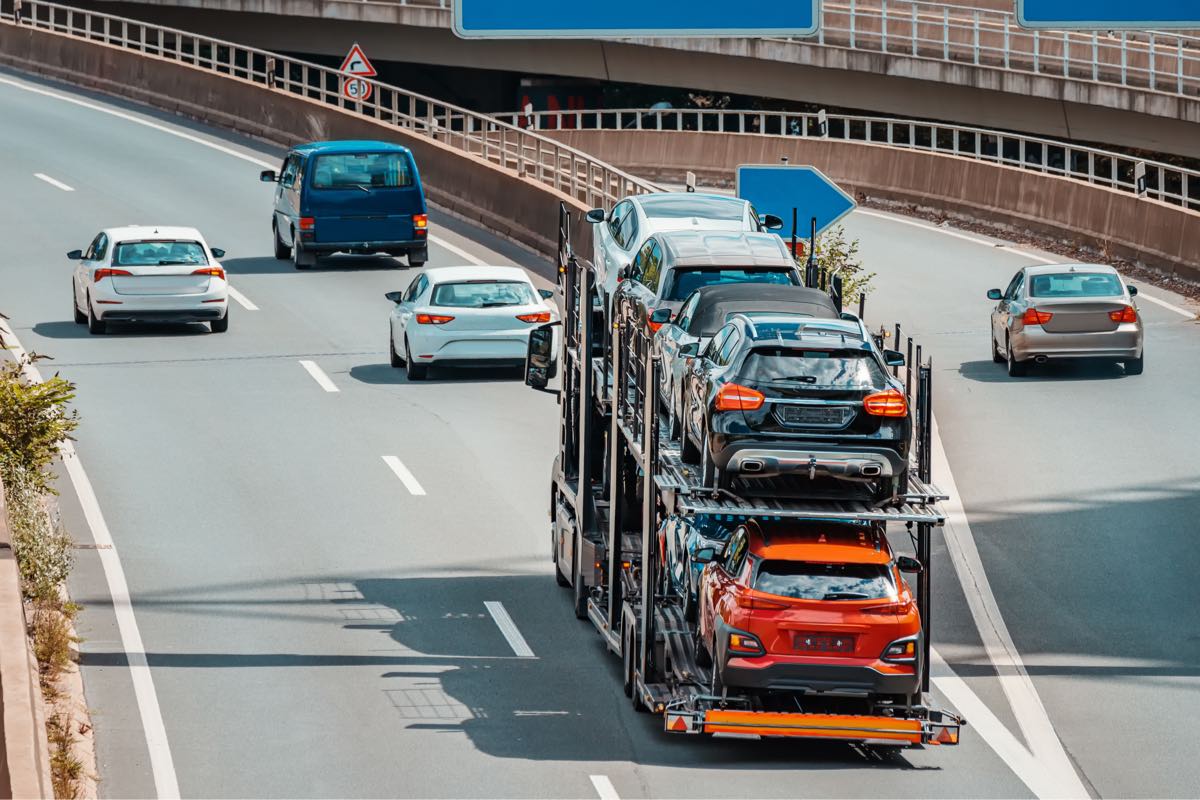
Mesa sits in the Phoenix East Valley, well served by I-10, US-60 and the Loop 101 and 202 freeways, so carrier supply is good outside the seasonal peaks. These are open-transport ranges for a standard sedan.
A full-size truck or SUV adds meaningfully, a vehicle that will not start or roll adds roughly $100 to $250 for winching, and enclosed transport adds about a third. Transit counts from pickup, not from booking.
The Snowbird Tide Works Like Florida’s
Arizona runs the same seasonal pattern as Florida, drawing from the Midwest, the Pacific Northwest and Canada rather than the East Coast. From October through December vehicles pour into the Valley as winter residents arrive, tightening inbound capacity and pricing, while outbound trucks leave with empty slots and quote cheaply. April and May reverse it exactly.
The same route in the same week can differ by several hundred dollars depending only on direction. If your dates flex, shipping against the seasonal flow is the largest single saving available here. If they do not, book three to four weeks ahead for a peak-direction move rather than the one to two weeks that works otherwise.
January Is Auction Week
This is the Phoenix-specific factor that catches people out. Every January the metro hosts the country’s biggest concentration of collector car auctions, drawing tens of thousands of vehicles and buyers into a single week in the Scottsdale and greater Phoenix area.
The effect on transport is dramatic and narrow. Enclosed carriers get booked out weeks in advance, rates for enclosed capacity into and out of the Valley climb sharply, and last-minute availability effectively disappears. Open transport is affected too, though less severely.
If you are moving a collector car for the auctions, book six to eight weeks out, not three. If you are moving an ordinary car in January and your dates are flexible, expect to work around the same congestion, and consider the weeks either side.
Summer Heat Changes the Practicalities
From roughly June through September, Phoenix regularly exceeds 110 degrees. That does not stop transport, but it changes it in ways worth planning for.
Drivers work early. A pickup or delivery scheduled for 6am is normal and preferable in July, and asking for a mid-afternoon slot is asking for a harder job in dangerous conditions. Tire pressures rise substantially in extreme heat, which drivers manage but which is another reason not to hand over a car with under-inflated tires. And anything left inside will be exposed to interior temperatures well above ambient, so the usual advice to remove personal items has real teeth here: electronics, aerosols and anything adhesive do not survive a Phoenix trailer deck in August.
Summer is also the cheapest and least congested time to ship in or out of the Valley, which partly offsets the inconvenience.
Access in the East Valley
Most of Mesa is straightforward for a carrier. Wide roads, newer development and generous parking mean true door-to-door service is achievable at a far higher rate than in older eastern metros.
The exception is the retirement communities. The East Valley has a large number of gated and age-restricted developments, and many restrict commercial vehicle access, cap vehicle length or require the carrier to be added to a gate list in advance. Call your association a week ahead and ask, and if the answer rules out a 75-foot rig, agree a nearby retail lot when you book rather than discovering it at the guardhouse.
Preparing the Vehicle
Standard preparation applies and the pre-pickup checklist covers it. Two Arizona-specific notes: be thorough about emptying the cabin in summer for the heat reasons above, and check tire condition before handover, because desert heat is unforgiving of a tire that was already marginal.
At delivery, inspect before signing. Compare the car against the pickup condition report and your photographs, check the roof and lower panels, start the engine, and note any exception on the bill of lading while the driver is present.
Common Questions
When is the cheapest time to ship to Mesa? Late spring through summer, when inbound demand collapses. October through December is the most expensive inbound window.
Why is January difficult? The collector car auctions concentrate enormous transport demand into the Phoenix area in a single week, particularly for enclosed carriers.
Can the truck come to my community? Often yes in Mesa, but many gated and age-restricted developments restrict commercial access. Check with the association first.
Is the heat a risk to my car? Not to the vehicle itself, which is engineered for it. It is a risk to anything left inside, and a reason to prefer early-morning handovers in summer.
How far ahead should I book? One to two weeks most of the year, three to four in the peak seasonal direction, and six to eight for enclosed transport around January.
Get a Quote
Call Ship A Car, Inc. at (866) 821-4555 with your dates and whether a gated community is involved, or request an estimate for the move through the quote calculator.