Shipping a Car You Bought Online, Sight Unseen
Buying a car online from another state is now ordinary, and the transport is the least risky part of it. The risk sits in the gap between paying and inspecting, and the whole job is arranging things so that gap is as small as possible.
Here is the order to do it in, and where online purchases go wrong.

Inspect Before You Pay, Not After
The single rule that prevents most bad outcomes.
Photographs in a listing are chosen by the seller. A pre purchase inspection by an independent shop near the car costs a small fraction of the purchase price and tells you what the seller did not mention. Most shops will do this for a remote buyer and send the report directly to you.
If a seller resists an independent inspection, that is your answer. A legitimate private seller has no reason to refuse, and a dealer that refuses is telling you something specific.
Ask the inspector for three things beyond the standard report: photographs of the underside, the actual tire dates, and whether panel gaps and paint thickness suggest repair work. Those are the things listing photos hide.
Know What Kind of Seller You Are Dealing With
Three categories with quite different protections.
A franchised or established dealer is the safest. There is a business with an address, a state license to lose, and usually some form of return window. Verify the dealer exists at the address given.
An online retailer that sells its own inventory typically offers a defined return period, which functionally replaces the inspection. Read what the window actually covers and what it costs you to use.
A private seller offers no protection at all beyond the title being clean. This is where the inspection matters most and where payment method matters most.

Pay in a Way You Can Reverse
The fraud in remote car buying is almost never about the car. It is about the money.
A wire transfer, cryptocurrency, gift cards or a peer to peer cash app all share one property: once sent, there is no recovery process. A seller who insists on any of those, or who has an urgent reason why escrow will not work, is the pattern to walk away from.
Safer routes are a cashier’s check exchanged at the seller’s bank, a genuine escrow service you chose rather than one the seller suggested, or financing through your own bank or credit union, which puts a third party with its own interest in the transaction.
Run the VIN yourself before paying: a history report, and a recall lookup with the federal safety regulator. Neither costs much and both catch things sellers omit.
Sort the Title Before the Truck Comes
Transport does not depend on the title, but your ability to register the car does, and this is where remote purchases stall.
Confirm the seller actually holds the title, that the name on it matches the seller, and whether there is a lien recorded. A car with an outstanding lien cannot be transferred until the lender releases it, and that takes time.
Check your own state’s requirements before the car arrives: what documents you need, whether a bill of sale must be notarized, whether an inspection or emissions test is required, and the deadline after purchase. Doing this in advance turns registration into an errand instead of a problem.
Then the Transport, Which Is the Easy Part
Four things to get right and they are all straightforward.
Describe the car accurately. Whether it runs, steers and brakes, its ground clearance, and any modification that changes its dimensions. Get this from the inspection report rather than from the listing.
Arrange who releases it. The seller, a dealer’s staff, or a storage facility all have different requirements, and a driver turned away because nobody was authorized to hand over the keys is a wasted trip. Confirm in advance who will be there and what they need.
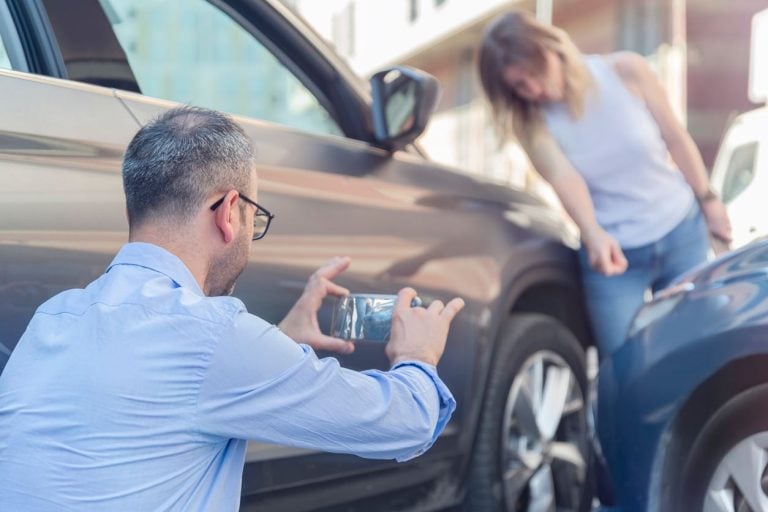
Get photographs at pickup. You will not be present, so ask the seller or the inspector to photograph every panel in daylight before loading, and make sure the driver’s condition report is completed properly. Without a pickup record you cannot prove transit damage.
Be reachable at delivery. Inspect before signing the bill of lading, in daylight if possible, and note anything at the time. If you genuinely cannot be there, name someone who can and who understands that signing without inspecting transfers the risk to you.
Open or Enclosed
Open transport is right for most online purchases. The exposure over the trip is comparable to driving the same distance, which the car would have done anyway.
Enclosed earns its premium on a genuinely valuable car, fresh paint, or anything where you would be upset by a stone chip on arrival of a car you have never seen. There is a psychological argument here as well as a financial one, and it is a fair one.
The Sequence That Works
Verify the seller. Run the VIN and the recall lookup. Book an independent inspection and read the report. Agree the price and a reversible payment method. Confirm title and lien status. Check your state’s registration requirements. Then book transport with the inspection report’s description of the car, arrange release and pickup photographs, and inspect before signing at delivery.
What it costs to move it is covered in our page on what determines the cost of shipping a car, and the warning signs on the transport side are in red flags in vehicle shipping.
Common Questions
Is buying a car online risky? The transport is not. The risk is paying before anyone independent has looked at the car.
How should I pay a private seller? Something reversible or verifiable: a cashier’s check at the seller’s bank, a genuine escrow service you selected, or your own bank’s financing.
Who photographs the car at pickup? Ask the seller or your inspector, since you will not be there. Without a pickup record you cannot demonstrate transit damage.
Do I need the title before shipping? Not to transport it, but you need it to register, so confirm the seller holds it and check for a lien first.
Should I pay for enclosed transport? Usually not. It is worth it for a valuable car or fresh paint.
Get a Quote
Call Ship A Car, Inc. at (866) 821-4555 with both zip codes, your date range and the car’s condition, or request an estimate for the move through the quote calculator.