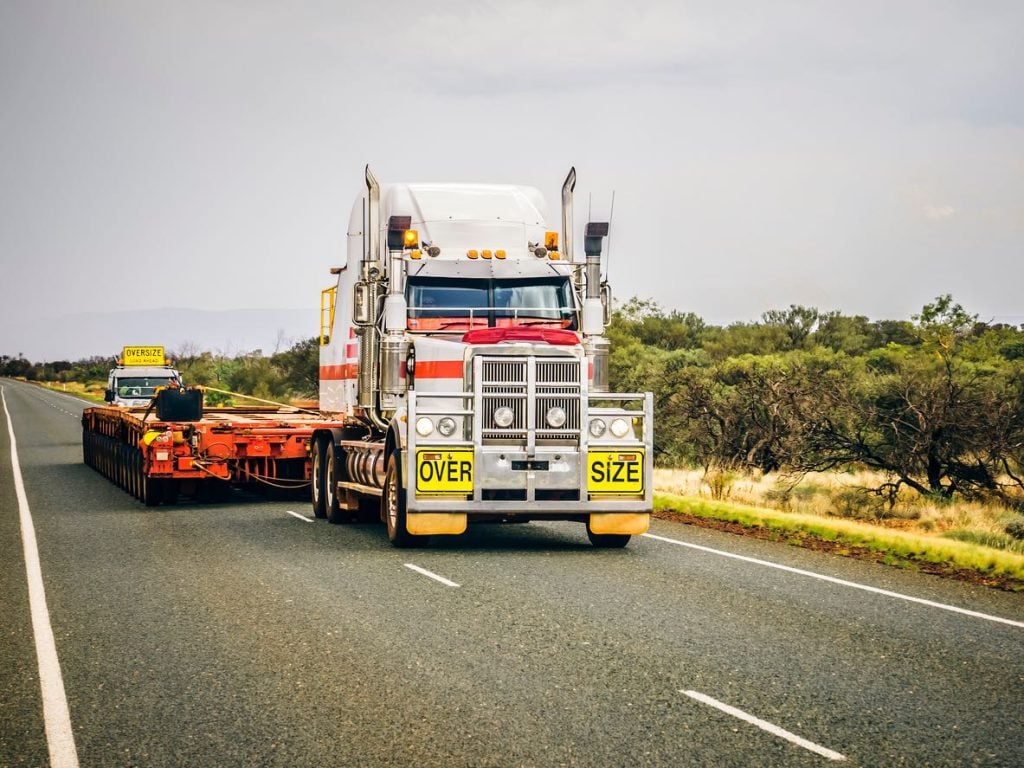
Flatbed Auto Transport: When You Need It and When You Do Not
The short answer: most cars do not need a flatbed. Standard auto transport uses multi-car carriers that stack seven to ten vehicles, and that is both cheaper and perfectly safe. A flatbed becomes the right answer when a vehicle will not fit a standard carrier, when it cannot be driven or rolled on, or when it is a single high-value unit worth moving on its own deck.
When a Flatbed Is Genuinely Required
- Oversize vehicles. Dually pickups, lifted trucks, extended vans, and anything past standard height or width for a car carrier.
- Non-rolling vehicles. A car that will not roll, steer or brake cannot be winched onto a stacked carrier safely; a flatbed with a tilt deck or a wheel-lift can take it.
- Equipment-mounted vehicles. Utility bodies, cranes, plow mounts, and service beds change dimensions and weight distribution.
- Single-unit urgent moves where waiting to fill a multi-car carrier is not acceptable.
- Very low or very valuable cars where a dedicated deck and controlled loading are worth paying for, though enclosed is often the better choice there.
Matching Vehicle to Carrier Type
Flatbed vs Step Deck vs Lowboy
These get used interchangeably and they are not the same. A flatbed is a single flat deck at standard height, suitable for anything within legal height once loaded. A step deck drops the rear portion lower, gaining roughly a foot and a half of usable height for taller vehicles. A lowboy or double drop sits lower still, with a well between the axles, and exists for genuinely tall machinery.

For vehicles rather than equipment, flatbed and step deck cover almost every case. If someone quotes you a lowboy for a pickup, ask why.
What It Costs
Flatbed transport prices above standard open carrier service, because the deck carries one or two vehicles rather than eight to ten and the trip cost is spread across far fewer units. Expect a meaningful premium over the $0.84 to $2.05 per mile band that applies to multi-car open transport, with the exact figure depending on dimensions, weight, and whether permits are needed.
If your vehicle is within standard dimensions and rolls, you will almost always pay less on a normal carrier. Ask for both quotes rather than assuming a flatbed is the safer default.
Securement on an Open Deck
A vehicle on a flatbed is held by wheel straps or chains at designated points, and federal cargo securement rules govern the minimum. Ask how your vehicle will be secured: wheel straps are preferable for anything with modern suspension, since they let the suspension work as designed and keep load off the underbody.
Because the deck is open, the vehicle is exposed to weather and road debris exactly as it would be on any open carrier. A flatbed is not a protection upgrade; it is a dimensional solution.
Preparation
- Give exact loaded dimensions, height especially, measured as the vehicle will sit.
- State the weight including any permanently mounted equipment.
- Confirm whether it runs, and whether it rolls, steers and brakes.
- Remove or secure loose exterior items; an open deck at highway speed is unforgiving.
- Photograph everything in daylight before pickup.
Common Questions
Is a flatbed safer than a multi-car carrier? Not inherently. It is a different shape of deck. A properly secured vehicle on a standard carrier is very safe, and multi-car carriers move the overwhelming majority of vehicles in the country including new cars to dealerships.
Can a flatbed take my classic? It can, but enclosed is usually the better choice for a classic because of weather and debris protection.
Do I need permits? Only if the loaded vehicle exceeds legal width, height, or weight. Your coordinator will tell you from the dimensions.
How far ahead should I book? One to three weeks for standard flatbed work; longer if permits or escorts are involved.
Wheel-Lift and Tow Trucks Are a Different Service
People searching for flatbed transport sometimes actually want a tow truck, and the distinction matters commercially. A local tow, wheel-lift or flatbed, is priced by the hour or by a short-distance rate and suits moves of a few miles: a breakdown, a repair shop, an impound release. Long-distance flatbed transport is priced per mile and arranged as freight.
If your move is under roughly fifty miles, a local towing company will almost always beat a transport quote. Beyond that, transport economics take over.
Multiple Vehicles on a Flatbed
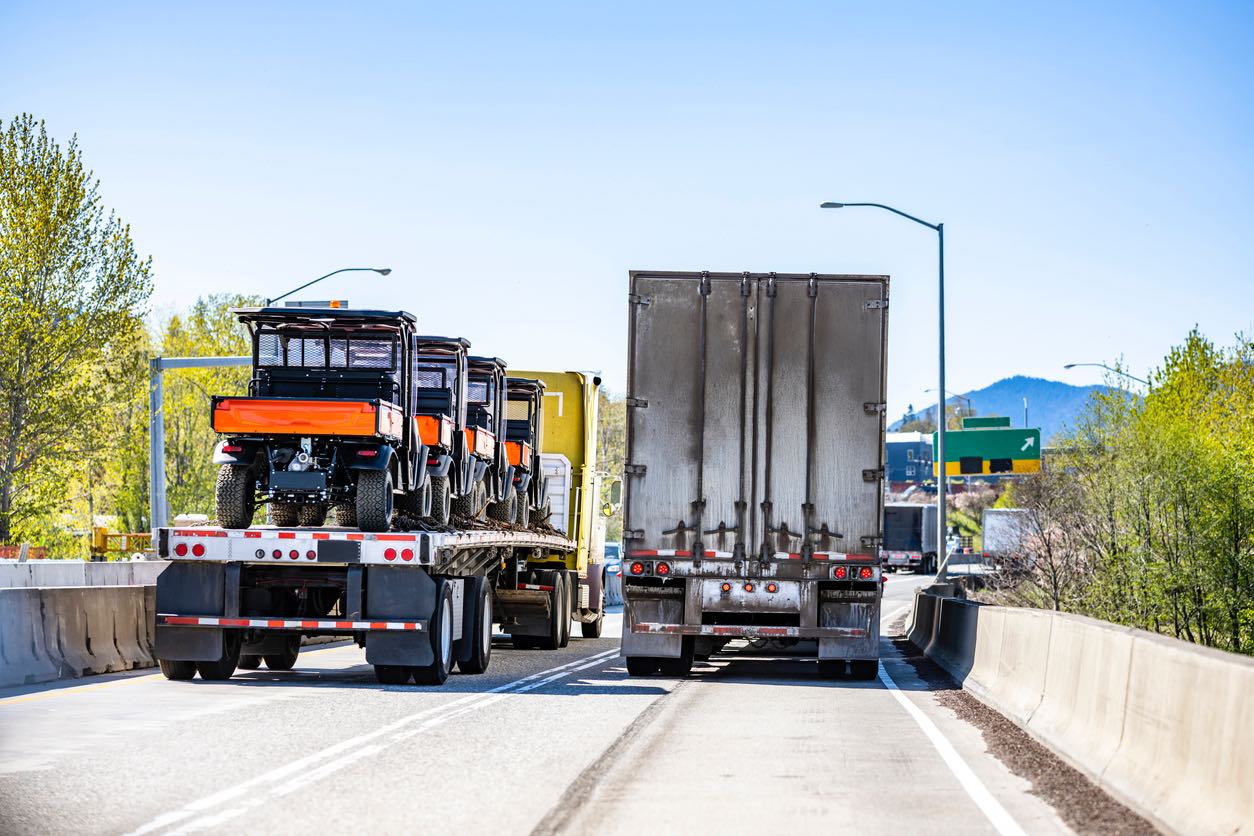
A standard flatbed can often carry two ordinary vehicles, which changes the arithmetic considerably if you are moving more than one. Two cars on one deck prices far better per vehicle than two separate arrangements, and both arrive together. If you have a project car and a driver, or two units going to the same destination, say so at quote stage rather than pricing them individually.
Loading Access Matters More on a Flatbed
A tilt-deck flatbed needs room behind the truck to lower the deck and enough clear approach for the vehicle to be pulled or driven on. A sloped driveway, a tight yard, or soft ground can make loading impossible even though the truck itself reached the address.
Send photographs of the pickup location to your coordinator if there is any doubt. Identifying the problem in advance costs nothing; discovering it with a driver on site costs a wasted dispatch.
Get a Quote
Call Ship A Car, Inc. at (866) 821-4555 with the vehicle’s dimensions, or use the specialized transport calculator.