Gas or Electric: How to Actually Decide Your Next Car
The gas-versus-electric question stopped being about the technology and became about your driveway, your commute and your state. Both drivetrains are mature. What decides the question now is a short list of personal facts, and most buyers can settle it in an evening once they look at the right ones.
This page replaces an older version that framed the choice around a single model year. The framework below does not expire, which is the point.
The Facts That Actually Decide It
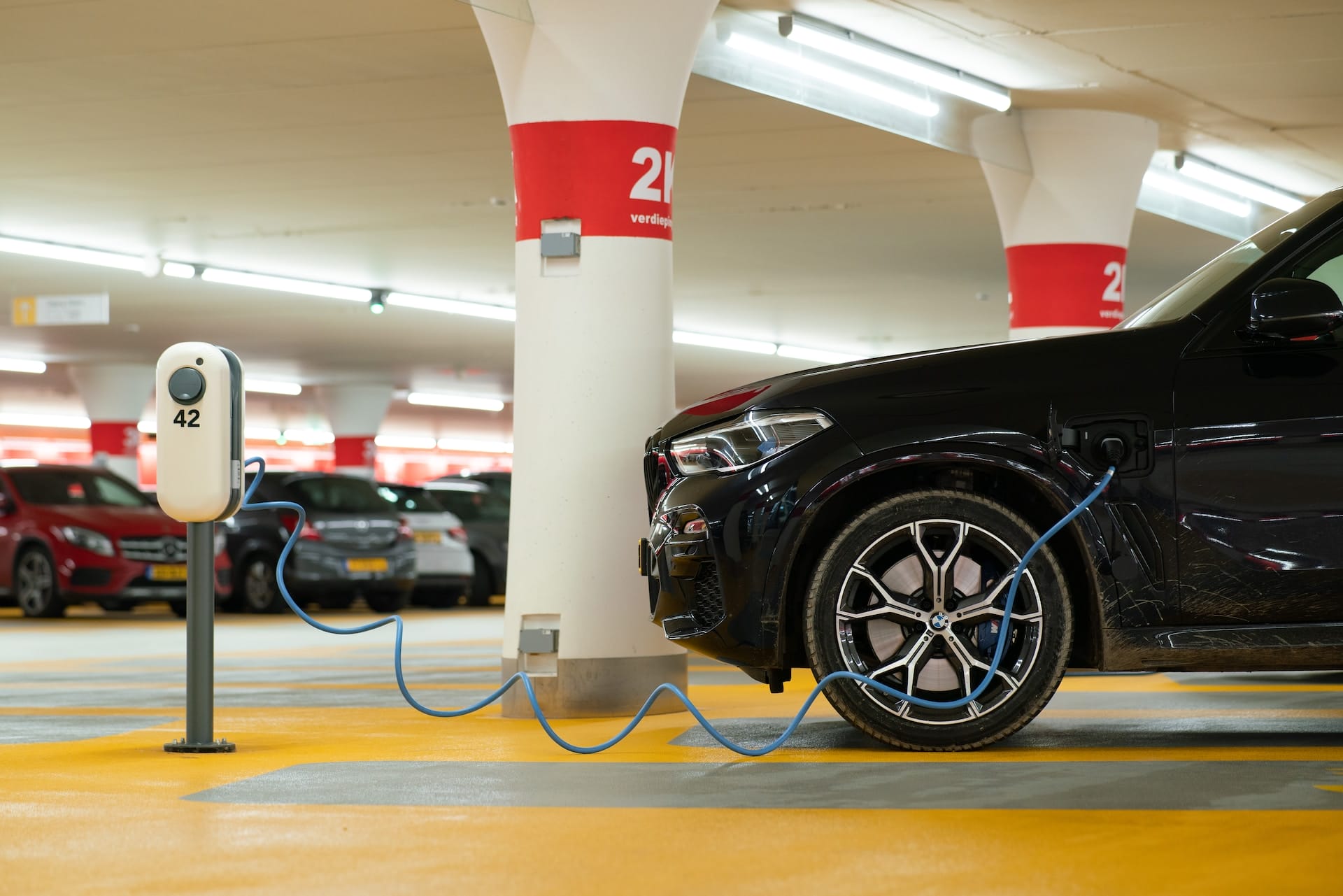
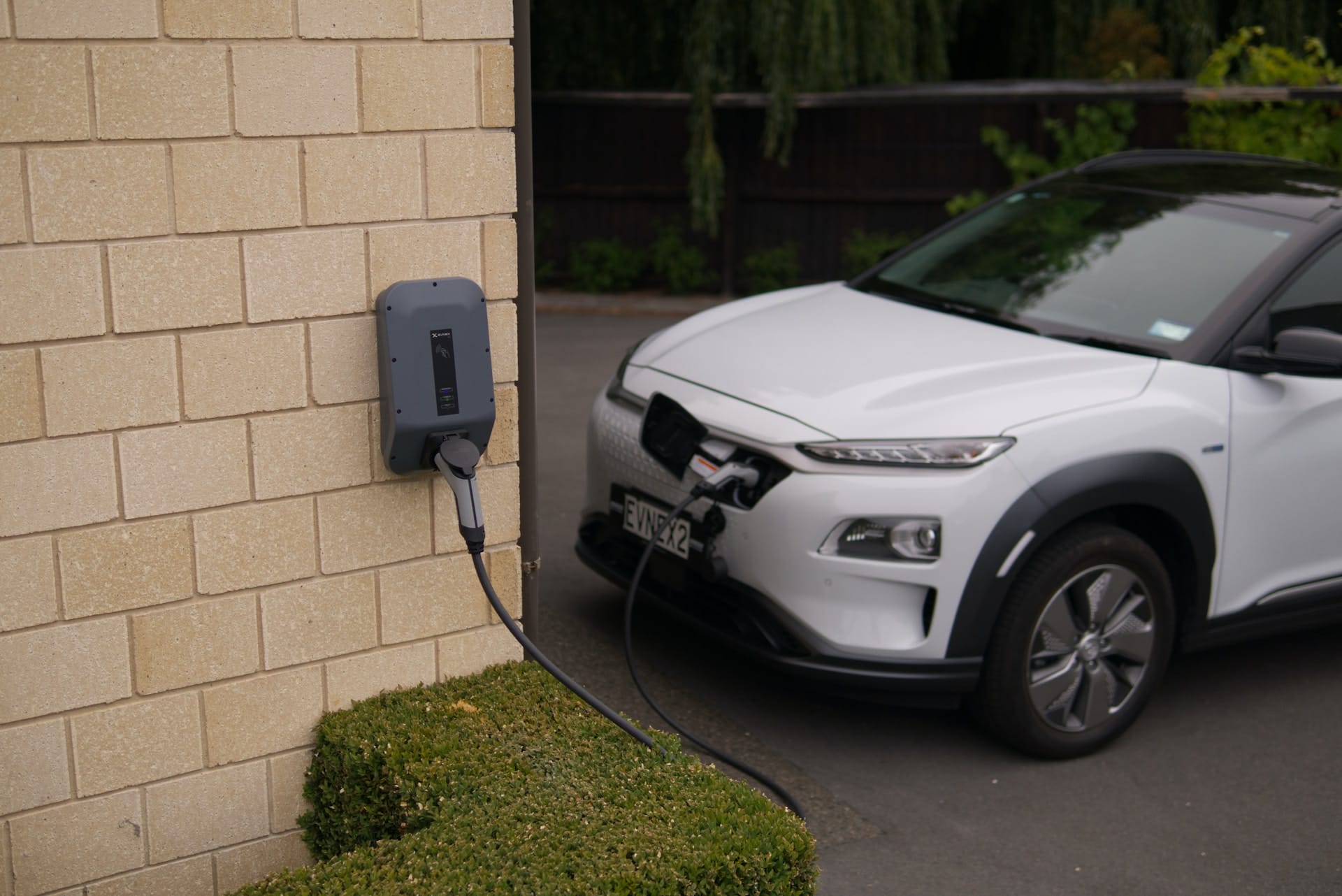
Where the car sleeps. This is the biggest one. An EV with a garage or driveway outlet starts every morning full, and home charging is where the running-cost advantage lives. An EV that depends on public charging loses much of that advantage and adds errands. Renters without assigned parking should weigh this honestly before anything else.
Your daily miles and your longest regular trip. A commute under a hundred miles round trip is trivial for any modern EV. What matters is the trip you take monthly, not the one you imagine annually: if you genuinely run long rural distances in winter, charging stops become part of your schedule, and a hybrid or efficient gas car may fit the life better.
Your electricity and gas prices. The operating-cost gap between the drivetrains swings enormously by state. Cheap power and expensive gas make an EV a running-cost bargain; the reverse narrows the gap to almost nothing. We keep a full state-by-state comparison in our gas versus electric fueling cost analysis.
How long you keep cars. EVs still carry a purchase premium that running costs repay over years, not months. Keep cars a long time and the math leans electric; trade every three years and it leans toward whatever holds value in your segment, which varies model by model far more than headline coverage suggests.
The Considerations People Overweight
Range anxiety. For a household’s second car, or any car that sleeps at home and commutes, range is a solved problem. It deserves weight only for one-car households with genuine long-distance patterns.
The maintenance argument. Real but smaller than advertised: EVs skip oil changes and brake wear runs lower, but tires wear faster on the heavier drivetrain, and both kinds of car mostly cost money through depreciation and insurance anyway.
Waiting for next year’s model. There is always a better one coming, in both drivetrains, forever. Buying the car your current life needs beats timing a market that does not stop moving.
The Money Beyond the Sticker
Two line items deserve a look before you decide, because they move in opposite directions.
Incentives are real but conditional. Federal and state programs for electric vehicles change year to year and carry income caps, price caps and assembly requirements, and some of the best deals route through leases rather than purchases. Check what applies to the specific car and your specific return in the year you buy, not what a headline said when the program launched. A dealer who cannot walk you through the current rules precisely is telling you something.
Insurance quotes before, not after. EVs frequently insure higher than their gas equivalents because repair costs on battery-adjacent damage run high and total-loss thresholds arrive sooner. The difference varies enormously by model and insurer. A ten-minute quote on the two or three finalists occasionally reorders the whole comparison, and it is the single most skipped step in this decision.
Depreciation deserves its own sentence, because it dwarfs fuel in the total-cost picture for most owners. The used-EV market has been volatile in both directions, with some models shedding value fast as new-price cuts rippled backward and others holding firm on supply. Gas cars in popular segments remain the predictable middle. If resale certainty matters to you, look up three-year-old values of the actual models on your list; five minutes of used-listing research beats any general rule anyone offers you about either drivetrain.
The Sensible Middle
Hybrids and plug-in hybrids are not a compromise so much as a different answer to the driveway question. No home charging but city miles: a conventional hybrid captures most of the efficiency without asking anything of your parking. Home outlet plus occasional long trips: a plug-in hybrid runs electric all week and gas on the highway. The pure-EV case is strongest exactly where its critics are quietest, in a two-car household with a driveway.
The Part We Know Best: Moving Either One
Whichever way you decide, the cars ship the same way on the same trailers, with two practical differences. An EV runs several hundred pounds heavier than its gas equivalent, which matters to a carrier’s load plan and occasionally to the price on a full trailer. And an EV should travel at a moderate state of charge, around half, not full and not near empty. The details are in our guide to electric vehicle shipping costs, and the broader market context in the electric drive in America.
Buying at distance changes the calculus too: the used-EV market is national in a way the local lot never was, and shipping a well-priced car from a dry state costs a fraction of the price difference it captures. That applies equally to a low-mile gas car; the transport does not care which drivetrain won your evening of arithmetic.
Common Questions
Should I buy a gas car now or wait for an EV? Buy for your current driveway and driving pattern. If you cannot charge at home, that answer matters more than any model-year comparison.
Are EVs actually cheaper to run? With home charging and average or better electricity prices, meaningfully yes. On public charging in a high-rate state, the gap narrows sharply.
Is a hybrid the safe choice? For buyers without home charging, it captures most of the benefit with none of the infrastructure question.
Do EVs cost more to ship? Slightly, sometimes, because of weight. Same trailers, same process, moderate charge level recommended.
Does buying out of state make sense? Often, for both drivetrains. The national market prices cars differently by region, and transport costs less than people assume.
Get a Quote
Call Ship A Car, Inc. at (866) 821-4555 with both zip codes and the vehicle, or request an estimate for the move through the quote calculator.