How Weather Affects Vehicle Shipping
Weather rarely damages a car in transit. What it does is move the calendar, and that is the risk worth planning around. Storms close roads, chain laws slow traffic to a crawl, and a driver who loses six hours to a shut interstate cannot make them up, because federal rules cap the driving day no matter what the road does. Almost every weather related complaint in this business is about a delivery date, not a damaged vehicle. Plan for that and the season stops mattering much.
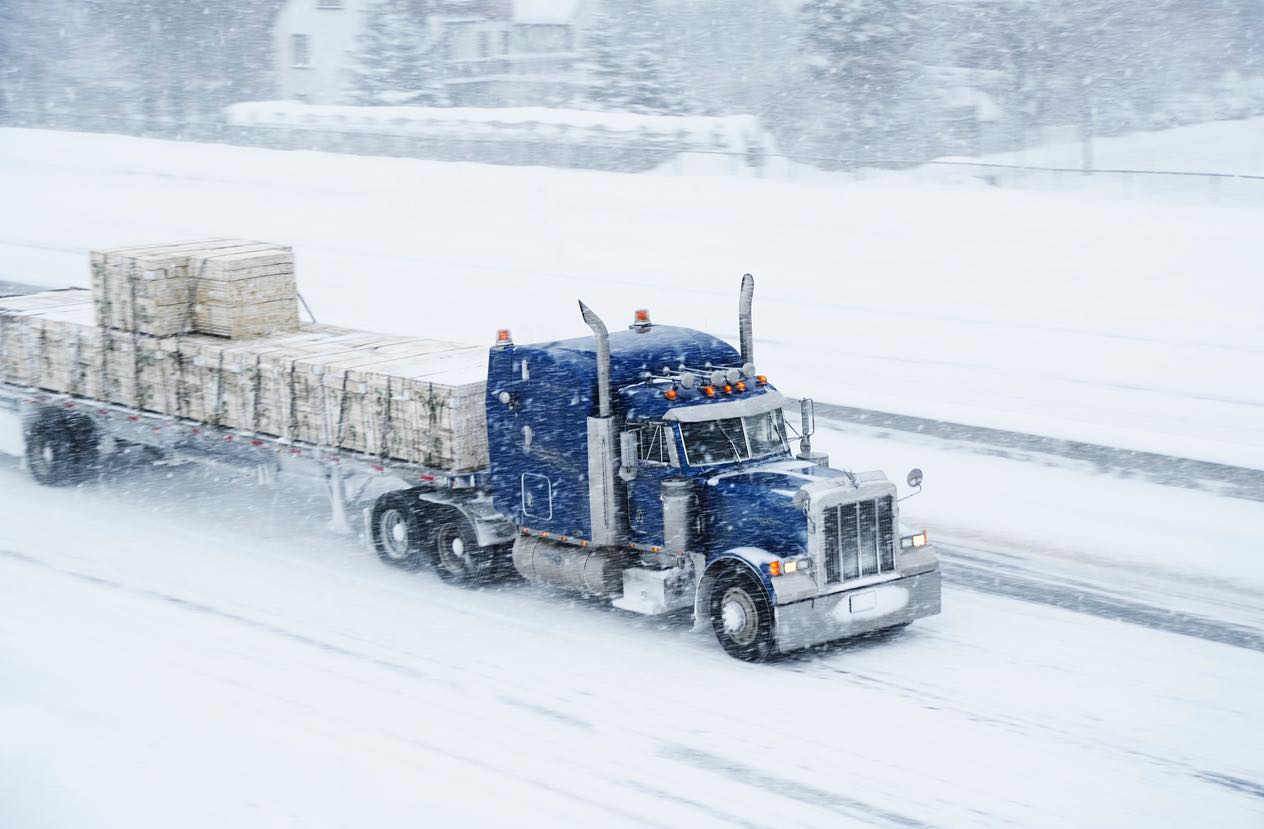
What Actually Stops a Truck
It is worth knowing the mechanics, because they explain why a carrier cannot simply push through.
Federal hours of service rules limit a driver to 11 hours of driving inside a 14 hour window. There is an adverse conditions exception that allows up to two extra hours, and that is the whole margin. Beyond it the truck stops, legally, wherever it happens to be.
Then there are traction and chain laws. Several western states, Colorado among them, require commercial vehicles to carry and use chains on mountain routes during the winter months, and a loaded car carrier fitting chains at the base of a pass is not going anywhere quickly. States close roads outright when conditions warrant, and no carrier overrides that.
None of this is discretionary. When a driver says the truck is held up, the truck is genuinely held up.
The Weather Calendar
Different parts of the year produce different problems, and knowing which one applies to your route helps you set a realistic expectation.
Hurricane season officially runs from June through November, and it is the one that produces genuine stoppages rather than slowdowns. Carriers stop moving in an evacuation zone, and the routes out fill with people leaving.
What This Means for Your Booking
Three things follow, and they are all within your control.
Build a buffer. If you need the car by a specific date, book so that it should arrive several days earlier. That single habit removes most weather anxiety, and it costs nothing.
Give a wider pickup window. A three or four day range rather than one date lets a dispatcher route around a storm instead of waiting it out. It also gets you assigned sooner and usually quoted better.
Do not schedule anything irreversible around a delivery estimate. Flights, lease handovers and closing dates should not depend on a transport window in February across the Rockies or in September along the Gulf.
When Weather Does Reach the Vehicle
Open transport is the norm and it works, but the car is outdoors for the trip, and it is worth being straightforward about what that means.
Rain and snow are cosmetic. The car arrives dirty and washes clean. Road salt in a northern winter is the one that deserves attention, because it reaches the underbody, and a wash including the undercarriage soon after delivery is sensible.
Hail is the real exposure, and it is concentrated in spring and early summer across the Plains and the Front Range. The odds of a given shipment meeting a severe storm are low, but they are not zero, and no carrier can promise otherwise. For an ordinary vehicle that is an acceptable risk. For fresh paint or something collectible moving through that region in those months, enclosed transport removes the question.
Ask specifically what the carrier’s cargo coverage does with weather. Many policies treat storm damage as an act of God and exclude it, which is exactly the kind of thing to establish before booking rather than after.
If Your Shipment Is Delayed
Call your coordinator rather than the driver. The driver is working, often somewhere with poor signal, and the coordinator has the dispatch picture.
Ask three questions: where the truck is now, what specifically is holding it, and what the revised estimate is. A reasonable answer names a place and a cause. Vagueness on all three is a fair reason to press harder.
Understand what you are owed, which is honest information and a vehicle delivered in the condition it left. Weather delays are not generally compensable, and any company promising a guaranteed date through a February mountain crossing is selling you something it cannot control.
Preparing for a Winter Move
A few practical additions to the usual pre-pickup checklist. Have the battery tested, because cold finds a weak one and a car that will not start at delivery is a problem at the worst moment. Check antifreeze if the car is heading somewhere genuinely cold. And photograph the vehicle indoors or under cover if you can, since documenting condition in a downpour produces photographs that prove nothing.
Common Questions
Will weather damage my car? Rarely. Rain and snow are cosmetic. Hail is the exception, and it is seasonal and regional.
Should I avoid shipping in winter? No. Winter is often cheaper and less busy. Just allow an extra day or two on any route crossing the mountains.
Can I get a guaranteed delivery date? Not honestly, not through a storm season. Build a buffer instead.
Is weather damage covered? Often not, since many cargo policies exclude acts of God. Ask for the specific terms before you book.
What if a hurricane is forecast? Move the booking earlier rather than hoping the window holds. Once evacuation begins, nothing moves.
Get a Quote
Call Ship A Car, Inc. at (866) 821-4555 to talk through timing on your route and season, or request an estimate for the move through the quote calculator.