Snowbird Car Transport to Texas
Texas is the quieter snowbird destination, and that works in your favor. The Rio Grande Valley, the Gulf coast and the Hill Country draw a large seasonal population every winter, but nothing like the volume that hits Florida and Arizona, so the lanes are less congested and the peaks are less brutal. Booking is easier and cheaper than the equivalent Florida move.

Where Texas Snowbirds Actually Go
Three regions take most of the seasonal traffic and they price differently.
The Rio Grande Valley, around McAllen, Harlingen and Brownsville, is the largest destination and the one with the most established seasonal communities. It sits at the southern end of Interstate 69 and Highway 281, well served but far from the main east to west corridors, so it prices as a longer leg than the map suggests.
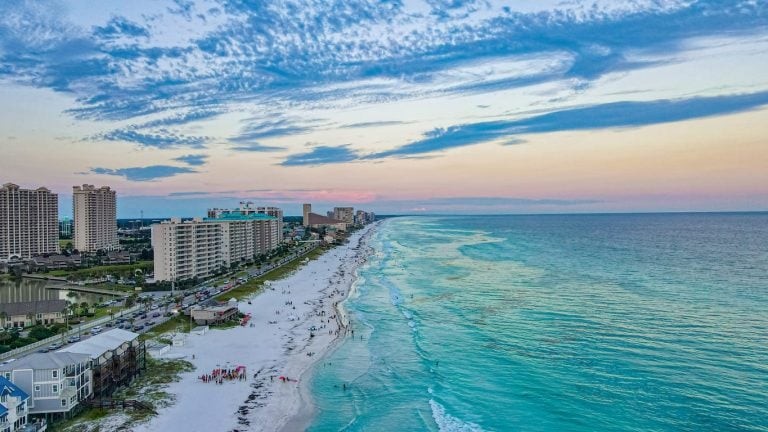
The Gulf coast around Corpus Christi, Rockport and Port Aransas is reached on Interstate 37 from San Antonio and is straightforward. The Hill Country and the Austin to San Antonio corridor sit directly on Interstate 35 and are the easiest and cheapest of the three.
Where you are going matters more than the total distance, because a destination on a major interstate is cheaper to reach than one at the end of a spur.
The Timing, and Why It Is Gentler Than Florida
Southbound demand builds through October and November, and northbound spikes in March and April, the same pattern as everywhere else.
The difference is scale. Florida absorbs an enormous seasonal flow that empties the carrier pool for weeks, and Texas simply does not generate that. Rates still rise in the peaks and lead times still stretch, but not as sharply, and a booking made two to three weeks out will usually hold.
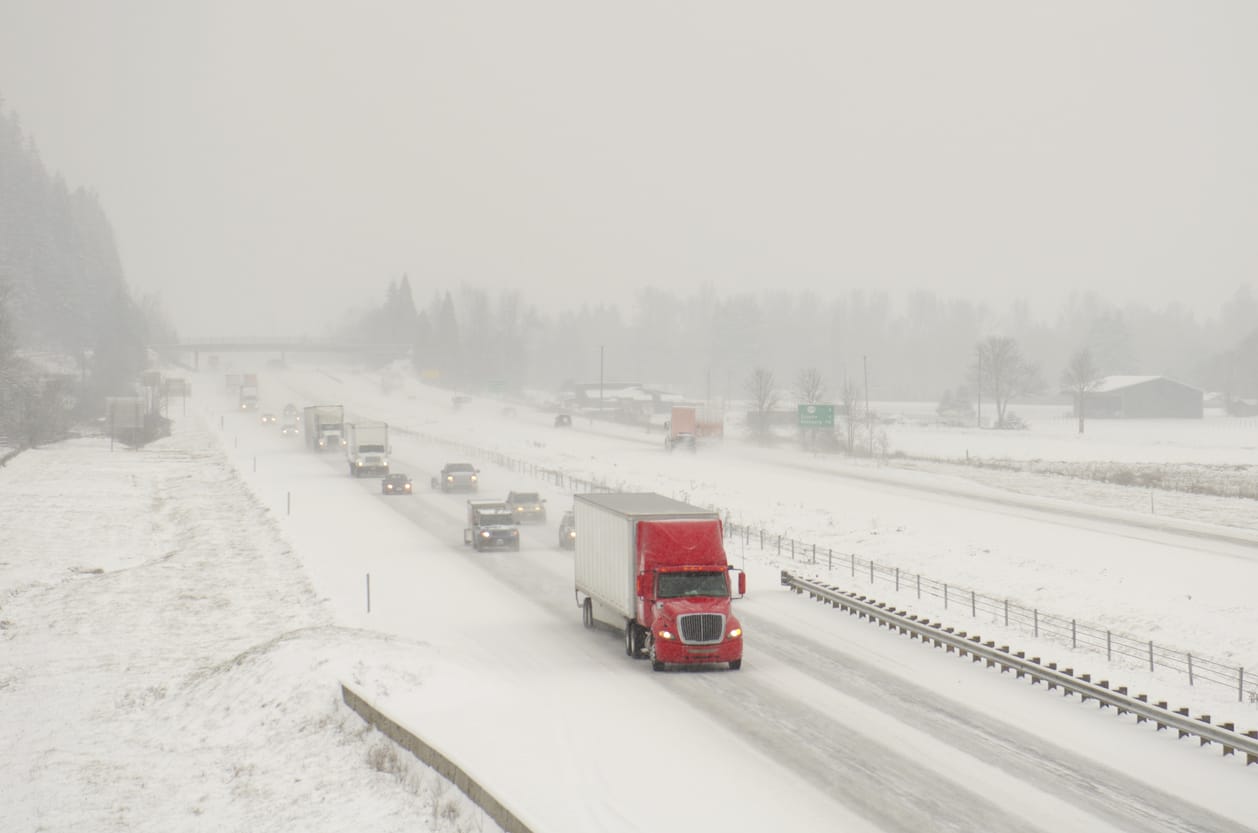
Book both directions together if you know both dates. Everybody heads north in the same fortnight, and arranging the return later routinely costs more or means waiting.
The saving worth having is moving against the crush entirely: late September southbound or early May northbound avoids it.
Where the Truck Can Meet You
This is the practical constraint at the Texas end, and it is the same story as every seasonal destination.
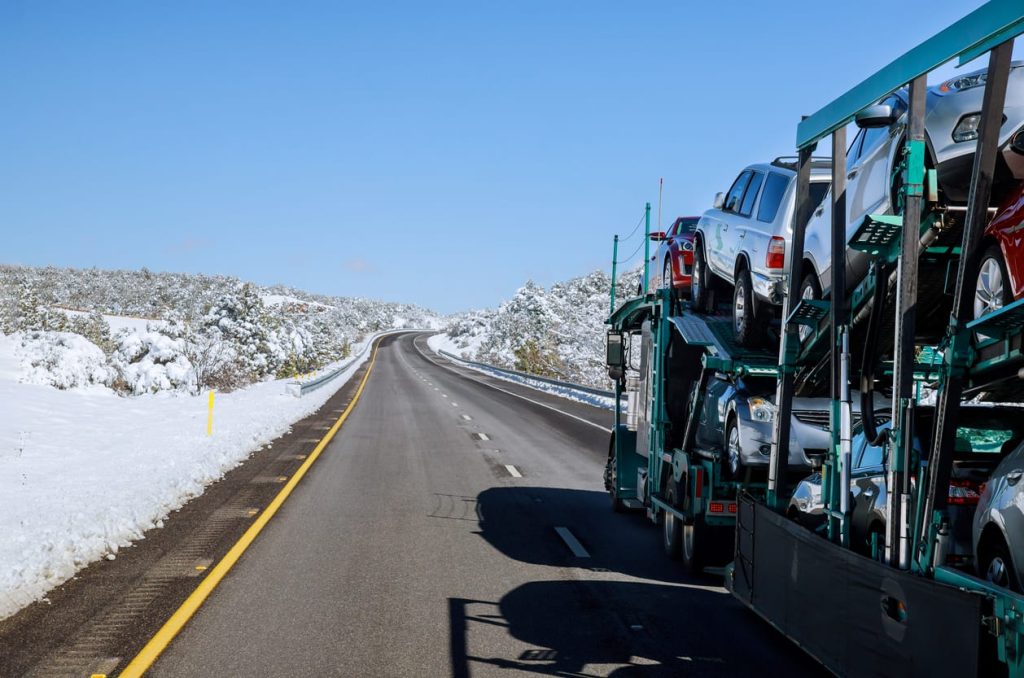
A loaded car hauler is around 75 feet long and 13 feet 6 inches tall. The RV resorts and seasonal parks that much of the Valley population lives in are frequently gated, with narrow internal roads, height restrictions at the entrance and nowhere to turn around. Many will not admit a commercial vehicle at all.
The normal arrangement is a meeting point at a large retail lot near a highway, agreed when you book. Check with your park or community management too, since some have rules about commercial vehicles and delivery hours.
Preparing a Car That Will Sit
A seasonal vehicle is different from an ordinary shipment because it sits for months at the other end.
Wash it so existing marks are visible, then photograph every panel in daylight, including the wheels, the lower bumpers and the rocker panels, which are what loading marks. Leave about a quarter tank of fuel.
Empty the cabin and the trunk, since personal items are not covered by cargo insurance and they add weight. Fold the mirrors, disable a motion sensitive alarm, remove the toll transponder and hand over a physical key.
Then plan for the months ahead. A battery tender if the car will be parked for a season and power is available. Tire pressures checked at both ends. Fresh fluids if due. Keep your insurance active for the whole period, because dropping it saves very little and leaves theft and weather uncovered.
South Texas heat arrives early and stays late. Remove anything that can melt or burst, and arrange covered parking if you can, because a car sitting outside from November to April in the Valley takes more sun than most owners expect.
Registration, Insurance and How Long You Can Stay
A long seasonal stay raises a few administrative questions, and Texas is more relaxed about them than some states, but they are worth settling before you go.
Texas generally allows visitors to keep out of state registration, and a seasonal resident who maintains a permanent home elsewhere normally qualifies. What varies is where your own home state draws the line, since some treat an extended absence as a change of residency for tax or registration purposes. Check both sides rather than one.
Tell your insurer the vehicle will be garaged in Texas for part of the year. Premiums are location based, and an insurer who does not know where the car actually sits has a reason to argue at claim time. It is usually a phone call rather than a new policy.
Keep coverage running the whole period in both directions, including while the car is on the truck. The carrier’s cargo insurance covers damage in transit; it does not cover you once you are driving again.
Open or Enclosed
Open transport carries the overwhelming majority of seasonal vehicles and it is right for an ordinary car.
Enclosed costs about a third more and is worth it on a collector vehicle or fresh paintwork, and particularly on a northbound spring move if your home state salts its roads all winter. Enclosed carriers are also frequently smaller trucks, which can be a practical advantage at a gated park.
Common Questions
Is Texas cheaper than Florida for a snowbird move? Usually, yes. The seasonal flow is smaller so the peaks are less severe and capacity holds up better.
When should I book? Two to three weeks ahead in the peaks, one to two outside them, with a range of pickup days rather than a single date.
Can the truck reach my RV park? Frequently not. Gated seasonal parks rarely admit a 75 foot truck, so plan a meeting point at a lot near a highway.
Which destination is cheapest to reach? The Austin to San Antonio corridor, because it sits directly on Interstate 35. The Rio Grande Valley is a longer leg.
Should I book the return at the same time? Yes, if you know the dates. Everybody heads north together and late bookings cost more. Our guide to shipping a car for a seasonal move covers the wider picture.
Get a Quote
Call Ship A Car, Inc. at (866) 821-4555 with both zip codes, your date range in both directions and an honest description of the access at each end, or request an estimate for the move through the quote calculator.