How to Ship a Car to or from the University of Florida
Gainesville is easy to reach and hard to park in, and the calendar matters more than the route does. The city sits close to Interstate 75, which is one of the busiest north-south corridors in the country, so carrier availability is good all year. What changes is August, when move-in concentrates an enormous amount of demand into a few days.
Getting a Car There
Interstate 75 runs north to south a few miles west of the city, connecting Gainesville to Ocala and Tampa southbound and to Lake City, Valdosta and Atlanta northbound. Interstate 10 crosses east to west about an hour north.
That places Gainesville on a corridor carriers run constantly, particularly on the heavy Northeast-to-Florida lanes. Ordinary moves are usually assigned within a few days.
Transit is roughly one to two days from the Southeast, two to three from the Northeast or the Midwest, and five to seven from California, once the vehicle has been collected.
Book Around Move-In, Not Into It
This is where students lose money every year.
Late August move-in and the early May move-out concentrate vehicle demand into a narrow window, and it happens at every large university in the region simultaneously. Carriers running campus lanes are booked, rates rise, and the flexible pickup dates that normally save money are not available.
Book three to four weeks ahead for either peak rather than one to two. Better still, move the car a week or two before the crush. An empty apartment is not a problem for a parked car in the way that an unassigned carrier is a problem for a move-in date.
Florida adds a second pattern on top: the snowbird migration means southbound lanes firm up through October and November and northbound spikes in March and April. If your move coincides with one of those, the same advice applies with more urgency.
If you are shipping the car home for the summer, going a week before finals end rather than the day after is worth real money, and the car is not doing anything in those last few days anyway.
Parking Is the Real Decision
Settle this before you ship, because it can change the answer entirely.
Campus parking at UF is permit based and heavily oversubscribed, with eligibility depending on student status and where you live. Confirm what you can actually get before the car is on a truck.

Off campus, the streets immediately around the university are dense and regulated, and a car with nowhere legal to sit becomes an expensive problem in a town where storage is also in demand at move-in.
Gainesville is also a genuinely bikeable city with bus service that covers most of what a student needs. A car earns its place if you leave town regularly; if it will sit on a permit waiting list, the arithmetic is against it.
Where the Truck Can Meet You
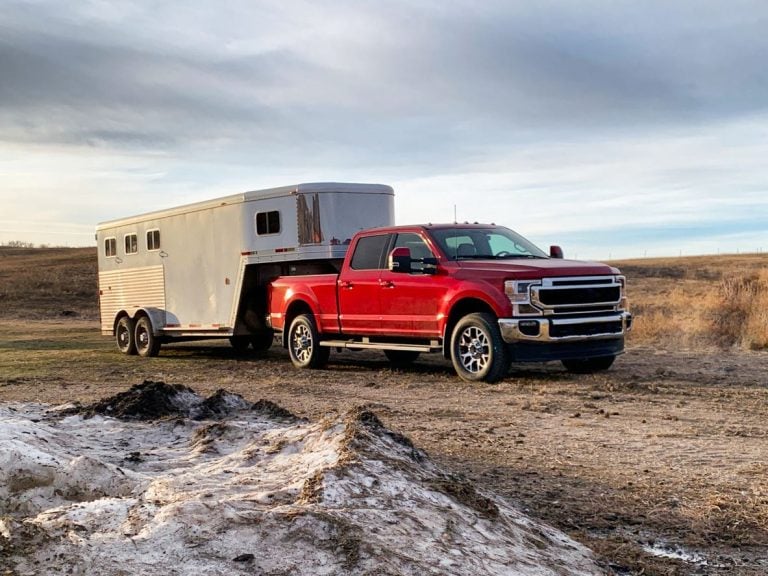
A loaded car hauler is around 75 feet long and 13 feet 6 inches tall, and campus is not built for it.
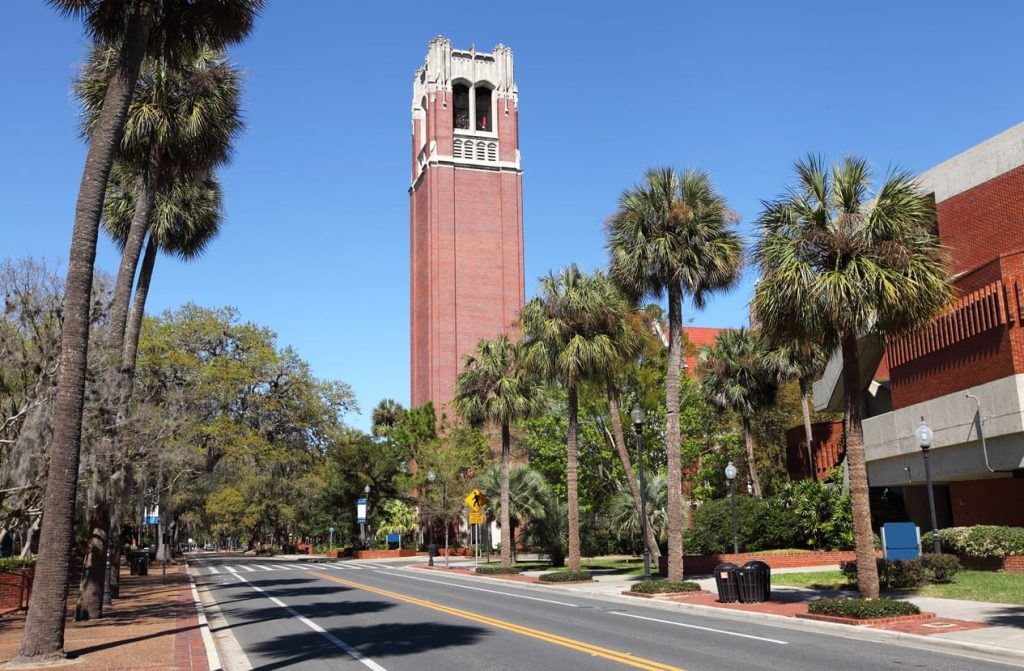
The streets around the university are narrow, frequently one way, lined with parked cars and shaded by mature oaks with low branches. Residence hall loading zones are time limited and extremely busy during move-in. A driver will decline rather than risk an upper deck vehicle on a limb, and they are right to.
The answer is a meeting point, and it is normal rather than a failure. A large retail lot near an I-75 exit on the west side of the city works well. Agree it when you book. If you are arriving separately, nominate somebody who can receive and inspect the car, because whoever signs the bill of lading is accepting its condition.
Florida Weather and the Car
Two things worth planning for.
Summer heat is sustained and the sun is intense. A car on an open upper deck sits in it for days, and interior temperatures become extreme. Empty the cabin completely and remove anything that can melt or burst. Once here, covered parking and a windshield shade matter more than they did up north.
Hurricane season runs June through November. Ahead of a serious forecast, capacity disappears within a day or two as everyone tries to move vehicles out of the same area at once, and afterward roads may be closed and the destination unreachable. If a storm is tracking, decide early rather than waiting for certainty.
Registration, Insurance and Preparing the Car
Out-of-state students generally keep their home state registration and license while at school, but confirm the current rules rather than assuming.
Tell your insurer the car’s garaging location has changed. Failing to disclose it can affect a claim, and Florida rates differ substantially from most home states.
Wash the car so existing marks are visible, then photograph every panel in daylight including the wheels and lower bumpers. Leave about a quarter tank of fuel and empty the cabin and trunk completely, since personal items are not covered by cargo insurance. Fold the mirrors, disable a motion sensitive alarm and remove a toll transponder. At delivery, inspect before signing and note anything unexpected on the bill of lading while the driver is present. Our college car guide covers whether to bring one at all.
Common Questions
How long does it take? One to two days from the Southeast, two to three from the Northeast or Midwest, five to seven from California, once collected.
How far ahead should I book? Three to four weeks around August move-in and May move-out, one to two at other times.
Can I park on campus? Permits are limited and eligibility depends on your status and housing. Confirm before shipping the car.
Can the truck come to my residence hall? Usually not. Narrow oak-lined streets and time limited loading zones mean a meeting point near I-75.
What about hurricane season? June through November. Ahead of a storm capacity vanishes quickly, so decide early rather than waiting.
Get a Quote
Call Ship A Car, Inc. at (866) 821-4555 with both zip codes and your date range, or price the move with the instant calculator.