Shipping a Car To or From Middlesex County, Massachusetts
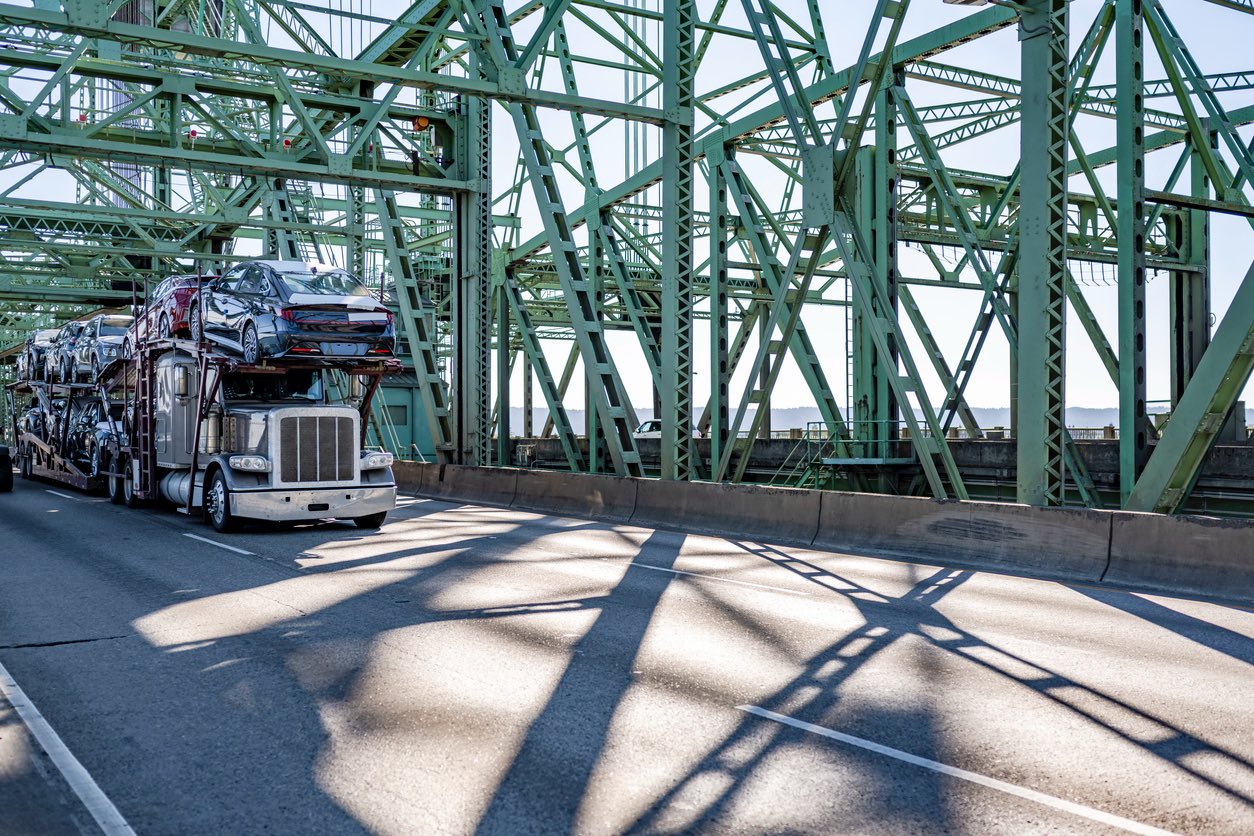
For Middlesex County in brief: the county runs from Cambridge and Somerville out through Lowell to the I-495 belt, and carrier access is excellent on I-90, I-93 and I-495. The constraint is local rather than regional. Dense inner-county streets in Cambridge, Somerville and Medford rarely accommodate a 75-foot rig, so expect a nearby meeting point, while suburban and I-495-corridor addresses usually take true door-to-door.
Why the County Splits in Two
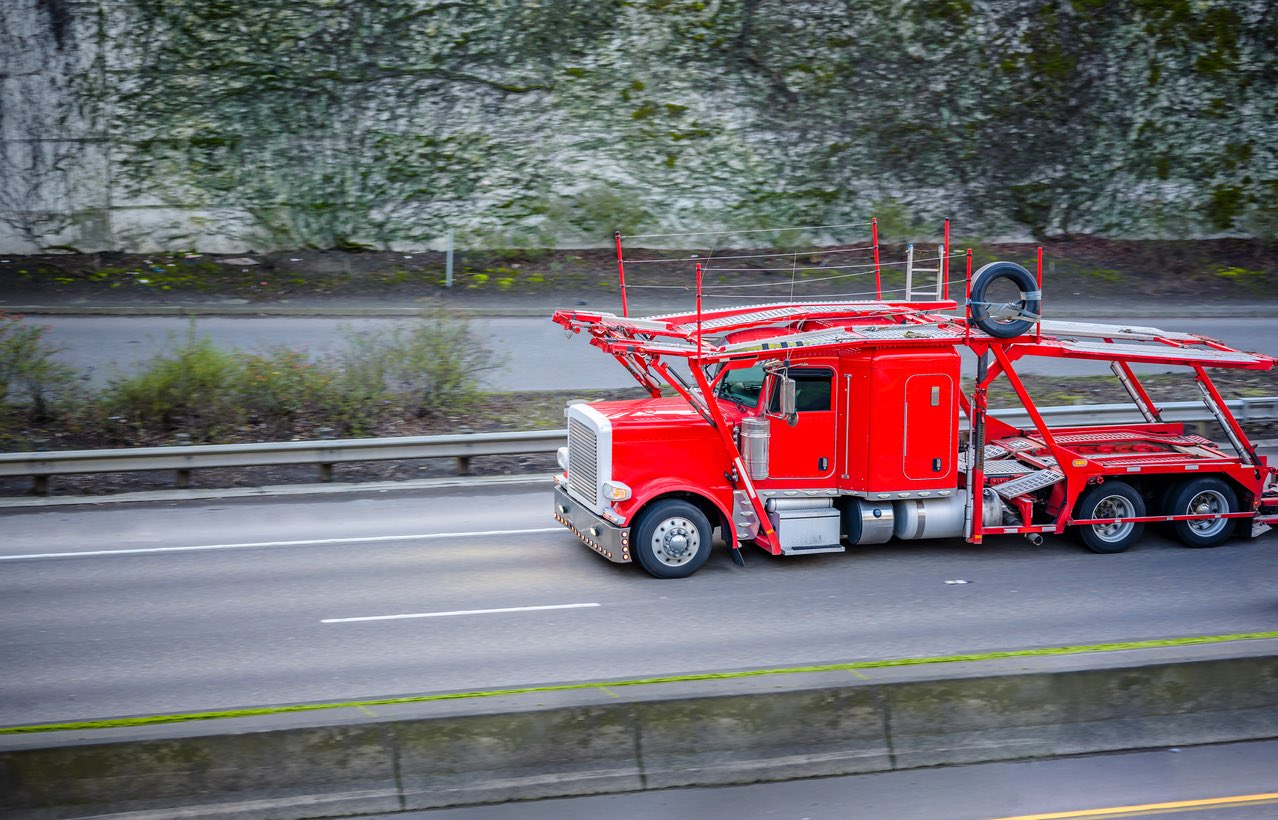
Middlesex covers very different transport environments. The inner ring around Cambridge and Somerville is among the densest and least truck-friendly territory in the country: narrow one-way streets, resident permit parking, and almost no space for a carrier to stop safely. The outer county around Lowell, Framingham and the I-495 towns behaves like ordinary suburban America, where a carrier can reach the driveway.
Tell your coordinator which you are, because it changes how the pickup is planned rather than whether it can happen.
Sample Middlesex County Estimates (Open Transport)
The Academic Calendar Drives Demand
Middlesex County contains an unusual concentration of universities, and that shapes transport demand more than anything else. Mid-to-late August and early January see sharp spikes as students arrive and leave, and May adds a second outbound wave. During those weeks carrier capacity tightens across the whole Boston area and pickup windows stretch.
Book three to four weeks ahead if your move falls in one of those windows. Outside them the county is straightforward and competitively priced.
Winter Is a Real Scheduling Factor
New England winters affect transport in two ways. Storms close or slow the I-90 and I-84 corridors west, and snow-narrowed streets in the inner county make an already tight pickup harder, sometimes impossible until plowing catches up. Street parking bans during snow emergencies compound it.
From December through March, build a buffer day into any Middlesex pickup and be reachable by phone, because a driver may need to propose an alternative meeting point at short notice.
Where the Handoff Usually Happens
For inner-county addresses, expect a nearby retail lot, a commercial street with room to load, or a spot just off a main road. Drivers know the area and will usually propose somewhere workable. If you already know a good location, offer it; it shortens the conversation and it is genuinely helpful.
For anything in a residential garage or a permit-only block, plan on driving the car a short distance to meet the truck. That is normal practice across greater Boston.
Preparing the Vehicle
Prepare it as you would for any move, following the pre-pickup checklist. In Middlesex County the battery deserves an extra look between December and March, because a car that has sat through a New England cold snap still has to start for the driver at both ends.
At Delivery
Inspect before signing. Compare the vehicle against the pickup condition report and your photographs, check the roof and lower panels where damage hides, start the engine, and note any exception on the bill of lading while the driver is present. Once you sign that report without noting anything, you have formally accepted the car as undamaged.
Pickup Windows and How Scheduling Actually Works
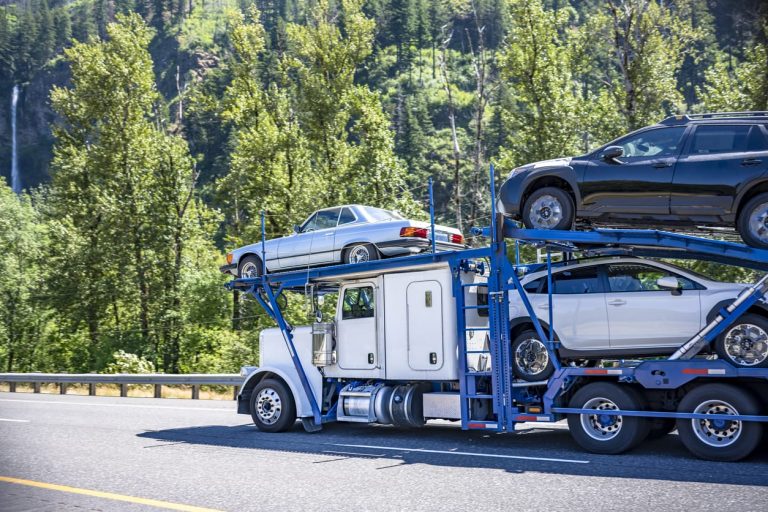
Auto transport does not run on fixed departure times. A carrier builds a load of seven to ten vehicles heading roughly the same direction, and your pickup happens when that truck is routed through your area. That is why you get a window of a day or two rather than an appointment, and why a firm date usually appears one to three days out once the driver has the load assembled.
In Middlesex County this works in your favor most of the year. The Boston metro generates steady volume in both directions, so trucks come through frequently and you rarely wait long for a slot. The exception is the university weeks, when everyone wants the same seven days.
Open Versus Enclosed From Massachusetts
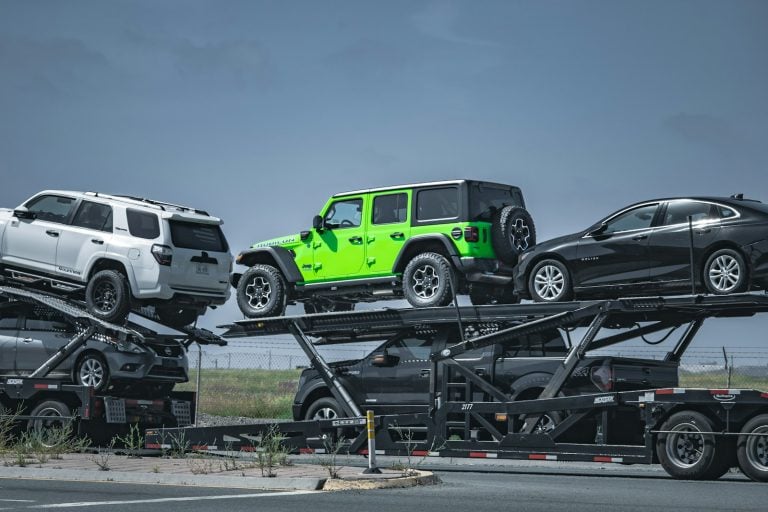
Open transport moves roughly nine of every ten vehicles and is the right call for anything you drive daily. The car is exposed to weather and road spray, the same conditions it faces being driven, and arrives dusty rather than damaged.
Enclosed transport costs 20 to 30 percent more and is worth it for a specific set of vehicles: classics, collectibles, exotics, anything with low ground clearance that would struggle on an open ramp, and vehicles being moved in the depths of a New England winter where road salt is a genuine concern for a car you intend to keep pristine. For a three-year-old sedan, it is money spent on peace of mind rather than on risk reduction.
What Changes the Price
Distance sets the base, but four other factors move the number more than people expect. Vehicle size and weight matter because a carrier sells space and payload, so a full-size truck or SUV costs meaningfully more than a compact on the same route. Operability matters: a car that will not start or roll needs a winch and costs $100 to $250 extra. Those are planning estimates. Our own book since 2023 covers 144 Massachusetts orders, where the middle half ran $1,000 to $1,600. Timing matters, since a flexible week prices better than a fixed day. And direction matters, because lanes are not symmetrical and the busier direction is usually cheaper.
Common Questions
Can a carrier reach my street in Cambridge? Usually not. Expect a meeting point within a few minutes’ drive, which is standard across the inner county.
How far ahead should I book? One to four weeks, and three to four during the August, January and May university waves.
Is enclosed transport necessary? Rarely for a daily driver. It is worth the 20 to 30 percent premium for classics, exotics and low-clearance cars.
Do I need the title? No, not for domestic transport. Photo ID at both ends is sufficient.
Get a Quote
Call Ship A Car, Inc. at (866) 821-4555, or price your move with the instant calculator.