
Shipping a Car to Florida for Snowbird Season
Book earlier than feels necessary, and understand that direction sets the price. From October through December every seasonal resident on the East Coast and in the Midwest is moving a car south at once, so southbound capacity tightens and rates climb while northbound trucks run cheap. April and May reverse it exactly. Add the fact that most Florida seasonal communities are gated, and the two things that actually decide how this goes are your booking date and your gate access.
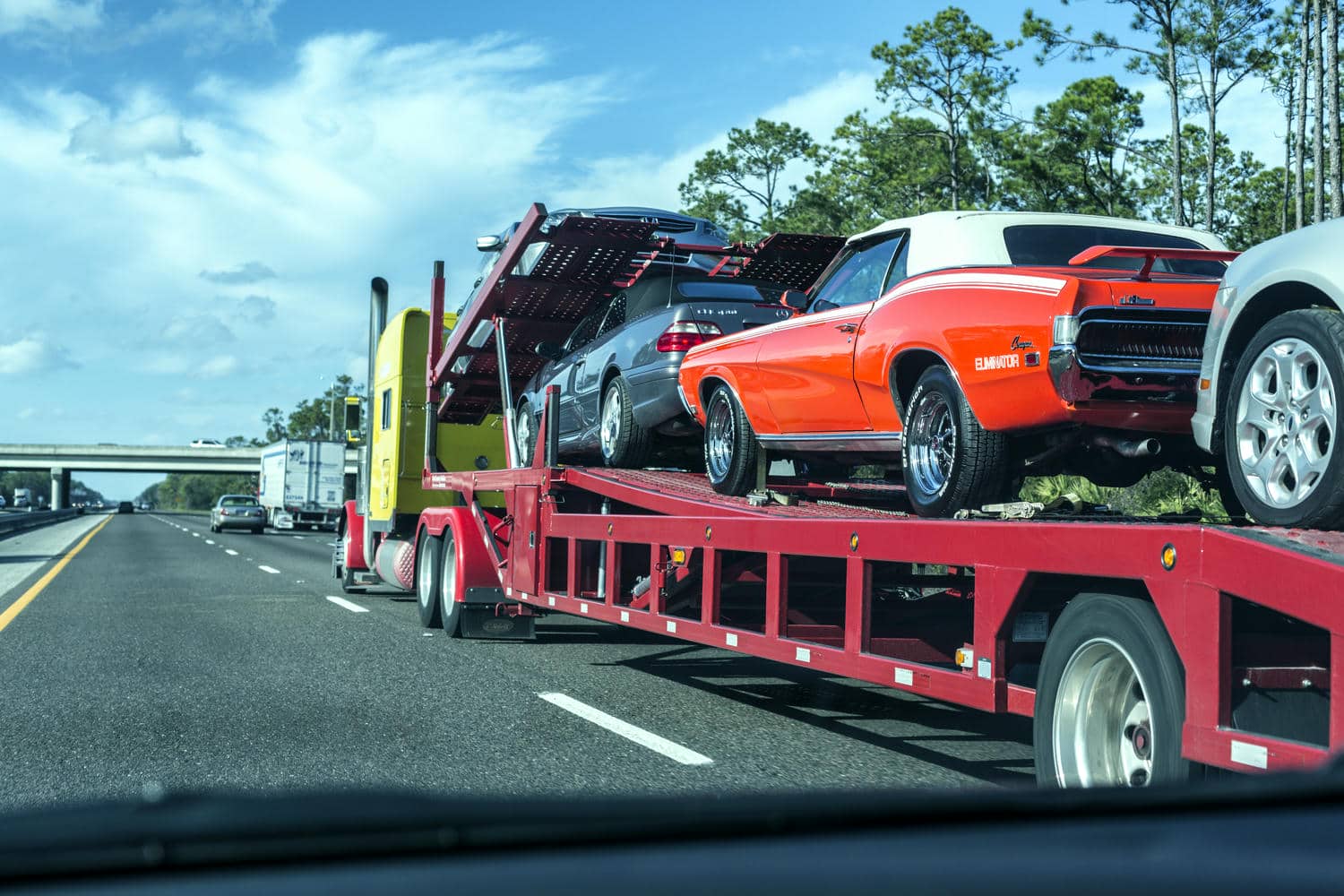
The Season, and What It Does to the Price
In our own book since 2023, the middle half of Florida orders ran $900 to $1,450. The figures below are planning estimates.
Snowbird demand is the most predictable pricing event in auto transport, which means you can plan around it precisely. The prices below are for the southbound leg, the one most seasonal residents are booking.
For the common origins, expect roughly $1,000 to $1,400 from the New York area, $1,100 to $1,500 from Boston, and $1,000 to $1,450 from Chicago or Detroit, on an open carrier for a standard sedan. Peak southbound weeks sit at the top of those ranges and can exceed them. A full-size truck or SUV adds meaningfully, and enclosed transport adds about a third.
Book Earlier Than You Think
The mistake that costs snowbirds the most is treating this like a normal booking. In November, dispatchers are choosing between many southbound vehicles for the same slots, and the loads that move first are the ones with flexible windows and realistic pricing.
Three to four weeks of lead time in peak season is not caution, it is the going rate for a date that holds. If you can offer a three or four day pickup window rather than a single day, you will be quoted better and assigned sooner, because you become easy to fit into a load already forming.
Gated Communities Are the Other Half of the Job
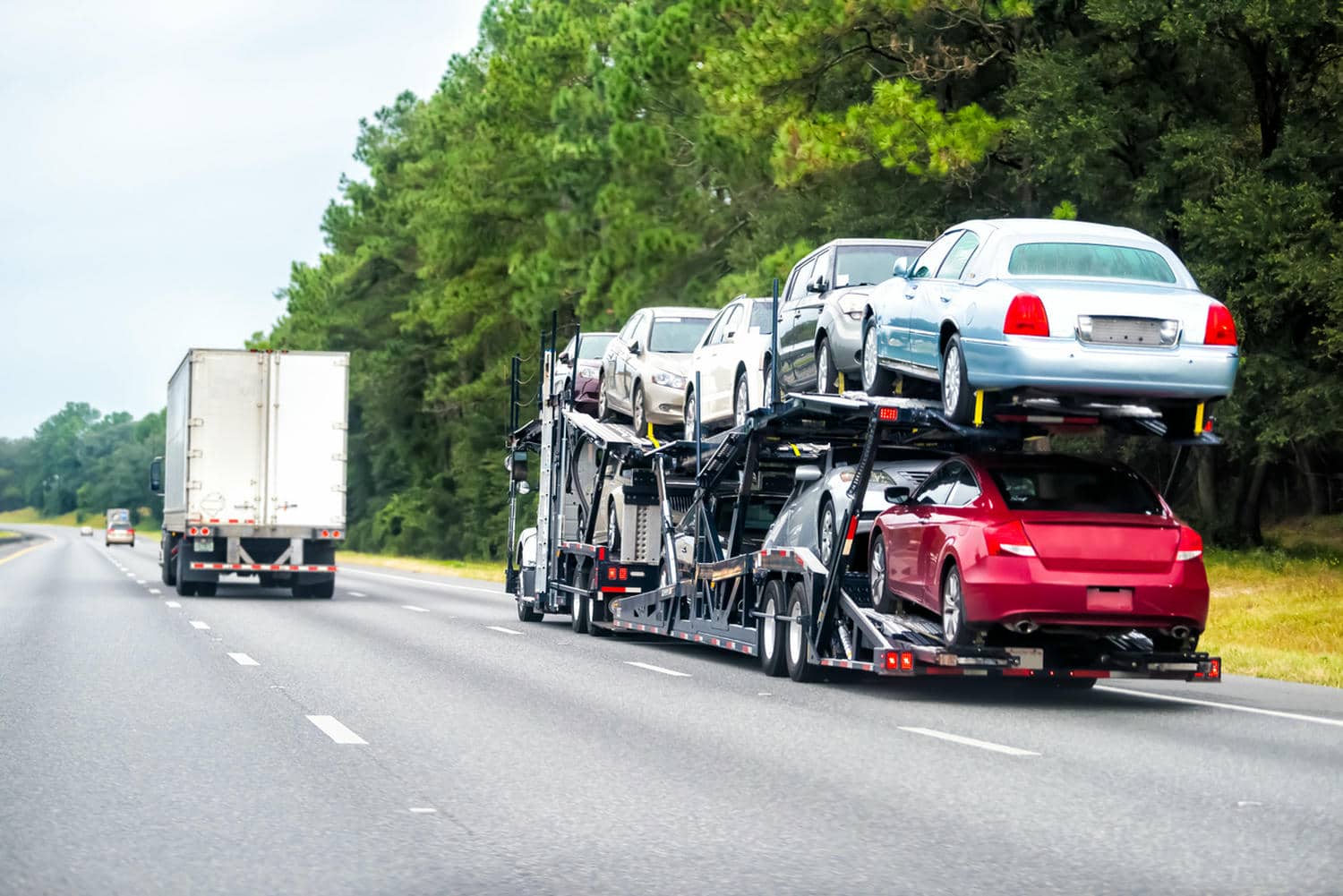
Most of Florida’s seasonal housing sits in gated or age-restricted communities, and a great many of them restrict commercial vehicle access, cap vehicle length, or require advance clearance at the gate. A 75-foot car carrier arriving unannounced at a guardhouse is a delay that costs everyone the afternoon.
Call your association a week ahead and ask three questions: does the community permit a commercial transport truck, is there a length limit, and do you need to add the carrier to a gate list. If the answer rules the truck out, agree a nearby meeting point in advance. A shopping center lot a few minutes away is the normal solution and it works fine.
The same applies at the northern end. Condo towers and narrow northeastern streets present the identical problem in reverse.
Two Cars, or a Car and a Golf Cart
Seasonal households frequently move more than one vehicle, and shipping two on the same carrier is usually cheaper per vehicle than two separate bookings, because the pickup and delivery work is shared. Ask for it to be quoted that way rather than as two jobs.
Golf carts are their own category. They ship regularly to Florida communities but are not simply small cars: they need different securement, and the carrier needs to know the model, whether it is street-legal, and whether the battery is lead-acid or lithium before quoting.
The Car That Sits for Six Months
This is the part almost nobody plans for, and it is the difference between arriving to a car that starts and one that does not. A vehicle left standing half the year at either end needs a little preparation:
- Battery. Six idle months will flatten most batteries. A trickle charger or maintainer on a garage outlet is the simplest fix; disconnecting the negative terminal is the fallback where there is no power.
- Fuel. Leave the tank low for transport, then top it up and add stabilizer once it arrives if it is going to sit.
- Tires. Standing in one spot develops flat-spotting. Inflate to the upper end of the recommended range before storage.
- Pests. Florida garages attract insects and rodents. Close the windows fully and consider blocking the exhaust and air intake if the car is stored somewhere rural.
- Insurance. Tell your insurer the vehicle is seasonal and where it will be. Coverage and rates often differ by state, and a lapse discovered later is expensive.

Preparing for Transport
Standard preparation applies, and the pre-pickup checklist has the full list. For a seasonal move the additions are the ones above: plan for the car sitting, and if you are flying ahead of it, confirm in writing who will meet the driver and sign the condition report.
At delivery, inspect before signing. Compare the vehicle against the pickup condition report and your photographs, check the roof and lower panels, start the engine, and note anything you find on the bill of lading while the driver is still there.
Common Questions
When should I book for a November move? Three to four weeks ahead, and earlier still if your pickup falls near Thanksgiving. Peak southbound weeks fill first.
Is it cheaper to drive? Rarely, once fuel, two or three nights of hotels, meals and roughly 1,300 miles of wear are counted, and never if you would need to fly back for the second car.
Can the truck come to my community? Sometimes. Many gated and age-restricted communities restrict commercial access, so call the association ahead and arrange a nearby meeting point if needed.
Can I ship two cars together? Yes, and it is usually cheaper per vehicle than two bookings. Ask for it to be quoted as one job.
Do I have to be there? Someone does at both ends, to sign the condition report. A friend, family member or property manager is fine if the carrier knows in advance.
What about hurricane season? June through November a storm can close I-95 and drain regional capacity for days. Build in slack and take an earlier pickup if one is offered ahead of weather.
Get a Quote
Call Ship A Car, Inc. at (866) 821-4555 with your dates, both addresses and whether a gated community is involved, or request an estimate for it through the quote calculator. You can also read more about seasonal relocation for snowbirds.