
What Drives the Cost of Moving a Shipping Container Domestically
Domestic container moves are priced by a different logic from international ones, and the single biggest factor is not distance. It is whether the container is yours or the shipping line’s, because that determines whether a clock is running against you. If you already own the container and simply need it moved, that is our shipping container transport service.
Here is what actually sets the number, in order of how much each factor moves it.
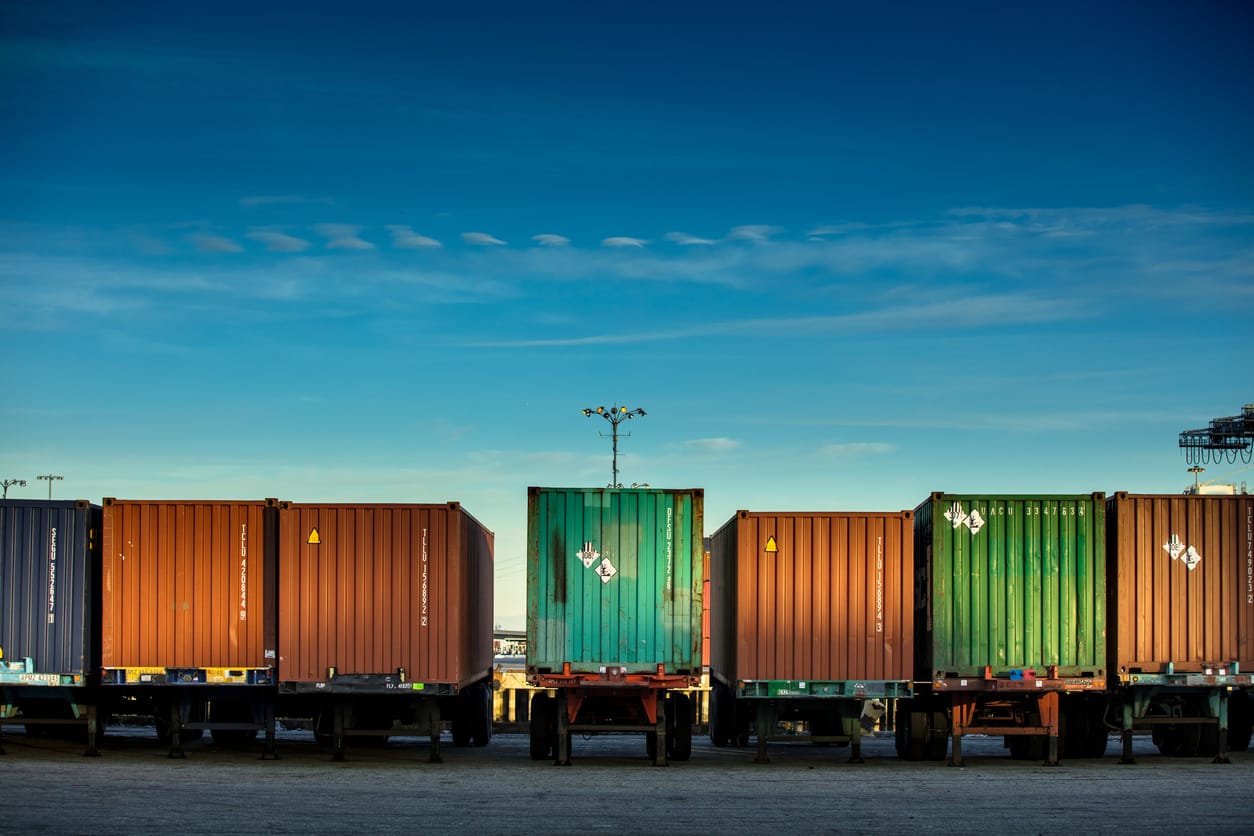
1. Whose Container Is It
The distinction that changes everything.
A shipping line container arriving from overseas is borrowed equipment. The line allows a limited free period to collect it from the terminal and return it empty, and after that two separate charges begin: demurrage while it sits at the terminal, and detention once it is out in your possession. Both accrue daily and both escalate.
That means a container move on line equipment is a race, and urgency is priced. A carrier asked to collect tomorrow charges differently from one given a week.
A container you own has no clock. You can wait for a carrier already heading the right way, which suits a container that is not needed on a set day.
2. Size and Weight
Twenty foot and forty foot are the standard lengths, and the choice is not simply about volume.
A twenty foot container is shorter but often heavier per foot, because dense cargo fills the weight limit before it fills the space. A forty foot container is longer, and on some routes its length triggers permit or routing considerations a twenty does not.
High cube containers add roughly a foot of height, which matters because container height plus trailer deck height determines whether the load is over the legal limit. A high cube on a standard chassis is frequently over height, which is why it travels on a lower deck arrangement.
Give the carrier the length, whether it is high cube, and the loaded weight. Those three numbers determine the equipment.
3. Loaded or Empty
An empty container is a lighter, simpler load and prices accordingly. A loaded one raises three questions.
What is inside, because hazardous materials require different authority entirely. How the weight is distributed, since a container loaded unevenly puts one axle over its limit even when the gross is legal. And whether the cargo is secured inside, because a shifting load in transit is a genuine hazard rather than a tidiness issue.

4. Chassis Availability
The factor invisible to customers that periodically dominates the price.
A container needs a chassis, the wheeled frame it rides on. Chassis are a separate pool of equipment from trucks, and in periods of congestion they run short. When they do, the cost and the delay both rise regardless of trucking capacity.
If you own your container and it is going somewhere for a long stay, a flatbed or step deck with the container secured to it is sometimes an alternative to a chassis, though it needs lifting equipment at each end.
5. Access and Lifting at Both Ends
Where container moves most often fail, and it is entirely predictable in advance.
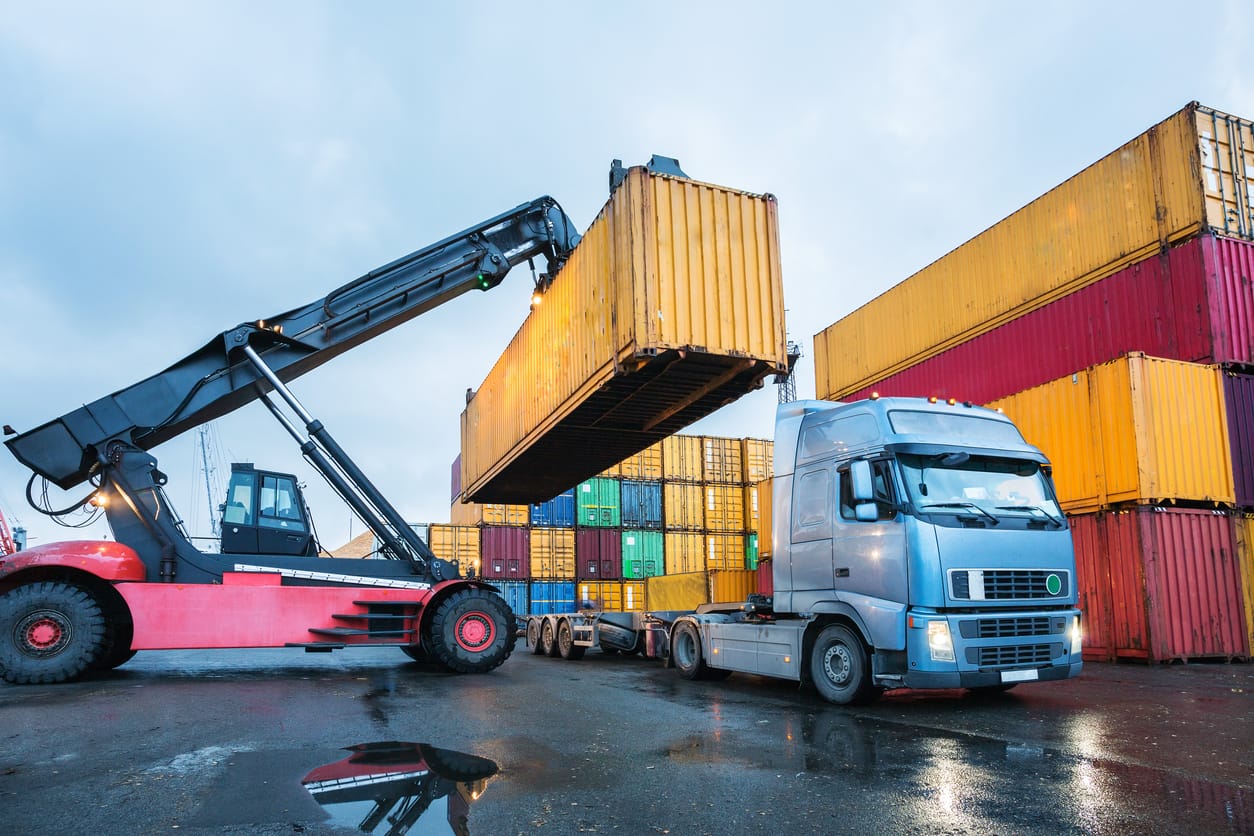
A container has to get off the truck. That means either a tilt bed that slides it off, a crane or reach stacker, a forklift rated for the weight, or a chassis that stays under it while you unload the contents instead.
The destination has to accommodate whichever method: firm level ground that will not sink, room for a long combination to turn, clearance overhead for lifting, and a lifting machine actually booked and present. A container arriving somewhere with nothing to unload it is the most expensive kind of wasted trip, because the container leaves again with the truck.
Decide the method before booking and confirm the equipment at both ends.
6. Route and Distance
Present but less dominant than people expect. Distance matters, and so does whether both ends sit near main corridors. A container move that starts or ends well off an interstate carries the detour in its price.
Rail is worth pricing on long domestic moves, since a container is already in the right box for intermodal. It is cheaper per mile over distance and slower and less predictable, and the drayage legs at each end are priced like local trucking. The full comparison is in our page on how rail and road divide intermodal work.
The One Way Nobody Mentions
Container moves are strongly directional, and it is worth asking about.
Empty containers accumulate where imports land and are scarce where exports originate. That imbalance means moving an empty container in the direction the industry already wants it moved is considerably cheaper than the reverse. If your move happens to run with the flow, say so and ask whether it helps.
What to Have Ready Before You Call
Six things, and they turn a vague estimate into a real quote: length and whether it is high cube, loaded weight, whether it is loaded and with what, whether the container is yours or a line’s and any free time remaining, both addresses with an honest description of access, and how it will be lifted at each end.
Photographs of both sites are worth more than descriptions. And if the container is on line equipment, say when the free time expires, because that is the constraint everything else is planned around.
Common Questions
What is the biggest cost factor? Whether the container is yours or a shipping line’s, because line equipment carries demurrage and detention clocks that force urgency.
Does size matter more than weight? Both, and weight often binds first. High cube height is the one that changes the trailer required.
Why do prices swing? Chassis availability. Chassis are a separate equipment pool from trucks and run short during congestion.
What is needed at the destination? A lifting method arranged in advance, firm level ground, turning room, and overhead clearance.
Is rail cheaper? Over long distances usually, and slower and less predictable, with drayage priced like local trucking at each end.
Get a Quote
Call Ship A Car, Inc. at (866) 452-3657 with the container size, weight, both addresses and how it will be lifted, or request a quote through the specialized transport calculator.