
The Toyota LandCruiser 70 Series and Shipping a Serious Off-Roader
Why this vehicle is a transport question: the 70 Series is a body-on-frame, solid-axle workhorse that has been in production for decades, and it is not sold new in the United States. Owners here acquire them through the 25-year import exemption or buy examples already imported, which means almost every one of them arrives by transport rather than being driven off a local lot.
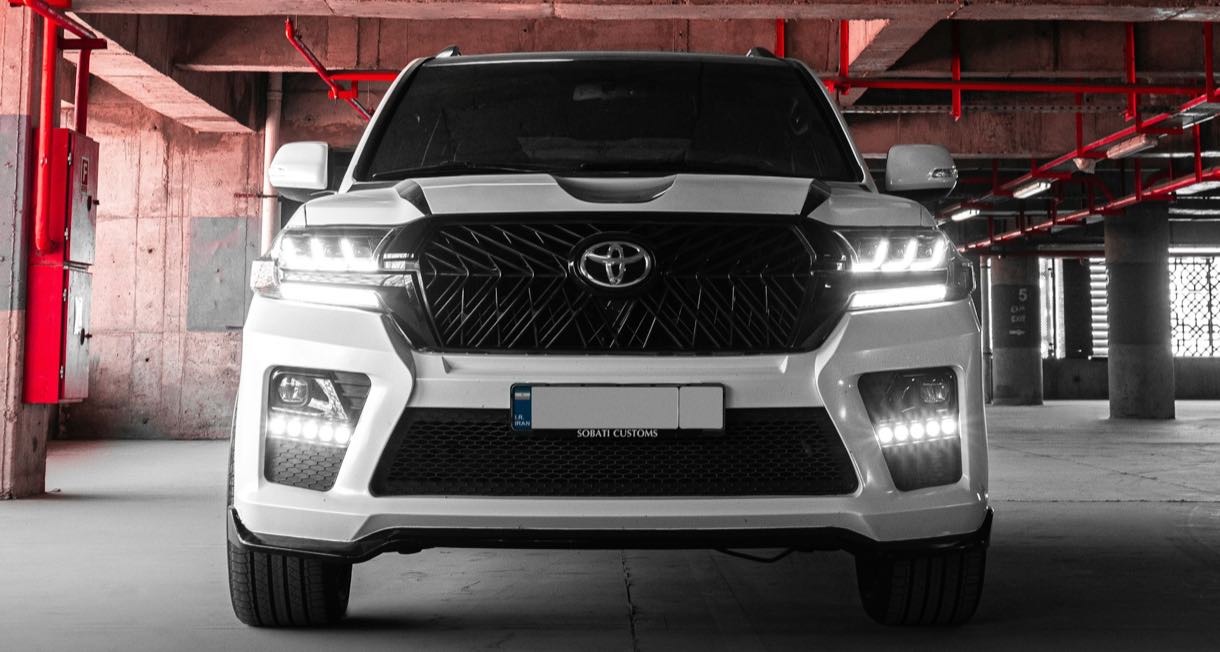
Why It Has Lasted Four Decades
The 70 Series survived because Toyota kept building the thing people actually wanted: a ladder frame, live axles, mechanical simplicity, and parts availability in places with no dealer network. It is the vehicle of choice for mining operations, aid organizations and remote agriculture precisely because it can be repaired with hand tools far from anywhere.
That design philosophy is also why enthusiasts want them. A vehicle engineered for repairability ages differently from one engineered for refinement.
The V8 Question
The long-running turbo-diesel V8 became the enthusiast favorite for torque and durability, and Toyota’s later move toward a smaller-displacement four-cylinder turbo-diesel with an automatic transmission drew predictable criticism. The honest read is that the newer powertrain meets emissions rules the V8 could not, and that a manufacturer keeping a 40-year-old platform in production at all requires those compromises.
For a US owner, the practical point is different: whichever engine your example has, it is a heavy, tall, body-on-frame vehicle and that is what determines how it ships.
What Matters When You Ship One
Imports and the 25-Year Rule
Vehicles at least 25 years old are generally exempt from the federal safety and emissions standards that otherwise block importing a model never sold here. That is the mechanism through which most 70 Series vehicles legally enter the United States, and it is why the available pool skews toward older examples.
Two practical notes for transport. A newly imported vehicle is frequently collected from a port rather than a residence, which is straightforward but needs the release paperwork coordinated in advance. And an imported vehicle may not yet be registered, which does not prevent domestic road transport but does mean it cannot be driven to a meeting point.

Modifications Are the Usual Complication
Very few of these vehicles remain stock. Suspension lifts, oversized tires, roof racks, roof tents, snorkels, winch bumpers and rear carriers all change the loaded dimensions, and height is the figure that decides whether a standard carrier can take it.
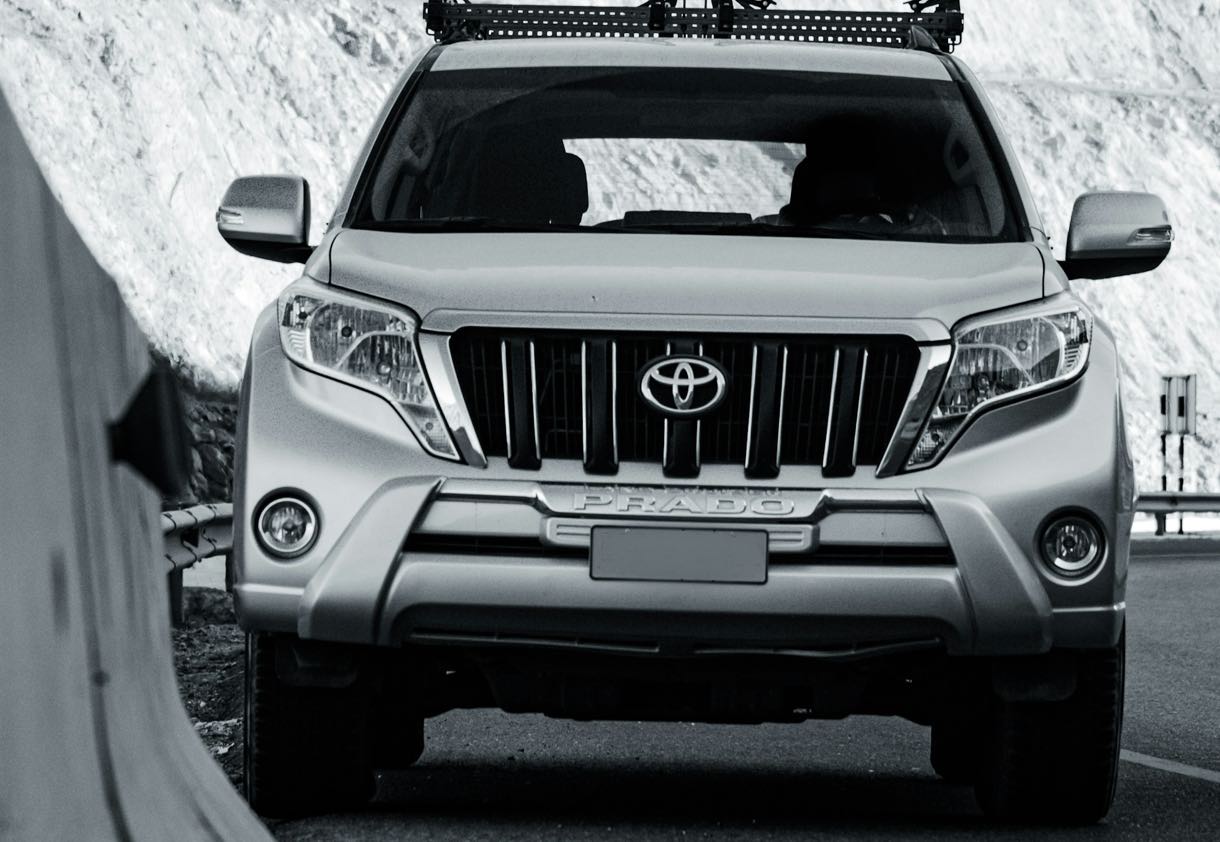
Measure the vehicle as it will actually sit, then add the deck height of the trailer. A vehicle that measures under 13 feet 6 inches on the ground can exceed it on a deck, which changes the carrier and the price. Giving base-model figures for a modified truck is the most common cause of a repriced booking.
Open or Enclosed
Open transport is appropriate for most examples and it is what these vehicles are built to endure. Enclosed is worth the premium of about a third for a fully restored example, a freshly painted vehicle, or a rare specification where you would rather not explain a stone chip to a buyer. For a working truck that lives outside, open is the sensible choice.
Preparing It
- Give exact loaded height, width and weight including racks and accessories.
- Remove or securely fasten anything on the roof; an open deck at highway speed is unforgiving.
- Leave about a quarter tank and confirm the battery holds charge.
- Say whether it runs, and whether it rolls, steers and brakes.
- Photograph every panel, the undercarriage if accessible, and the odometer.
- Note manual transmission quirks, aftermarket immobilizers or a battery cut-off for the driver.
Common Questions
Can a right-hand-drive import be shipped normally? Yes. Steering position does not affect road transport, though mention it so the driver is not surprised at loading.
What does it cost to ship from a port? The same per-mile economics as any vehicle, about $0.60 to $2.00 a mile in our bookings between September 2025 and August 2026 depending on distance, with an upward adjustment for weight and any oversize dimension. Port pickups are usually easier than residential ones.
Is a lifted 70 Series considered oversize? It can be, on height. Measure loaded; the answer decides whether it goes on a standard carrier or a flatbed.
Can I ship spare parts with the vehicle? No. Federal rules restrict cargo inside shipped vehicles and personal items are not covered by cargo insurance.
Parts, Service and Long-Term Ownership in the US
The practical case for a 70 Series in America rests on mechanical simplicity rather than dealer support. Toyota will not service a vehicle it never sold here, so ownership means an independent specialist and a parts chain that often runs through overseas suppliers. Common wear items are widely available; model-specific trim and electronics are harder.
That is worth understanding before buying rather than after, and it is why these vehicles cluster around owners who do their own work. If you are buying one two states away because the right example is rare, factor in a pre-purchase inspection by someone who knows the platform.
Buying One Sight-Unseen
Because supply is thin, most purchases are remote. Two safeguards matter more here than on an ordinary used car. Commission an independent inspection focused on frame and chassis rust, which is the failure mode that ends these vehicles, and on evidence of how hard it worked before import. Insist on photographs of the underside, not just the paint.
Then treat the delivery inspection seriously. Compare the vehicle against the seller’s photographs and the pickup condition report before signing, because a clean bill of lading closes the question of transit damage.
Get a Quote
Call Ship A Car, Inc. at (866) 821-4555 with the vehicle’s loaded dimensions, or start with the quote calculator.