Hot Shot Trucking: What It Is and When to Use It
Hot shot trucking is expedited freight moved on a heavy duty pickup pulling a gooseneck or flatbed trailer, and its whole reason for existing is speed on loads too small to justify a semi. A one ton dually with a 40 foot gooseneck carries roughly 16,000 to 20,000 pounds. Below that, waiting for a full truckload rarely makes sense, and hot shot fills exactly that gap.
What the Equipment Actually Is
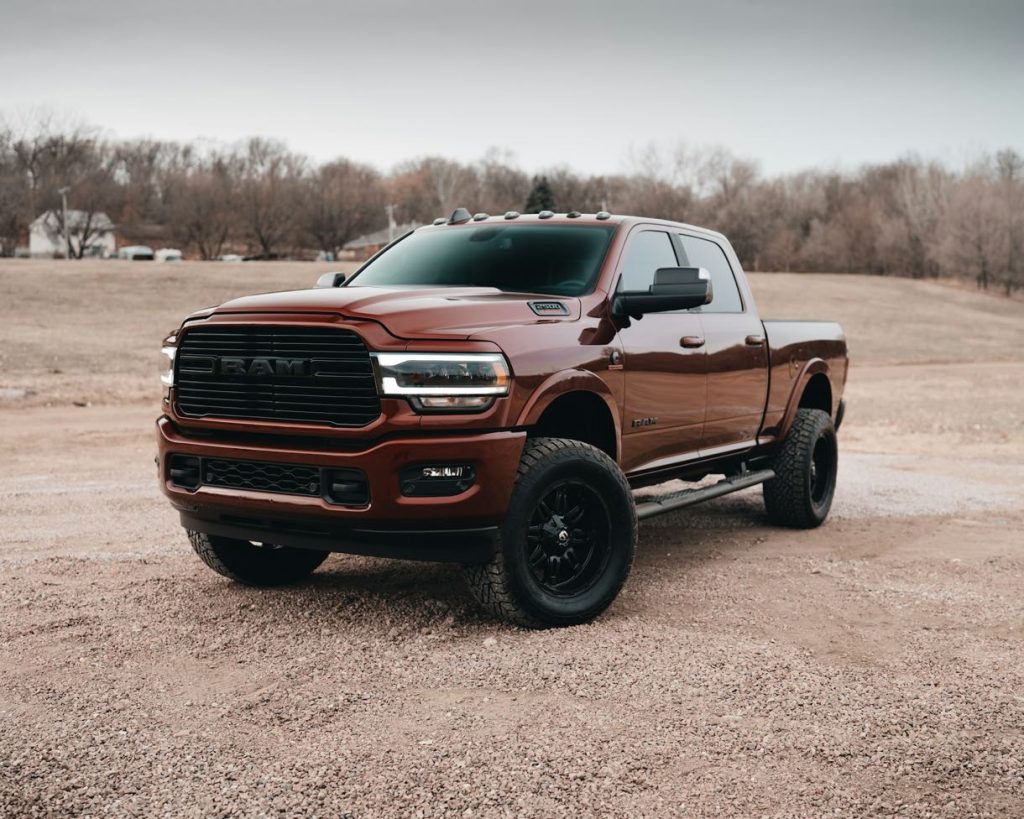
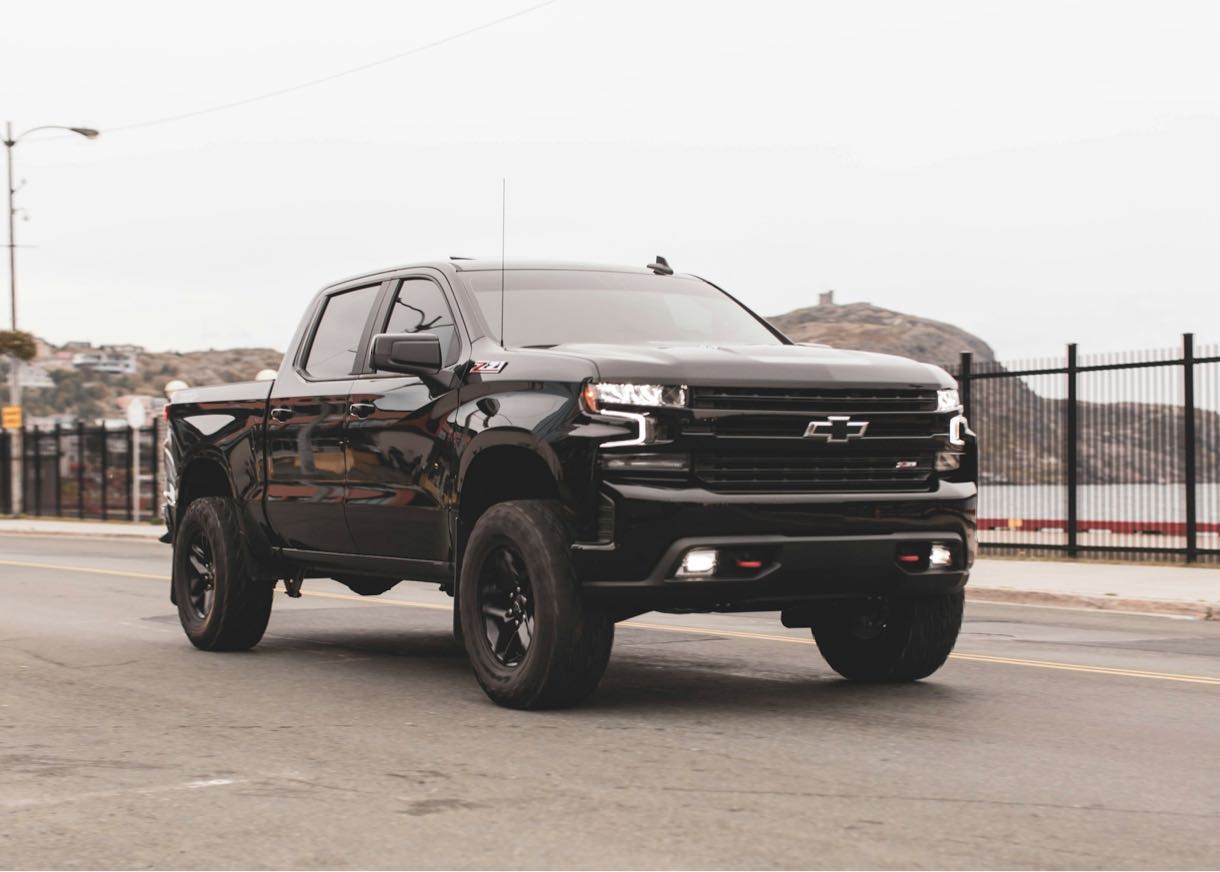
The classic setup is a Class 3 to Class 5 truck, meaning a Ram 3500, Ford F-350 or F-450, or Chevrolet Silverado 3500, almost always a dually for stability under a gooseneck.
Trailer choice defines the capacity. A gooseneck flatbed of 30 to 40 feet is the standard and it is what most hot shot operators run. A bumper pull is smaller and less stable under load. A dovetail trailer suits equipment that has to be driven or winched aboard.
Payload realistically lands between 16,000 and 20,000 pounds depending on the truck, the trailer and the driver’s licensing. That is well under the roughly 45,000 pounds a semi carries, which is precisely the point: hot shot is not competing with truckload freight, it is serving loads beneath it.
Anything at or over 26,001 pounds gross combination weight brings a commercial driver’s license into the picture, along with the full range of federal safety regulations. Operators running under that threshold still need operating authority and insurance to haul for hire, which is the part newcomers most often get wrong.
When Hot Shot Is the Right Answer
Four situations account for most of this work.
Downtime freight is the largest. A production line, a rig or a job site standing idle costs far more per day than the transport, and hot shot exists to end that faster than scheduled freight can.
Partial loads that are awkward for LTL come second. Freight that is heavy, oddly shaped, or would need repeated handling in an LTL network frequently moves better and safer on a dedicated flatbed with one driver and no transfers.
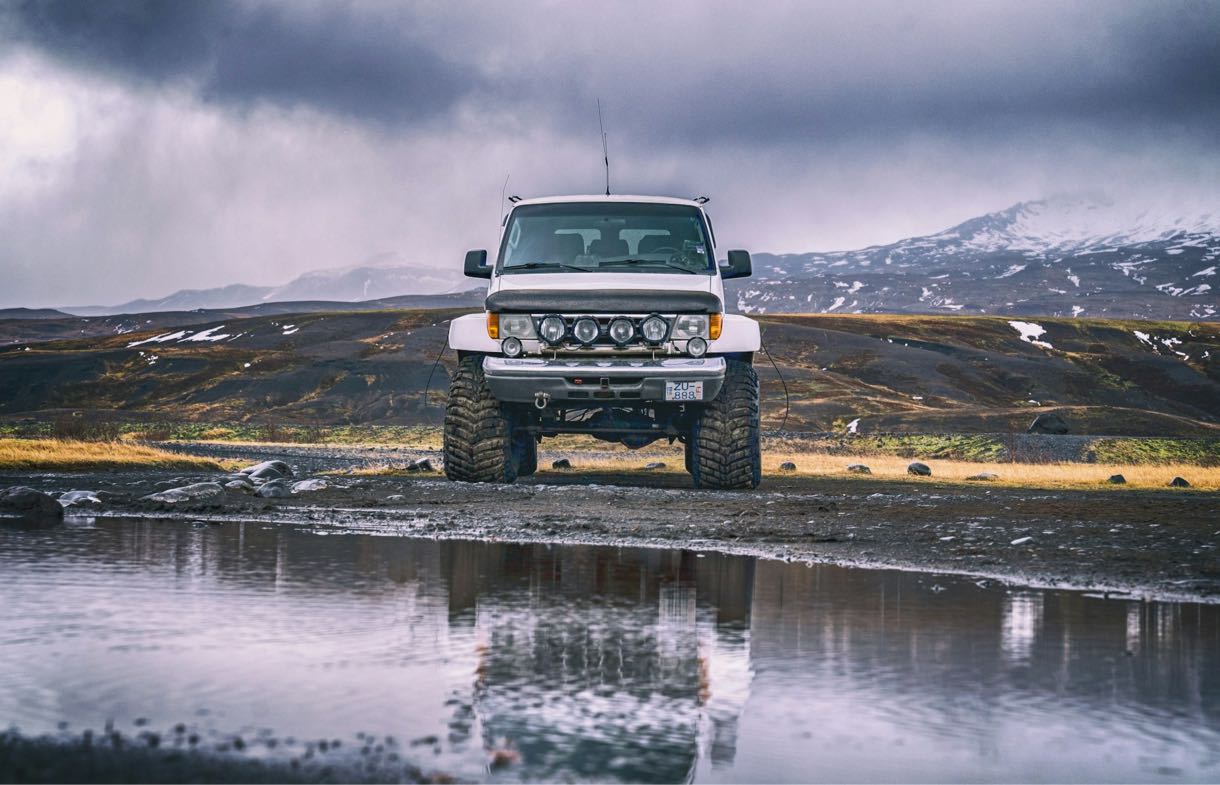
Construction and oilfield equipment is the third: skid steers, mini excavators, generators, pipe and tooling all sit comfortably inside hot shot capacity and frequently need to reach sites a larger combination cannot easily approach.
And direct delivery matters when handling is the risk. One driver, one loading, one unloading, no terminals.
When It Is Not
Hot shot is priced for urgency and it is a poor choice when urgency is absent.
On a full truckload of freight, a semi is dramatically cheaper per pound. On small parcels, LTL is cheaper again. On anything over about 20,000 pounds or beyond the trailer’s dimensions, hot shot simply cannot take it.
Over very long distances the economics get harder too, because a single driver in a pickup faces the same hours of service limits as any other commercial driver, without the option of a sleeper team in most setups.
If your load is not time critical, ask for a standard flatbed quote alongside the hot shot one and compare honestly.
What It Costs and Why
Hot shot rates are quoted per mile and they run well above standard flatbed rates for the same distance.
The reasons are structural rather than opportunistic. The truck carries a fraction of what a semi carries, so the fixed costs of the trip are spread across far less freight. The service is dedicated, meaning your load is the only load. And a great deal of hot shot work involves deadheading to the pickup, because the load appeared suddenly and the truck was somewhere else.
Expect the rate to move with fuel, with how far the truck has to travel empty to reach you, and sharply with how quickly you need it. A load that can wait until tomorrow morning prices differently from one leaving in an hour. Our guide to what actually moves freight rates applies here as much as to truckload.

Hot Shot for Vehicles
The same equipment moves cars, and on some jobs it is the better answer than a car hauler.
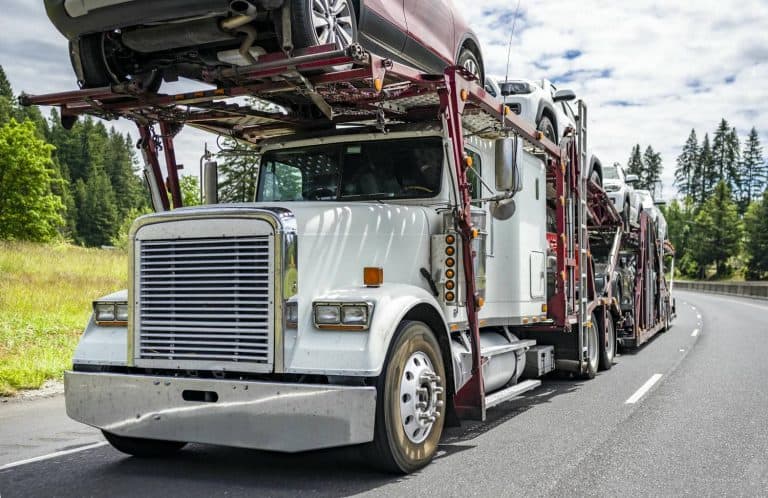
A gooseneck flatbed carries one to three vehicles depending on size, and it reaches places a 75 foot ten car trailer cannot: narrow rural roads, gated communities, tight urban streets and job sites. Where a customer needs a single vehicle collected from a difficult address quickly, a hot shot rig frequently solves both problems at once.
It is also the practical option for a non running vehicle to a nearby destination, since a flatbed with a winch loads what a car hauler ramp cannot.
What it is not is economical over long distance for an ordinary running car. Over several hundred miles a standard car hauler carries your vehicle alongside nine others and prices accordingly, and that is the right choice unless speed or access is the binding constraint.
What to Confirm Before Booking
Hot shot has a wider range of operator quality than most freight sectors, because the barrier to entry is a pickup and a trailer.
Confirm the operator holds active operating authority and check it on the FMCSA register. Confirm the cargo insurance limit in writing and read it against the value of your freight, because a limit adequate for pallets of parts is not adequate for a $200,000 machine. Our guide to checking USDOT and MC numbers covers how.
Then confirm the physical facts: the trailer’s deck length and width, the payload rating, and whether the load needs ramps, a winch or a forklift at either end. A hot shot truck that arrives without the means to load is a wasted trip.
Preparing a Hot Shot Load
Give real weight and dimensions. Hot shot capacity is tight and a load 2,000 pounds heavier than described may simply not be legal on that combination.
State the dimensions including anything protruding, since a flatbed load past 8 feet 6 inches wide needs a permit exactly as a semi would, and hot shot operators run into that more often than people expect because the trailers are narrower to begin with.
Have the load ready when the truck arrives. The entire value of the service is speed, and an hour of waiting at the pickup is an hour of what you paid for.
Photograph the freight before loading and get any existing damage described on the bill of lading specifically.
Common Questions
What can a hot shot truck carry? Realistically 16,000 to 20,000 pounds on a 30 to 40 foot gooseneck, depending on the truck and licensing.
When is hot shot worth the premium? When downtime costs more than transport, or when a partial load would otherwise be handled repeatedly through an LTL network.
Why is it more expensive per mile? The truck carries far less than a semi, the service is dedicated, and the truck frequently deadheads to reach an urgent pickup.
Does a hot shot driver need a CDL? At or over 26,001 pounds gross combination weight, yes. Below that a CDL may not be required, but operating authority and insurance still are.
What should I check before booking? Active authority on the FMCSA register, the cargo insurance limit in writing, and the trailer’s deck size and payload rating.
Get a Quote
Call Ship A Car, Inc. at (866) 821-4555 with the weight, dimensions, both zip codes and when it has to be there, or price the move with the instant calculator.